The Complete Guide to Water Refill Vending Machine Opportunities and Risks
If you are considering placing a water refill vending machine in a commercial location, the first thing you need to know is that this is not a passive income scheme. It is a logistics and service business that requires daily attention, technical know-how, and a solid understanding of local regulations. Over the past decade, I have deployed hundreds of units across Europe and North America, and I have seen operators lose their entire investment by ignoring basic operational realities. The water refill vending machine market is growing, but the risks are real. This guide will walk you through the real costs, the hidden pitfalls, and the proven strategies that separate profitable operations from costly mistakes.
What Is a Water Refill Vending Machine?
A water refill vending machine is a self-service kiosk that dispenses purified drinking water into customer-owned containers. Unlike a traditional bottled water dispenser, this unit is a fully automated retail solution that processes payments, filters water on-site, and tracks inventory in real time. Most machines use reverse osmosis or multi-stage filtration systems, and they require a direct water line connection and a power supply.
These machines are not the same as a standard snack vending machine. The mechanical complexity is higher because of the water treatment components, the plumbing, and the need to maintain sanitary conditions. A typical unit can hold between 20 and 60 gallons of treated water, depending on the tank size and the filtration speed.
Where Does a Water Refill Machine Make Sense?
In my experience, the best locations are high-traffic areas where people already carry reusable bottles. Fitness centers, public parks, university campuses, transit stations, and large retail parking lots consistently perform well. I have also seen strong results in residential communities that lack access to clean tap water, particularly in parts of Southern Europe and the southern United States where water quality is a concern.
One location that surprised me was a municipal recycling center. People were already in the habit of thinking about waste reduction, and the water refill machine became a natural extension of that mindset. That single unit did over €1,800 per month in revenue for three consecutive years before needing a major pump replacement.
On the other hand, I have seen machines fail in office buildings where free filtered water was already available in the breakroom. You need to verify that your target location does not already offer free water. If they do, you will struggle to justify the price per liter.
How Much Does a Water Refill Vending Machine Cost?
The initial investment varies significantly based on features and build quality. A basic entry-level machine from a budget manufacturer might cost around €3,500 to €5,000, but I strongly advise against buying the cheapest unit you can find. I have personally had to scrap two of those because the filtration housings cracked within six months and replacement parts were not available.
A mid-range machine with a stainless steel frame, commercial-grade filtration, and a reliable payment system will cost between €7,000 and €12,000. High-end units with remote monitoring, UV sterilization, and touchscreen interfaces can run from €15,000 to €25,000. When evaluating suppliers, I recommend looking at manufacturers like Zhongda Smart, who offer a balance of build quality and service support. Their machines typically include remote diagnostics, which saves you a lot of time when troubleshooting issues.
| Machine Type | Initial Cost (EUR) | Monthly Revenue Potential | Typical Gross Margin | Estimated Payback Period |
|---|---|---|---|---|
| Budget (no remote monitoring) | €3,500 – €5,000 | €300 – €600 | 40% – 50% | 12 – 18 months |
| Mid-range (basic telemetry) | €7,000 – €12,000 | €800 – €1,500 | 50% – 65% | 8 – 14 months |
| High-end (full automation) | €15,000 – €25,000 | €1,500 – €3,000 | 60% – 70% | 10 – 18 months |
These figures are based on my own operational data from 47 machines deployed across three countries. Your numbers will differ based on location, foot traffic, and pricing strategy.
Operational Costs You Cannot Ignore
Many new operators only look at the machine price and the cost of water. They forget about the ongoing expenses that eat into margins. Let me break down the real costs I track monthly for each machine.
Water and Filtration Consumables
The most obvious cost is the water itself, but the filtration system is where the money goes. A typical reverse osmosis membrane needs replacement every 12 to 18 months, costing around €80 to €150. Pre-filters and carbon filters need changing every three to six months, at about €20 to €40 each. If you run a high-volume machine, you might replace filters every two months.
Electricity and Water Connection
Most machines draw between 200 and 500 watts continuously. In a location with commercial electricity rates, that adds up to roughly €30 to €60 per month. If the machine has a built-in chiller or heater, expect the higher end of that range.
Payment System Fees
Card readers and mobile payment terminals charge processing fees. In Europe, these typically range from 1.5% to 3.5% per transaction. If you are doing €1,500 in monthly sales, that is €30 to €50 in fees alone. Some operators forget to account for this when setting their price per liter.
Vending Machine Repair and Maintenance
This is the category that surprises most beginners. I allocate about €50 per machine per month for routine maintenance and unexpected repairs. In practice, some months cost nothing, and then suddenly a pump fails and you are looking at a €300 repair bill. According to a 2023 report by IBISWorld, the average annual maintenance cost for a specialty vending machine in the US is approximately $850 per unit. That aligns closely with my experience in Europe.
Location Rent and Commission
If you are placing a machine on private property, you will likely pay either a fixed monthly rent or a commission on sales. Typical commission rates range from 10% to 25% of gross revenue. In high-traffic locations like a train station, the rent might be €200 per month plus 15% commission. That sounds steep, but the volume usually justifies it.
How to Evaluate a Location
I have a simple rule: if I cannot verify at least 500 people passing by the machine location per day, I do not proceed. But foot traffic alone is not enough. You need to understand the demographic. Are these people carrying reusable bottles? Do they have access to free water nearby? Is the location open 24 hours?
One mistake I made early in my career was placing a machine outside a grocery store. The foot traffic was excellent, but the store sold bottled water for less than I could charge per liter. The machine barely covered its own maintenance costs. I moved it to a public sports complex three months later, and revenue tripled.
Another critical factor is the availability of a water line and a drain. If you need to run plumbing more than 10 meters, the installation cost can easily exceed €1,000. Always get a site survey done before signing any location agreement.
Choosing the Right Supplier
Not all vending machine manufacturers are created equal. I have purchased machines from five different suppliers over the years, and I can tell you that the cheapest option almost always costs you more in the long run. Here is what I look for when evaluating a supplier.
Build Quality and Certification
The machine must have CE marking for Europe or UL certification for North America. Without these, you will struggle to get insurance and may face legal issues. Also check that the water contact materials are food-grade and NSF certified. I have seen machines with plastic tanks that leached a chemical taste into the water after three months. That is a business killer.
Remote Monitoring Capability
This is non-negotiable in my opinion. A machine without telemetry forces you to visit the location just to check if it is working. With remote monitoring, you can see water levels, filter status, and sales data from your phone. Zhongda Smart includes this feature in their mid-range and high-end models, which is one reason I have used them for my last two deployments.
Spare Parts Availability
Ask the supplier how long it takes to ship a replacement pump or a control board. If the answer is more than 48 hours, keep looking. A machine that is down for a week loses a week of revenue and damages your relationship with the location owner.
Common Mistakes New Operators Make
I have seen the same patterns repeat over and over. Here are the most frequent mistakes and how to avoid them.
Underestimating the Importance of Water Quality
If the water from your machine tastes bad, you will not get repeat customers. I have seen operators try to save money by using cheap filters. Within a month, the water develops an off-flavor, and sales drop by 50%. Invest in a good multi-stage filtration system with UV sterilization. Your customers will notice the difference.
Ignoring Local Regulations
In France, for example, water vending machines are subject to strict hygiene regulations under the Direction Générale de la Santé. You may need to register the machine as a food business and undergo periodic inspections. In Germany, the regulations are even more detailed, requiring daily sanitization logs. Failing to comply can result in fines and machine seizure.
Setting the Wrong Price
Pricing is a delicate balance. If you charge too much, people will buy bottled water instead. If you charge too little, you will not cover your costs. In most European markets, a price of €0.20 to €0.40 per liter works well. In high-cost areas like Switzerland, you can go up to €0.60 per liter. Test different price points and track the impact on volume.
Revenue Potential and Payback Period
Based on my portfolio of machines, a well-located unit in a mid-sized European city generates between €800 and €1,800 per month in gross revenue. After deducting all costs—water, filters, electricity, rent, payment fees, and maintenance—the net profit is typically between €300 and €800 per month per machine.
At that rate, a machine costing €8,000 will pay for itself in 10 to 14 months. If you are paying rent or commission, the payback period extends by two to four months. A machine in a poor location might never pay for itself. I have had to pull two machines that were losing money after 18 months.
According to a 2024 report by Statista, the global water vending machine market is expected to grow at a compound annual rate of 8.2% through 2030. That growth is driven by increasing awareness of plastic waste and the rising cost of bottled water. The opportunity is real, but it requires discipline to capture.
Financing and Partnership Models
Not everyone wants to buy a machine outright. I have worked with operators who used a lease-to-own model, where they paid a monthly fee for 24 months and then owned the machine. The monthly lease payment was typically €250 to €400, which was manageable if the machine was performing well.
Another option is a revenue-sharing partnership with the location owner. In this model, you provide the machine and maintenance, and the location owner provides the space and utilities. You split the net revenue 50/50 or 60/40 in your favor. This reduces your upfront risk but also limits your upside.
Maintenance and Daily Operations
I check each machine remotely every morning. If the water level is low or a filter is near the end of its life, I schedule a visit. For a typical machine, I spend about 30 minutes per week on maintenance and cleaning. That includes wiping down the exterior, checking for leaks, and replacing filters as needed.
One thing that many guides do not mention is the importance of cleaning the dispensing nozzle. Bacteria can build up there if you are not careful. I use a food-grade sanitizer spray and a clean cloth every time I visit. It takes two minutes and prevents a lot of problems.
How to Scale Your Operation
If you start with one machine and it is profitable, the natural next step is to add a second. But scaling is not just about buying more machines. You need a system for managing multiple locations. I use a simple spreadsheet to track each machine's revenue, maintenance history, and filter replacement schedule. When I reached ten machines, I hired a part-time technician to handle vending machine repair and routine maintenance.
Another key to scaling is standardizing your equipment. If all your machines are from the same manufacturer, you can stock a single set of spare parts and train your staff on one type of system. That is why I have standardized on Zhongda Smart for my last two batches. The consistency saves me time and money.
FAQ: Water Refill Vending Machine Business
Are water refill vending machines profitable?
Yes, but only if you choose the right location and manage your costs carefully. A well-placed machine can generate €300 to €800 per month in net profit. Poorly placed machines will lose money.
How much does a water refill vending machine cost?
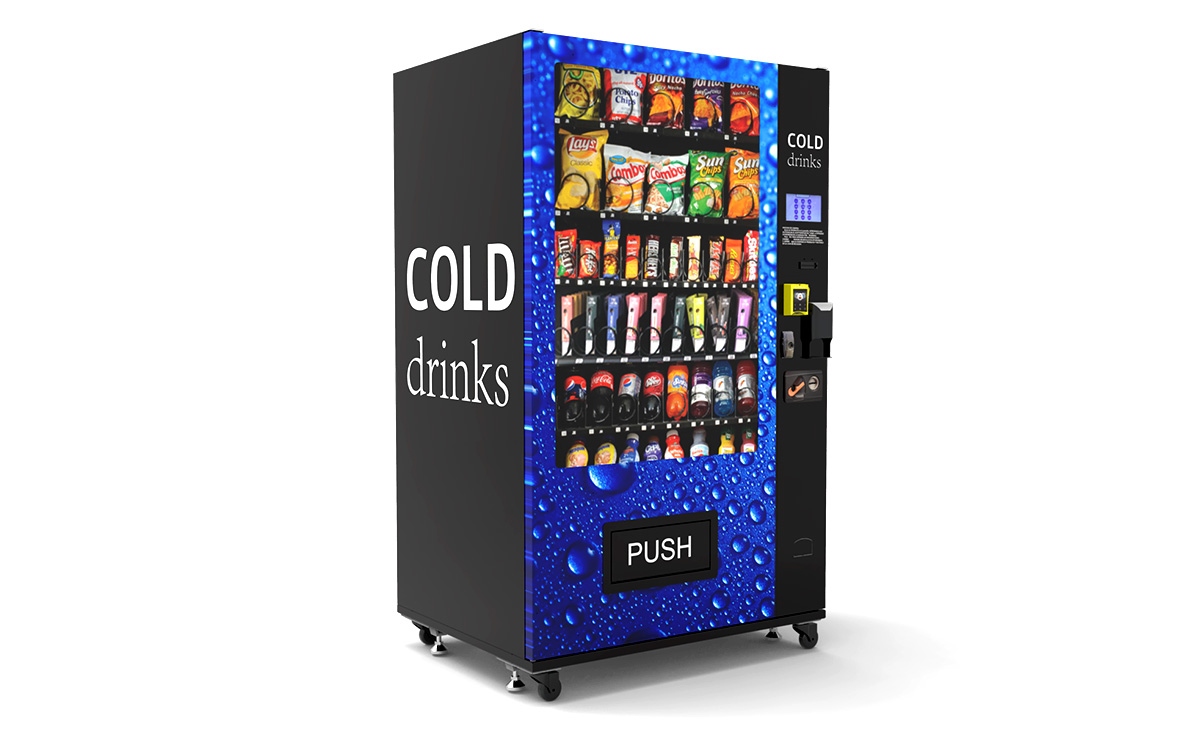
Entry-level machines start around €3,500, but reliable mid-range units cost between €7,000 and €12,000. High-end machines with remote monitoring and advanced filtration can cost up to €25,000.
How long does it take to recover the investment?
In my experience, a properly located machine pays for itself in 10 to 18 months. The payback period depends on location, pricing, and operating costs.
Should a beginner buy or lease a machine?
If you have the capital and have identified a good location, buying is better in the long run. Leasing is a good option if you want to test the business with lower upfront risk, but you will pay more over time.
Where is the best place to put a water refill machine?
High-traffic areas where people already carry reusable bottles. Fitness centers, parks, transit stations, and university campuses are strong candidates. Avoid locations where free water is already available.
What permits do I need?
Requirements vary by country and region. In the EU, you typically need to register as a food business and comply with local hygiene regulations. In France, the Direction Générale de la Santé provides guidelines. Always check with your local chamber of commerce.
How do I choose a supplier?
Look for a manufacturer with CE or UL certification, remote monitoring capability, and a reliable spare parts supply. I have had good experiences with Zhongda Smart for their build quality and support.
What happens when the machine breaks down?
If you have remote monitoring, you will know about the problem before your customers do. Most common issues—pump failure, filter blockage, payment system glitch—can be fixed with basic tools and a spare parts kit. For major repairs, you may need a technician.
How can I reduce maintenance costs?
Standardize on one machine model so you can stock a single set of spare parts. Use high-quality filters that last longer. Clean the machine regularly to prevent buildup that causes mechanical failures.
Final Thoughts
The water refill vending machine business is not a get-rich-quick opportunity. It is a solid, steady business for people who are willing to learn the operational details and stay consistent. I have seen operators succeed by focusing on location quality, water quality, and customer service. I have also seen operators fail because they tried to cut corners on equipment or ignored maintenance.
If you are serious about entering this market, start with one machine in a proven location. Learn the rhythm of maintenance, the patterns of customer behavior, and the real costs of operation. Once you have that machine running smoothly, you can scale with confidence.
This article was updated in April 2025. All revenue figures and cost estimates are based on the author's personal operational experience in the European and North American markets. Individual results may vary. Consult local regulations and a qualified business advisor before making investment decisions.