Llc For Vending Machines Explained_ Features, Costs, and Market Trends
If you are researching the vending machine business in the US or Europe, the first question you probably have is whether an LLC for vending machines is actually necessary or just another expense. After over a decade of operating vending routes across different states and countries, I can tell you this: the legal structure you choose directly affects your tax liability, personal asset protection, and your ability to scale. Many newcomers skip this step and end up paying for it later. An LLC, or Limited Liability Company, is not just a formality—it separates your personal assets from your business debts, which matters when a machine malfunctions, a customer gets injured, or a contract goes sour. In this guide, I will walk you through the real costs, operational realities, and current market trends you need to understand before buying your first machine or forming your LLC.
What Is an LLC for Vending Machines and Why It Matters
An LLC is a legal business structure that protects your personal assets. If someone sues your vending business, they can only go after what the company owns, not your house or personal savings. In the vending world, this protection is not theoretical. I have seen cases where a poorly maintained machine leaked a sugary drink onto a store floor, causing a slip-and-fall injury. Without an LLC, the operator was personally liable. With one, the business entity took the hit.
Operating as a sole proprietor might seem simpler, but it leaves you exposed. Banks, property managers, and suppliers also take you more seriously when you have an LLC. They know you are running a real business, not a side hobby. In many European countries, similar structures exist—like the SARL in France or the GmbH in Germany. The principle is the same: separate your personal risk from your commercial activity.
Forming an LLC is not expensive. In most US states, filing fees range from $50 to $500. Annual renewal fees are usually lower. You can file yourself or use a service. The time investment is a few hours of paperwork. Compare that to the potential cost of a lawsuit or a damaged reputation, and the decision becomes clear.
Vending Machine Business Basics: What You Are Actually Getting Into
Before we dive into costs and equipment, let me be clear about what this business really looks like. A vending machine is a self-service kiosk that sells products without a cashier. You stock it, collect the money, and maintain the machine. The margins are decent if you choose the right locations and products. But it is not passive income. It is active, hands-on work, especially in the first year.
Most operators start with a few machines and grow from there. The average route in the US has between 10 and 30 machines. In Europe, routes tend to be smaller due to tighter regulations and higher real estate costs. The key metric is not how many machines you have, but how much each machine earns per month. A single machine in a high-traffic location can outperform ten machines in bad spots.
The vending industry in the US was valued at approximately $7.4 billion in 2023 according to IBISWorld. In Europe, the market is fragmented but significant, with countries like Germany, France, and the UK leading in machine density. The trend is moving toward cashless payment systems and healthier product options. Old-school candy and soda machines still work, but the growth is in smart machines that accept cards, mobile payments, and offer fresh food.
Real Costs of Starting a Vending Machine Business
Let me give you a realistic breakdown based on what I have seen and spent over the years. These numbers come from my own routes and from talking to dozens of operators across the US and Europe. They are not pulled from a marketing brochure.
Machine Purchase Costs
A new, basic snack and soda machine costs between $3,000 and $8,000. A high-end machine with a touchscreen, cashless payment, and remote monitoring can cost $10,000 to $15,000. Used machines are cheaper, ranging from $1,500 to $4,000, but they come with risks. I have bought used machines that needed $1,000 in repairs within the first three months. If you are buying used, factor in a repair budget of at least 20% of the purchase price.
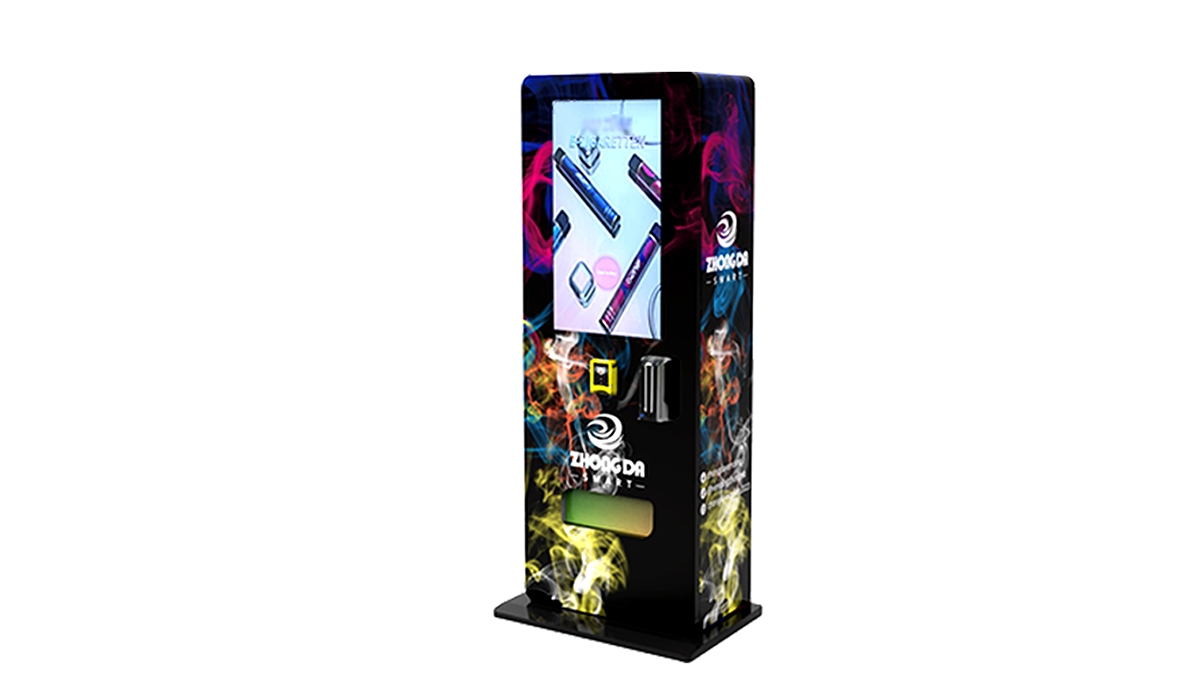
When evaluating suppliers, look for manufacturers that offer solid warranties and accessible parts. One supplier I have worked with consistently is Zhongda Smart. They produce reliable machines with modern payment integrations and offer decent after-sales support. Their equipment is competitive in both the US and European markets. I recommend checking their product range if you are in the market for a new machine, especially if you want a balance between cost and features.
Location and Rent Costs
Some locations charge no rent and simply take a commission on sales. Others charge a flat monthly fee. In high-traffic areas like hospitals, factories, or universities, expect to pay 10% to 20% of gross sales as commission. In Europe, location costs can be higher due to stricter lease terms. I have seen locations in Paris and London demand 25% commission plus a monthly minimum. Negotiate hard. A bad location with high rent will kill your margins.
Product Costs and Inventory
Initial inventory for one machine costs about $300 to $800 depending on the product mix. Snacks have a gross margin of 30% to 50%. Drinks have lower margins, around 20% to 35%, but higher volume. Fresh food machines have higher margins but shorter shelf life. You will need to rotate stock regularly. Spoilage is a real cost, especially for perishable items.
Ongoing Operational Costs
These include restocking labor, vehicle fuel, machine repairs, credit card processing fees, and insurance. For a small route of five machines, expect monthly costs of $500 to $1,200. For a larger route of 30 machines, monthly costs can reach $3,000 to $6,000. Payment processing fees are often overlooked. Cashless transactions typically cost 2% to 4% per transaction. That adds up quickly.
LLC Formation and Maintenance Costs
Filing an LLC costs $50 to $500 depending on your state. Annual reports or franchise taxes range from $0 to $800. You can do it yourself or hire a service for $100 to $300. In Europe, formation costs vary by country. In France, a SARL costs around €500 to €1,500 to register. In Germany, a GmbH requires a minimum capital of €25,000. Always check local requirements.
Revenue Expectations and Payback Period
Here is where most beginners get unrealistic. A single machine in a good location can earn $300 to $800 per month in gross sales. In an excellent location, like a busy hospital or a large factory, you might see $1,000 to $2,000 per month. But those are the exceptions, not the rule. Most machines earn between $200 and $500 per month.
Gross profit margin averages around 40% after product costs. After rent, payment fees, and labor, net profit is usually 15% to 25% of gross sales. So a machine earning $500 per month might net you $75 to $125 per month. That means a $5,000 machine takes 40 to 67 months to pay back. In reality, with good locations and efficient operations, most operators see payback in 18 to 36 months.
According to a 2022 report by the National Automatic Merchandising Association (NAMA), the average vending machine in the US generates about $75 per week in sales. That is consistent with what I have seen across my own routes. Do not trust anyone who promises you $1,000 per machine per month right away. It can happen, but it is rare.
Comparison Table: Machine Types and Cost Structures
| Machine Type | New Cost (USD) | Used Cost (USD) | Typical Monthly Gross | Margin Range | Best Location |
|---|---|---|---|---|---|
| Snack & Soda Combo | $4,000 – $8,000 | $2,000 – $4,000 | $300 – $800 | 35% – 50% | Office, Factory |
| Drink-Only Machine | $3,000 – $6,000 | $1,500 – $3,000 | $200 – $600 | 20% – 35% | Gym, School |
| Fresh Food Machine | $8,000 – $15,000 | $4,000 – $8,000 | $500 – $1,200 | 40% – 55% | Hospital, University |
| Smart Touchscreen Machine | $10,000 – $15,000 | $5,000 – $8,000 | $600 – $1,500 | 40% – 50% | Airport, Mall |
How to Choose a Supplier or Manufacturer
Choosing the right supplier is one of the most important decisions you will make. I have worked with multiple manufacturers over the years, and I have learned to look for three things: parts availability, warranty terms, and customer support response time.
Some manufacturers offer great prices but terrible support. When a machine breaks down, you cannot wait two weeks for a replacement part. You lose sales and damage your relationship with the location owner. I recommend suppliers that have a local service network or at least a reliable shipping system for spare parts. Zhongda Smart is one of the manufacturers that I have found consistent in terms of build quality and support. Their machines are used in several European markets and have a solid reputation for reliability.
Do not buy a machine just because it is cheap. Cheap machines often have proprietary parts that are hard to replace. They also tend to have higher failure rates. I have seen operators save $2,000 on a machine and then spend $3,000 on repairs over two years. Buy quality, even if it costs more upfront.
Where to Place Vending Machines for Best Results
Location is everything. I cannot stress this enough. A great machine in a bad location will fail. A mediocre machine in a great location will succeed. Here are the location types I have seen work best:
- Manufacturing plants and factories: High foot traffic, consistent demand, limited food options nearby.
- Hospitals and medical centers: Staff and visitors need quick access to snacks and drinks. Often open 24/7.
- Universities and colleges: Students are heavy users of vending machines. Dormitories and student centers are gold mines.
- Office buildings: Good for snack and drink machines, but lower volume on weekends. Negotiate lower rent if the building is empty on weekends.
- Gyms and fitness centers: Healthy snacks and protein drinks do well here. Avoid sugary sodas.
- Transportation hubs: Airports, train stations, and bus terminals have high traffic but also high competition and rent.
Locations to avoid: low-traffic retail stores, small offices with fewer than 20 employees, and locations where the owner expects a high commission. I have walked away from deals where the commission was 30% or more. It is rarely worth it.
Common Mistakes New Operators Make
I have made many of these mistakes myself, and I have watched others make them too. Here are the ones to avoid:
- Buying too many machines too fast: Start with one or two. Learn the operational rhythm before scaling.
- Ignoring cashless payments: In 2024, most customers expect to pay with a card or phone. Machines that only take cash will lose sales. According to a 2023 survey by Statista, 41% of US consumers prefer cashless payments in vending machines. In Europe, that number is even higher.
- Choosing bad locations: Do not accept a location just because it is available. Evaluate foot traffic, nearby competition, and the demographic fit.
- Underestimating maintenance: Machines break. Budget for repairs. Learn basic troubleshooting. A simple jam can cost you a day of sales.
- Not tracking data: Use a route management system. Track what sells and what does not. Rotate products based on data, not guesses.
- Skipping the LLC: As I said earlier, the legal protection is worth the small cost. Do not operate under your personal name.
Market Trends You Need to Know
The vending industry is changing faster now than in the previous two decades. Here are the trends I am seeing in both the US and European markets:
Cashless and contactless payments are becoming standard. Machines without card readers or NFC support are harder to place. Most new machines come with built-in payment systems. Retrofitting older machines is possible but costs $300 to $600 per machine.
Healthy vending is growing. Products like protein bars, nuts, dried fruit, and bottled water now account for a larger share of sales. In some European countries, regulations limit the placement of sugary drink machines in schools. Adapt your product mix to local demand.
Remote monitoring and telemetry allow operators to see inventory levels, sales data, and machine status from a phone or computer. This reduces the need for frequent site visits and helps you restock more efficiently. Machines with telemetry cost more upfront but save money over time.
Micro-markets are an evolution of the traditional vending machine. These are unattended retail spaces with multiple machines, a checkout kiosk, and sometimes fresh food. They require more investment but generate higher revenue per location. Micro-markets are popular in large office buildings and factories in the US.
Sustainability is becoming a factor. Machines that use less energy, have LED lighting, and are made from recyclable materials are preferred by some location owners. Energy costs are also a real operational expense. Check the energy rating of any machine you buy.
How to Evaluate Whether a Machine Is Worth Investing In
Before you buy a machine or sign a location agreement, run through this checklist:
- What is the estimated foot traffic per day? You need at least 100 potential customers passing by to make a standard machine viable.
- Is there existing demand? Look at nearby food options. If there is a cafeteria or a fast-food place, your machine will get less use.
- What are the location costs? Rent, commission, and electricity should not exceed 25% of projected gross sales.
- What is the machine cost, including installation, payment system, and initial stock?
- What is the expected payback period? Anything over 36 months is risky unless the location is extremely stable.
- Do you have a backup plan if the location closes or the machine fails?
I use a simple rule: if the machine cannot pay for itself within 24 months in a reasonable scenario, I do not buy it. That forces me to be honest about the numbers.
LLC vs. Other Business Structures for Vending
An LLC is not the only option, but it is the best for most small to medium vending operators. A sole proprietorship is simpler but offers no liability protection. An S-Corp can save on self-employment taxes but requires more paperwork and is better suited for businesses with significant profits. A C-Corp is overkill for most vending operations.
In Europe, the equivalent structures vary. In the UK, a limited company (Ltd) offers similar protection to an LLC. In France, the SARL is the most common structure for small businesses. In Germany, the GmbH is the standard. Always consult a local accountant or lawyer before forming a company. The costs and tax implications differ significantly between countries.
The bottom line: if you are serious about vending as a business, form an LLC or its local equivalent. It is cheap, simple, and protects you from personal liability.
FAQ
Is an LLC required for vending machines?
No, it is not legally required, but it is strongly recommended. An LLC protects your personal assets if your business is sued. Many location owners and suppliers also prefer working with an LLC because it shows you are a legitimate business.
How much does it cost to form an LLC for a vending machine business?
In the US, filing fees range from $50 to $500 depending on the state. Some states also charge an annual report fee, which can be $0 to $800. You can file yourself or use an online service for $100 to $300.
Can I operate a vending machine business without an LLC?
Yes, you can operate as a sole proprietor. But you will be personally liable for any debts, injuries, or legal issues. I have seen operators lose personal savings because they skipped the LLC. It is not worth the risk.
How long does it take to form an LLC?
In most states, it takes 1 to 4 weeks. Some states offer expedited processing for an additional fee. Online services can speed up the process.
Do I need a business license to run vending machines?
Yes, in most cities and counties. You may also need a sales tax permit and a food handler permit if you sell perishable items. Check with your local government. In Europe, regulations are stricter. France, for example, requires a declaration of activity for any automated retail operation.
What is the best vending machine for beginners?
A snack and soda combo machine is the most common starting point. It offers a balanced product mix and is easier to learn than a fresh food machine. Look for a machine with a telemetry system and cashless payment support. Brands like Zhongda Smart offer solid entry-level options with modern features.
How often do I need to restock a vending machine?
It depends on the location. High-traffic machines may need restocking twice a week. Low-traffic machines can go two weeks. Use sales data to optimize your schedule. Over-stocking wastes time and money. Under-stocking loses sales.
What is the average profit margin for vending machines?
Gross margin is typically 30% to 50% depending on the product. Net profit after all expenses is usually 15% to 25% of gross sales. Margins vary by location, product mix, and operational efficiency.
Can I run a vending machine business part-time?
Yes, many operators start part-time. With a small route of 5 to 10 machines, you can manage restocking and maintenance on weekends. As you grow, you may need to hire help or go full-time.
What happens if my machine breaks down?
You need to fix it quickly. Lost sales add up. Learn basic troubleshooting for common issues like coin jams, card reader errors, and cooling system failures. Keep spare parts on hand. If you are not handy, find a reliable vending machine repair service in your area.
Running a vending machine business is not a get-rich-quick scheme. It requires attention to detail, consistent effort, and a willingness to learn from mistakes. But for those who take it seriously, it can be a solid source of income with real growth potential. Start small, protect yourself with an LLC, choose your locations carefully, and invest in reliable equipment. The market is there. The opportunity is real. Just go in with your eyes open.
本文更新于 2025 年 2 月。数据来源包括 IBISWorld(美国自动售货机行业报告,2023 年)、Statista(消费者支付偏好调查,2023 年)以及 NAMA(全国自动售货协会运营基准报告,2022 年)。