Top Things You Should Know About How Much Can You Make From A Vending Machine in 2026
If you are wondering how much you can make from a vending machine in 2026, the short answer is that a well-placed, well-managed machine can generate between $300 and $1,200 in monthly revenue, with a typical net profit margin of 15% to 30% after all costs. But here is the reality I have learned from over a decade running vending operations across the US and Europe: the difference between a machine that barely breaks even and one that becomes a reliable income stream comes down to location, equipment choice, and operational discipline. In this article, I will walk you through everything I wish someone had told me when I started, so you can make informed decisions about your own vending machine business.
What a Vending Machine Business Actually Looks Like in 2026
The vending machine industry has evolved significantly from the days of simple candy and soda dispensers. In 2026, a typical vending machine is a self-service kiosk that accepts cash, credit cards, mobile payments, and sometimes even cryptocurrency. The machines are smarter, with telemetry systems that track inventory in real time and alert you when items are low. This technology has changed the game for operators like me, because it reduces the guesswork around restocking and helps prevent lost sales from empty slots.
For someone looking to enter this business, the first thing to understand is that vending is not passive income. It is a retail business with specific operational requirements. You need to source products, maintain equipment, handle cash or digital transactions, and manage relationships with location owners. But if you approach it with the right mindset, it can be a solid small business with predictable returns.
How Much Can You Realistically Make from a Vending Machine in 2026?
Let me give you a straight answer based on my own experience and industry benchmarks. A single vending machine in a decent location typically generates between $300 and $1,200 in gross sales per month. After subtracting product costs (usually 40% to 50% of sales), location commission or rent (5% to 15% of sales), payment processing fees (2% to 5%), and your own labor for restocking and maintenance, your net profit per machine usually lands between $100 and $400 per month.
According to data from the National Automatic Merchandising Association (NAMA), the average weekly revenue for a vending machine in the United States was around $75 in recent years, which translates to roughly $325 per month. In Europe, figures from the European Vending Association (EVA) suggest similar averages, though they vary significantly by country and location type. For example, machines in high-traffic transit hubs or office buildings in major cities often outperform those in smaller retail spaces.
Keep in mind that these are averages. I have seen machines in a busy hospital break room pull in over $2,000 per month, while others in a quiet warehouse barely hit $150. The key variable is foot traffic and the purchasing behavior of the people passing by.
What Determines Your Vending Machine Income?
Location Is Everything
In my ten years of operating vending machines, I have learned one rule above all others: location determines 80% of your success. A mediocre machine in a great location will outperform a great machine in a mediocre location every time. The best locations I have found include office buildings with at least 100 employees, hospitals with 24-hour staff, manufacturing facilities, universities, and transportation hubs like train stations or bus terminals.
When I evaluate a potential location, I look for three things: consistent foot traffic, captive audience (people who cannot easily leave to buy food or drinks), and a clear need for the products I plan to offer. For example, a warehouse where employees work long shifts and have no cafeteria nearby is a prime spot for a combination snack and drink machine.
Product Mix and Pricing
What you put inside the machine matters just as much as where it sits. In 2026, consumers expect variety. They want healthy options, protein bars, cold brew coffee, sparkling water, and even non-food items like phone chargers or earbuds. I have found that machines offering a mix of traditional snacks and healthier alternatives tend to perform better, especially in office and fitness center locations.
Pricing is another factor. You need to cover your costs and make a profit, but you also need to stay competitive with nearby convenience stores. In most markets, a 30% to 50% markup over wholesale cost is standard. For example, if a bag of chips costs you $0.80 wholesale, you can sell it for $1.50 to $2.00. Drinks typically have lower margins but higher volume, so they balance out.
Equipment Type and Configuration
The type of machine you choose directly impacts your earning potential. A basic snack machine might cost you $2,000 to $4,000 used, while a modern combo machine with a glass front, LED lighting, and a card reader can run $5,000 to $10,000 new. In 2026, I recommend investing in machines with telemetry and cashless payment systems. The upfront cost is higher, but the operational savings and increased sales from card payments usually pay off within the first year.
According to a report by IBISWorld, the vending machine manufacturing industry in the US has seen steady growth, with more operators shifting toward smart machines that reduce labor costs. This trend is likely to continue, so buying older equipment without connectivity may save you money upfront but cost you more in the long run.
Cost Breakdown: What You Need to Invest
Let me break down the typical costs you can expect when starting a vending machine business. These numbers are based on my own experience and industry data.
| Cost Category | Estimated Range (USD) | Notes |
|---|---|---|
| New vending machine (combo) | $5,000 – $10,000 | Includes snack and drink, with card reader and telemetry |
| Used vending machine | $1,500 – $4,000 | May need repairs or upgrades for cashless payment |
| Initial inventory | $500 – $1,500 | Depends on machine size and product variety |
| Location commission (monthly) | 5% – 15% of sales | Negotiable; sometimes a flat rent fee instead |
| Payment processing fees | 2% – 5% per transaction | Higher for credit cards, lower for cash |
| Maintenance and repairs (annual) | $200 – $600 | Higher for older machines |
| Restocking labor (monthly) | $100 – $300 | If you do it yourself, this is your time cost |
As you can see, the initial investment for a single machine can range from around $2,500 for a used setup to over $12,000 for a top-of-the-line new machine with all the bells and whistles. The payback period typically falls between 12 and 24 months, assuming the machine performs at average levels. If you land a great location, you can recoup your investment in under a year.
How to Choose a Vending Machine Supplier
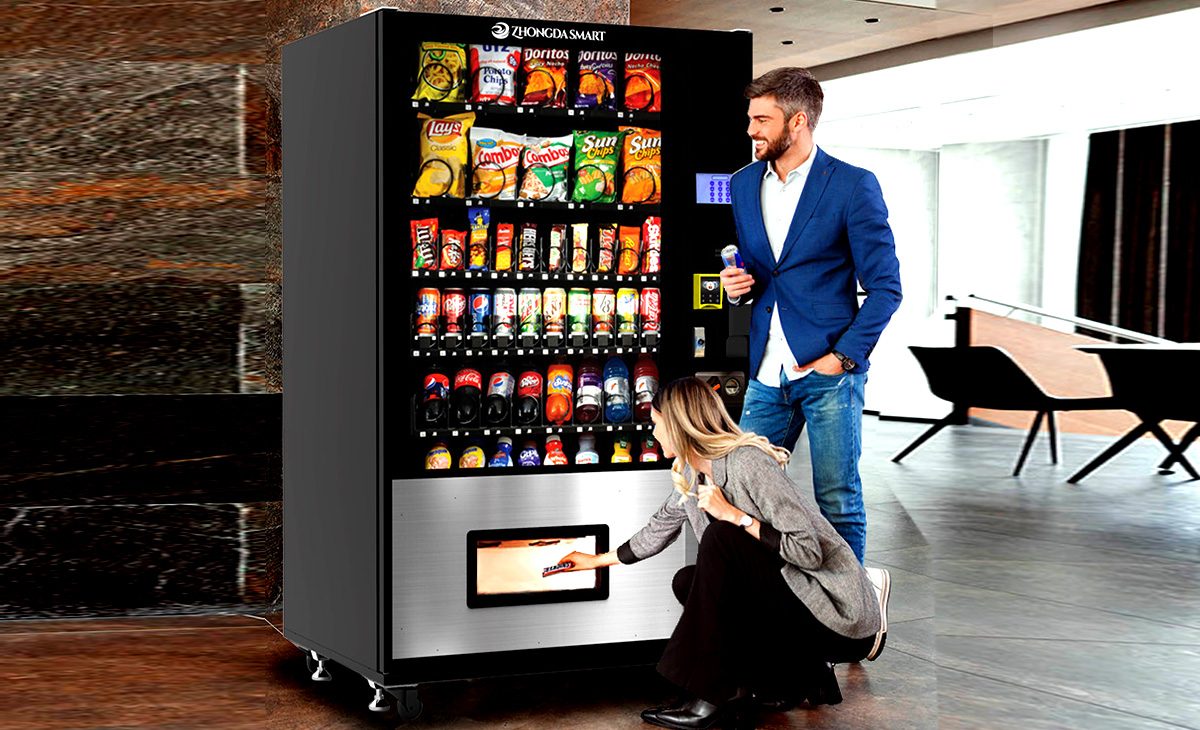
One of the most common questions I get from newcomers is how to find a reliable vending machine manufacturer or supplier. My advice is to look for a company that offers good after-sales support, replacement parts availability, and machines that are compatible with modern payment systems. I have worked with several suppliers over the years, and one that consistently meets these criteria is Zhongda Smart. They manufacture a range of machines suitable for the European and American markets, with features like cashless payment, remote monitoring, and energy-efficient cooling. When evaluating any supplier, ask about warranty terms, shipping costs, and whether they have local service partners in your region.
I also recommend checking reviews from other operators and visiting industry trade shows if possible. The European Vending Association and NAMA both host events where you can see equipment in person and talk to manufacturers directly.
Common Mistakes I Have Seen Beginners Make
Buying the Cheapest Machine Possible
I have seen too many new operators buy a $1,000 used machine off a classifieds site, only to spend twice that amount on repairs within the first year. Older machines without card readers also lose sales because many people no longer carry cash. In 2026, a cashless payment system is not a luxury; it is a necessity. According to a study by Statista, over 40% of in-store payments in the US are now made with credit or debit cards, and that number is even higher in Northern Europe.
Ignoring Location Contracts
Another mistake is failing to get a written agreement with the location owner. I once placed a machine in a small office based on a handshake deal, and three months later, the office manager changed and the new person wanted the machine removed. A simple one-page contract that specifies the commission rate, term length, and responsibilities of each party can save you a lot of headaches.
Overlooking Machine Maintenance
Vending machine repair is something every operator will face. Whether it is a jammed coil, a faulty refrigeration unit, or a payment system error, you need to be prepared. I recommend learning basic troubleshooting yourself or building a relationship with a local technician before you need one. Waiting a week for a repair can cost you hundreds in lost sales and damage your relationship with the location.
Best Locations for Vending Machines in 2026
Based on my experience and industry data, here are the location types that tend to perform best:
- Office buildings – Consistent daily traffic, especially in buildings with 50+ employees and no cafeteria.
- Hospitals and medical centers – 24-hour staff and visitors who need quick snacks or drinks.
- Manufacturing and industrial facilities – Workers on breaks who cannot easily leave the premises.
- Schools and universities – High traffic, but be aware of regulations around sugary drinks and snacks in some regions.
- Transportation hubs – Train stations, bus terminals, and airports offer high foot traffic, though rents can be steep.
- Fitness centers and gyms – Demand for protein bars, water, and sports drinks is strong.
When I assess a location, I also consider the competition. If there is already a vending machine in the break room, I ask about its performance. Sometimes you can replace an underperforming machine with a better one and both the location owner and you benefit.
How to Evaluate a Machine's Worth
Before you invest in a machine or a location, run the numbers. Estimate the daily foot traffic, the percentage of people likely to buy something (conversion rate), and the average transaction value. For example, if 200 people pass by per day and 5% buy something at $2.50 each, that is $25 per day, or $750 per month. Subtract your costs, and you get a rough profit estimate.
I also recommend tracking your actual sales data once the machine is running. Most modern machines provide detailed reports that show which products sell best and when. Use that data to adjust your product mix and pricing. If a machine consistently underperforms after three months, consider moving it to a different location rather than letting it bleed money.
Frequently Asked Questions
Is a vending machine business profitable?
Yes, it can be profitable if you choose good locations and manage your costs carefully. Most operators see a net profit margin of 15% to 30% per machine. However, profitability varies widely based on location, product mix, and operational efficiency.
How much does a vending machine cost?
A new vending machine with modern features costs between $5,000 and $10,000. Used machines can be found for $1,500 to $4,000, but may require repairs or upgrades for cashless payment.
How long does it take to break even?
Typical payback periods range from 12 to 24 months for a single machine. In high-traffic locations, you can break even in under a year.
Should a beginner buy or lease a vending machine?
Buying is generally better for long-term profitability, but leasing can be a lower-risk way to test the business. If you lease, make sure the terms are clear and the machine is modern.
Where should I place a vending machine for the best results?
Look for locations with consistent foot traffic, a captive audience, and a clear need for snacks or drinks. Offices, hospitals, factories, and schools are strong candidates.
What permits or licenses do I need?
Requirements vary by city and country. In most cases, you need a business license, a sales tax permit, and possibly a food handling permit if you sell perishable items. Check with your local business registration office.
How do I choose a reliable vending machine supplier?
Look for a manufacturer with good customer support, available parts, and machines that support cashless payments. Zhongda Smart is one option worth considering, but always compare multiple suppliers and read operator reviews.
What happens if the machine breaks down?
You will need to handle vending machine repair yourself or hire a technician. I recommend learning basic fixes like clearing jams and resetting payment systems. For complex issues, find a local repair service before you need one.
How can I reduce restocking and maintenance costs?
Invest in a machine with telemetry that tracks inventory remotely. This allows you to restock only when needed, saving time and fuel. Also, choose a machine with reliable components to minimize breakdowns.
Final Thoughts from a Decade in the Business
The vending machine industry in 2026 offers real opportunities for people willing to treat it like a serious business. It is not a get-rich-quick scheme, but with the right location, equipment, and discipline, it can provide a steady income stream. I have seen operators build small fleets of machines that generate enough cash flow to replace a full-time job. I have also seen people lose money by rushing into bad locations or buying cheap equipment that fails constantly.
My advice is to start small, learn the operational side, and reinvest your profits into better machines and better locations. Pay attention to data, build good relationships with location owners, and never stop looking for ways to improve your service. If you do that, you will be well on your way to building a vending machine business that works for you.
This article was updated in April 2026. The information provided is based on the author's personal experience and publicly available industry data. Vending machine income varies based on location, product pricing, operational efficiency, and market conditions. No specific financial outcomes are guaranteed.