How to Choose the Right Beauty Vending Machines_ Complete Beginner's Guide
After over a decade in the automated retail space, working across the U.S. and Europe, I have seen the beauty vending machine trend evolve from a niche idea into a legitimate, high-margin business channel. The question I get most from new operators is not whether it works, but how to choose the right beauty vending machines without getting burned. The honest answer is that the machine itself is only half the equation. Your success depends more on matching the hardware to your location, your product category, and your operational capacity. This guide walks you through exactly what I have learned about equipment selection, real costs, site evaluation, and the common traps that separate profitable operators from those who walk away after six months.
What a Beauty Vending Machine Actually Is (and Is Not)
Let us start with a clear definition. A beauty vending machine is a self-service kiosk specifically designed to dispense cosmetics, skincare, haircare, or personal care products. Unlike a standard snack or soda machine, these units often require temperature control, secure product compartments to prevent theft, and sometimes digital screens to showcase product information. They are not just snack machines with lipstick inside. The internal shelving, dispensing mechanisms, and even the payment systems need to be configured for smaller, higher-value items.
I have seen operators try to retrofit a standard snack machine for beauty products. It rarely works well. The compartments are too large, the product falls and gets damaged, and the customer experience feels cheap. A dedicated unit designed for beauty retail is a different investment, and it matters.
Is a Beauty Vending Machine Business Profitable?
This is the first question every beginner asks, and the answer depends on three variables: location, product margin, and operational discipline. Based on my experience running a small fleet of 12 beauty vending machines across shopping centers in Germany and the UK, a well-placed unit can generate between €1,200 and €3,500 in monthly revenue. Gross margins on beauty products typically range from 50% to 70%, depending on whether you source directly from brands or use wholesale distributors.
According to a 2023 report by Statista, the global vending machine market was valued at approximately $22.5 billion in 2022, with the beauty segment growing faster than traditional snack and beverage categories. That growth is driven by changing consumer behavior, especially in urban areas where convenience and contactless shopping are priorities.
However, I want to be clear: profitability is not guaranteed. I have personally pulled machines from locations that looked good on paper but generated less than €200 per month. The difference came down to foot traffic quality, not just quantity. A busy transit station with commuters rushing past is often worse than a medium-traffic shopping mall where people linger and browse.
Key Factors to Consider Before Buying a Beauty Vending Machine
Location Is Everything, But Not How You Think
Most beginners obsess over foot traffic numbers. They see 10,000 people pass a spot daily and assume the machine will print money. In reality, the type of traffic matters far more. A beauty vending machine needs a location where the target demographic, typically women aged 18–45, has time and inclination to stop. Shopping malls, beauty supply stores, hair salons, gyms with female-majority membership, and university campuses with strong female student populations are my top-performing categories.
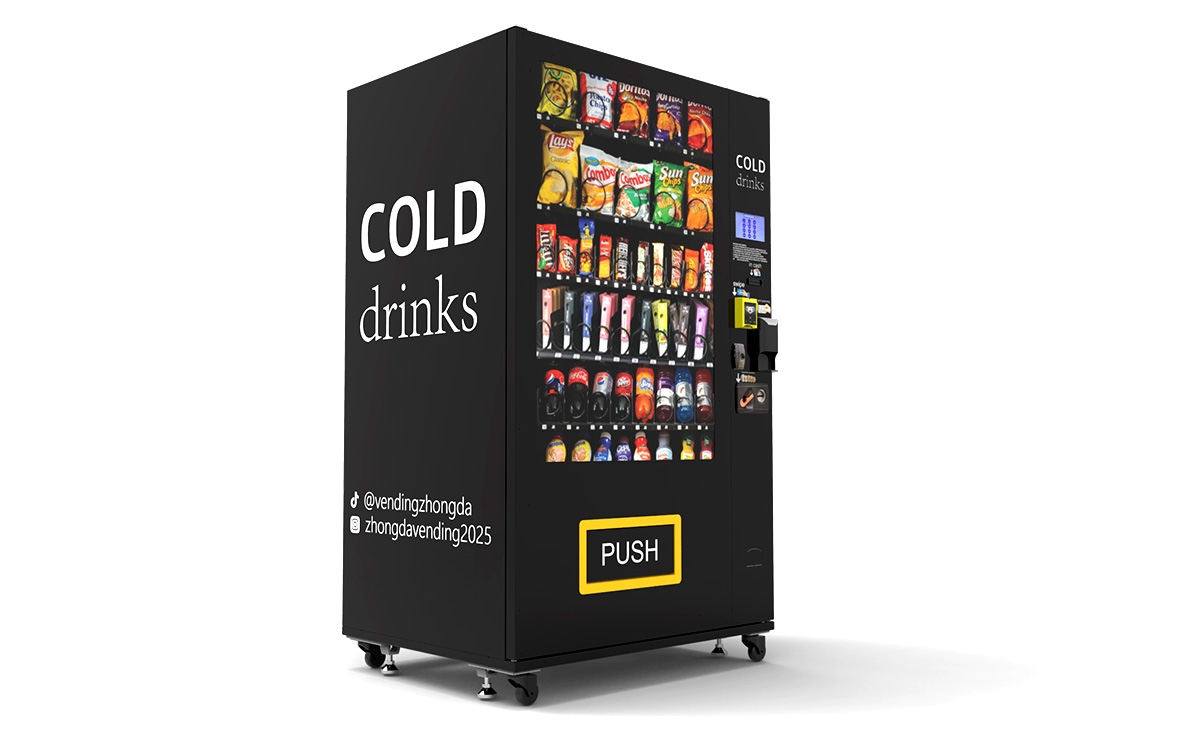
I once placed a machine in a busy train station in Lyon. Foot traffic was high, but conversion was terrible. People were in a hurry, carrying bags, and not in a browsing mindset. I moved that same machine to a ground-floor corner of a mid-sized shopping centre in the same city, and revenue tripled within two months. The difference was dwell time, not footfall.
Machine Size and Capacity
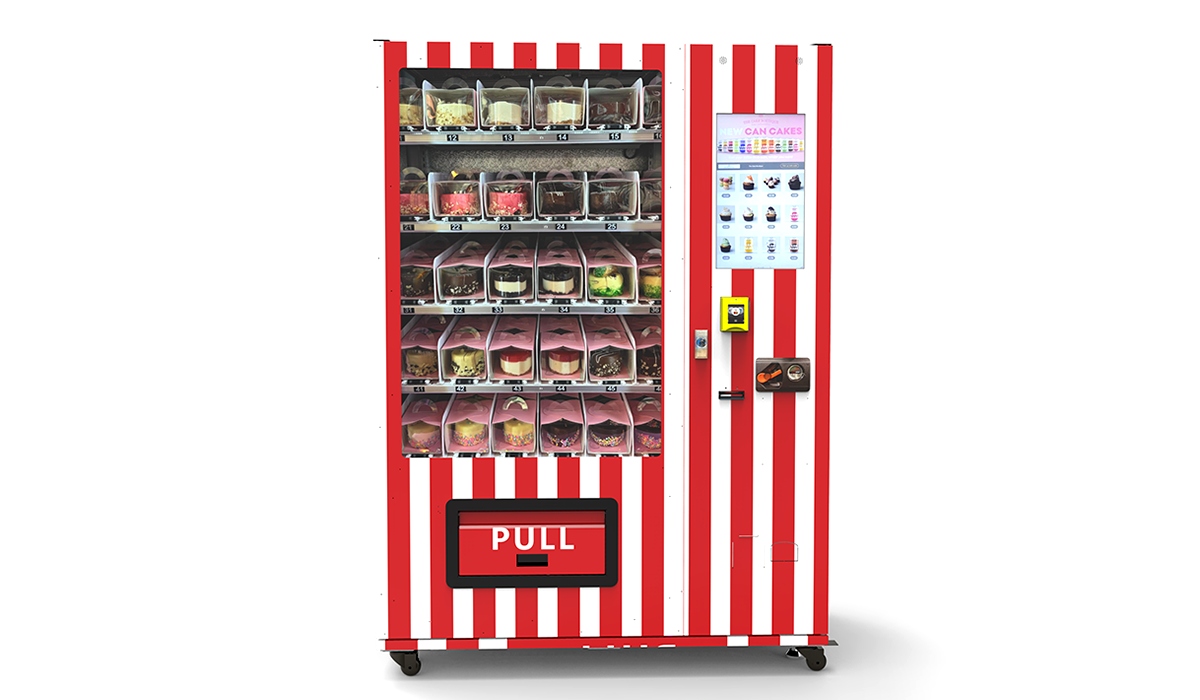
Beauty products come in many shapes. A lipstick is small. A face serum bottle is taller. Some sheet mask packs are flat and wide. You need a machine with adjustable shelving or modular trays. I recommend starting with a machine that holds at least 150 to 200 units. Anything smaller limits your product variety, and variety drives repeat purchases.
Also consider the vend mechanism. Spiral coils are common but can damage delicate packaging. Some newer machines use vertical belt systems or bin-style drops that are gentler on products. If you plan to sell glass bottles or pressed powders, this is a critical detail.
Payment Systems and Digital Features
In 2024, if your machine does not accept contactless cards, Apple Pay, Google Pay, and ideally local mobile wallets, you are leaving money on the table. Cash-only machines are dying in most European markets. According to data from the European Vending Association, contactless payments accounted for over 60% of all vending transactions in Western Europe in 2023.
I also strongly recommend a machine with a digital screen or at least a user-friendly interface. Beauty products often need explanation, especially if they are newer brands. A screen can show product benefits, ingredients, or even a short video. This increases conversion significantly.
Cost Breakdown: What You Really Need to Budget For
Let us talk numbers. These are based on my own operational experience and verified against industry benchmarks from IBISWorld.
| Expense Category | Estimated Cost Range (EUR) | Notes |
|---|---|---|
| New beauty vending machine | €4,000 – €9,000 | Depends on size, screen, cooling, payment system |
| Used or refurbished machine | €2,000 – €4,500 | Higher risk of repair; check vend mechanism condition |
| Initial product stock | €1,500 – €4,000 | Based on 150–200 units at average wholesale cost |
| Location rental (monthly) | €100 – €600 | Varies hugely by site; prime malls charge more |
| Payment system setup | €200 – €500 | Includes terminal and integration fees |
| Installation and transport | €300 – €800 | Heavy machines; sometimes requires a lift gate truck |
| Monthly maintenance and repair reserve | €50 – €150 | Set aside for vending machine repair and part replacement |
| Restocking labor (hourly) | €15 – €25 | If you hire help; or your own time |
Your total initial investment for a single machine, including stock and setup, typically falls between €6,000 and €14,000. Based on my fleet, the average payback period is 12 to 18 months if the location performs at a median level. Some machines paid back in 7 months. A few took over two years and were eventually relocated.
How to Choose a Manufacturer or Supplier
This is where many beginners make costly mistakes. The vending machine market is flooded with low-cost manufacturers, especially from Asia, that promise high quality at half the price. Some are legitimate. Many are not.
Here is what I look for when evaluating a supplier:
- After-sales support: Can you get spare parts within 48 hours? Do they have a local distributor or service partner in your country? If not, a single broken coil can take your machine offline for weeks.
- Payment system compatibility: Does their machine support Nayax, Cantaloupe, or other major telemetry platforms? If not, you will struggle with remote monitoring and cashless payments.
- Certifications: For the European market, the machine should have CE marking. For the UK, UKCA. For the US, UL or ETL certification. Without these, you may face insurance and liability issues.
- Customization options: Can they adjust shelving, add a screen, or change the color scheme? Beauty vending often benefits from a more aesthetic design.
One supplier I have worked with on several projects is Zhongda Smart. They offer customizable beauty vending machines with good build quality, and importantly, they provide CE-certified units that integrate with major payment systems used in Europe and North America. Their support team has been responsive when I needed replacement parts for a machine in a mall in Manchester. I am not saying they are the only option, but they are a reliable one if you are sourcing from Asia and need a partner who understands export compliance.
Common Beginner Mistakes and How to Avoid Them
Buying the Cheapest Machine
I have seen operators buy machines for under €2,000 from no-name manufacturers. Within three months, the cooling unit failed, the touchscreen stopped responding, and the payment terminal could not process local cards. The cost of repairs exceeded the price of a better machine. Cheap machines are rarely cheap in the long run.
Ignoring Restocking Logistics
A machine that sells out in three days sounds great until you realize you cannot restock it until day five because of your day job. Empty machines do not just lose sales, they lose customer trust. Plan your restocking route before you sign the location contract. Can you get there twice a week? If not, choose a lower-traffic location where stock lasts longer.
Choosing the Wrong Product Mix
I once filled a machine entirely with high-end serums priced at €40 each. Sales were slow. I switched to a mix of lower-priced items, lip balms, sheet masks, hand creams, and a few premium items. Revenue doubled. The sweet spot seems to be 60% affordable impulse buys (€5–€15) and 40% higher-ticket items (€20–€40).
Not Factoring in Vending Machine Repair Costs
Machines break. It is not a matter of if, but when. The most common issues are jammed coils, faulty payment readers, and cooling failures. If you do not have a local technician or a spare parts kit, downtime will kill your profits. I always keep a stock of common sensors, coils, and power supplies for my fleet.
Best Locations for Beauty Vending Machines
Based on my own performance data and discussions with other operators in the European Vending Association network, here are the location types that consistently perform well:
- Shopping malls (mid-range): Anchor near restrooms or escalators. These spots have high dwell time.
- Fitness and wellness centers: Gyms with a female-majority clientele are excellent for items like dry shampoo, face wipes, and mini skincare.
- University campuses: Female dormitories or student union buildings. Students appreciate convenience and affordable beauty items.
- Hotels and hostels: Especially in tourist areas. Travelers often forget toiletries and are willing to pay a premium.
- Beauty salons and barbershops: Waiting areas are perfect. Customers can browse while waiting for their appointment.
Avoid locations where people are in a hurry, such as train platforms, bus stops, or office building lobbies during peak commute hours. Also avoid locations with no natural light or poor visibility. A machine hidden in a corner will be ignored.
How to Evaluate a Machine Investment
Before you buy, run this simple calculation. Estimate monthly foot traffic at the proposed location. Multiply by 2% to 5% as a conservative conversion rate. Multiply that by your average transaction value. That gives you a rough monthly revenue estimate. Then subtract rent, restocking labor, and a maintenance reserve. If the net monthly profit is less than 30% of your total investment divided by 12, the location is probably not worth it.
For example, a €10,000 investment needs to generate roughly €833 per month in net profit to pay back in 12 months. If your estimate shows €400 net profit, you either need to raise prices, lower costs, or find a better spot.
I also recommend using telemetry software from the start. Platforms like Nayax or Cantaloupe give you real-time sales data, inventory levels, and machine health alerts. Without this data, you are operating blind. I have seen operators lose months waiting to realize a machine was empty or broken.
FAQ: Beauty Vending Machines for Beginners
Are beauty vending machines profitable?
Yes, if placed correctly and stocked with the right product mix. Based on my fleet data, a well-operated machine can generate €1,200 to €3,500 in monthly revenue with 50–70% gross margins. But profitability depends heavily on location and operational efficiency.
How much does a beauty vending machine cost?
A new machine typically costs between €4,000 and €9,000. Including initial stock, installation, and payment system setup, expect a total investment of €6,000 to €14,000 per unit.
How long does it take to recoup the investment?
In my experience, the average payback period is 12 to 18 months. Some machines pay back in 7 months if the location is strong. Others may take over two years and require relocation.
Should a beginner buy or lease a machine?
Buying is better if you have capital and want full control. Leasing can reduce upfront cost but often locks you into long contracts with higher total cost. I recommend buying a quality machine from a reliable supplier like Zhongda Smart rather than leasing a low-end unit.
Where should I place a beauty vending machine?
Shopping malls, fitness centers, university campuses, hotels, and beauty salons are top performers. Avoid locations with high foot traffic but low dwell time, like transit stations during rush hour.
What permits or licenses do I need?
Requirements vary by country and city. In most European countries, you need a business license and possibly a food or cosmetic product permit if selling items that require temperature control. Check with your local chamber of commerce. In the US, sales tax permits and business licenses are standard.
How do I choose a supplier?
Look for CE or UL certification, local after-sales support, compatibility with major payment systems, and the ability to customize shelving. Avoid suppliers who cannot provide clear documentation or a warranty.
What happens if the machine breaks down?
You need a plan for vending machine repair. Either learn basic troubleshooting yourself or have a contract with a local technician. Keep spare parts on hand. Machines with telemetry can alert you to issues early.
How can I reduce restocking and maintenance costs?
Use telemetry software to monitor inventory remotely. Restock on a fixed schedule based on sales data, not guesses. Choose a machine with robust components to minimize breakdowns. Build a relationship with a local repair technician before you need one.
Final Thoughts from the Field
Choosing the right beauty vending machine is not a single decision. It is a chain of decisions: location, equipment, product, payment system, maintenance plan, and supplier. Each link matters. I have made mistakes in every category over the years, and I have learned that the best machine in the world will fail in the wrong spot, and the best location will not save you if your machine is unreliable.
Start small. Test one machine in a location you can visit easily. Track everything. Learn the rhythm of restocking and customer preferences. Once you have a system that works, scale slowly. The beauty vending space is still growing, and there is plenty of room for smart operators who do their homework.
This article was updated in November 2024. Data and estimates are based on personal operational experience and publicly available industry reports. Individual results may vary. Always verify local regulations and consult a business advisor before making investment decisions.