Is Vending Machines Orlando Fl Worth It_ Pros, Cons, and Real-World Insights
If you are asking whether vending machines in Orlando, FL are worth the investment, the short answer is yes—but only if you pick the right locations, manage your costs carefully, and choose equipment that can handle the local climate and foot traffic. I have spent over a decade running vending operations across the U.S., and Orlando presents a unique mix of high tourist volume, year-round heat, and diverse commercial zones. The potential is real, but so are the pitfalls. In this article, I will walk you through the real costs, realistic earnings, common mistakes, and practical insights I have gained from placing vending machines in Orlando. Whether you are a first-time buyer or an experienced operator looking to expand, this guide will help you decide if this market is right for you.
Understanding the Vending Machine Business in Orlando
Orlando is not just about theme parks and hotels. It is a city with a strong mix of residential neighborhoods, office parks, medical centers, and industrial zones. Each of these environments offers different opportunities for vending machine operators. The key is understanding that a vending machine in a hotel lobby will behave very differently from one in a warehouse break room. The customer base, purchase frequency, and even the types of products they want are completely different.
Over the years, I have placed machines in hotels near International Drive, in office buildings downtown, and in apartment complexes near the University of Central Florida. Each location taught me something new about what works and what does not. One thing I can tell you for sure: you cannot treat every location the same. A machine that performs well in a hospital might fail in a school, even if the foot traffic numbers look similar.
When I first started in Orlando, I made the mistake of assuming that high foot traffic automatically meant high sales. That is not always true. A busy location with the wrong demographic or poor product selection can still lose money. You need to match the machine type, product mix, and pricing to the specific audience.
Pros of Vending Machines in Orlando
Year-Round Foot Traffic
Orlando benefits from a steady stream of tourists and business travelers throughout the year. Unlike cities that experience seasonal slowdowns, Orlando sees consistent demand. This is especially true in areas near convention centers, hotels, and entertainment districts. According to data from Visit Orlando, the city welcomed over 74 million visitors in 2023. That kind of volume creates opportunities for automated retail solutions in high-traffic zones.
Diverse Location Options
From hospitals and universities to warehouses and apartment complexes, Orlando offers a wide range of potential spots for vending machines. I have found that medical centers and 24-hour industrial facilities tend to produce the most consistent revenue. These locations have employees and visitors who need quick access to snacks, drinks, and even fresh food at odd hours.
Growing Demand for Self-Service Options
The pandemic accelerated the shift toward contactless transactions. More people now prefer self-service kiosks over traditional retail counters. A modern vending machine with a card reader, touch screen, and cashless payment system fits perfectly into this trend. In Orlando, where many visitors are from out of town, the ability to pay with a credit card or mobile wallet is essential.
Relatively Low Startup Cost Compared to Retail
Opening a brick-and-mortar store in Orlando can cost tens of thousands of dollars in rent, permits, and staffing. A vending machine business, on the other hand, can start with a few thousand dollars per machine. This lower barrier to entry makes it attractive for new entrepreneurs. However, low startup cost does not mean low risk. Poor location selection or bad equipment choices can still lead to losses.
Cons of Vending Machines in Orlando
Heat and Humidity
Orlando gets hot and humid for most of the year. This is a real problem for vending machines, especially those placed outdoors or in semi-covered areas. Chocolate melts, chips go stale, and electronic components can overheat. I have seen machines fail because the cooling system could not keep up with the ambient temperature. You need to invest in machines with robust refrigeration and proper ventilation. Otherwise, you will face frequent vending machine repair calls and product spoilage.
High Competition in Prime Locations
Good locations in Orlando are not easy to secure. Hotel lobbies, hospital cafeterias, and busy office buildings often already have contracts with larger vending companies. Breaking into these spots requires networking, persistence, and sometimes a better offer. Smaller operators may need to start with less desirable locations and work their way up.
Maintenance and Logistics Costs
Orlando is a spread-out city. Driving from one machine to another can take time and fuel. If you have machines in Kissimmee, downtown Orlando, and Winter Park, your route efficiency matters. I have seen operators lose money because they underestimated the time and cost of restocking and servicing machines across a wide area. You also need to budget for machine breakdowns, payment system glitches, and occasional vandalism.
Regulatory Requirements
Florida has specific health and safety regulations for vending machines, especially those selling perishable items. You may need permits from the Florida Department of Agriculture and Consumer Services. Depending on the location, you might also need a business tax receipt from the city. These requirements are not overly complicated, but ignoring them can lead to fines or machine shutdowns.
Real-World Insights from My Orlando Operations
Let me share a few real examples from my own experience. One of my most profitable machines was placed in a 24-hour warehouse facility near the Orlando International Airport. The machine offered cold drinks, snacks, and a few fresh sandwich options. Monthly revenue averaged around $2,800. The location had about 150 employees working in shifts, and the nearest convenience store was a 10-minute drive away. That machine paid for itself in about four months.
On the flip side, I placed a machine in a hotel lobby near Universal Studios. The foot traffic was high, but the sales were disappointing. The problem was that the hotel had a small convenience shop right next to the lobby, and guests preferred buying from a person rather than a machine. I learned that even in a busy location, direct competition from a staffed store can kill your vending sales.
Another lesson came from a machine I placed in an apartment complex near the University of Central Florida. The machine did well during the school year but dropped significantly during summer break. That seasonal dip was predictable, but I had not planned for it. Now I always advise new operators to consider seasonal variations when projecting revenue.
Cost Breakdown: What You Need to Budget For
| Cost Category | Estimated Range (USD) | Notes |
|---|---|---|
| Machine purchase (new) | $3,000 – $8,000 | Depends on size, features, and refrigeration |
| Machine purchase (used/refurbished) | $1,500 – $4,000 | Higher risk of repair; check cooling and payment system |
| Installation and setup | $200 – $500 | Includes delivery, leveling, and initial stocking |
| Payment system (card reader) | $300 – $700 | Essential for most Orlando locations |
| Initial inventory | $400 – $1,000 | Depends on machine capacity and product type |
| Monthly location commission | 5% – 20% of gross sales | Negotiable; higher for prime spots |
| Monthly restocking labor | $100 – $400 per machine | Depends on route density and machine frequency |
| Annual maintenance and repair | $200 – $600 per machine | Higher for older or outdoor machines |
These figures are based on my actual operating experience in the Orlando market. Your numbers may vary depending on the specific machine model, location, and local supplier pricing. Always build a buffer for unexpected costs, especially during the first year.
Revenue Expectations: What Is Realistic?
I have seen a wide range of revenue from vending machines in Orlando. A well-placed machine in a busy industrial park can generate $1,500 to $3,000 per month. A machine in a low-traffic apartment complex might struggle to reach $300 per month. The average across my fleet of about 20 machines in the Orlando area is around $1,200 per machine per month. That includes a mix of snack, drink, and combo machines.
Gross profit margins typically range from 30% to 45% for snacks and drinks. Fresh food items like sandwiches or salads have lower margins but can drive higher volume. If you are paying a 15% location commission, your net profit per machine might be between $300 and $600 per month after all costs. That means a $5,000 machine could take 8 to 15 months to pay back, depending on location performance.
According to a report from IBISWorld, the vending machine operators industry in the U.S. has an average profit margin of around 7% to 10%. That aligns with what I have seen in Orlando when you account for all expenses, including depreciation and your own labor.
How to Choose the Right Vending Machine Supplier
Not all vending machine manufacturers are the same. I have worked with several suppliers over the years, and I have learned to look for specific qualities. First, check whether the manufacturer offers machines with reliable refrigeration systems that can handle Florida's heat. I have seen cheaper machines fail within a year because the compressor was not designed for high ambient temperatures.
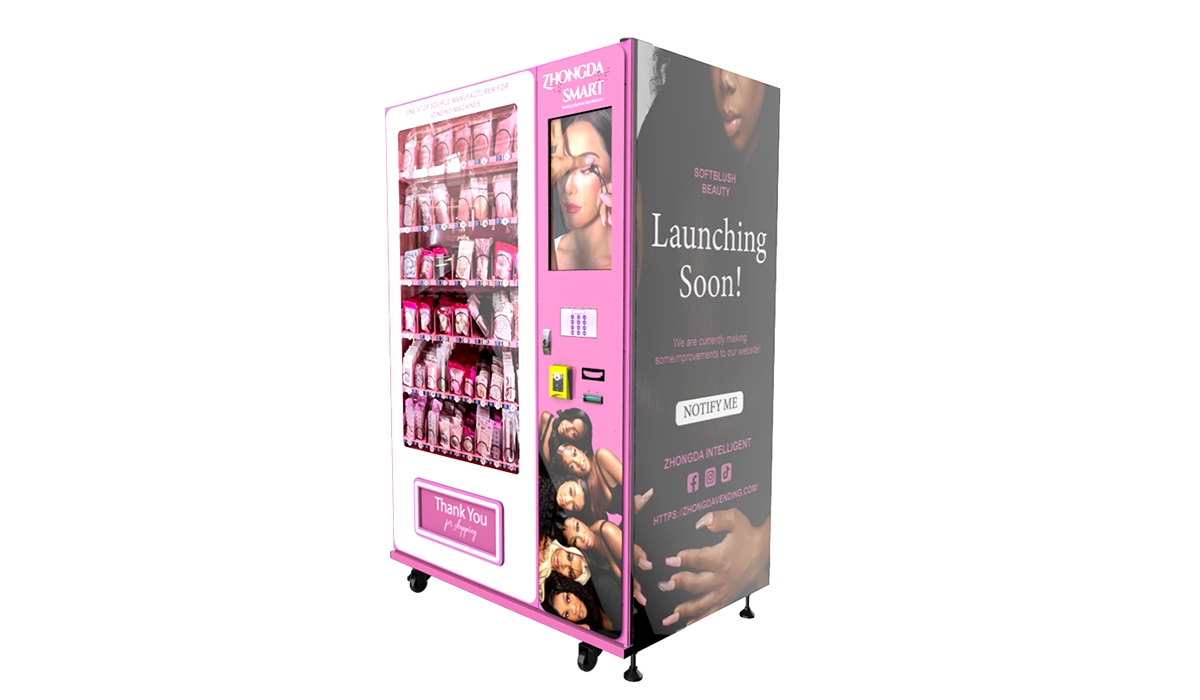
Second, look for a supplier that provides good after-sales support. You want someone who can help with vending machine repair, spare parts, and technical support. In my experience, Zhongda Smart is one of the manufacturers that offers solid build quality and responsive customer service. Their machines are designed with modern payment systems and energy-efficient cooling, which is important for long-term operation in a market like Orlando.
Third, consider the payment system compatibility. Many Orlando visitors use credit cards or mobile payments. Make sure the machine you buy supports NFC, Apple Pay, and Google Pay. Older machines that only accept cash will limit your sales significantly.
Location Selection: What Works and What Does Not
High-Performing Locations
- Industrial warehouses and factories: Employees working long shifts need quick access to drinks and snacks. These locations often have limited break time and no nearby stores.
- Medical centers and hospitals: Visitors and staff are captive audiences. Machines placed near waiting areas or staff break rooms tend to perform well.
- Apartment complexes with no nearby retail: If residents have to drive to get a drink or snack, a vending machine becomes a convenient option.
- Car dealerships and auto repair shops: Customers waiting for service often buy drinks and snacks while they wait.
Low-Performing Locations
- Hotel lobbies with existing convenience shops: As I mentioned earlier, direct competition from staffed retail kills vending sales.
- Schools with limited student access: Many schools restrict vending machine use to certain hours or prohibit them entirely.
- Outdoor locations without shade or shelter: Heat and rain can damage machines and reduce customer willingness to stop and buy.
Common Mistakes New Operators Make
I have seen many first-time operators in Orlando make the same mistakes. Here are the most common ones:
- Buying the cheapest machine available: A low upfront cost often leads to high repair costs later. Cheap machines break down more often, and finding replacement parts can be difficult.
- Ignoring the payment system: In 2024, a vending machine that only takes cash is a liability. Most customers under 40 do not carry cash. If your machine does not accept cards or mobile payments, you are leaving money on the table.
- Overstocking perishable items without monitoring sales: Fresh food can spoil quickly. I have seen operators lose hundreds of dollars because they stocked sandwiches that did not sell before the expiration date.
- Not negotiating location commissions: Some location owners ask for 20% or more of gross sales. In many cases, you can negotiate down to 10% or 15%, especially if you are providing a service that adds value to the location.
- Underestimating the time required for restocking and maintenance: A single machine might only need 30 minutes per week, but if you have 10 machines spread across the city, that is a full day of work. Factor in drive time, traffic, and unexpected issues.
How to Evaluate Whether a Machine Is Worth It
Before you buy a vending machine for a specific location, ask yourself these questions:
- How many people pass by this location every day? I look for at least 100 to 200 potential customers per day for a snack or drink machine.
- Is there direct competition within walking distance? If there is a convenience store or cafeteria nearby, your sales will suffer.
- What is the demographic? Office workers and industrial employees tend to buy more than students or tourists in certain settings.
- What is the location commission? Anything above 20% is usually not worth it unless the location has extremely high traffic.
- Can the machine be serviced easily? If the location has restricted access or limited parking, restocking becomes a hassle.
I also recommend running a trial period with a used machine before committing to a new one. This allows you to test the location without a large upfront investment. If the machine performs well for three months, you can upgrade to a newer model.
FAQ: Vending Machines in Orlando
Are vending machines profitable in Orlando?
Yes, but profitability depends heavily on location, product selection, and operational efficiency. A well-placed machine in a high-traffic industrial or medical location can generate $1,000 to $3,000 per month in revenue. After costs, net profit typically ranges from $300 to $600 per machine per month.
How much does a vending machine cost in Orlando?
A new vending machine costs between $3,000 and $8,000, depending on size, features, and refrigeration. Used or refurbished machines range from $1,500 to $4,000. You should also budget for a card reader ($300–$700), installation ($200–$500), and initial inventory ($400–$1,000).
How long does it take to break even?
Based on my experience, a well-performing machine can pay for itself in 8 to 15 months. Machines in lower-traffic locations may take 18 to 24 months. The payback period depends on your initial investment, location commission, and ongoing costs.
Should I buy or lease a vending machine?
Buying is usually better for long-term operators. Leasing can be useful if you want to test a location without a large upfront cost, but you will pay more over time. I prefer buying used machines for the first few locations to reduce risk.
Where should I place a vending machine in Orlando?
Look for locations with captive audiences: warehouses, factories, hospitals, apartment complexes, car dealerships, and office buildings. Avoid locations with nearby convenience stores or staffed retail. Always negotiate the location commission before placing the machine.
What permits do I need for vending machines in Florida?
You may need a business tax receipt from the city and a permit from the Florida Department of Agriculture and Consumer Services if you sell food or beverages. Check with the local city government where you plan to place the machine. Requirements vary by municipality.
How do I choose a vending machine supplier?
Look for a supplier with reliable equipment, good after-sales support, and modern payment systems. I have had good experiences with Zhongda Smart for their build quality and customer service. Always read reviews and ask for references before buying.
What happens if my machine breaks down?
You need a plan for vending machine repair. Some suppliers offer maintenance contracts. Otherwise, you will need to find a local technician. I recommend building a relationship with a repair service before you need them. Downtime means lost sales and unhappy location owners.
How can I reduce restocking and maintenance costs?
Group your machines in the same geographic area to reduce drive time. Use route management software to track inventory and sales. Stock products that sell quickly to reduce waste. For machines with fresh food, monitor expiration dates closely.
Final Thoughts
Vending machines in Orlando, FL can be a worthwhile investment if you approach the business with realistic expectations and solid planning. The market offers real opportunities, especially in industrial, medical, and residential locations where convenience matters. But the business is not passive. It requires ongoing attention to location performance, product selection, maintenance, and customer preferences.
I have seen operators succeed and fail in equal measure. The ones who succeed are the ones who treat vending as a real business, not a side hobby. They track their numbers, maintain their equipment, and adapt when something is not working. If you are willing to put in the work, Orlando can be a profitable market for vending machines. Just remember: the machine is only as good as the location it sits in and the operator who manages it.
This article was updated on December 10, 2024. The information provided is based on my personal experience operating vending machines in the Orlando market and publicly available data from the sources cited. Individual results may vary. This content is for informational purposes only and does not constitute financial or legal advice.