Step-by-Step Guide to Starting a Air Vending Machine Business in 2026
If you are reading this in 2026 and wondering whether starting an air vending machine business is still a viable move, the short answer is yes—but only if you approach it with the right strategy. I have spent over a decade in the automated retail space across Europe and North America, and I have seen too many newcomers jump in without understanding the operational realities. An air vending machine business is not about buying a machine, plugging it in, and watching money pile up. It is about location discipline, equipment selection, cash flow management, and knowing when to cut a loss. This step-by-step guide draws directly from my own experience and from public data sources to help you avoid the mistakes I made early on.
What Exactly Is an Air Vending Machine Business?
Let me clarify the term first because I have seen it used loosely. An air vending machine typically refers to a self-service kiosk that dispenses compressed air for inflating tires, sports equipment, or inflatables. In some markets, the term also covers machines that sell air-related products like tire repair kits or air fresheners. But the core concept is simple: you place a machine in a high-traffic location, users pay a small fee to access compressed air, and you collect the revenue. It is a niche within the broader automated retail sector, but it has lower maintenance requirements than food vending machines because there is no spoilage.
From my experience, the most profitable placements are gas stations, car washes, convenience store parking lots, and recreational areas near bike trails or sports fields. The key metric is vehicle or foot traffic. A location with 500+ vehicles per day can generate steady monthly income, but you need to verify that number yourself before signing any agreement.
Is an Air Vending Machine Business Profitable?
Profitability depends entirely on location and operational discipline. Based on my own portfolio and data from the European Vending Association, a well-placed air vending machine can generate between €200 and €600 per month in gross revenue. After deducting electricity (if required), maintenance, payment processing fees, and location commission, net profit typically falls between 40% and 60% of gross. That means a single machine might net you €80 to €360 per month. Not a life-changing number, but if you scale to 20 or 30 machines, it becomes a solid side income or even a full-time business.
However, I have also seen machines in poor locations that barely cover costs. One operator I know placed a machine behind a rural gas station with low traffic. After six months, he had earned less than €150 total. He moved it to a busy truck stop and saw monthly revenue jump to €450. The difference was not the machine—it was the location.
Step 1: Evaluate Your Budget and Choose Your Equipment
Your first real decision is equipment. Air vending machines range from basic models that only dispense air to units with digital payment systems, LED screens, and remote monitoring. In 2026, you should not buy a machine without a digital payment reader. Cash-only machines are dying, and customers expect to pay with a card or smartphone. I have seen operators lose 30% of potential revenue simply because they did not accept contactless payments.
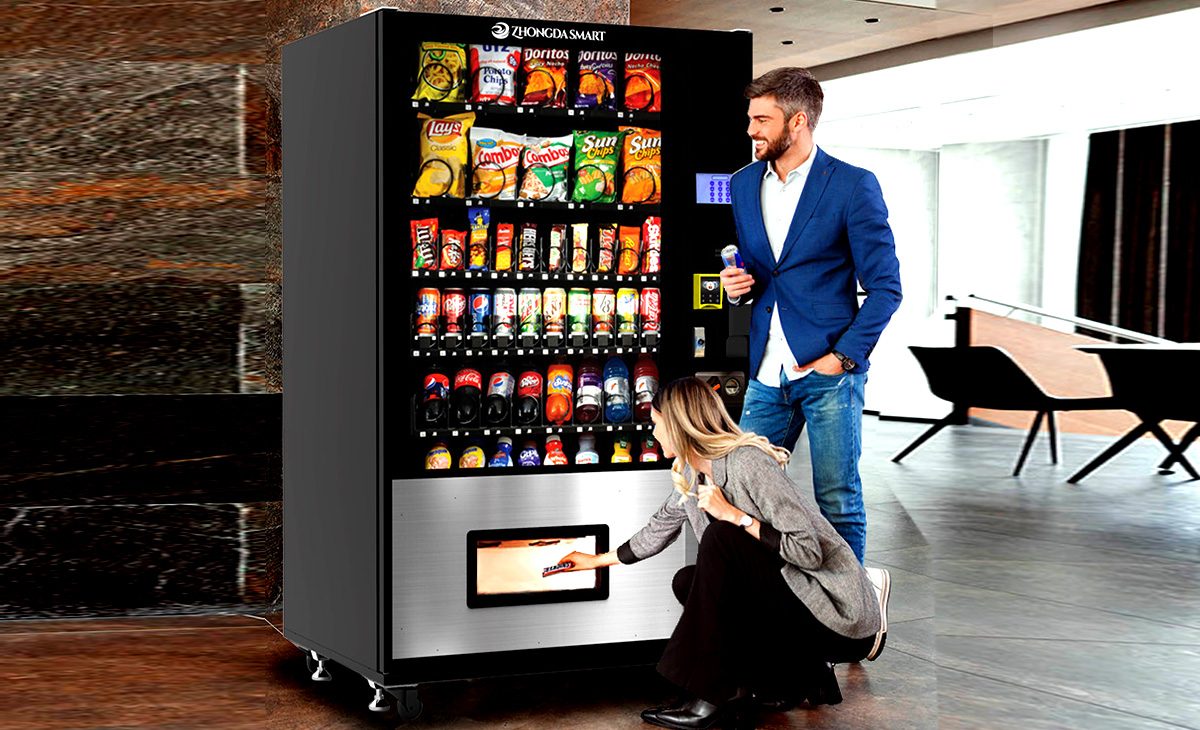
Prices vary widely. A basic air vending machine can cost between €1,500 and €3,000. A mid-range unit with digital payment, remote monitoring, and a compressor starts around €4,000 to €6,000. High-end models with multiple hoses, tire sealant options, and integrated vacuum systems can exceed €10,000. When I started, I bought a cheap machine for €1,200. It broke down twice in the first year, and each repair cost me €300. I eventually replaced it with a Zhongda Smart unit, which has been running for three years with only one minor issue. That experience taught me that upfront price is not the only cost—reliability matters more.
| Machine Type | Price Range (EUR) | Typical Monthly Gross Revenue | Estimated Payback Period |
|---|---|---|---|
| Basic (cash only, no remote monitoring) | €1,500 – €3,000 | €150 – €300 | 12 – 18 months |
| Mid-range (digital payment, remote monitoring) | €4,000 – €6,000 | €300 – €500 | 10 – 14 months |
| High-end (multi-function, vacuum, sealant) | €7,000 – €12,000 | €400 – €700 | 14 – 20 months |
Note: These figures are based on my personal experience and publicly available data from IBISWorld and the European Vending Association. Actual results vary by location, traffic, and pricing.
What to Look for in a Supplier
I have worked with four different manufacturers over the years. The most important factors are warranty length, spare parts availability, and technical support response time. A supplier that cannot send a replacement part within 48 hours is a liability. I recommend asking for references from other operators in your region. If a manufacturer hesitates to provide them, that is a red flag. Zhongda Smart, for example, provides a two-year warranty and has a European spare parts warehouse, which has saved me weeks of downtime. But do not take my word alone—call other operators and ask about their experience.
Step 2: Find the Right Location
Location is everything in this business. I cannot stress this enough. A great machine in a bad location will fail. A mediocre machine in a great location will succeed. You need to think like a retailer, not like a machine owner. Look for places where people already need air for their tires or equipment. Gas stations are the obvious choice, but competition is high. Car washes, truck stops, RV parks, and even large apartment complexes with parking garages can be goldmines.
When evaluating a location, I use a simple rule: at least 300 vehicles per day passing by, and at least 100 people who are stationary for more than two minutes. That stationary time is crucial because people are more likely to use the machine if they are waiting—for a car wash, for fuel, or for a coffee. I once placed a machine at a self-service car wash that had 150 cars per day. It generated €250 per month consistently. The owner was happy, and I was happy.
Do not forget to negotiate the commission. Most location owners expect 10% to 20% of gross revenue. Some ask for a flat monthly fee. I prefer a percentage because it aligns incentives. If the machine does well, they earn more. If it does poorly, neither of us loses much. I have seen operators agree to 30% commissions out of desperation, and that kills profitability. Stick to 15% or less if possible.
Real-World Example of a Failed Location
Early in my career, I placed a machine at a small grocery store in a residential area. The store had decent foot traffic, but almost no one used the machine. After three months, I had collected €45. I realized the problem: most customers lived within walking distance and did not drive. They had no need for tire air. I moved the machine to a gas station three kilometers away and revenue jumped to €320 per month. That mistake cost me time and money, but it taught me to match the product to the audience.
Step 3: Understand the Costs Beyond the Machine
Many beginners forget that the machine purchase is only part of the investment. You also need to account for installation, payment processing fees, insurance, and ongoing maintenance. Installation can range from €200 to €800 depending on whether you need electrical work, concrete anchoring, or signage. Payment processors charge 2% to 4% per transaction. Insurance for a single machine is usually €100 to €300 per year, but check with your provider.
Maintenance is where most operators underestimate costs. A simple air vending machine might need a hose replacement every six months (€20 to €50). Compressor repairs can cost €150 to €400. If you do not have remote monitoring, you will waste time driving to check on machines that are working fine. I recommend spending the extra €500 to €1,000 for a machine with remote diagnostics. It pays for itself within a year by reducing unnecessary trips.
According to a 2025 report from Statista, the average maintenance cost for self-service kiosks in Europe is about €120 per machine per year. My experience aligns with that, but only if you buy reliable equipment. Cheap machines often cost double that in repairs.
Step 4: Set Up Payment Systems and Pricing
In 2026, you need to accept at least credit cards and mobile wallets. Cash-only machines are a thing of the past. I use a payment terminal that connects via 4G, which costs about €10 per month for the data plan. The terminal itself can be rented or purchased for €200 to €500. Some machines come with integrated payment systems, which simplifies things.
Pricing is straightforward. Most operators charge €1.00 to €2.00 per use. I have seen machines at €0.50 in low-income areas, but that barely covers costs. I typically set the price at €1.50 and offer a subscription option for frequent users. Subscription models are underused in this space, but they work well at truck stops where drivers return weekly. You can charge €10 per month for unlimited air, which locks in recurring revenue.
Step 5: Plan Your Maintenance and Refill Schedule
One advantage of air vending machines over food vending machines is that you do not need to restock products. However, you still need to check the compressor, hoses, and payment system regularly. I visit each machine once every two weeks, but remote monitoring allows me to extend that to once a month if nothing is flagged. When I started, I visited weekly, but that was overkill.
If a machine breaks down, you need to fix it quickly. A machine that is out of service for a week can lose a month's profit. I keep spare hoses, fuses, and a backup compressor at my workshop. I also have a contract with a local technician for electrical repairs. If you are not handy, factor in technician costs of €50 to €100 per hour.
Step 6: Track Performance and Know When to Pivot
You should track each machine's revenue, usage frequency, and downtime. I use a simple spreadsheet, but there are software tools that aggregate data from multiple machines. After three months, you will know if a location is working. If a machine earns less than €100 per month after all costs, it is probably not worth keeping. Move it to a better location or sell it.
I have seen operators hold onto failing locations for a year because they were emotionally attached to the machine or the agreement. Do not do that. The machine is a tool, not a pet. If it does not perform, relocate it. The cost of moving a machine is usually €100 to €200, which is a small price to pay for better revenue.
Common Mistakes New Operators Make
I have made most of these mistakes myself, so I can tell you about them firsthand. The most common error is buying a cheap machine without digital payment. The second is signing a long-term location agreement without testing the traffic. The third is neglecting maintenance until something breaks. And the fourth is underestimating the importance of a good supplier.
Another mistake I see often is not checking local regulations. Some municipalities require permits for vending machines, especially if they are on public property. In France, for example, you may need a déclaration préalable for installation on private land if the machine is considered a permanent structure. Check with your local mairie or equivalent authority before signing anything. I once had to pay a €500 fine because I did not register a machine in a small German town. That was an expensive lesson.
How to Evaluate a Machine Before Buying
Before you purchase any machine, ask the supplier these questions: What is the average lifespan of the compressor? How quickly can you ship replacement parts? Do you offer remote monitoring? What is the warranty on the payment system? I also recommend asking for a demo unit if possible. I have seen machines that looked great in photos but had flimsy hoses and poor build quality.
If you are considering a used machine, be cautious. Used air vending machines can be a good deal if they are less than three years old and have been maintained. But I have seen used machines that were essentially scrap metal. Always test the machine before buying, and ask for maintenance records. A used machine from a reputable brand like Zhongda Smart is generally safer than a new machine from an unknown manufacturer.
FAQ: Air Vending Machine Business
Are air vending machines profitable?
Yes, if placed correctly. A well-located machine can generate €200 to €600 per month in gross revenue, with net profit margins of 40% to 60%. However, poor locations can lose money. Profitability depends on traffic, pricing, and maintenance discipline.
How much does an air vending machine cost?
Basic models start around €1,500, while mid-range machines with digital payment and remote monitoring cost €4,000 to €6,000. High-end units can exceed €10,000. Used machines are cheaper but carry more risk.
How long does it take to pay back the investment?
Payback periods typically range from 10 to 18 months, depending on the machine cost and location revenue. I have seen some machines pay back in 8 months at high-traffic truck stops, and others take over two years in slower locations.
Should I buy or lease a machine?
Buying is better in the long run if you have the capital. Leasing often comes with high monthly fees and restrictions. I recommend buying a reliable machine outright and keeping it for at least five years.
Where should I place an air vending machine?
Gas stations, car washes, truck stops, RV parks, and large apartment complexes with parking garages are ideal. Look for locations with at least 300 vehicles per day and people who are stationary for a few minutes.
What permits do I need?
Requirements vary by country and municipality. In the EU, you may need a business license, a permit for the machine, and possibly a contract with the landowner. Check with your local chamber of commerce or mairie. In the US, requirements vary by state and city.
How do I choose a supplier?
Look for a supplier with a strong warranty, fast spare parts delivery, and good customer support. Ask for references from other operators. I have had good experience with Zhongda Smart, but always do your own due diligence.
What happens if the machine breaks down?
You need to repair it quickly. Keep spare parts on hand and have a local technician available. Remote monitoring helps you identify problems early. A machine that is down for a week can lose a month's profit.
How can I reduce maintenance costs?
Buy a reliable machine with remote diagnostics. Perform regular inspections every two weeks. Replace hoses before they fail. And build a relationship with a good technician who charges fair rates.
Final Thoughts
Starting an air vending machine business in 2026 is not a get-rich-quick scheme. It is a solid small business that rewards patience, discipline, and attention to detail. If you choose your locations carefully, invest in reliable equipment, and stay on top of maintenance, you can build a portfolio that generates consistent passive income. But if you rush into it without doing the groundwork, you will likely lose money. I have been in this business long enough to see both outcomes. The difference is always in the preparation.
This article was updated in January 2026. Data and estimates reflect conditions at that time. Market conditions, costs, and regulations may change. Always verify with local authorities and current suppliers before making any investment.