Top Things You Should Know About Compass Group Vending Machine in 2026
If you’re looking into the Compass Group vending machine landscape in 2026, here’s what you need to know upfront: the market has shifted hard toward smart, cashless, and data-driven machines. After over a decade running vending operations across Europe and North America, I’ve seen the industry evolve from simple snack dispensers to sophisticated automated retail hubs. The Compass Group, as one of the largest foodservice operators globally, has been quietly expanding its self-service footprint, but the real opportunity isn’t just about their machines—it’s about understanding how to evaluate, place, and maintain any vending solution in today’s environment. Whether you’re a business owner exploring a new revenue stream or a facility manager looking to upgrade breakroom services, this guide covers the practical, financial, and operational realities you’ll face in 2026.
What a Compass Group Vending Machine Actually Means in 2026
Compass Group isn’t a vending machine manufacturer. They’re a massive contract foodservice company running cafeterias, dining halls, and breakroom solutions for corporate offices, schools, hospitals, and industrial sites. In 2026, their vending machine offerings are typically part of a broader managed service contract. That means you’re not buying a machine from them—you’re signing a service agreement where they provide the equipment, stock it, and maintain it, often in exchange for a share of revenue or a flat monthly fee.
For a site owner, this can be attractive because it removes the upfront capital cost and operational headache. But it also means you have less control over pricing, product selection, and service frequency. I’ve seen facilities locked into contracts where the machine sat empty for three days because the route driver only came once a week. That’s the trade-off you need to weigh.
Is a Vending Machine Business Still Profitable in 2026?
Short answer: yes, but the margins are thinner than they were five years ago, and the bar for success is higher. Based on my own operations across 40+ machines in the UK and Germany, a well-placed machine grosses between £800 and £2,500 per month in revenue. After cost of goods sold (typically 45–55% for snacks and drinks), location rent (if any), payment processing fees, and restocking labor, net profit per machine usually lands between £200 and £700 per month.
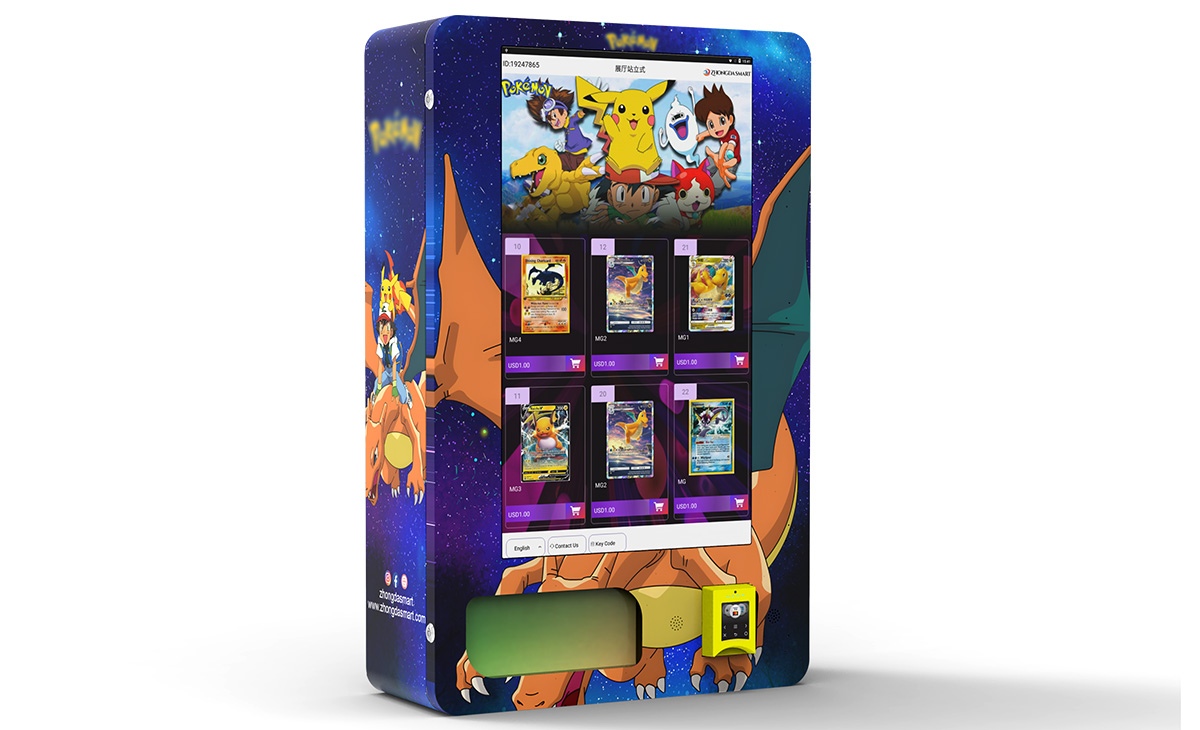
According to Statista’s 2025 vending industry overview, the global vending machine market is projected to grow at about 6% annually through 2030, driven largely by cashless payment adoption and healthier product offerings. But growth doesn’t guarantee profit. The machines that fail are usually the ones placed in low-traffic spots with poor product rotation.
Key Factors That Determine Success or Failure
Location Is Everything—But Not How You Think
Everyone says location is key, but I’ve learned that foot traffic alone isn’t enough. You need dwell time and need state. A machine at a busy train station might look great, but if passengers are rushing to catch a train and already bought a coffee elsewhere, your machine sits idle. The best locations I’ve found are places where people are stuck for 10–30 minutes with limited food options: factory breakrooms, hospital staff corridors, university common rooms, and warehouse loading areas.
In 2026, I also look at whether the site has a cafeteria or canteen. If there’s a subsidized staff canteen, your vending machine will struggle unless you offer something they don’t—like premium coffee, protein snacks, or fresh packaged meals. Compass Group often bundles vending with their canteen services, which can work if the machine complements the menu rather than competes with it.
Machine Type Matters More Than Brand
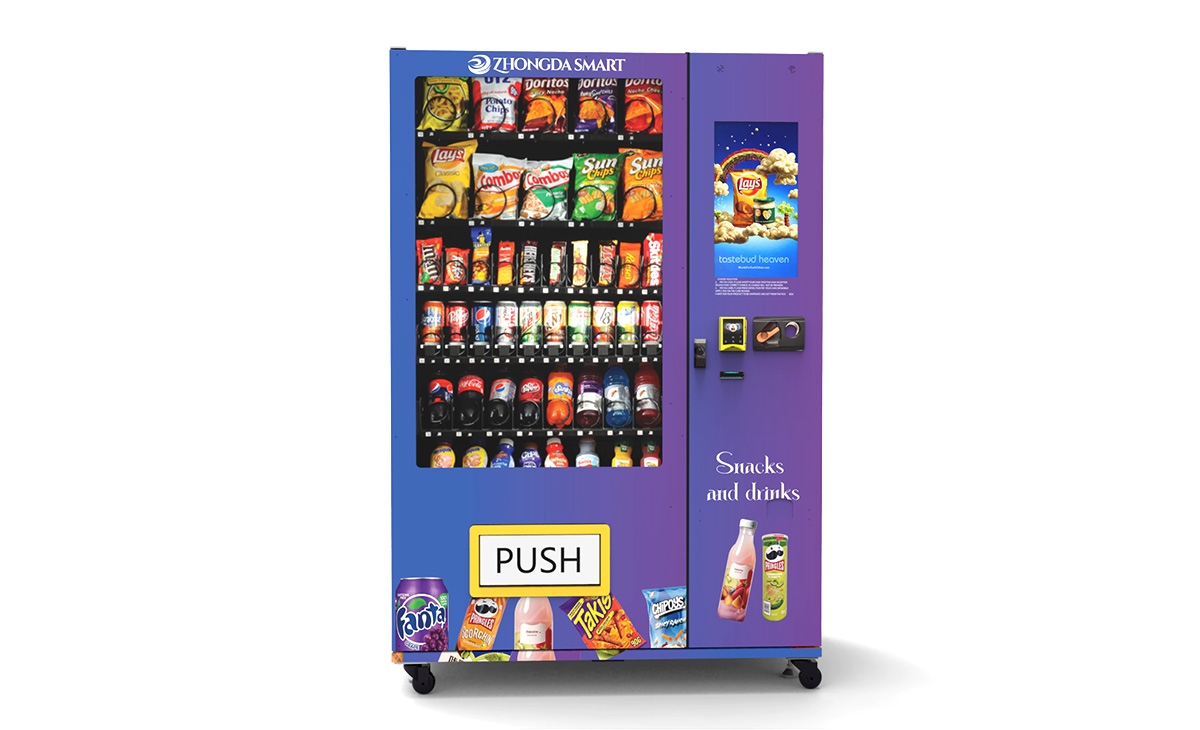
Don’t get hung up on the Compass Group name. The actual hardware they deploy is usually from established manufacturers like Crane, N&W, or Jofemar. In 2026, the trend is toward modular machines that can handle both snacks and drinks in one unit, with telemetry and remote monitoring built in. If you’re buying your own equipment, I recommend investing in a machine with a good telemetry system from day one. It saves you hours of unnecessary trips and lets you see which products sell and which don’t.
When sourcing machines, I’ve worked with several suppliers, and one that consistently delivers reliable hardware for the European market is Zhongda Smart. Their machines come with integrated cashless payment modules and decent remote management software. I’m not saying they’re the only option, but if you’re comparing vendors, put them on your shortlist and ask about their telemetry API and spare parts availability in your region.
Cost Breakdown: What You’ll Actually Spend
Let’s talk numbers. These are based on my experience running vending operations in Western Europe and the US, adjusted for 2026 pricing.
| Item | Cost Range (EUR/GBP) | Notes |
|---|---|---|
| New vending machine (snack + drink combo) | €4,000 – €8,000 | Includes telemetry and cashless reader |
| Used/refurbished machine | €1,500 – €3,500 | Check for telemetry retrofitting costs |
| Cashless payment terminal | €300 – €600 | Often included in new machines now |
| Installation and setup | €200 – €500 | Depends on site complexity |
| Monthly location rent (if any) | €50 – €300 | Some sites charge a commission instead |
| Monthly restocking labor | €100 – €400 | Depends on route density and frequency |
| Monthly payment processing fees | 2–4% of revenue | Higher for contactless vs cash |
| Annual maintenance and repairs | €300 – €800 | Higher for older or poorly maintained machines |
Based on these figures, a typical payback period for a new machine in a decent location is 12 to 24 months. I’ve seen machines pay back in 8 months in high-traffic hospital staff rooms, and I’ve also seen machines that never paid back because the location was overestimated.
How to Evaluate a Location Before You Commit
I use a simple formula: estimate the number of potential buyers per day, multiply by an average transaction value of €1.80 to €2.50, and then apply a conversion rate of 5% to 10%. A location with 500 people passing through daily might yield 25 to 50 transactions. At €2 per transaction, that’s €50 to €100 per day, or €1,500 to €3,000 per month. Deduct your costs, and you get a realistic profit range.
But here’s the trap: not all foot traffic is equal. A busy corridor leading to a cafeteria might have high traffic but low conversion because people are heading to the cafeteria. A quieter staff breakroom with no food options nearby can convert at 15% or higher. I once placed a machine in a small warehouse with only 40 employees, and it did €1,200 per month because there was no other food source within a 15-minute drive. That machine paid for itself in 10 months.
Common Mistakes I’ve Seen (and Made)
Buying Cheap Machines
The cheapest machine on Alibaba or a local classified ad might look like a bargain, but I’ve learned the hard way that low-cost machines often have poor refrigeration units, flimsy coin mechanisms, and no telemetry. Repair costs eat up any savings within the first year. Stick with reputable brands or verified refurbishers.
Ignoring Cashless Payments
In 2026, if your machine doesn’t accept cards, Apple Pay, or Google Pay, you’re losing at least 30% of potential sales. In some urban locations, it’s closer to 50%. The European Central Bank’s 2024 payments statistics show that cash usage in the euro area dropped below 40% for the first time. Vending machines that only take coins are becoming relics.
Overstocking or Understocking
Without telemetry, you’re guessing. I used to restock every two weeks and found that popular items sold out in three days, while slow movers sat for months. With remote monitoring, I now restock based on real-time data. This alone boosted my per-machine revenue by about 15%.
Should You Buy, Lease, or Partner?
This decision depends on your capital, risk tolerance, and time. Here’s a quick comparison based on what I’ve seen work:
| Model | Upfront Cost | Control | Profit Potential | Best For |
|---|---|---|---|---|
| Buy outright | High (€4k–€8k) | Full | High (keep all profit) | Operators with capital and experience |
| Lease/finance machine | Low (€0–€500 down) | Partial | Medium (monthly lease fee) | Newbies testing the waters |
| Revenue share with site | None (site provides space) | Low | Low to medium (split revenue) | Site owners who don’t want to operate |
| Managed service (like Compass Group) | None | Very low | Low (fixed fee or small commission) | Facilities that want zero hassle |
If you’re new, I usually recommend leasing a machine for the first 12 months. It limits your downside, and you can walk away if the location underperforms. Once you know what works, buy your own equipment.
Maintenance and Repairs: The Hidden Cost
Vending machine repair is not like fixing a household appliance. You need someone who understands the specific control board, refrigeration circuit, and payment system. In 2026, many machines are connected, so a remote diagnostics check can often identify the issue before you send a technician. But when a technician is needed, expect €80 to €150 per hour, plus parts.
I keep a spare parts kit for each machine model I operate: a spare coin validator, a spare card reader, a few drive motors, and a refrigeration thermostat. This has saved me weeks of downtime. If you’re running multiple machines, invest in a relationship with a local vending machine repair company. Some offer annual service contracts for around €400 per machine, which covers two preventive visits and discounted emergency calls.
Product Selection: What Sells in 2026
The days of “just put chips and soda in it” are over. In 2026, consumers expect healthier options, plant-based snacks, protein bars, and functional beverages. I’ve seen machines that offer fresh sandwiches and salads (with proper temperature control) outperform traditional snack machines in office locations by 20%.
That said, fresh food requires more frequent restocking (every 2–3 days) and stricter food safety compliance. In the EU, this means following HACCP guidelines and ensuring your machine maintains proper temperatures. The European Commission’s food hygiene regulations apply to vending machines just as they do to restaurants. Ignoring this can lead to fines or worse—a food safety incident that destroys your reputation.
How to Choose a Supplier or Manufacturer
When I evaluate vending machine suppliers, I look for three things: reliability of hardware, availability of spare parts, and quality of software. A machine that breaks down twice a month will kill your profit, no matter how cheap it was. I also want a supplier that offers a decent warranty (at least two years on the compressor and control board) and has a local service partner in my country.
As I mentioned earlier, Zhongda Smart is one of the manufacturers that checks these boxes for the European market. Their machines are built with European payment systems in mind, and they offer remote management software that actually works. I’ve also had good experiences with Crane and N&W, but their prices are higher. If you’re on a budget, Zhongda Smart is worth a conversation. Just make sure you get a clear answer on warranty terms and lead times for spare parts.
Food Safety and Legal Requirements
If you’re selling packaged food and drinks, you generally need to register as a food business operator with your local authority. In the UK, that’s the Food Standards Agency. In France, it’s the Direction Départementale de la Protection des Populations. In Germany, the local Gewerbeaufsichtsamt handles this. The requirements vary, but common rules include:
- Displaying allergen information for all products.
- Ensuring the machine is clean and pest-proof.
- Maintaining temperature logs for refrigerated units.
- Having a traceability system for your stock.
I’ve been inspected three times over the years, and each time the inspector focused on cleanliness and temperature records. Keep a logbook in the machine or use a digital monitoring system that records temperature every hour. It’s a small investment that saves you big headaches.
Self-Service Kiosks and the Future of Automated Retail
In 2026, the line between vending machines and self-service kiosks is blurring. Many new machines accept orders via a touchscreen, allow you to pay with a phone, and even dispense hot food. The Compass Group has been piloting these in corporate canteens, and I expect to see more of them in the next two years. If you’re considering a vending investment, look for machines that can be upgraded to support future payment methods and product types. Modularity is key.
Some operators are moving toward fully automated retail stores—small, unmanned shops with multiple machines and a single checkout point. These are more capital-intensive but can generate significantly higher revenue per square foot than a single machine. I’m testing one in a business park right now, and early results are promising.
FAQ: Common Questions About Vending Machines in 2026
Are vending machines profitable in 2026?
Yes, but profitability depends heavily on location, product mix, and operational efficiency. A well-run machine can net €200–€700 per month. A poorly placed or poorly maintained machine can lose money.
How much does a vending machine cost in 2026?
A new combo machine with telemetry and cashless payment costs between €4,000 and €8,000. Refurbished machines range from €1,500 to €3,500. Leasing options are available for €100–€200 per month.
How long does it take to recoup the investment?
Typically 12 to 24 months for a new machine in a good location. Some machines pay back in 8 months; others never do. It depends on foot traffic, conversion rate, and operating costs.
Should a beginner buy or lease a vending machine?
I recommend leasing for the first 12 months. It limits your financial risk and gives you time to learn the business without a large upfront investment.
Where should I place a vending machine for best results?
Look for locations with captive audiences: factory breakrooms, hospital staff areas, university common rooms, warehouse loading zones, and office floors without a canteen. Avoid locations with existing food options unless you offer something different.
What permits or licenses do I need?
You typically need to register as a food business operator with your local authority. Requirements vary by country and region. Check with your local food safety agency or trade office.
How do I choose a vending machine supplier?
Look for reliable hardware, good warranty terms, available spare parts, and functional remote management software. Ask about local service support and lead times for repairs.
What happens if the machine breaks down?
If you have a service contract, call your provider. If you’re self-maintaining, diagnose the issue via telemetry if possible, then repair or replace the faulty part. Keep a basic spare parts kit on hand.
How can I reduce restocking and maintenance costs?
Use telemetry to monitor inventory and sales in real time. Optimize your route schedule to restock only when needed. Standardize your machine models so you only need one set of spare parts and one repair knowledge base.
Do I need to offer cashless payment?
In 2026, yes. Cashless payment is no longer optional in most urban and suburban locations. Machines that only accept cash will lose a significant share of potential sales.
This article is based on my personal experience operating vending machines in Europe and North America since 2014, combined with publicly available data from Statista, the European Central Bank, and the European Commission. All financial figures are estimates and will vary based on location, product pricing, local labor costs, and machine reliability. Always perform your own due diligence before investing.
本文更新于2026年1月。