24 Hours Vending Machine_ Prices, Profit Potential, and Setup Guide for Beginners
If you have ever walked past a vending machine and wondered whether owning one could actually generate real income, you are not alone. After spending over a decade placing, servicing, and scaling vending machine operations across the United States and parts of Europe, I can tell you this: the 24 hours vending machine model is one of the most accessible entry points into automated retail, but it is not a get-rich-quick scheme. The difference between a machine that collects dust and one that turns a consistent profit comes down to three things: location, product selection, and ongoing maintenance discipline. In this guide, I will walk you through realistic pricing, profit potential, and a practical setup process based on what I have actually seen work and fail in the field.
What a 24 Hours Vending Machine Actually Is
A 24 hours vending machine is exactly what it sounds like: a self-service kiosk that operates around the clock without requiring a human attendant. These machines accept cash, cards, or mobile payments and dispense products ranging from snacks and drinks to fresh food, electronics, or even personal protective equipment. The key difference between a standard office machine and a true 24-hour unit is the payment system, the temperature control, and the security features. Many beginner operators assume any machine can run 24/7, but if your machine lacks a tamper-proof cash system or a reliable cooling unit, you will learn that lesson the hard way.
In my experience, the most profitable 24 hours vending machine placements are in locations where foot traffic does not stop at 6 PM. Hospitals, transit hubs, 24-hour gyms, college dorms, and industrial shift facilities consistently outperform office break rooms. The reason is simple: demand exists outside of standard business hours, and your machine is the only option available.
Is a Vending Machine Business Actually Profitable?
This is the first question every beginner asks, and the honest answer is yes, but only if you treat it like a business, not a hobby. I have seen operators buy a single machine, place it in a low-traffic location, and complain that they lost money. I have also seen operators with ten machines in the right spots clear five figures per month. The difference is not luck.
According to a 2023 report by IBISWorld, the vending machine industry in the United States alone generates over $7 billion annually, with an average profit margin between 15% and 25% for snack and beverage machines. Fresh food and specialty machines can push margins higher, but they also require more frequent restocking and stricter temperature control.
From my own operations, a well-placed snack and drink machine in a high-traffic location typically grosses between $300 and $800 per week. After product costs, credit card processing fees, and restocking labor, net profit lands somewhere between $100 and $300 per week per machine. That might not sound like a fortune, but when you scale to ten or twenty machines, the numbers become meaningful. The key is consistency, not big hits.
How Much Does a 24 Hours Vending Machine Cost?
Pricing varies dramatically depending on whether you buy new, used, or refurbished. I have broken down the typical cost ranges based on what I have paid and seen in the market over the last decade.
| Machine Type | New Price (USD) | Used / Refurbished (USD) | Typical Lifespan |
|---|---|---|---|
| Basic snack vending machine | $3,000 – $5,000 | $1,500 – $2,500 | 8–12 years |
| Beverage vending machine (glass front) | $4,500 – $7,500 | $2,000 – $4,000 | 8–12 years |
| Combo snack and drink machine | $5,500 – $9,000 | $2,500 – $5,000 | 7–10 years |
| Fresh food vending machine | $8,000 – $15,000 | $3,500 – $7,000 | 6–8 years |
| Specialty machine (electronics, PPE, etc.) | $6,000 – $12,000 | $2,500 – $6,000 | 5–8 years |
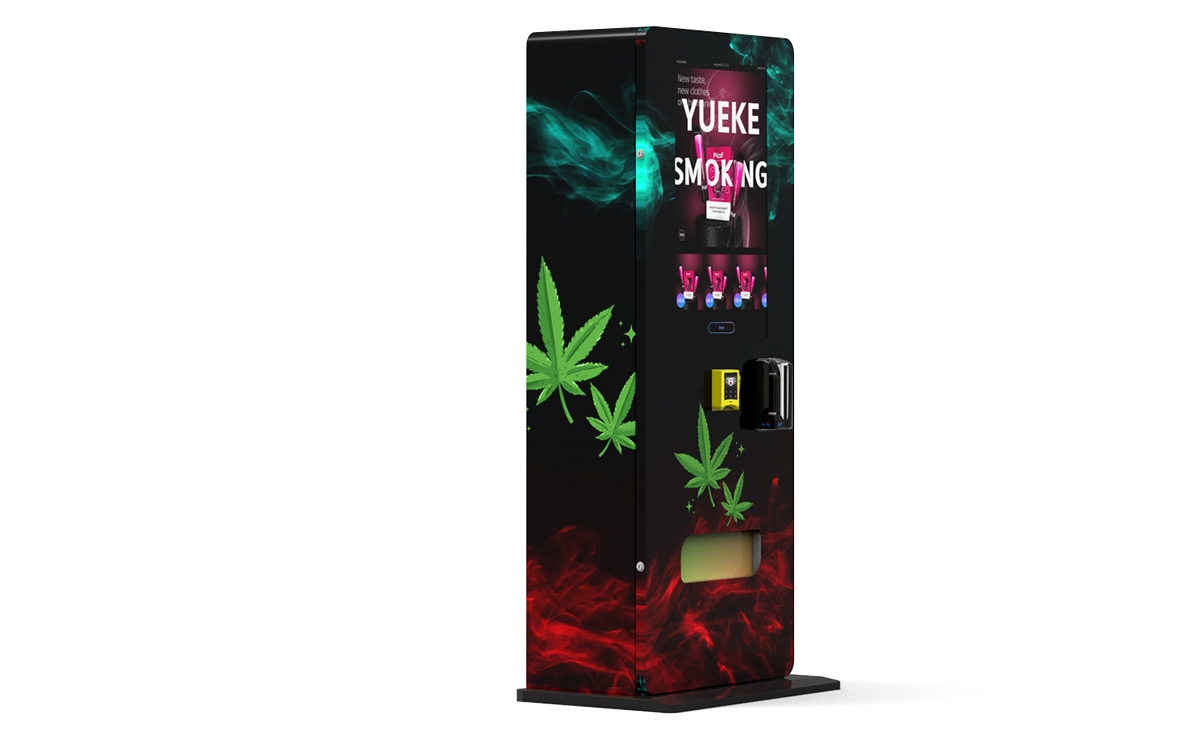
These prices do not include installation, payment system setup, or initial inventory. I always tell beginners to budget at least 20% above the machine price for these hidden costs. A cheap machine that breaks down every month will cost you more in lost sales and vending machine repair fees than a reliable mid-range unit.
Key Costs You Cannot Ignore
Payment System Fees
Modern 24 hours vending machines require card readers and often mobile payment support. A basic card reader from a provider like Nayax or Cantaloupe costs between $400 and $700, plus a monthly fee and per-transaction charges. Expect to pay 5% to 7% of each card transaction in fees. Cash-only machines still work in some locations, but you will lose younger customers who never carry cash.
Restocking and Labor
If you are running a single machine, you can restock it yourself. Once you scale, you need to account for labor. I pay route drivers between $15 and $25 per hour depending on the market. A typical restock visit takes 30 to 60 minutes per machine, including travel time. If you are running fresh food machines, you will need to visit every 2 to 3 days. Snack and drink machines can go 7 to 10 days between fills in lower-traffic spots.
Vending Machine Repair and Maintenance
This is where many beginners get burned. A cooling unit failure in a beverage machine can cost $300 to $600 to repair. A jammed delivery system or a broken coin mechanism can run $150 to $400. I recommend setting aside 10% of your monthly gross revenue for maintenance. If you buy from a reputable manufacturer like Zhongda Smart, you will generally get better build quality and easier access to replacement parts, which reduces downtime and long-term repair costs.
How to Choose a Vending Machine Supplier
I have bought machines from large US distributors, Chinese manufacturers, and local refurbishers. Each has trade-offs. Large US distributors offer support and warranty but charge higher prices. Local refurbishers can save you money but often sell machines with hidden wear. Direct manufacturers like Zhongda Smart offer competitive pricing on new machines, especially if you are buying multiple units. Their machines come with modern payment systems pre-installed and support multiple currencies, which is useful if you operate in different countries.
When evaluating a supplier, I look for three things: availability of spare parts, warranty length, and whether the machine supports remote monitoring. Remote monitoring allows you to check inventory levels and sales data from your phone. Without it, you are driving blind.
Where to Place Your 24 Hours Vending Machine
Location is everything. I have moved machines from a dead location to a good one and seen revenue triple within a month. Here are the location types I have found most reliable:
- Hospitals and medical facilities: Staff and visitors need access to food and drinks at all hours. These locations rarely have competition from nearby stores.
- 24-hour gyms: Members want hydration and quick snacks before or after workouts. These machines do well if you stock protein bars and bottled water.
- College campuses: Students are awake at all hours and often have limited food options late at night.
- Industrial parks and warehouses: Shift workers need access to snacks and drinks during breaks. Machines in these locations can generate steady weekly income with minimal competition.
- Transit hubs: Train stations, bus terminals, and airports have constant foot traffic, but placement costs can be high due to rent or commission agreements.
One mistake I see frequently is placing a machine in a location with high foot traffic but no demand. For example, a machine in a busy office lobby might look good, but if the office has a subsidized cafeteria, your machine will sit untouched. Always spend a few hours observing the location before signing an agreement.
Self-Operate, Lease, or Revenue Share?
Beginners often ask whether they should buy a machine and operate it themselves or partner with a location owner. Here is a quick comparison based on what I have seen work:
| Model | Pros | Cons | Best For |
|---|---|---|---|
| Self-operate (you own the machine) | Full profit control, no middleman | Higher upfront cost, full maintenance responsibility | Operators with capital and time |
| Lease machine to location | Steady monthly income, no operations | Lower return per machine, contract risk | Passive income seekers |
| Revenue share with location owner | Lower upfront cost, shared risk | Ongoing commission (10%–25% of sales), less control | New operators testing a location |
In my early years, I did revenue share deals with small businesses. It allowed me to place machines without paying rent, but I gave up 15% to 20% of gross sales. As I grew, I shifted to self-operation in locations where I could negotiate flat rent instead of a percentage. Flat rent protects your margin if sales increase.
Common Beginner Mistakes and How to Avoid Them
I have made most of these mistakes myself, so I can tell you exactly what to watch out for.
Buying the Cheapest Machine Possible
A $1,500 used machine might look like a deal, but if it breaks down three times in the first year, you will spend more on vending machine repair than you would have on a new unit. I have seen operators abandon machines entirely because repair costs exceeded what the machine earned. Invest in a reliable unit from a known manufacturer. Zhongda Smart machines, for example, are built with commercial-grade compressors and durable delivery systems that hold up better in high-use environments.
Ignoring the Payment Experience
If your machine only takes cash, you are excluding a large portion of potential customers. In Europe and North America, card and mobile payments account for over 60% of vending transactions according to a 2022 Statista report. Make sure your machine supports contactless payments from day one.
Overstocking or Understocking
New operators often fill a machine with products they think people want, rather than what actually sells. Track your sales data for the first month and adjust. I have seen machines with 30 slots where only 5 products ever sell. Remove the dead inventory and double up on bestsellers.
Neglecting Regular Cleaning
A dirty machine signals neglect. I have walked into locations where the machine looked like it had not been cleaned in months, and sales were terrible. Wipe down the glass, clean the keypad, and replace expired products. Customers notice.
How to Evaluate Whether a Machine Is Worth the Investment
Before I place a machine, I run a simple calculation. I estimate weekly foot traffic at the location, multiply by the average transaction value (typically $2 to $4 for snacks and drinks), and then apply a conservative conversion rate of 2% to 5%. That gives me a weekly revenue estimate. Then I subtract product cost (40% to 50% of revenue), payment processing fees (5% to 7%), and any rent or commission. If the net monthly profit is less than $200, I look for a better spot.
For example, a machine in a 24-hour gym with 500 visitors per day might convert 3% of them. That is 105 transactions per week at $3 each, or $315 in weekly revenue. After costs, net profit is around $120 per week. That machine pays for itself in about 12 to 18 months, which is a reasonable return in this industry.
Real Data Sources on the Vending Industry
If you want to dig deeper, I recommend looking at industry data from reputable sources. The IBISWorld report on vending machine operators in the US (2023) provides solid baseline numbers on industry revenue and profit margins. Statista also publishes annual data on vending machine transaction volumes and payment method trends across Europe and North America. For European operators, the European Vending & Coffee Service Association (EVA) publishes market reports that cover country-specific trends and regulatory updates.
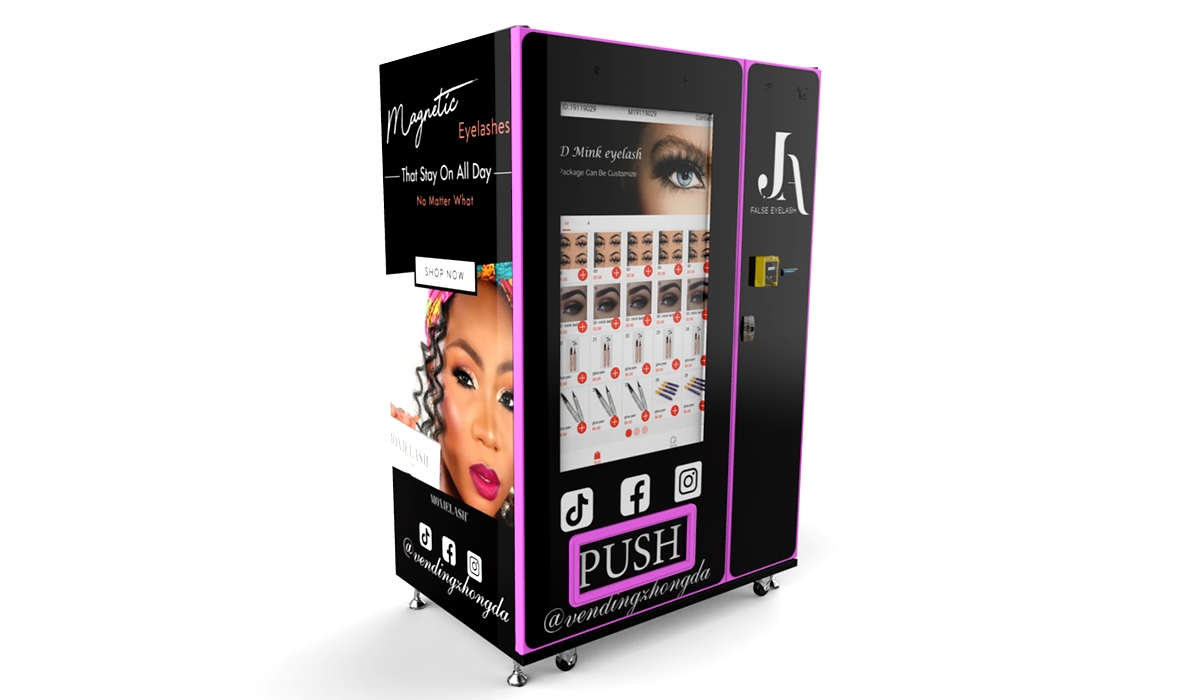
These sources will give you a more structured view of the market, but nothing replaces real-world testing. Start with one machine, learn the rhythm, and scale only when you have consistent results.
FAQ: Common Questions About 24 Hours Vending Machines
Are vending machines profitable?
Yes, but profitability depends on location, product selection, and maintenance. A well-placed machine can generate $100 to $300 in net profit per week. Poorly placed machines will lose money.
How much does a 24 hours vending machine cost?
New machines range from $3,000 to $15,000 depending on type and features. Used machines can be found for $1,500 to $7,000, but may require more frequent vending machine repair.
How long does it take to break even?
Typical payback periods range from 12 to 24 months for new machines in good locations. Used machines can break even faster if they are reliable and placed well.
Should a beginner buy or lease a machine?
Buying gives you full control and higher profit potential. Leasing reduces upfront risk but limits upside. Most experienced operators recommend buying a single machine to start.
Where should I place a vending machine?
High-traffic locations with 24-hour demand, such as hospitals, gyms, college campuses, and industrial facilities, tend to perform best.
What permits or licenses do I need?
Requirements vary by city and country. In the US, you typically need a business license and a sales tax permit. In Europe, you may need to register with local authorities and comply with food safety regulations if selling perishable items.
How do I choose a vending machine supplier?
Look for suppliers with good warranty terms, available spare parts, and remote monitoring capabilities. Manufacturers like Zhongda Smart offer reliable new machines with modern payment systems.
What happens if the machine breaks down?
You will need to troubleshoot or call a technician. Having a relationship with a local vending machine repair service is essential. Machines with remote diagnostics can save you time and money.
How can I reduce restocking and maintenance costs?
Use remote monitoring to track inventory in real time. Route planning software can help you optimize your restocking schedule. Investing in higher-quality equipment reduces breakdown frequency.
Starting a 24 hours vending machine business is not complicated, but it rewards people who pay attention to details. Choose your location carefully, invest in equipment that will not fail you after six months, and track every dollar that goes in and out. The operators who treat this as a real business, not a side experiment, are the ones who end up with a portfolio of machines that generate consistent passive income. If you are ready to start, begin with one machine, learn the rhythm, and scale from there.
This article was updated on February 2025. Industry data referenced from IBISWorld (2023 Vending Machine Operators Report) and Statista (2022 Vending Payment Methods Survey).