Is Specialty Vending Machines Worth It_ Pros, Cons, and Real-World Insights
After a decade in the vending industry, I can tell you the question isn't really whether specialty vending machines are worth it—it's whether you're willing to treat them like a real business instead of a passive income fantasy. I've seen operators pour twenty thousand dollars into a gourmet coffee machine only to pull it three months later because they ignored foot traffic patterns. I've also watched a single ramen noodle machine in a college dorm hallway generate over four hundred dollars a week for two straight years. The difference isn't luck. It's location, machine selection, and maintenance discipline. In this article, I'll share what I've learned about specialty vending machines, including the pros, the hidden costs, and the real-world numbers that separate profitable routes from expensive mistakes.
What Exactly Is a Specialty Vending Machine?
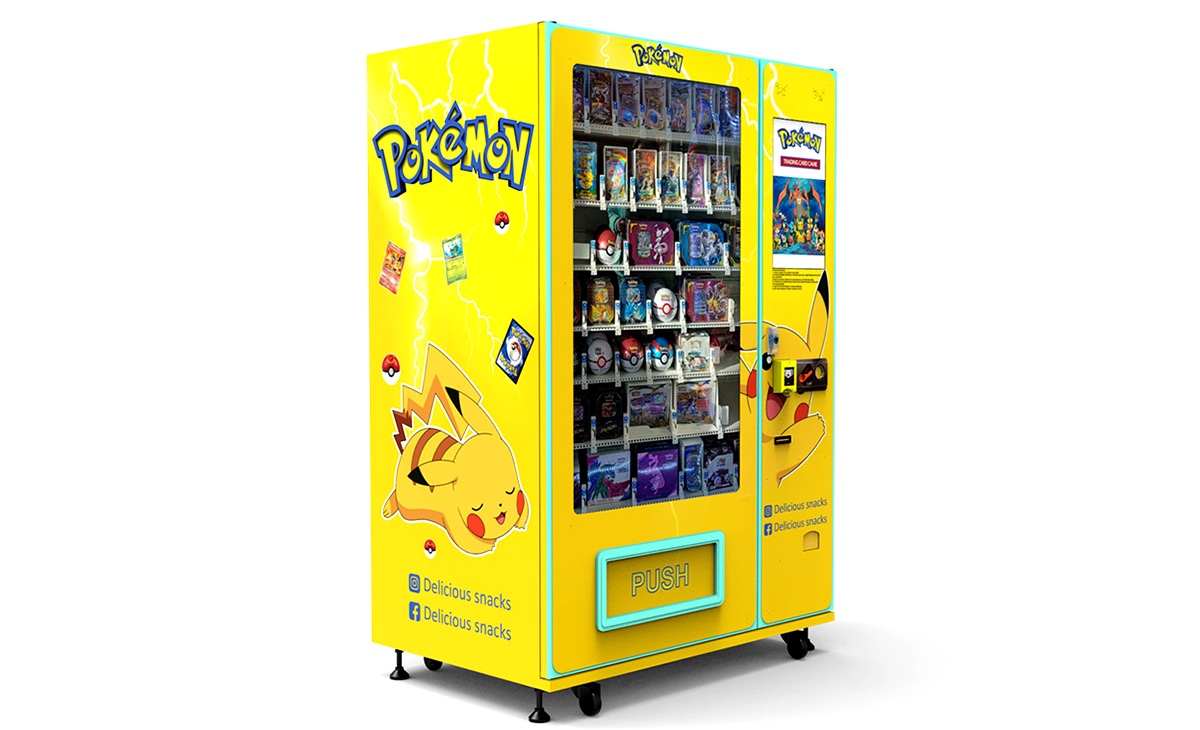
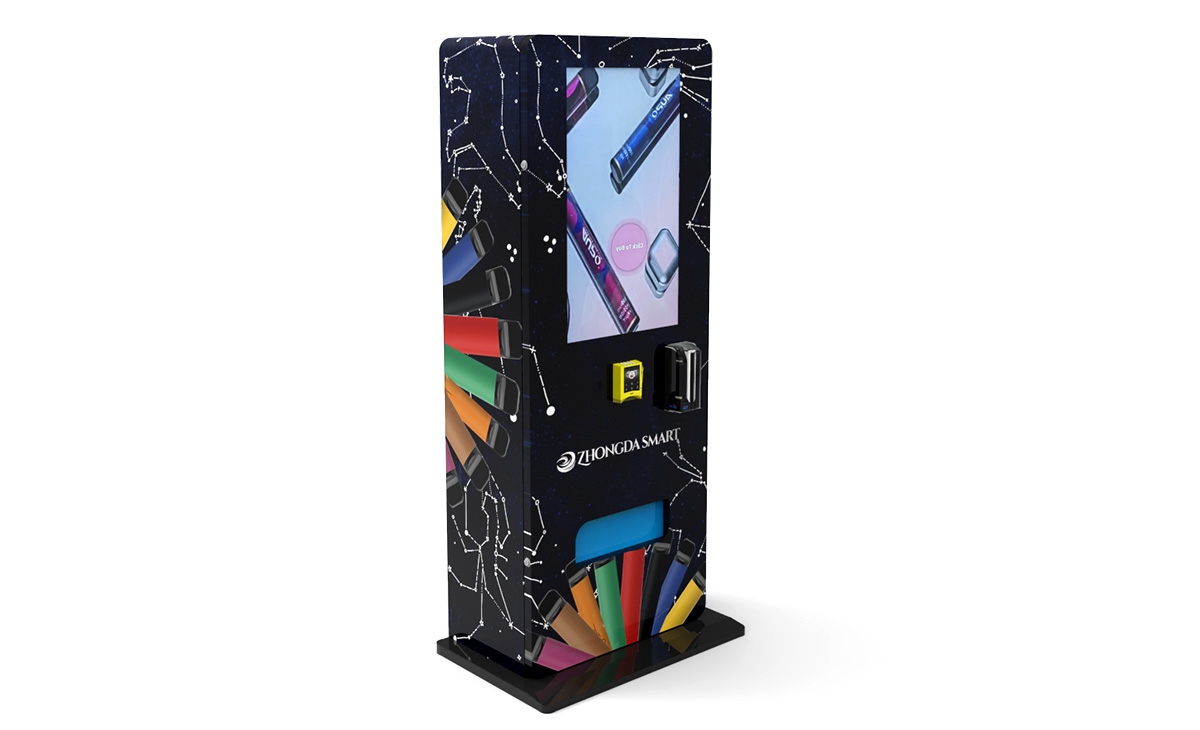
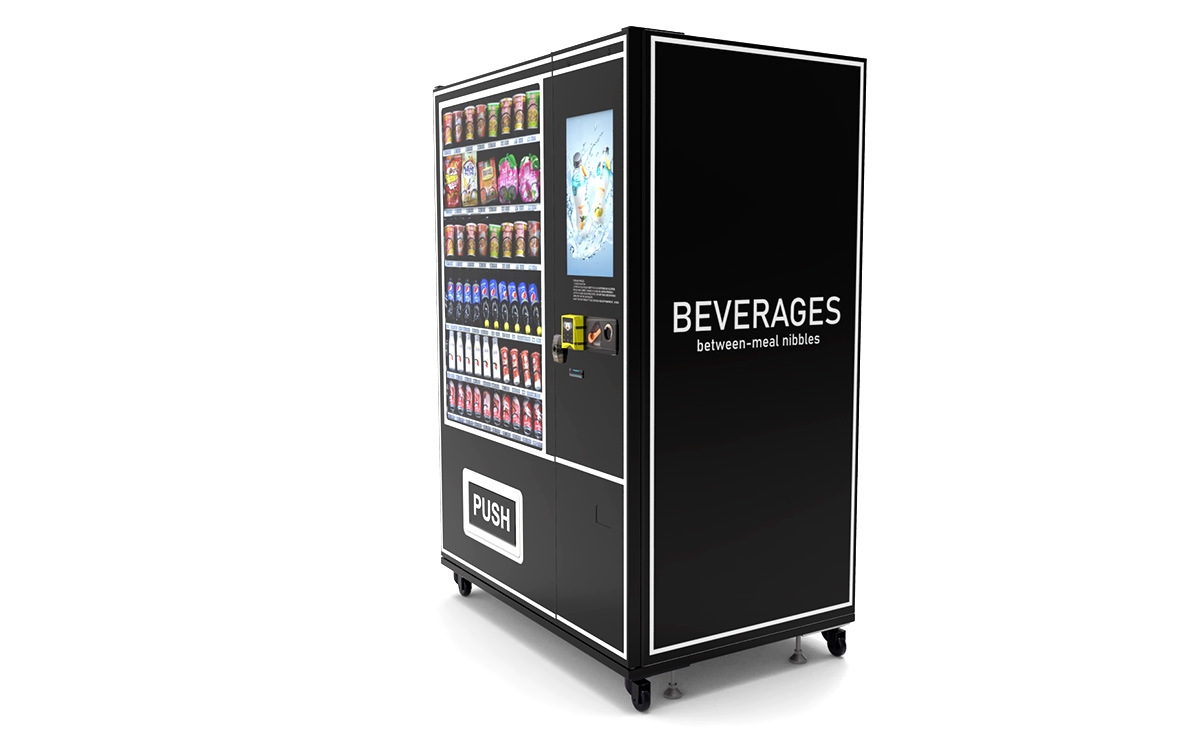
When most people hear "vending machine," they picture a glass-fronted box dispensing chips and sodas. Specialty vending machines are different. They sell items that require specific handling, temperature control, or preparation. Think fresh salads, hot pizza, ice cream, electronics, personal care products, or even live bait. These machines often come with advanced features like touchscreens, cashless payment systems, and remote inventory monitoring.
The key distinction is that specialty machines target a specific need or craving rather than generic impulse buys. A frozen yogurt machine in a gym lobby serves a different purpose than a standard snack machine in an office break room. The margins can be higher, but so are the risks. If you pick the wrong product for the wrong location, you're not just losing sales—you're dealing with spoilage, equipment failure, and frustrated customers.
The Pros: Why Operators Move Into Specialty Vending
Higher Profit Margins on Niche Products
Standard vending margins on candy and chips typically sit between 15% and 25%. Specialty products can push that to 40% or even 50% if you source correctly. A premium cold brew coffee that costs you $1.50 can sell for $4.00. A gourmet sandwich with a $2.00 cost can move for $6.50. The math works if the volume is there, but volume depends entirely on location quality.
Less Direct Competition
Walk into any office building or warehouse, and you'll find at least one standard snack and drink machine. Specialty machines face far less competition because they require more upfront investment and operational knowledge. If you're the only operator offering fresh food in a medical district with three hundred employees, you own that niche. Competitors are less likely to jump in because they'd need different equipment, supply chains, and permits.
Brand Differentiation and Customer Loyalty
A well-placed specialty machine becomes a destination. I've seen a ramen machine at a tech startup become a daily ritual for developers who skip the cafeteria. Customers remember the machine that sells something unique. They tell coworkers. They post on social media. That organic word-of-mouth is something a standard snack machine rarely generates.
Remote Monitoring Reduces Guesswork
Modern specialty machines almost always come with telemetry systems. You can see real-time sales data, inventory levels, and even machine diagnostics from your phone. This isn't a luxury—it's a necessity. Without it, you're driving to locations blind, guessing what needs restocking, and losing money on spoiled inventory. A good telemetry system pays for itself within the first three months of operation.
The Cons: What the Sales Brochures Don't Tell You
Higher Initial Investment
A standard snack machine might cost you $2,000 to $4,000 used. A specialty machine—especially one with refrigeration, heating, or cooking elements—starts at $6,000 and can easily hit $15,000 or more for a high-end model like a gourmet coffee machine or a fresh food kiosk. I've seen operators drop $20,000 on a single pizza vending machine without factoring in installation, electrical work, and the first three months of inventory.
Maintenance Complexity and Cost
Standard machines are mechanically simple. If a coil jams, you can fix it in ten minutes with a screwdriver. Specialty machines have compressors, heating elements, pumps, grinders, and complex dispensing mechanisms. When a refrigerated unit fails, you're not just losing sales—you're losing inventory. A single compressor replacement can cost $800 to $1,200, and that's if you can find a technician who knows the system. In rural areas, you might wait a week for a repair. According to a 2023 report by IBISWorld, the average annual maintenance cost for a specialty vending machine is roughly 12% of its initial purchase price, compared to 6% for a standard machine.
Spoilage and Waste Risk
Fresh food vending has a brutal learning curve. You're dealing with expiration dates, temperature fluctuations, and customer expectations. If a machine sells fresh sandwiches, you need to rotate stock daily. Miss one restock cycle, and you're throwing away product. I've seen operators lose 15% of their weekly revenue to spoilage because they overestimated demand or underestimated how quickly their target audience would buy.
Location Dependency Is Even More Extreme
Standard machines can survive in mediocre locations because the product is cheap and the margins are low but steady. Specialty machines need high traffic or a very specific audience. A frozen yogurt machine in a low-traffic office park will bleed money. A fresh salad machine in a warehouse full of workers who prefer hot food will sit untouched. You can't force a specialty machine into a location that doesn't match the product. Finding the right spot takes time, negotiation, and sometimes trial and error.
Real-World Costs: What You Need to Budget
Based on my experience and industry data from Statista and IBISWorld, here's a realistic breakdown of what you should expect when entering specialty vending. These numbers are estimates based on U.S. and Western European markets.
| Expense Category | Standard Machine | Specialty Machine |
|---|---|---|
| Machine purchase (new) | $2,500–$5,000 | $6,000–$20,000 |
| Installation & electrical | $200–$500 | $500–$1,500 |
| Annual maintenance | $150–$300 | $700–$2,400 |
| Monthly inventory cost | $400–$800 | $600–$2,000 |
| Average monthly revenue | $800–$1,500 | $1,500–$4,000 |
| Gross margin | 15%–25% | 30%–50% |
| Payback period | 12–18 months | 18–36 months |
These figures are general guidelines. Your actual results will vary based on location rent, product sourcing, and how aggressively you manage spoilage. A high-traffic location with captive demand can cut your payback period in half. A poor location can stretch it to four years or more.
How to Choose the Right Machine and Supplier
I've tested machines from a dozen manufacturers over the years. Here's what I've learned about supplier selection.
Build Quality Matters More Than Features
Fancy touchscreens and app integration are great, but if the refrigeration unit fails after six months, you're losing money. Look for machines with commercial-grade compressors, stainless steel interiors, and easy-access service panels. I've had good experience with Zhongda Smart for mid-range specialty machines—they offer solid build quality at a reasonable price point, and their telemetry systems are reliable. That said, always ask for references from operators who have run the same model for at least a year.
Check Spare Parts Availability
Before you buy any machine, find out where you can get spare parts and how long shipping takes. Some manufacturers have warehouses in the U.S. or Europe, which means next-day delivery. Others ship from overseas, and a simple part can take two weeks to arrive. Two weeks of downtime on a specialty machine can cost you thousands in lost revenue and spoiled inventory.
Test the Payment System
Cash-only machines are dying. In 2023, Statista reported that over 65% of vending transactions in the U.S. were cashless. Your machine needs to accept credit cards, mobile wallets, and ideally contactless payments. Make sure the payment system is compatible with major processors like Nayax, Cantaloupe, or USA Technologies. If your machine's payment system is proprietary or hard to replace, think twice.
Location Selection: The Make-or-Break Decision
I've seen operators spend months researching machines and then pick a location based on convenience. That's a recipe for failure. Here's how I evaluate a potential spot.
Foot Traffic Quality Over Quantity
Ten thousand people walking past your machine means nothing if they don't want what you're selling. A specialty vending machine selling organic smoothies will do better in a yoga studio with two hundred daily visitors than in a bus station with ten thousand commuters. Match the product to the audience. If you're selling hot food, look for locations with shift workers who don't have time to leave. If you're selling premium coffee, look for professional offices or co-working spaces.
Captive Audiences Are Gold
The best locations are places where customers have limited alternatives. Hospitals, college dorms, manufacturing plants, and secure office buildings are prime candidates. Employees and students can't easily walk to a cafe or convenience store. Your machine becomes their only option. I've seen a single fresh food machine in a hospital break room generate $3,500 per month consistently because nurses and doctors have short breaks and limited food options.
Negotiate the Rent or Commission
Location owners will often ask for a percentage of sales or a flat monthly rent. In my experience, a 10% to 15% commission is standard for high-traffic locations. If the location is marginal, push for a flat fee or no rent at all for the first six months. Many location owners will agree because they want the amenity without any upfront cost. Be prepared to walk away if the terms don't make sense for your numbers.
Common Mistakes New Operators Make
Buying Used Machines Without Inspection
A used specialty machine can look great in photos but have a failing compressor or corroded wiring. I've seen operators buy "refurbished" machines that needed $1,500 in repairs within the first month. If you buy used, hire an independent technician to inspect it before you hand over any money. Better yet, buy from a reputable supplier who offers a warranty.
Ignoring the Power Requirements
Specialty machines often need dedicated circuits, higher amperage, or specific voltage. I've seen operators install a refrigerated machine only to discover the location's electrical panel can't handle the load. The cost of running a new circuit can be $500 to $1,500, depending on the building. Always check the power requirements before you sign a location agreement.
Overstocking on First Day
It's tempting to fill a new machine to capacity, but that's a mistake. Start with 60% to 70% capacity and track what sells. You'll learn which items move fast and which sit for weeks. Overstocking leads to spoilage, especially with fresh or refrigerated products. Give yourself at least two full restock cycles before you adjust your inventory mix.
Neglecting Regular Cleaning and Maintenance
A dirty machine repels customers. I've seen machines that looked like they hadn't been cleaned in months, with sticky buttons, dusty screens, and moldy drip trays. Customers notice. They won't buy from a machine that looks neglected. Set a cleaning schedule and stick to it. A clean machine signals that the products inside are fresh and safe.
How to Evaluate If a Machine Is Worth the Investment
Before you buy any specialty vending machine, run this simple calculation. Estimate your monthly revenue based on foot traffic, average transaction value, and expected purchase rate. Be conservative. Subtract your cost of goods sold, location commission, maintenance reserve, and any financing costs. If the net monthly profit is less than 20% of your total investment, the payback period will be too long to justify the risk.
For example, if a machine costs $10,000 and you expect $2,000 in monthly revenue with a 40% gross margin, your monthly profit before expenses is $800. After location commission and maintenance, you might clear $500 per month. That's a 20-month payback, which is reasonable. If your revenue estimate drops to $1,200, your payback stretches to over three years. At that point, I'd pass on the opportunity.
Real-World Insights from the Field
I once placed a specialty coffee machine in a small manufacturing plant with 150 employees. The first month, revenue was $800. I was disappointed. But instead of pulling the machine, I adjusted the product mix—added more flavored syrups, offered a loyalty program via the payment system, and improved the machine's placement to be more visible. By month four, revenue hit $2,200. The lesson is that data-driven adjustments can turn a mediocre location into a profitable one, but you need patience and a willingness to experiment.
On the flip side, I've seen operators abandon machines after two months because they didn't see immediate results. That's a mistake. Specialty vending machines often require a ramp-up period as customers discover the machine and build a habit. Give it at least three full months before you make a final decision.
Frequently Asked Questions
Are specialty vending machines profitable?
They can be, but profitability depends heavily on location, product selection, and operational discipline. Gross margins are higher than standard vending, but so are costs. A well-run specialty machine in a good location can generate $1,500 to $4,000 per month in revenue. A poorly managed machine can lose money.
How much does a specialty vending machine cost?
Prices range from $6,000 to $20,000 for a new machine, depending on features and build quality. Installation, electrical work, and initial inventory can add another $1,000 to $3,000. Used machines are cheaper but come with higher maintenance risk.
How long does it take to break even?
Typical payback periods range from 18 to 36 months for specialty machines. High-traffic locations with strong margins can shorten that to 12 months. Poor locations can stretch it to four years or more.
Should a beginner buy or rent a specialty machine?
Renting is an option with some suppliers, but I generally recommend buying if you have the capital. Rental agreements often lock you into long contracts with high monthly fees. Buying gives you full control over the machine and the profits. If you're unsure, start with one machine and learn the ropes before scaling.
Where is the best place to put a specialty vending machine?
Look for locations with captive audiences: hospitals, college dorms, manufacturing plants, secure office buildings, and gyms. Avoid low-traffic areas or locations where customers have easy access to alternatives. Always negotiate the rent or commission before installing.
What permits or licenses do I need?
Requirements vary by country and region. In the U.S., you typically need a business license, a seller's permit, and possibly a health department permit if you're selling fresh or perishable food. In the EU, you may need to register with local authorities and comply with food safety regulations. Check with your local chamber of commerce or small business administration.
How do I choose a vending machine supplier?
Look for suppliers with a track record of reliability, good customer service, and readily available spare parts. Ask for references from operators who have used their machines for at least a year. Zhongda Smart is one option worth considering for mid-range specialty machines, but always compare multiple suppliers before making a decision.
What happens if the machine breaks down?
If you own the machine, you're responsible for repairs. That's why it's critical to have a maintenance plan and access to spare parts. Some suppliers offer service contracts, but they can be expensive. If you're handy, you can learn basic repairs. For major issues, you'll need a qualified technician.
How can I reduce restocking and maintenance costs?
Invest in a machine with remote monitoring so you only visit when necessary. Optimize your inventory based on sales data to reduce spoilage. Build relationships with local technicians who can handle repairs quickly. And always keep common spare parts on hand, like belts, fuses, and payment system components.
Final Thoughts from the Field
Specialty vending machines are not a passive income shortcut. They require research, capital, and ongoing attention. But for operators who are willing to put in the work, they offer a real opportunity to build a profitable business with less competition than traditional vending. Start small. Learn your numbers. Choose your locations carefully. And never stop tracking your data. The machines that succeed are the ones where the operator treats every detail as a variable that can be improved.
本文更新于2025年5月。文中数据基于个人运营经验及公开行业报告,实际情况可能因市场、区域和运营方式不同而有所差异。投资前请自行评估风险。