Vending Machine For Sale Florida Explained_ Features, Costs, and Market Trends
If you are searching for a vending machine for sale Florida because you believe it is a simple route to passive income, let me save you some trouble right now: it is not passive, and it is not simple. I have spent over a decade placing, servicing, and sometimes pulling machines out of terrible locations across the Southeast United States. Florida, with its tourism density, warm climate, and 24-hour economy, offers some of the best opportunities in the country—but it also comes with humidity that destroys electronics, salt air that corrodes coin mechanisms, and seasonal foot traffic that can make or break your numbers. This guide walks you through exactly what it costs, what equipment actually works, and how to avoid the mistakes that turn a promising vending machine investment into a storage unit ornament.
Why Florida Is a Different Animal for Vending
I have operated machines in Georgia, Texas, and the Carolinas, but Florida presents unique conditions that directly affect your equipment choices and operating costs. The combination of high humidity, occasional hurricane threats, and a transient customer base means you cannot simply buy the same machine you would use in a climate-controlled office park in Ohio.
Florida locations fall into three broad categories: tourist-heavy zones like hotels and boardwalks, residential communities like apartment complexes and gated neighborhoods, and commercial industrial sites like warehouses and construction yards. Each demands a different machine configuration, payment system, and product mix.
One operator I know placed a snack machine with a standard glass front in a beachfront hotel lobby. Within six months, the seals failed, moisture got behind the glass, and the touchscreen became unresponsive. That is a repair bill that eats up half a year of profit. If you are looking at a vending machine for sale Florida, you need to verify that the unit is rated for high-humidity environments or plan to add internal dehumidifiers.
Types of Vending Machines and What They Actually Cost
Let us break down the main categories based on real purchase prices I have seen in the Florida market over the past three years. These figures come from my own purchasing records and conversations with other operators at industry meetups.
| Machine Type | New Price Range (USD) | Used Price Range (USD) | Common Locations in Florida |
|---|---|---|---|
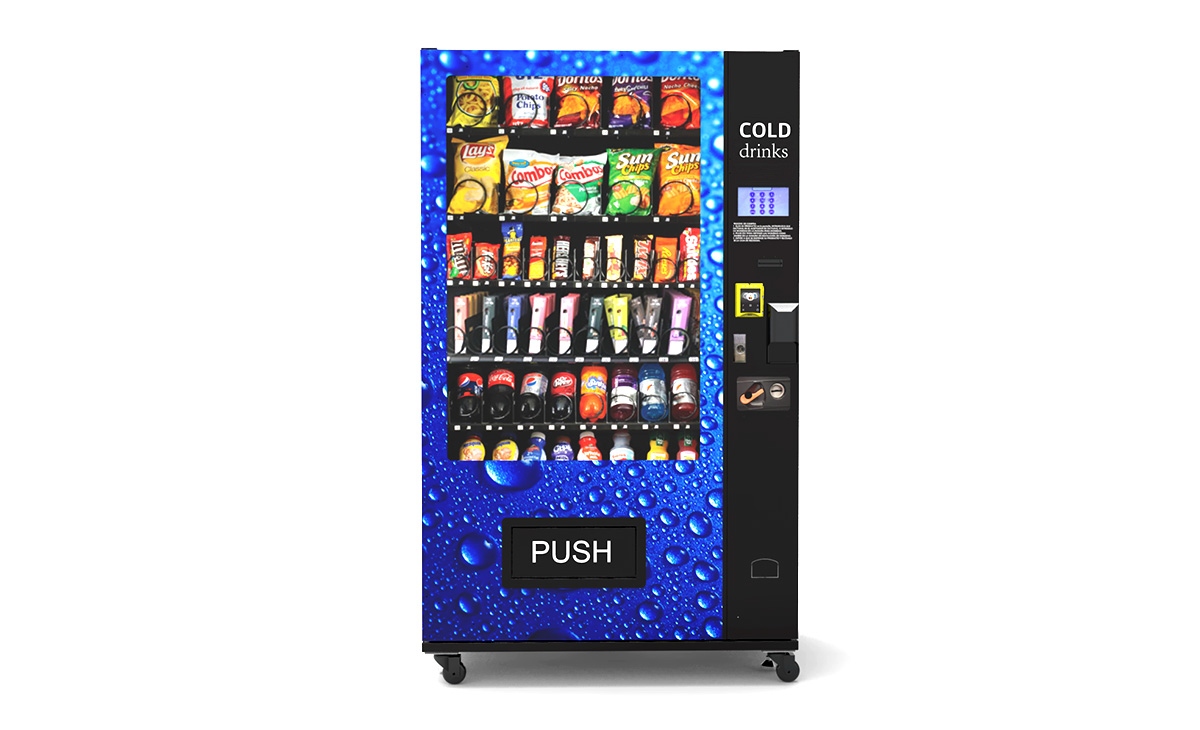
| Snack Combo (canned + packaged) | $4,500 – $8,000 | $1,800 – $3,500 | Hotels, laundromats, break rooms |
| Cold Drink Only (glass front) | $3,200 – $6,000 | $1,200 – $2,800 | Gyms, parks, industrial sites |
| Combination (snack + beverage) | $6,500 – $11,000 | $2,500 – $4,500 | Apartment complexes, schools |
| Frozen / Ice Cream | $8,000 – $14,000 | $3,000 – $5,500 | Beachfront, tourist attractions |
| Healthy / Fresh Food | $7,000 – $12,000 | $2,800 – $5,000 | Hospitals, corporate campuses |
| Bulk / Candy (spiral type) | $800 – $2,500 | $300 – $900 | Laundromats, waiting rooms |
Note: Prices are based on my experience purchasing from distributors in Florida and Georgia between 2021 and 2024. Prices fluctuate with supply chain conditions.
If you are looking for a vending machine for sale Florida at a lower entry point, used machines from reputable brands like Crane, Dixie-Narco, or Royal are worth considering. But inspect the refrigeration system carefully. A compressor replacement can cost $600 to $1,200, and in Florida, you will need it working year-round.
Evaluating a Location Before You Place a Machine
I have made the mistake of placing a machine in a location that looked good on paper but failed in practice. A busy gym with 500 members sounds promising until you realize most members bring their own water bottles and the front desk sells Gatorade at cost. Here is how I evaluate a potential spot now.
Foot Traffic vs. Buying Traffic
Foot traffic numbers are meaningless if people do not carry cash or cards with them. In Florida tourist zones, people often leave wallets in the hotel room. In industrial sites, workers carry cash but may have limited break time. I look for locations where people are already spending money on convenience items. A gas station with a long queue at the counter is a better sign than a lobby with a high pass-through count.
Accessibility and Restocking Logistics
Florida has gated communities that require special access codes, apartment buildings with freight elevators that break down, and beachfront properties where parking is a nightmare. If it takes you 45 minutes to park and wheel a dolly 200 yards, your restocking cost per visit goes up significantly. I factor in a minimum of 30 minutes per restock trip for urban locations and 15 minutes for suburban ones.
Competition and Existing Contracts
Some locations have exclusive contracts with national vending companies like Canteen or Aramark. Do not waste time trying to undercut them unless you have a significantly better service model. I once lost a location because I did not check the fine print in the property management agreement—it gave the incumbent operator right of first refusal.
Revenue Expectations and Realistic Profit Margins
According to data from IBISWorld, the vending machine services industry in the US generated approximately $8.5 billion in revenue in 2023, with an average profit margin of around 6% to 8% for small operators. Larger operators with optimized routes can push margins to 12% or higher.
In my own operation, a well-placed machine in a Florida hotel with steady tourist traffic generates between $400 and $1,200 per month in gross sales. After cost of goods sold (approximately 45% to 55% for snacks and drinks), credit card processing fees (2.5% to 4%), and location commission (10% to 20%), net profit per machine ranges from $150 to $400 per month. Machines in high-traffic industrial sites can do better, sometimes $600 to $800 net monthly, but those locations are harder to secure.
If you are evaluating a vending machine for sale Florida, run your numbers based on a 12-month average. Florida seasonal fluctuations can be brutal. A machine that does $1,500 in March might drop to $300 in September.
Payment Systems: Cash Is Not Dead, but Cards Win
I started with cash-only machines. That was a mistake. In Florida, especially in tourist areas, many customers do not carry coins or small bills. According to a 2023 report by the Federal Reserve, cash usage in the US fell to about 18% of transactions, with younger demographics using cards or mobile payments almost exclusively.
Modern machines should support at minimum credit and debit cards via NFC tap. Some operators I know have added Apple Pay and Google Wallet support and seen a 20% to 30% increase in sales. The upfront cost for a card reader retrofit is about $400 to $700 per machine, plus a monthly fee of $10 to $20 and transaction fees. It is worth it. If you are buying a used vending machine for sale Florida, check whether the control board supports modern payment systems or if you will need to upgrade.
One thing I learned the hard way: in humid Florida climates, card readers can fail due to moisture. I now specify weather-sealed readers and keep a spare unit in my truck.
Maintenance and Repair Costs You Cannot Ignore
Vending machine repair is not optional. It is a recurring expense that many new operators underestimate. Based on my records, the average annual maintenance cost per machine runs between $300 and $600. That includes:
- Refrigeration system service (cleaning coils, checking refrigerant levels)
- Coin mechanism and bill validator cleaning
- Door seal replacement (common in humid climates)
- Control board diagnostics and replacement
- Touchscreen or display repairs
I have seen operators buy a cheap vending machine for sale Florida from an online auction only to spend $800 in repairs within the first three months. A machine that looks like a bargain often is not. Stick with brands that have local service technicians in Florida. Crane, Dixie-Narco, and USI have good parts availability. If you are importing or buying from a lesser-known manufacturer, verify that replacement parts can be shipped within 48 hours.
I have worked with Zhongda Smart on several machines for high-traffic locations. Their equipment is built with modular components, which makes field repairs faster. If you are looking for a supplier that balances cost with serviceability, they are worth a conversation—but always request a list of compatible parts distributors in your region before committing.
How to Choose a Supplier or Manufacturer
I have bought machines from five different suppliers over the years. Here is what I look for now:
Parts Availability
If the manufacturer cannot provide a list of authorized parts distributors in the US, walk away. You do not want to wait three weeks for a simple sensor replacement.
Warranty Terms
A standard warranty should cover the compressor for at least three years and the control board for one year. Some Chinese manufacturers offer five-year warranties on compressors, but read the fine print—shipping costs and labor are often excluded.
Payment System Compatibility
Make sure the machine supports Nayax, Cantaloupe, or USAT card readers. If the supplier pushes a proprietary payment system that is not widely supported in the US, you will have trouble with integration and future upgrades.
Local Support
I prefer suppliers that have a US-based warehouse or at least a service partner. Zhongda Smart, for example, has a distribution arrangement in the Southeast that made it easier to get replacement parts within two days. That matters when a machine is down in a high-rent location.
Common Mistakes New Operators Make
I have seen dozens of people enter this business with enthusiasm and leave within 18 months. Here are the most common failures:
- Buying the cheapest machine available. A $1,500 used machine from a brand you have never heard of will likely cost you more in repairs than a $4,000 machine from a reputable brand.
- Ignoring location commission costs. Some property managers demand 25% commission. That leaves you with almost no margin after product cost and fees.
- Overstocking slow-moving items. I once filled a machine with 30 varieties of chips. Only five sold regularly. The rest expired.
- Not having a cash management system. If you are collecting cash, you need a secure counting process. I use a locked bag system and count at home, not in the parking lot.
- Underestimating restocking time. Each machine takes 15 to 30 minutes to restock, plus travel time. If you have 20 machines spread across Miami, that is a full-time job.
Real Data on Vending Machine Performance
According to a 2023 report by Automatic Merchandiser (now part of Vending Market Watch), the average vending machine in the US generates approximately $75 to $100 per week in sales. That figure varies widely by location type. Machines in schools and universities tend to perform better, averaging $120 to $180 per week, while machines in small offices may only do $40 to $60 per week.
In Florida specifically, I have seen machines in medical office buildings perform consistently well, averaging $90 to $130 per week, because staff and patients are captive audiences with limited food options nearby. Tourist locations are more volatile but can hit $200 per week during peak season.
Should You Buy, Lease, or Use a Revenue Share Model?
| Model | Upfront Cost | Monthly Cost | Profit Potential | Risk Level |
|---|---|---|---|---|
| Buy outright (new) | $4,500 – $12,000 | $0 (except repairs) | High (you keep all profit after costs) | Medium (capital tied up) |
| Buy outright (used) | $1,200 – $4,000 | $0 (higher repair risk) | Medium to High | High (repair costs can exceed savings) |
| Lease (36 months) | $0 – $500 down | $150 – $300 | Low (lease payment eats profit) | Low (no large capital outlay) |
| Revenue share with location | $0 | 0% (location gets 10%–25% of sales) | Low to Medium | Low (but limited control) |
I prefer buying used machines from reputable brands and refurbishing them myself. That gives me the best balance of cost and control. If you are new, consider starting with one or two used machines from a known brand before scaling. A single vending machine for sale Florida at a reasonable price can teach you more in six months than any guide can.
Regulations and Permits in Florida
Florida does not require a statewide vending machine license, but local municipalities may have their own requirements. In Miami-Dade County, for example, you need a business tax receipt and may need a separate permit for each machine depending on the location. Some cities require a food handling permit if you sell perishable items.
Sales tax on vending machine sales in Florida is currently 6%, plus any local surtax. You are responsible for collecting and remitting that tax. The Florida Department of Revenue has a specific form for vending machine operators. I recommend consulting with a tax professional who understands vending machine accounting, because the rules around what is taxable (candy? hot food? cold drinks?) can be confusing.
If you are placing a machine in a school or hospital, there may be additional nutritional guidelines. Florida has specific requirements for vending machines in public schools under the Healthy, Hunger-Free Kids Act. Do not assume you can sell the same products everywhere.
How to Scale a Vending Operation in Florida
Scaling from one machine to ten requires a different mindset. You need a route optimization plan, a reliable vehicle, and a system for tracking inventory and sales. I use a simple spreadsheet, but many operators use software like VendScreen or Cantaloupe's Seed platform.
One lesson I learned: do not place machines too far apart. If your machines are spread across three counties, you will waste hours driving. Cluster them within a 20-mile radius if possible. In Florida, that often means focusing on one metro area like Orlando, Tampa, or Miami rather than trying to cover the whole state.
Another scaling tip: negotiate better product pricing as you grow. When I had five machines, I paid retail at Costco. When I hit 20 machines, I opened a wholesale account with a distributor and saved 12% on average across all products.
When to Walk Away from a Location
Not every location is worth keeping. I have pulled machines from locations that looked great on paper but never produced consistent sales. Signs that a location is not working:
- Monthly sales below $200 for three consecutive months
- High theft or vandalism rates (Florida has areas where machine break-ins are common)
- Location management changes and the new manager demands a higher commission
- Equipment damage from humidity or salt air that exceeds the profit generated
I once kept a machine in a beachfront hotel for two years because I was attached to the relationship with the owner. It never made money. I should have pulled it after six months. Be honest with yourself about the numbers.
FAQ: Vending Machine for Sale Florida
Are vending machines profitable in Florida?
Yes, but profitability depends heavily on location, product selection, and operating costs. In my experience, a well-placed machine can net $150 to $400 per month after all expenses. Tourist areas can generate higher revenue but are more seasonal.
How much does a vending machine for sale Florida cost?
New machines range from $3,200 for a basic drink machine to $14,000 for a frozen food unit. Used machines typically cost $1,200 to $4,500, but factor in potential repair costs of $300 to $800 per year.
How long does it take to break even on a vending machine?
Based on my experience, break-even for a new machine in a good location is 12 to 18 months. Used machines can break even in 6 to 12 months if you avoid major repairs. These are estimates and vary significantly by location and operating efficiency.
Should a beginner buy new or used?
I recommend starting with a used machine from a reputable brand like Crane or Dixie-Narco. You will learn the basics of maintenance and repair without risking as much capital. Just budget for initial repairs.
Where are the best locations to place a vending machine in Florida?
High-performing locations include hotels with no on-site dining, medical office buildings, apartment complexes with limited food access, and industrial warehouses. Avoid locations with existing vending contracts or where the front desk sells similar items.
What permits do I need to operate a vending machine in Florida?
You need a business tax receipt from the city or county where the machine is located. If you sell food items, you may need a food handling permit. Sales tax registration with the Florida Department of Revenue is required. Check with local authorities for specific requirements.
How do I choose a vending machine supplier?
Look for suppliers that offer parts availability in the US, a reasonable warranty, and compatibility with US payment systems. I have had good experiences with Zhongda Smart for their modular design and parts support, but always verify local service options before purchasing.
What happens if my vending machine breaks down?
You will need to diagnose the issue yourself or hire a local vending machine repair technician. Common issues include coin jams, refrigeration failures, and card reader malfunctions. Keep a basic toolkit and a spare control board if possible. For complex repairs, budget $150 to $300 per service call.
How can I reduce restocking and maintenance costs?
Cluster machines in the same geographic area to reduce travel time. Use a route management app to track inventory levels. Buy products in bulk from a wholesale distributor. Schedule regular cleaning and coil maintenance to prevent major breakdowns.
Can I run a vending machine business part-time?
Yes, if you have fewer than 10 machines and they are clustered in a small area. Expect to spend 5 to 10 hours per week on restocking, cleaning, and accounting. As you scale, it becomes a full-time commitment.
This article was updated in April 2025. Disclaimer: The figures and estimates provided in this article are based on my personal experience operating vending machines in Florida and the Southeast United States, as well as publicly available industry data. Individual results may vary significantly depending on location, equipment condition, operating costs, and market conditions. This content does not constitute financial or legal advice. Consult with a qualified professional before making investment decisions.