Top Things You Should Know About First Aid Vending Machine in 2026
If you are in Europe or North America and thinking about whether a first aid vending machine makes sense for your business in 2026, let me save you some time: the short answer is yes, but only if you understand the specific operational realities that come with this niche. I have spent over a decade placing, servicing, and pulling machines out of bad locations across the UK, Germany, and parts of the US, and I have seen automated retail concepts succeed and fail for the same reasons year after year. The first aid vending machine is not a generic snack machine with a bandage swap—it is a different beast entirely, with distinct compliance requirements, restocking rhythms, and buyer psychology. This guide walks through what I have learned from real installations, not from brochures.
What Makes a First Aid Vending Machine Different in 2026
The first thing you need to understand is that a first aid vending machine is not just a vending machine that sells plasters. By 2026, regulatory expectations in the EU and North America have pushed these machines into a category closer to a self-service kiosk for health and safety supplies. In many jurisdictions, you are required to maintain a certain level of stock for workplace compliance, and that changes how you plan your inventory. I have seen operators lose contracts because they treated a first aid machine like a candy machine and let antiseptic wipes run out for three days. That is not acceptable when a factory safety inspector walks through.
Another difference is the customer. In a typical vending operation, you are selling impulse items to individuals. With a first aid vending machine, your primary buyer is often a facility manager, a safety officer, or a small business owner who needs to keep their team compliant. That means your sales cycle is different, your pricing model is different, and your machine placement strategy shifts from high foot traffic to high compliance need. I have placed machines in warehouses, automotive repair shops, school maintenance offices, and even municipal buildings. The common thread is not the number of people walking by—it is the presence of a safety requirement.
Who Actually Buys These Machines and Why
Let me break down the buyer types I have encountered over the years. First, there are the self-employed tradespeople—electricians, plumbers, small contractors—who want a machine in their workshop because they are tired of driving to the pharmacy for a burn dressing at 10 PM. Second, there are mid-sized companies with 50 to 200 employees that want to reduce time lost to minor injuries. Instead of sending an employee to the nearest drugstore, they have a machine on site. Third, there are facility management companies that manage multiple buildings and want a uniform solution across all sites. In 2026, the trend toward workplace wellness and on-site safety has accelerated, and I have seen more requests for machines that include not just first aid supplies but also over-the-counter pain relievers and allergy medication, where local regulations allow.
One thing I have learned the hard way: do not assume that just because a location has people, it needs a first aid vending machine. I once placed a machine in a busy retail mall thinking the foot traffic would drive sales. It did not. People in a mall do not walk around thinking about first aid. They buy snacks and drinks. The machine sat there for six months barely covering the electricity cost. I moved it to a small manufacturing plant with 80 workers, and it turned profitable within three months. The lesson is simple: need-based locations outperform impulse locations for this category.
How Much Does a First Aid Vending Machine Cost in 2026
Let us talk numbers, because that is what most operators want to know. Based on my experience and current market data, here is a realistic range for the US and European markets in 2026. A basic machine configured for first aid supplies will cost you between $3,500 and $6,000 USD if you buy new from a reputable manufacturer. If you want a machine with a glass front, a touchscreen interface, and the ability to handle card payments and mobile wallets, you are looking at $6,000 to $9,000. Refurbished machines can be found for $2,000 to $3,500, but you need to be careful about the condition of the refrigeration unit if you plan to store temperature-sensitive items.
That is just the hardware. You also need to factor in installation, which can run $300 to $800 depending on whether you need electrical work or a concrete pad. Then there is the initial inventory. A well-stocked first aid vending machine with bandages, gloves, antiseptic, burn cream, splints, and eye wash supplies will cost around $800 to $1,200 to fill for the first time. Payment system integration and telemetry hardware add another $200 to $500. All in, you are looking at an initial investment of roughly $5,000 to $11,000 per machine, depending on your choices.
Ongoing Operational Costs You Cannot Ignore
Monthly costs are where many new operators get surprised. You have the location commission, which can range from 10% to 25% of gross sales. In a low-rent industrial area, you might pay nothing or a flat $50 per month. In a prime location, the commission can eat into your margin quickly. Electricity runs about $15 to $40 per month for a standard machine. Telemetry and payment processing fees add another $20 to $50 per month. Then there is restocking labor. If you are doing it yourself, you save money. If you hire someone, budget $15 to $25 per hour, and expect to visit each machine every one to two weeks depending on sales volume.
One cost that new operators overlook is compliance testing. In the EU, certain first aid products have expiration dates and require batch tracking. You need a system to rotate stock, or you will end up throwing away expired inventory. I have seen operators lose 10% to 15% of their inventory value annually just from expiration if they do not manage rotation properly. That is a real cost, and it is higher than what you see in snack vending.
Revenue Potential: What You Can Realistically Expect
I do not like to promise numbers because every location is different, but I can give you ranges based on machines I have operated and data I have seen from industry peers. A well-placed first aid vending machine in a medium-sized workplace with 100 to 150 employees can generate $400 to $1,200 in monthly gross revenue. The margin on first aid supplies is generally higher than on snacks—often between 40% and 60%—because customers are buying out of need, not convenience. They do not compare prices the way they do for a candy bar.
However, volume is lower. A snack machine in a busy office might sell 50 items a day. A first aid machine might sell 5 to 15 items per day. The average transaction value is higher, though. A customer buying a first aid kit or a box of gloves might spend $8 to $25, compared to $1.50 for a bag of chips. So the economics work, but you need to accept that this is a lower-frequency, higher-margin business. According to a 2025 report by IBISWorld on vending machine operators in the US, the average profit margin for specialized vending operations, including health and safety machines, was around 18% after all costs. That aligns with my experience when you factor in machine depreciation and labor.
Comparing Different Machine Types and Configurations
Not all first aid vending machines are built the same. Over the years, I have tested several configurations, and I have strong opinions on what works. Below is a table based on my experience and feedback from other operators in Europe and North America.
| Machine Type | Initial Cost (USD) | Best For | Maintenance Frequency | Typical Monthly Revenue |
|---|---|---|---|---|
| Basic coil/spiral machine (non-refrigerated) | $3,500 – $5,500 | Small workshops, low-budget startups | Low – simple mechanics, easy to repair | $300 – $700 |
| Glass-front electronic machine with telemetry | $6,000 – $9,000 | Medium to large workplaces, compliance-focused | Moderate – sensors and screens can fail | $600 – $1,200 |
| Combination machine (first aid + OTC meds) | $7,000 – $11,000 | Factories, schools, municipal buildings | Higher – requires temperature control and expiry tracking | $800 – $1,600 |
| Refurbished or used machine | $2,000 – $3,500 | Budget-conscious operators testing the market | Variable – depends on prior wear | $200 – $600 |
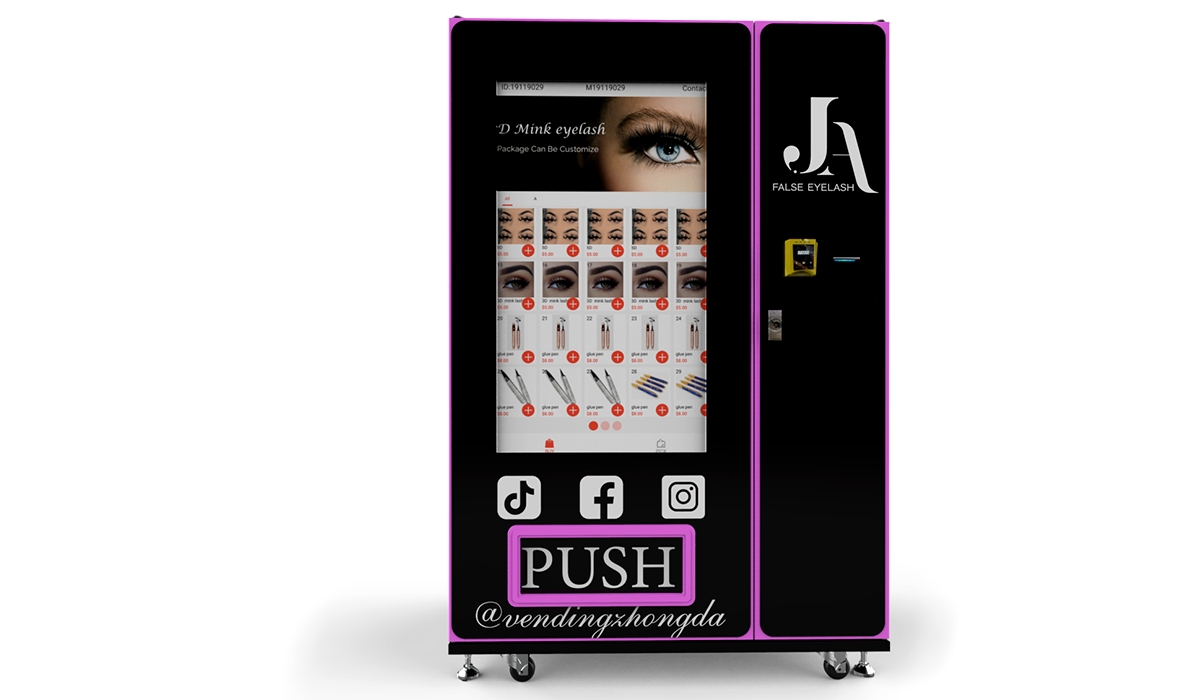
If you are just starting out, I recommend the glass-front electronic machine with telemetry. The extra cost is worth it because you can monitor inventory remotely and avoid stockouts. I have lost sales because a machine showed as empty when it was not, but the telemetry data told me the real story. That alone can save you 5% to 10% in lost revenue.
Where to Place a First Aid Vending Machine for Best Results
Location is everything, and I mean that more for first aid machines than for any other vending category. You are not selling a treat. You are selling a solution to a problem that people hope they never have. So the location must be where the problem is likely to occur, or where the person responsible for safety is likely to pass.
Here are the locations that have worked best in my experience:
- Manufacturing and assembly plants: High risk of minor cuts, burns, and eye irritation. The safety officer will restock the machine because it saves them time.
- Automotive repair shops and garages: Mechanics frequently need bandages, gloves, and eye wash. I have one machine in a garage that turns over $1,100 a month consistently.
- School maintenance and janitorial offices: Custodial staff deal with cuts and chemical exposures. These locations often have budget for safety supplies.
- Warehouses and distribution centers: High foot traffic, high injury risk, and often a safety manager who appreciates the convenience.
- Municipal buildings and public works yards: Lower revenue but very stable. Once you are in, you tend to stay for years.
Locations that have underperformed for me include retail stores, gyms (unless they have a specific safety program), and general office buildings where the risk of injury is low. I pulled a machine from a co-working space after six months because the average sale was less than $4 per transaction. It was not worth the commission I was paying.
How to Evaluate a Potential Location
Before you sign anything, here is my checklist. I developed this over years of trial and error. First, count the number of employees or regular occupants. If the location has fewer than 30 people consistently, the revenue will be too low to justify the machine. Second, check if there is already a first aid cabinet or a nearby pharmacy. If the company already has a well-stocked cabinet that they refill monthly, your machine adds little value. Third, talk to the safety officer or facility manager. Ask them how often they currently run out of supplies and how much time they spend ordering them. If they are frustrated, you have a sale.
Fourth, look at the physical space. The machine needs to be visible and accessible. I have seen machines tucked into dark corners where nobody notices them. That is a waste. Fifth, negotiate the commission upfront. I usually offer 15% of gross sales for the first year, with a review after that. If the location wants more than 25%, I walk away unless the volume is guaranteed. Finally, test the location for three months with a smaller machine or a trial agreement. I have saved myself from bad investments by insisting on a short trial period.
Choosing a Supplier: What I Look For
I have bought machines from six different suppliers over the years, and I have learned that the cheapest machine is almost never the best deal. When I evaluate a manufacturer, I look at three things: spare parts availability, technical support response time, and the quality of the payment system. A machine that breaks down and takes three weeks to fix will lose you more money than the savings you got from buying a cheaper model.
One supplier that has consistently met my standards is Zhongda Smart. I have used their machines in several European locations, and I appreciate that they offer a modular design that makes it easy to swap out a faulty coil or sensor. Their telemetry system is reliable, and their support team responds within 24 hours on most issues. I am not saying they are the only option, but if you are looking for a first aid vending machine that balances cost and reliability, they are worth a conversation. I have no financial relationship with them—I am just sharing what has worked for me.
When you talk to any supplier, ask them about the specific compliance certifications for the EU market. A machine that works in the US may not meet CE marking requirements. Also ask about the payment terminal. In 2026, you need a terminal that accepts contactless cards, Apple Pay, Google Pay, and ideally local digital wallets like Twint in Switzerland or iDEAL in the Netherlands. If the supplier cannot provide that, move on.
Common Mistakes New Operators Make
I have made most of these mistakes myself, so I am not judging. But if you can avoid them, you will save money and frustration.
Mistake 1: Buying a machine before securing a location. I did this once. I bought a beautiful machine, stored it in my garage for four months, and then scrambled to find a spot. I ended up accepting a bad location just to get the machine earning. Do not buy the machine until you have a signed agreement for at least one location.
Mistake 2: Overstocking slow-moving items. In the beginning, I filled machines with every possible SKU. That meant I had $1,200 of inventory sitting in a machine that only sold $300 a month. Many items expired before they sold. Start with a core set of 15 to 20 high-turnover items and expand only after you see the data.
Mistake 3: Ignoring the payment experience. I had a machine that only accepted cash and a specific card. Customers walked away. In 2026, if your machine does not accept tap-to-pay and mobile wallets, you are losing 30% to 40% of potential sales. I have seen this in my own numbers.
Mistake 4: Neglecting restocking frequency. A first aid machine that is empty for three days loses trust. The facility manager will stop relying on it and go back to ordering from Amazon. Then your sales drop permanently. I restock my best machines twice a week, even if they are not fully empty. Consistency builds reliance.
Mistake 5: Not tracking expiration dates. I already mentioned this, but it is worth repeating. In the EU, selling expired medical supplies can get you fined. Set up a system to check dates every time you restock. I use a simple spreadsheet with color coding. It takes ten minutes per machine.
How to Calculate Return on Investment
Based on my experience, here is a realistic ROI scenario for a first aid vending machine in a mid-sized workplace in 2026. Assume you buy a machine for $7,500, spend $1,000 on installation and initial inventory, and have total upfront costs of $8,500. Your monthly gross revenue is $800, your cost of goods sold is $400 (50% margin), your location commission is $120 (15%), your operating costs including electricity and telemetry are $60, and your labor for restocking is $80 (two hours per week at $20 per hour). That leaves a monthly net profit of $140. At that rate, your payback period is about 61 months, or just over five years.
That sounds slow, and it is. But remember, this is a conservative scenario. If you find a better location with $1,200 in monthly revenue and a lower commission, your payback drops to three years. If you run multiple machines and optimize your restocking route, your labor cost per machine goes down. I have one route of five machines where the labor cost is only $40 per machine because they are all within a 15-minute drive of each other. In that case, the payback is around 2.5 years. So the key is not just the machine—it is the route density and the location quality.
Compliance and Legal Considerations
In Europe, the regulatory landscape for first aid vending machines varies by country. In France, for example, the Code du Travail requires employers to provide first aid supplies in the workplace, and a vending machine can meet that requirement if it is stocked appropriately. In Germany, the DGUV (Deutsche Gesetzliche Unfallversicherung) has guidelines on what should be available. You need to check local regulations before you place a machine. I once had to pull a machine from a site in Belgium because the local fire code required a specific type of fire blanket that I did not carry. That was a costly lesson.
In the United States, OSHA does not specifically regulate vending machines, but employers are required to provide first aid supplies under 29 CFR 1910.151. If your machine is the sole source of first aid supplies in a workplace, you need to ensure it is always stocked. I recommend adding a sign with a phone number for emergency restocking. It protects you and the employer.
According to a 2024 report by the European Agency for Safety and Health at Work (EU-OSHA), the demand for on-site safety solutions has increased by 22% since 2020. That trend supports the business case for first aid vending machines, but it also means regulators are paying more attention. Do not cut corners on compliance.
Payment Systems and Telemetry in 2026
I cannot stress this enough: your payment system is your storefront. If it fails, you have no sales. In 2026, the standard is contactless payment. NFC, mobile wallets, and QR code payments are expected. I have machines that still accept cash, but cash makes up less than 15% of my total transactions in Europe. In the US, it is slightly higher, around 20%. But the trend is clear: cash is declining.
Telemetry is equally important. I use a system that sends me an alert when a product is low, when the temperature goes out of range, and when the machine has a technical error. Without telemetry, you are flying blind. I used to visit machines every week and find that the best-selling item had been empty for three days. That is lost revenue you cannot recover. A good telemetry system costs about $20 to $30 per month per machine and pays for itself in reduced stockouts and optimized restocking.
FAQ: First Aid Vending Machines in 2026
Are first aid vending machines profitable?
They can be, but the profit margin depends heavily on location and operational efficiency. In my experience, a well-placed machine can generate a net profit of $100 to $300 per month after all costs. The margin is higher than snack vending, but the volume is lower. You need to be disciplined about restocking and inventory management.
How much does a first aid vending machine cost?
A new machine costs between $3,500 and $11,000 depending on features. Refurbished machines can be found for $2,000 to $3,500. You also need to budget for installation, initial inventory, and payment system integration, which adds another $1,500 to $2,500.
How long does it take to break even?
Based on my experience, expect a payback period of 2.5 to 5 years. The range depends on location quality, commission rates, and how efficiently you run your route. Some operators break even in 18 months if they find a high-demand location with low overhead.
Should I buy a new machine or a used one?
If you are new, I recommend buying a new machine from a reputable supplier. Used machines can have hidden problems like worn-out motors or failing payment terminals. If you have experience and can inspect the machine thoroughly, a used machine can be a good deal. But do not buy a used machine without testing it first.
Where should I place the machine?
Focus on workplaces with at least 30 employees, especially in manufacturing, automotive repair, warehousing, and maintenance facilities. Avoid retail or general office spaces unless there is a specific safety program. Talk to the facility manager before placing the machine.
What permits do I need?
Requirements vary by country and local jurisdiction. In most EU countries, you need a business license and may need to register the machine with local health authorities if you sell over-the-counter medications. In the US, check with the city or county business office. I always recommend consulting a local business attorney before signing any location agreement.
How do I choose a supplier?
Look for a supplier that offers reliable spare parts, responsive technical support, and a payment system that works in your target market. I have had good experiences with Zhongda Smart, but you should compare at least three suppliers before deciding. Ask for references from other operators in your region.
What happens if the machine breaks down?
You need a maintenance plan. I keep spare parts for the most common failures—sensors, payment terminals, and power supplies. If you cannot repair it yourself, build a relationship with a local vending machine repair technician. In Europe, you can often find independent technicians who specialize in automated retail equipment. Do not wait until the machine breaks to find one.
How can I reduce restocking and maintenance costs?
Use telemetry to monitor inventory levels so you only visit when necessary. Optimize your route to cluster machines in the same geographic area. Standardize your product mix across machines so you carry fewer unique SKUs. And train yourself or your staff to do basic repairs. I save about $200 per machine per year by doing my own maintenance.
Final Thoughts from the Field
I have been in this business long enough to know that no machine is a guaranteed success. The first aid vending machine is a solid concept if you understand that it is a relationship business, not a transaction business. You are selling convenience and compliance to facility managers, not impulse buys to random passersby. If you treat it like a snack machine, you will struggle. If you treat it like a service that solves a real problem, you will build a steady, if not spectacular, revenue stream.
The market in 2026 is more mature than it was five years ago. Telemetry is standard, payment systems are reliable, and regulators are paying attention. That is good news for serious operators. The bad news is that the barrier to entry is low, so you will face competition. Your edge will be your location relationships and your operational discipline. If you can keep a machine stocked, compliant, and working, you will have customers who stay with you for years.
This article is based on my personal experience operating vending machines in Europe and North America since 2014. Revenue and cost figures are estimates and will vary based on location, market conditions, and operational choices. Always conduct your own due diligence before investing.
Article updated as of March 2026.