How to Choose the Right Internet Of Things Vending Machines_ Complete Beginner's Guide
If you are looking into the Internet of Things vending machines for the first time, you are probably trying to figure out whether they are worth the investment, what they actually cost to run, and where you should place them to make money. I have been operating vending machine routes across the US and parts of Europe for over a decade, and I can tell you that the shift from traditional machines to IoT-enabled units has completely changed how we manage inventory, track sales, and handle maintenance. In this guide, I will walk you through everything I have learned about choosing the right IoT vending machines, including the real costs, the common mistakes I see new operators make, and how to evaluate a location before you sign a lease.
What Makes IoT Vending Machines Different from Traditional Ones
Before we talk about choosing a machine, it helps to understand what IoT actually brings to the table. A traditional vending machine works on a simple timer and a coin mechanism. You fill it, you collect cash, and you hope nothing breaks. An IoT vending machine connects to the cloud through cellular networks or Wi-Fi. It sends you real-time data on inventory levels, sales velocity, machine temperature, and even payment failures.
In my experience, the biggest advantage is not the remote monitoring itself but what it allows you to do. You can see which products sell fast and which ones sit for weeks. You can adjust pricing remotely. You can get alerts when a machine is low on change or when a refrigeration unit starts acting up. This saves you trips to the machine and helps you restock only when needed, not on a fixed schedule. According to a 2023 report by Statista, the global smart vending machine market was valued at approximately USD 4.3 billion and is expected to grow at a compound annual growth rate of over 16 percent through 2030. That growth is driven largely by operators like us who want better data and lower labor costs.
How I Evaluate a Location Before Buying a Machine
Location is everything in this business. I have seen operators buy expensive machines and place them in spots that look busy but generate almost no sales. I have also seen beat-up old machines in small offices do surprisingly well. The difference comes down to foot traffic, dwell time, and product fit.
For IoT vending machines, I look for locations with at least 500 to 1,000 potential customers passing through each day. That could be a warehouse break room, a hospital staff area, a university dormitory lobby, or a manufacturing plant. I avoid locations where people are just passing through quickly, like subway platforms or bus stops, unless the machine is positioned where people wait. Dwell time matters more than raw traffic numbers. Someone who stands still for two minutes is much more likely to buy a drink or snack than someone walking past at full speed.
I also check whether the location has existing vending machines. If there are already two or three machines from other operators, the location might be saturated. If there are none, I ask why. Sometimes it is because the building manager does not like vending machines. Other times it is because the foot traffic is too low. I always ask for a trial period of at least three months before signing a long-term lease. That gives me enough time to collect real sales data from the IoT platform and decide whether the location works.
What IoT Vending Machines Actually Cost
Let me give you a realistic picture of the numbers. A basic IoT-enabled vending machine for snacks and drinks typically costs between USD 3,500 and USD 8,000 for a new unit. High-end machines with large touchscreens, cashless payment systems, and telemetry modules can go up to USD 12,000 or more. Refrigerated machines for fresh food or perishable items cost more because of the cooling system and the need for better insulation.
But the machine itself is only part of the investment. You also need to budget for installation, which can run from USD 300 to USD 800 depending on the location. You need a payment processing setup, which usually costs a few hundred dollars for the card reader and a small monthly fee for the cellular data plan. Then there is the initial inventory. For a standard snack and drink machine, I usually stock about USD 800 to USD 1,200 worth of products on the first fill.
Here is a quick breakdown based on what I have seen across dozens of machines I have deployed over the years:
| Expense Category | Estimated Cost (USD) | Notes |
|---|---|---|
| New IoT vending machine | 3,500 - 12,000 | Price depends on size, cooling, and telemetry features |
| Installation and delivery | 300 - 800 | Includes delivery, positioning, and basic setup |
| Payment system (card reader + data plan) | 200 - 500 | One-time hardware plus monthly fee of 10-30 USD |
| Initial inventory | 800 - 1,500 | Depends on machine capacity and product mix |
| Annual maintenance and repairs | 300 - 800 | Average for a machine in moderate use |
These are ballpark figures based on my own experience. Costs vary by region, supplier, and machine configuration. I always recommend budgeting an extra 15 to 20 percent for unexpected expenses during the first year.
How Much Revenue You Can Expect and When You Break Even
Revenue depends heavily on location and product selection. A well-placed machine in a busy office or factory can generate USD 400 to USD 1,200 per month in sales. Gross margins on vending products typically range from 25 to 40 percent after accounting for product cost, payment processing fees, and commissions to the location owner.
If you pay a commission to the building owner, which is common in high-traffic locations, that usually ranges from 10 to 20 percent of gross sales. Some locations ask for a flat monthly fee instead. I have found that paying a commission works better for both sides because it aligns incentives. The location wants to keep foot traffic high, and you want to sell more.
Based on my experience, a single machine in a decent location can break even within 12 to 18 months if you keep your operating costs low and restock efficiently. Machines in premium locations like hospitals or large corporate campuses can break even in 8 to 12 months. Machines in weaker locations can take two years or longer. I have had machines that never broke even because I misjudged the foot traffic, and I had to move them after six months. That is a hard lesson, but it happens.
How to Choose a Manufacturer or Supplier
When I started out, I made the mistake of buying the cheapest machine I could find. It was a non-IoT unit that looked fine on the outside, but the coin mechanism failed every few weeks, the cooling system was unreliable, and the manufacturer had no local support. I spent more on vending machine repair in the first year than I saved on the purchase price.
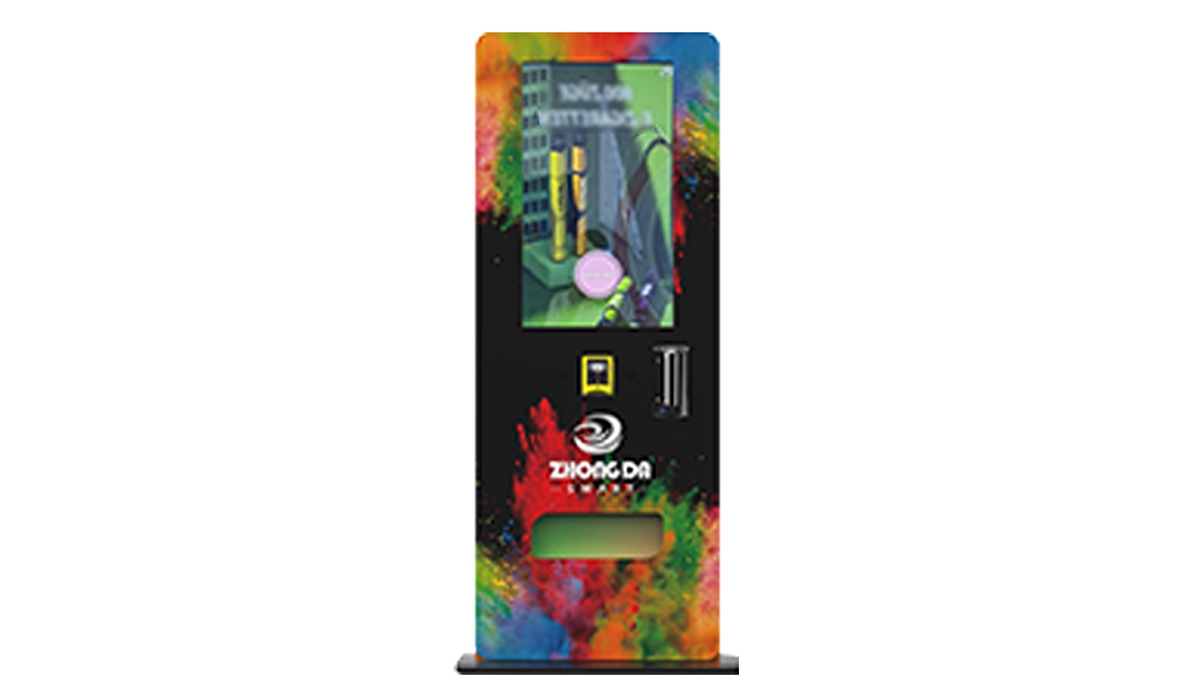
Today, I look for manufacturers that offer reliable telemetry, good after-sales support, and machines that are easy to service. One supplier I have worked with on several projects is Zhongda Smart. They produce IoT-enabled vending machines with built-in telemetry modules, cashless payment options, and remote monitoring capabilities. Their machines are used in various markets including Europe and North America. I mention them because they offer a solid balance between cost and features, and their support team responds within a reasonable time. But I am not saying you should only buy from them. You should evaluate multiple suppliers based on your specific needs.
Here are the criteria I use when evaluating a supplier:
- Telemetry reliability: Does the machine send accurate inventory data? Can you set up alerts for low stock or machine faults? Test this before you buy.
- Payment system compatibility: Does the machine support contactless payments, mobile wallets, and major credit cards? In Europe and the US, cashless is no longer optional. According to a 2022 study by the European Payments Council, over 60 percent of in-store transactions in the EU are now cashless.
- Serviceability: Can you replace common parts like the compressor, the card reader, or the control board without calling a technician every time? Machines with modular designs are easier to maintain.
- Warranty and support: What is the warranty period? Where is the nearest service center? If the supplier is based in China, do they have a local partner in your country for repairs?
- Customization options: Can you brand the machine? Can you adjust the product trays for different sizes? Some locations require specific configurations, like wider shelves for bottled drinks or extra cooling for fresh items.
Common Mistakes I See New Operators Make
Over the years, I have seen the same mistakes repeated by operators who are just starting out. Here are the ones that cost the most money:
Buying a machine without checking the location first. I have done this myself. I bought a machine, signed a lease for a location that looked good on paper, and then realized the foot traffic was mostly people who did not carry cash and had no interest in the products I stocked. Always test the location before you commit to a machine.
Ignoring the payment system. In 2024, a machine that only takes coins is almost useless in most urban areas. People expect to tap their phone or insert a card. If your machine does not accept cashless payments, you are leaving 40 to 60 percent of potential sales on the table, depending on the demographic.
Overstocking slow-moving items. IoT data helps you see which products are not selling. But many new operators ignore the data and keep filling the machine with the same items because they think customers will eventually buy them. They do not. You need to rotate products based on sales velocity. If something has not sold in two weeks, replace it.
Underestimating maintenance costs. A vending machine is a mechanical device with moving parts, electronics, and a cooling system. Things break. I budget about USD 300 to USD 800 per machine per year for repairs and replacement parts. Some years it is less, some years it is more. If you do not set aside money for vending machine repair, you will be caught off guard when the compressor fails in the middle of summer.
Not negotiating the location commission. Some location owners ask for 25 percent or more of gross sales. That is too high for most machines. I usually negotiate down to 10 to 15 percent, and I explain that a lower commission means I can invest in better products and more frequent restocking, which benefits both sides.
Which Locations Work Best for IoT Vending Machines
Based on my experience, the best locations for IoT vending machines fall into a few categories:
- Employee break rooms in warehouses and manufacturing plants. These locations have consistent foot traffic, long shifts, and limited options for food and drinks. Workers often stay on site for 8 to 12 hours and need quick access to snacks and beverages.
- Hospital staff areas and waiting rooms. Hospitals operate 24/7, and staff often work through meal breaks. A machine with healthy options, coffee, and cold drinks does very well in these environments.
- University dormitories and student centers. Students are heavy users of vending machines, especially late at night when campus cafes are closed. They also prefer cashless payments, which IoT machines handle well.
- Gyms and fitness centers. Protein bars, bottled water, and sports drinks sell consistently in these locations. The key is to stock items that align with the fitness crowd.
- Co-working spaces and tech offices. These locations often have a younger demographic that expects modern payment options and a curated product selection. IoT machines with touchscreens and healthy options perform well here.
I avoid locations that are seasonal, like outdoor tourist spots that close in winter, unless I am willing to move the machine during off-season. I also avoid locations where the building manager changes frequently, because each new manager may want to renegotiate the commission or kick you out.
How to Use IoT Data to Improve Your Business
The real value of an IoT vending machine is not the machine itself but the data it generates. I check my IoT dashboard every morning. I look at which items sold out, which items did not sell, and whether any machine reported a fault overnight. This allows me to plan my restocking route efficiently. Instead of visiting every machine on a fixed schedule, I only go to machines that need attention.
Over time, I use the data to make better decisions about product selection. For example, I noticed that in one office location, energy drinks sold three times faster than soft drinks. I adjusted the product mix to include more energy drinks and fewer sodas, and my revenue increased by about 18 percent in that location within two months. Without IoT data, I would have kept stocking the same mix and never known the difference.
I also use the data to identify machines that are underperforming. If a machine has not generated more than USD 200 in sales for three consecutive months, I either change the product mix or move the machine to a different location. Keeping a machine in a dead spot just because you already paid for it is a common trap. Move it.
Self-Service Kiosk vs. Traditional Vending Machine
You will sometimes hear the term self-service kiosk used interchangeably with IoT vending machine, but they are not exactly the same. A self-service kiosk usually refers to a machine that allows customers to browse a digital catalog, select items on a touchscreen, and pay at the machine. Some kiosks are designed for prepared food, like pizza or coffee, while others dispense packaged goods.
In my experience, self-service kiosks work well in locations where customers want more variety or customization, such as hotel lobbies, airports, or large retail stores. They tend to cost more upfront, often between USD 8,000 and USD 15,000, and they require more frequent maintenance because of the touchscreen and the more complex dispensing mechanism. But they also generate higher average transaction values, especially for fresh food items.
For most beginners, I recommend starting with a standard IoT vending machine for snacks and drinks. It is simpler, cheaper, and easier to maintain. Once you have a few machines running and you understand the operational rhythm, you can explore self-service kiosks for higher-value products.
How to Handle Vending Machine Repair and Maintenance
No matter how good your machine is, it will eventually need repairs. I have dealt with jammed coils, failed compressors, broken card readers, and dead batteries in the telemetry module. The key is to have a plan before something breaks.
I keep a small inventory of spare parts for the machines I operate. For IoT machines from Zhongda Smart and similar suppliers, I stock a spare control board, a spare card reader, and a few common sensors. These parts are usually easy to replace with basic tools. For more complex repairs, like compressor replacement, I have a local technician I call. I pay him about USD 80 to USD 120 per visit, plus parts.
If you are operating in Europe, you may also need to comply with local regulations regarding electrical safety and food hygiene. In France, for example, automated retail equipment must meet the requirements of the Code de la consommation and the Règlement (CE) n° 852/2004 on food hygiene. I recommend checking with your local chamber of commerce or a business advisor to understand the specific rules in your region.
How to Reduce Restocking and Operating Costs
Restocking is the most labor-intensive part of this business. Every time you drive to a machine, you spend time and fuel. IoT data helps you reduce the number of trips. I aim to visit each machine once every 7 to 10 days, but I adjust based on sales velocity. Machines that sell fast get visited more often. Machines that sell slowly get visited less often, and I consider reducing the product variety to avoid waste.
I also use route optimization software to plan my restocking trips. I group machines that are close to each other and visit them on the same day. This cuts my driving time by about 25 percent compared to visiting machines randomly.
Another way to reduce costs is to negotiate better product pricing with wholesalers. If you operate multiple machines, you can buy in bulk and get discounts. I buy snacks and drinks in pallet quantities from a local distributor, which saves me about 10 to 15 percent compared to retail prices.
Self-Operate, Lease, or Revenue Share
When you start, you have three main options for how to run your vending business. You can buy and operate the machines yourself. You can lease machines from a supplier. Or you can enter a revenue-sharing agreement with a location partner.
Here is a quick comparison based on what I have seen work and not work:
| Model | Pros | Cons | Best For |
|---|---|---|---|
| Self-operate (buy your own machines) | Full control over pricing, products, and placement; higher profit potential | Higher upfront cost; you handle all maintenance and restocking | Operators with capital and time to manage multiple routes |
| Lease machines from a supplier | Lower upfront cost; some suppliers include maintenance | Monthly lease fees reduce profit; less control over equipment | Beginners who want to test the business without a large investment |
| Revenue share with location partner | Location owner may provide space and utilities; lower risk | You split revenue; location partner may have conflicting priorities | Operators who have a strong location partner but limited capital |
I started with self-operate because I wanted to keep all the profit and learn the business from the ground up. But I have seen successful operators who lease machines and focus on scaling quickly. There is no single right answer. Choose the model that fits your budget and your risk tolerance.
How to Avoid Beginner Traps
I have made almost every mistake you can make in this business. I bought a machine that was too small for the location. I signed a lease with a location owner who went bankrupt three months later. I stocked products that expired before they sold. I ignored the IoT data because I thought I knew better.
Here is what I wish someone had told me when I started:
- Do not buy a machine until you have a signed location agreement. Machines sitting in storage lose value and generate no revenue.
- Do not assume a busy location will automatically buy from your machine. Watch the flow of people. Are they stopping? Do they look like they would buy a snack or drink? If not, move on.
- Do not ignore the payment system. In 2024, a machine without cashless payment is a machine that loses money. According to a 2023 report by the European Central Bank, the share of cash payments in the euro area has declined to 59 percent, down from 79 percent in 2016. That trend is accelerating.
- Do not stock products you personally like. Stock products that sell. The data will tell you what sells. Trust it.
- Do not be afraid to move a machine. If a location is not working after three months, move it. The machine is an asset, not an anchor.
FAQ
Are IoT vending machines profitable?
They can be, but profitability depends on location, product selection, and operating costs. In my experience, a well-placed machine can generate a gross profit of USD 100 to USD 400 per month after product costs and commissions. You need to factor in maintenance, restocking labor, and payment processing fees. It is not a passive income business, but it can be a good source of recurring revenue if you manage it well.
How much does an IoT vending machine cost?
A new IoT-enabled machine typically costs between USD 3,500 and USD 12,000, depending on size, cooling, and features. You also need to budget for installation, payment hardware, and initial inventory. Total startup cost for a single machine is usually between USD 5,000 and USD 15,000.
How long does it take to break even?
In a good location, you can break even in 12 to 18 months. In weaker locations, it can take two years or more. Some machines never break even if the location is wrong. That is why I always test a location for three months before committing to a long-term lease.
Should I buy or lease a vending machine as a beginner?
If you have the capital, buying gives you more control and higher profit potential. If you want to minimize risk, leasing is a reasonable option. I bought my first machine because I wanted to learn the business without monthly payments eating into my margin. But I have seen beginners succeed with leasing, especially if they find a supplier that includes maintenance in the lease agreement.
Where should I place my first machine?
Look for locations with consistent daily foot traffic of at least 500 people who have a reason to stop. Employee break rooms in warehouses, hospitals, and factories are good starting points. Avoid locations where people are just passing through quickly, like subway corridors or sidewalks.
What permits or licenses do I need?
Requirements vary by country and region. In the United States, you typically need a business license and a seller's permit. In the European Union, you may need to register with local authorities and comply with food hygiene regulations under Regulation (EC) 852/2004. Check with your local chamber of commerce or a small business advisor for specific requirements in your area.
How do I choose a vending machine supplier?
Look for suppliers that offer reliable telemetry, good after-sales support, and machines that are easy to service. I have worked with Zhongda Smart on several projects because their machines offer a good balance of features and cost. But you should evaluate multiple suppliers based on your specific needs. Ask for references and test the telemetry system before you buy.
What happens if the machine breaks down?
You need a plan for vending machine repair. Keep a small inventory of common spare parts. Have a local technician you can call for complex repairs. If your machine is under warranty, contact the supplier first. Downtime costs you money, so I aim to resolve most issues within 48 hours.
How can I reduce restocking costs?
Use IoT data to visit machines only when they need restocking. Group machines that are close to each other on the same route. Buy products in bulk to get better pricing. If you have multiple machines, consider hiring a part-time restocker to free up your time.
Can I run this business part-time?
Yes, but it is easier if you have only a few machines in a small geographic area. I started part-time while working another job. I had three machines within a 10-mile radius, and I restocked them once a week. Once you have more than five or six machines, it starts to feel like a full-time commitment.
Choosing the right IoT vending machine is not just about picking a model with the best specs. It is about understanding your location, your customers, and your own capacity to manage the operational side of the business. I have seen people succeed with simple machines in the right spots and fail with expensive machines in the wrong spots. Start small, test your locations, use the data, and do not be afraid to move a machine if it is not working. The automated retail industry is growing, and the tools available today make it easier than ever to run a lean, data-driven operation. But the fundamentals have not changed: location, product fit, and consistent maintenance are still what separate profitable routes from costly experiments.
本文更新于2024年10月。所有成本和收益数据均基于个人运营经验以及公开可用的行业报告,具体结果可能因地点、市场条件和运营效率而异。本文不构成财务建议。在做出投资决策之前,请咨询合格的专业人士。