Step-by-Step Guide to Starting a Vending Machines To Hire Business in 2026
If you are looking at the automated retail space in 2026 and wondering whether a vending machines to hire business is worth your time and capital, the short answer is yes—but only if you treat it like a real business, not a passive income fantasy. I have spent over a decade placing machines across the UK and parts of the EU, and I have seen more operators fail in the first six months than succeed, usually because they bought cheap equipment, ignored location data, or underestimated the daily grind of restocking. A vending machines to hire operation works best when you understand that you are not selling machines—you are selling convenience, reliability, and a clean user experience. The margins are real, but so are the risks. This guide walks you through everything I wish someone had told me in 2014.
Why 2026 Is a Realistic Entry Point for This Business
The vending industry has shifted significantly since the pandemic. Cashless payments are now the norm, not an upgrade. Remote monitoring has dropped in price, and customers expect contactless interaction. In 2026, starting a vending machines to hire business means you are entering a market where the infrastructure for automated retail is mature, but the competition for premium locations is still fragmented. Many small operators are still running old machines with coin mechanisms and no telemetry. That is your opening.
According to a 2023 IBISWorld report on the vending machine industry in the US, the market generated roughly $7.5 billion in revenue, with a steady annual growth rate of around 2.5 percent. In Europe, Statista data from 2024 shows that the number of installed vending units across Germany, France, Italy, and the UK exceeded 4.8 million. These numbers tell me that the infrastructure is there, but the quality of operation varies wildly. If you bring modern equipment and a reliable service model, you can capture a decent share of local business parks, gyms, and small offices that are currently underserved.
What a Vending Machines to Hire Business Actually Looks Like
Let me be clear about what "to hire" means in this context. You are not selling the machine to a client. You place the machine on their premises, you stock it, you maintain it, and you split the revenue or pay a commission to the location owner. The client gets a free amenity for their staff or customers, and you get the sales margin. This model works because it lowers the barrier for the location owner—they take zero financial risk. You carry the equipment cost, the restocking labor, and the repair liability.
I have run both purchase-based placements and hire-based placements. The hire model gives you more control. You can move a machine if it underperforms. You can swap out a snack machine for a cold drink machine if the data tells you to. You are not stuck with a unit sitting idle in a bad spot because a client bought it and then stopped restocking it. In 2026, the hire model is especially attractive because businesses are cautious about capital expenditure. They would rather have you handle everything.
Typical Revenue Split Arrangements
Most of my contracts work on a 70/30 split in my favor, with the location owner getting 30 percent of gross sales. Some high-traffic locations like hospitals or transport hubs can demand 40 percent. You need to calculate whether the volume justifies that. A machine doing £1,200 a month in gross sales with a 30 percent commission leaves you with £840 before product cost, which is roughly 45 to 50 percent depending on what you sell. That leaves you around £380 to £420 per machine per month to cover restocking labor, machine payment, and repairs. It works, but the math is tight.
Equipment Selection: Where Most Beginners Get It Wrong
The biggest mistake I see new operators make is buying the cheapest machine they can find from an unverified supplier. A machine that costs £1,500 new might look like a bargain, but if the compressor fails after six months and the manufacturer does not answer emails, you are losing money on that spot for weeks. I learned this the hard way with a batch of machines from a no-name factory in 2017. Three out of ten had cooling issues within the first year. The repair costs ate up my profit for that entire quarter.
When I evaluate equipment now, I look for three things: reliable refrigeration, a telemetry system that actually works, and a payment terminal that supports all major contactless methods including Apple Pay and Google Pay. In 2026, if your machine does not accept cards and mobile wallets, you are effectively invisible to half the potential customers. I currently run a mix of machines from established European brands and one Asian manufacturer that has proven reliable over the last four years—Zhongda Smart. Their units are well built, the telemetry is solid, and their after-sales support has been responsive. I mention them because finding a supplier that ships quickly and honours warranty claims is rare in this industry.
New vs Refurbished Machines
Refurbished machines can work if you know what to inspect. I have bought refurbished units from reputable dealers in the UK and saved about 40 percent compared to new. But you need to check the compressor age, the door seal condition, and whether the control board has been updated to handle modern payment systems. If you buy a refurbished machine that still runs on a MDB protocol from 2005, you will spend more upgrading the payment system than you saved on the purchase. I recommend new machines for anyone entering the market in 2026 because the technology gap between old and new is too wide now.
Location Scouting: The Difference Between Profit and Loss
I have placed machines in over 200 locations across the past decade. The single biggest factor in success is not the machine—it is the foot traffic and the demographic. A high-end snack machine in a warehouse with 50 employees will do less than a basic drink machine in a gym with 300 daily visitors. You need to visit potential locations in person. Do not rely on photos or the location owner's description of traffic. I once placed a machine in a "busy office building" that turned out to have 12 employees and a locked floor. I moved it within three weeks.
Here are the location types I have found most profitable in the UK and European markets:
- Gyms and fitness studios: High repeat traffic, strong demand for cold drinks and protein snacks.
- Small to medium business parks: Employees need quick options during breaks, and canteens are often closed or limited.
- Car repair shops and tyre centres: Customers wait for an hour or more and will buy drinks and snacks while waiting.
- Public transport waiting areas: Bus stations and train platforms with a steady flow of commuters.
- Educational facilities: Universities and colleges, especially in common areas or near lecture halls.
I avoid locations with an existing canteen that operates during all working hours. I also avoid locations where the average customer age is under 16, because their spending power is limited and you risk higher vandalism rates. One of my worst performing machines was in a youth centre. It got broken into twice in four months.
How I Calculate Whether a Location Is Worth It
I use a simple formula. I estimate the number of potential customers per day, multiply by the average transaction value I expect from that demographic, and then multiply by the number of operating days per month. If the estimated monthly gross is less than £400, I pass. After product cost, commission, and restocking labor, anything below £400 leaves you with almost nothing. I also factor in the distance from my home base. If a location is more than 30 minutes away, the restocking cost eats into margin too heavily unless the volume is very high.
Cost Breakdown: What You Need to Budget in 2026
I will give you the numbers based on my current operation in the UK. These are real figures from machines I have placed in the last 18 months. Your costs may vary depending on your region and supplier, but this should give you a realistic baseline.
| Expense Item | Estimated Cost (GBP) | Notes |
|---|---|---|
| New machine (snack + drink combo) | £3,500 – £5,500 | Includes telemetry and card reader |
| Refurbished machine | £1,800 – £3,000 | Check compressor and control board |
| Payment terminal installation | £200 – £400 | One-time fee plus monthly service charge |
| Initial stock (first fill) | £400 – £600 | Depends on machine capacity |
| Monthly restocking labour | £100 – £200 | Per machine, assuming weekly visits |
| Monthly telemetry subscription | £15 – £30 | Remote monitoring and sales data |
| Annual maintenance and repairs | £200 – £400 | Average across machines over 3 years |
| Commission to location owner | 25% – 40% of gross sales | Negotiated per contract |
Based on these numbers, a single machine in a decent location with £800 monthly gross sales and a 30 percent commission will net you approximately £240 to £280 per month after all costs. That gives you a payback period of 18 to 24 months on a new machine. If you buy a refurbished unit and place it in a strong location, payback can drop to 12 months. But remember, these are best-case scenarios. I have machines that took 30 months to pay back because the location underperformed or the machine needed more repairs than expected.
Payment Systems and Telemetry: Non-Negotiable in 2026
If you are serious about a vending machines to hire business in 2026, you must invest in a proper payment system and remote monitoring. I have seen operators try to save money by using older machines with only coin acceptance. They lost sales immediately. The UK and most of Europe are now largely cashless. According to a 2024 UK Finance report, cash accounted for only 12 percent of all payments in the UK, down from 45 percent a decade earlier. If your machine does not accept contactless cards and mobile payments, you are effectively turning away nearly 90 percent of potential customers.
Telemetry is just as important. Without remote monitoring, you are driving to locations blind. You do not know which products are selling, which are expiring, or whether the machine has malfunctioned until a customer calls you. That is inefficient and costly. I use telemetry from a provider called Cantaloupe in the US and a local provider in Europe. The data tells me exactly when to restock, what to restock, and whether the temperature is within range. It saves me about two hours per machine per week compared to when I did everything manually.
Maintenance and Repair: What to Expect
Machines break. It is not a matter of if, but when. The most common issues I encounter are jammed vending mechanisms, failed compressors, and payment terminal connectivity problems. A jammed snack spiral can usually be fixed on site in 10 minutes if you carry a basic toolkit. Compressor failure requires a certified technician, and that can cost £150 to £300 per callout plus parts. I recommend building a relationship with a local refrigeration engineer before you need one. Waiting for a repair during a heatwave when your drink machine is down is a fast way to lose revenue and location trust.
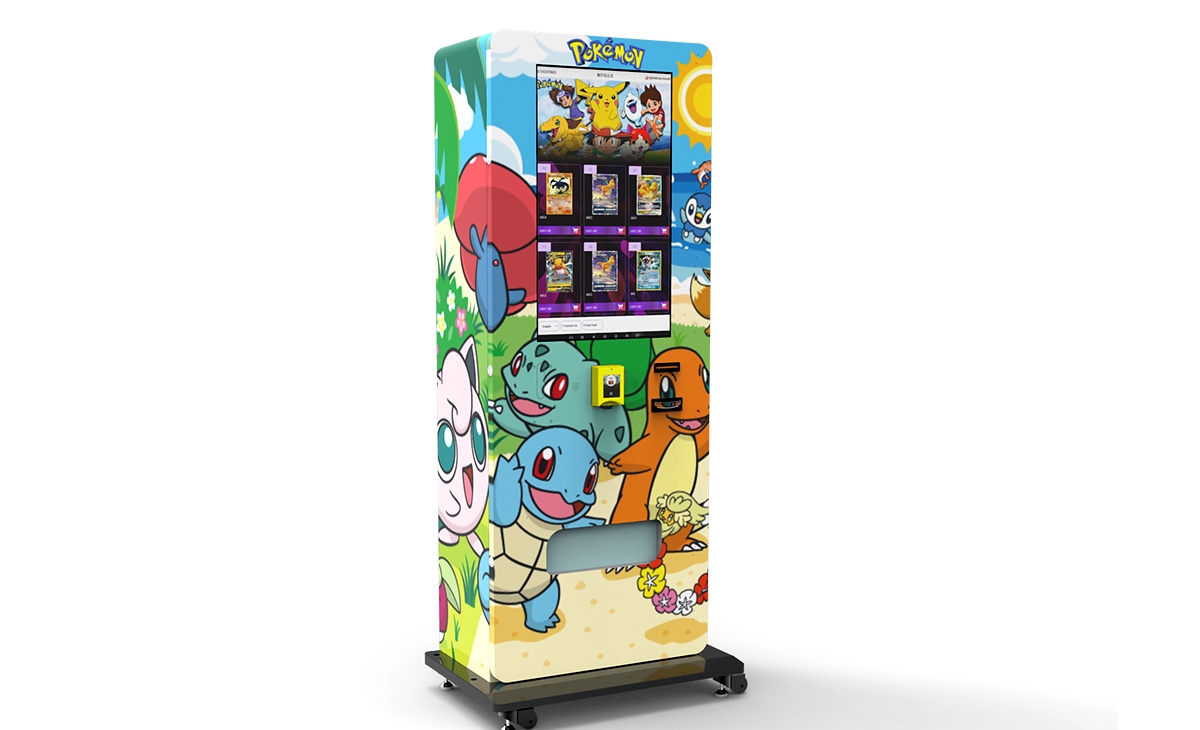
I also recommend carrying spare parts for the most common failure points: vending motors, coin mechanisms, and door switches. I keep a small inventory of these parts in my van. The cost of holding a few hundred pounds worth of spares is far less than the lost income from a machine sitting idle for a week while you wait for a part to ship.
How to Avoid the Most Common Newbie Mistakes
I have made most of the mistakes you can make in this business, so I will save you the trouble. Here are the ones I see repeated every year:
- Buying a machine before securing a location. Never buy equipment without a signed agreement for a spot. I have seen people buy three machines and then spend months scrambling for locations.
- Overpaying for a machine with unnecessary features. A machine with a giant touchscreen and a robotic arm looks impressive but adds complexity and repair cost. Keep it simple.
- Ignoring the importance of product selection. You cannot just fill a machine with random items. You need to test and rotate based on sales data. I once stocked a machine with organic snacks in a construction site. It failed miserably.
- Not having a contract with the location owner. A verbal agreement is worthless. Get a simple one-page contract that covers commission rate, machine placement, access hours, and liability.
- Underestimating the time commitment. Restocking, cleaning, and handling customer complaints takes time. If you have a full-time job and expect this to run on autopilot, you will be disappointed.
Supplier Selection: How to Choose a Manufacturer
When I look for a supplier, I prioritize reliability and after-sales support over price. A machine that costs 20 percent less but takes three weeks to get a replacement part is not a bargain. I have purchased from several manufacturers over the years. The ones that have consistently delivered are Jofemar in Spain, Crane in the US, and Zhongda Smart in China. I mention Zhongda Smart specifically because they have improved their quality control significantly in recent years, and their pricing is competitive without sacrificing build quality. If you are starting out and need a reliable machine with modern features at a reasonable cost, they are worth evaluating. But always ask for references and check the warranty terms carefully.
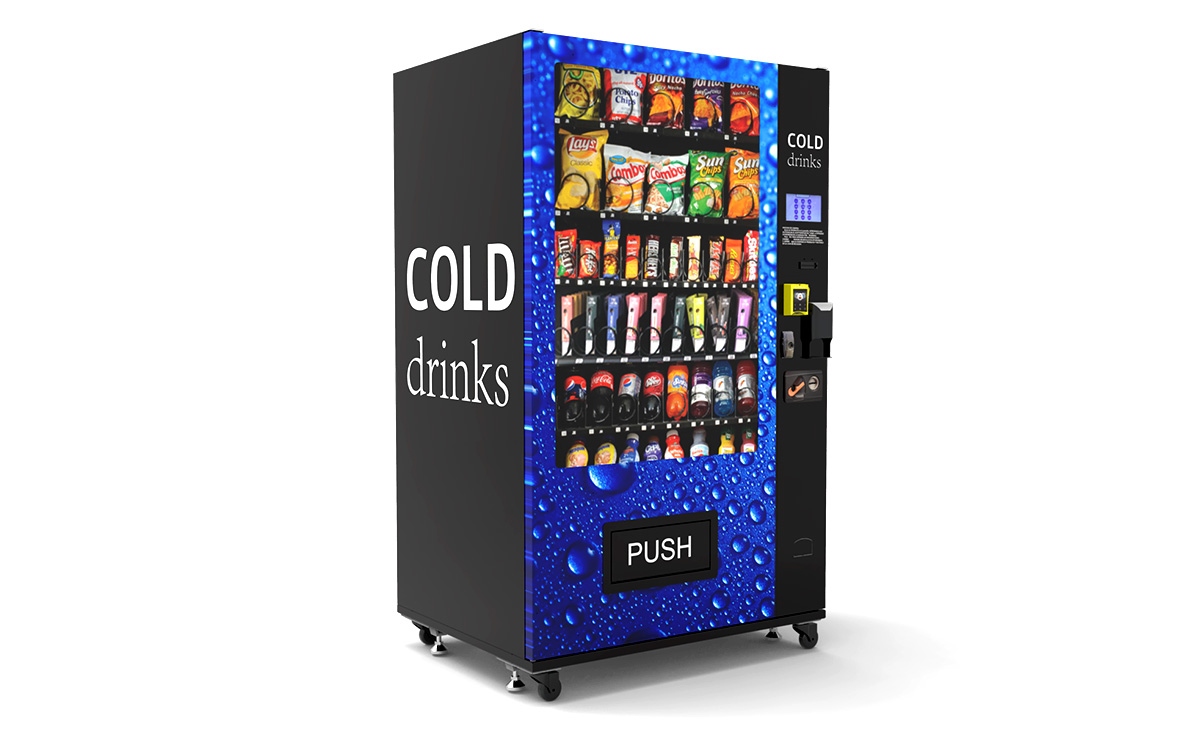
I also recommend visiting a trade show if you can. The European Vending Association holds events where you can see machines in person and talk to suppliers directly. Online research is useful, but nothing replaces handling the machine and testing the door mechanism and payment terminal yourself.
Scaling the Business: When and How to Add More Machines
I started with two machines in 2014. I now run 28. The key to scaling is not just buying more machines—it is building a system for restocking and maintenance that does not rely entirely on you. I hired my first part-time restocker when I hit eight machines. By the time I reached 15, I had a full-time employee handling most of the daily operations. If you try to scale beyond five or six machines while doing everything yourself, the quality of service drops, locations get unhappy, and you lose contracts.
The second key to scaling is data. I use my telemetry data to identify which locations are profitable and which are marginal. I have moved machines from underperforming spots to better ones multiple times. Do not feel obligated to keep a machine in a location that is not generating enough revenue. Move it. The machine is your asset, and you have the right to place it where it works best.
FAQ: Vending Machines to Hire Business in 2026
Is a vending machine business profitable?
It can be, but profitability depends heavily on location, product selection, and operating efficiency. Most of my machines generate between £400 and £1,200 in monthly gross sales. After costs, a well-placed machine can net £200 to £400 per month. Poorly placed machines can lose money.
How much does a vending machine cost in 2026?
A new combination snack and drink machine with a card reader and telemetry costs between £3,500 and £5,500. Refurbished machines range from £1,800 to £3,000. Prices vary by supplier and features.
How long does it take to break even?
Based on my experience, a new machine in a decent location takes 18 to 24 months to pay back. Refurbished machines can pay back in 12 to 18 months if placed well. These are estimates and depend on your specific costs and sales volume.
Should I buy or rent machines as a beginner?
I recommend buying if you have the capital. Renting machines from a third party often comes with high monthly fees and restrictive contracts. If you own the machine, you control the placement and the profit.
Where should I place a vending machine?
Gyms, business parks, car repair shops, transport hubs, and educational facilities are the most reliable locations. Avoid places with existing full-service canteens or very low foot traffic.
What permits or licenses do I need?
Requirements vary by country and local authority. In the UK, you generally need a food hygiene registration if you sell food items. In France, you need to register with the Direction Départementale de la Protection des Populations. Check with your local council or chamber of commerce before placing any machine.
How do I choose a supplier?
Look for a supplier with a track record of reliable equipment and responsive after-sales support. Ask for references, check warranty terms, and consider visiting a trade show. I have had good experiences with Jofemar, Crane, and Zhongda Smart.
What happens if the machine breaks down?
You are responsible for repairs. Carry a basic toolkit and spare parts for common issues. For compressor or electrical problems, you will need a certified technician. Build a relationship with a local repair service before you need one.
How can I reduce restocking costs?
Use telemetry to track sales and restock only when necessary. Group your machines geographically to minimize travel time. As you grow, hire a part-time restocker to handle the route.
Final Thoughts from a Decade in the Business
Starting a vending machines to hire business in 2026 is a realistic opportunity, but it requires more work than most people expect. The equipment is better than it was ten years ago, the payment technology is mature, and the demand for convenient, contactless retail is higher than ever. But the fundamentals have not changed. You need good locations, reliable machines, and a willingness to handle the daily details that make the difference between a profitable route and a collection of expensive paperweights.
I have seen operators come and go. The ones who last are the ones who treat this as a service business, not a set-it-and-forget-it investment. If you are willing to visit locations, talk to clients, and fix machines when they break, you can build a solid income stream. If you are looking for a passive income scheme that requires no effort, this is not the business for you.
Do your homework. Visit potential locations in person. Buy equipment from a reputable supplier. Use telemetry from day one. And never stop analysing your sales data. That is the formula that has worked for me, and it will work for you too.
This article was updated in January 2026. Data sources include IBISWorld Vending Machine Industry Report (2023), Statista Vending Machine Market Data (2024), and UK Finance Payment Markets Report (2024).