Orange Juice Vending Machine Price_ Prices, Profit Potential, and Setup Guide for Beginners
If you are looking into starting an automated retail business and wondering about the orange juice vending machine price, the first thing I will tell you is that the upfront cost is only part of the equation. After a decade of placing machines across Europe and North America, I have seen too many beginners fixate on the sticker price of a machine while ignoring the real drivers of profit: location, maintenance, and product cost. A decent commercial-grade orange juice vending machine typically ranges from €4,500 to €12,000, depending on whether you buy new or refurbished, and whether it includes features like refrigeration, touchscreen payment, and telemetry. But the real question is not how much the machine costs—it is whether the location can generate enough daily sales to cover the machine, the oranges, the electricity, and your time. This guide walks you through the actual numbers, the common pitfalls, and the practical steps to get started without burning cash.
Why Orange Juice Vending Machines Are a Different Business
Most vending machines sell packaged goods with long shelf lives. Orange juice vending machines are different because they deal with fresh produce. You are essentially running a mini juice bar inside a box. The machine squeezes oranges on demand, which means you need a steady supply of fresh fruit, regular cleaning, and a higher level of hygiene compliance. The upside is that fresh-squeezed juice commands a premium price. In the right location, you can sell a 250ml cup for €3.50 to €5.00, with a gross margin of 60% or more after the cost of oranges. But the operational complexity is higher than a standard snack machine.
Breaking Down the Orange Juice Vending Machine Price
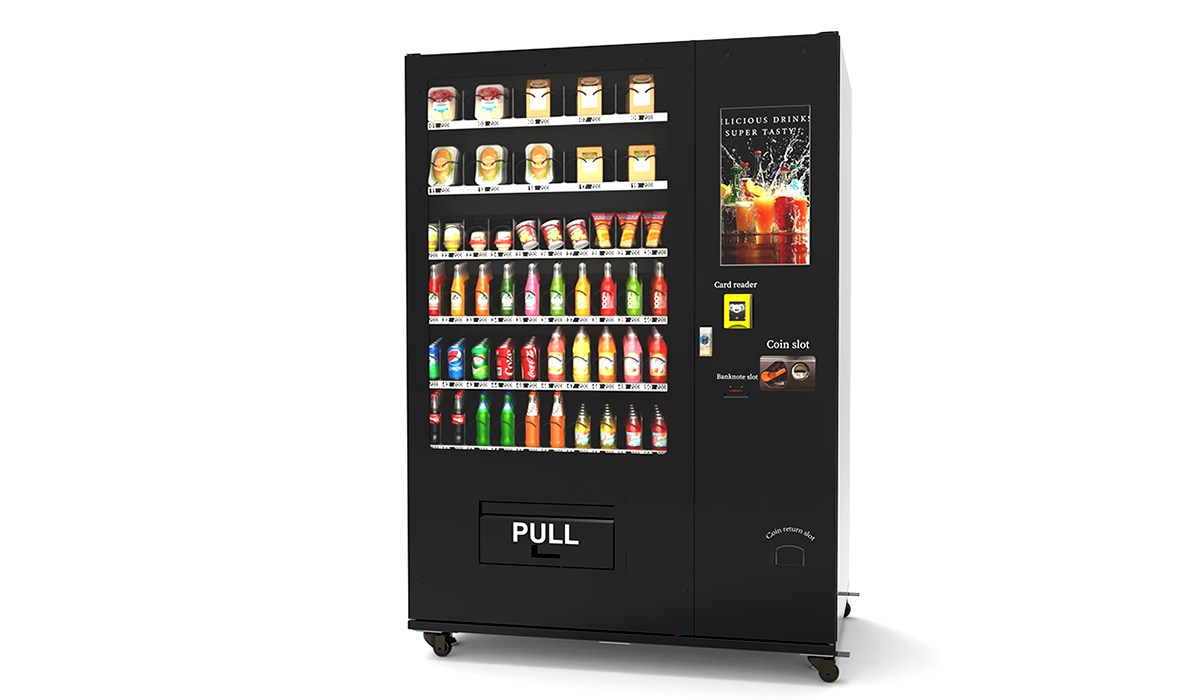
Let me give you a realistic breakdown based on what I have seen in the market. The price of an orange juice vending machine varies significantly by brand, capacity, and features. A basic model from a lesser-known manufacturer might cost around €3,000, but I have learned the hard way that cheap machines often mean expensive repairs. A reliable machine from a reputable supplier like Zhongda Smart will typically fall in the €5,500 to €9,000 range for a new unit with a refrigeration system, a juicing mechanism that handles at least 60 oranges, and a payment system that accepts cards and mobile wallets. Refurbished units can be found for €2,500 to €4,000, but you need to be careful about the condition of the juicer and the compressor.
| Machine Type | Price Range (New) | Price Range (Refurbished) | Typical Capacity | Key Feature |
|---|---|---|---|---|
| Basic countertop model | €3,000 – €5,000 | €1,500 – €2,500 | 30–40 oranges | No refrigeration, manual cleaning |
| Mid-range floor model | €5,500 – €8,000 | €2,500 – €4,000 | 60–80 oranges | Refrigeration, card reader, telemetry |
| High-end commercial model | €9,000 – €12,000 | €4,500 – €6,500 | 100+ oranges | Touchscreen, remote monitoring, self-cleaning |
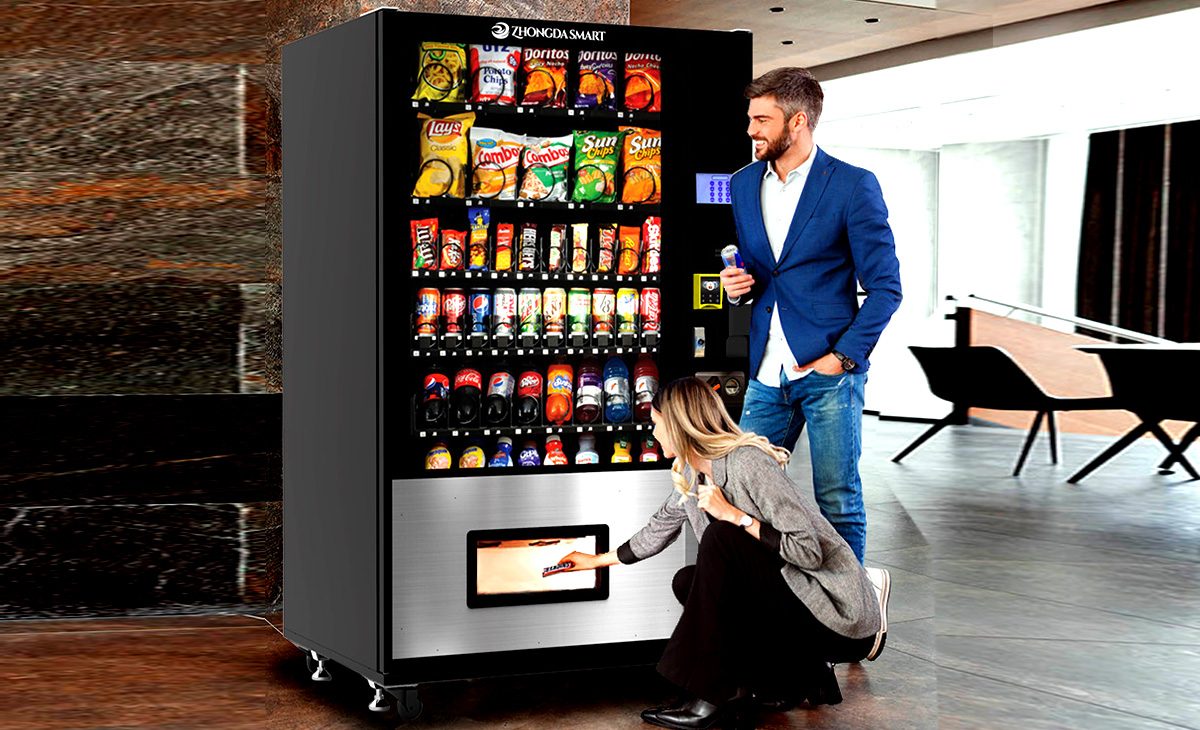
I have personally placed both mid-range and high-end machines in different locations. The mid-range models work well in office buildings and gyms where volume is moderate. The high-end models with telemetry are better for high-traffic areas like train stations or shopping centers, because you can monitor stock levels and machine status remotely, which saves a lot of time.
Profit Potential: What You Can Realistically Expect
Profitability depends on three things: location, price per cup, and operational efficiency. Based on my own routes and data from industry peers, a well-placed orange juice vending machine in a European city center can generate between €600 and €1,800 in monthly revenue. The cost of oranges is roughly €0.30 to €0.50 per cup, depending on the season and your supplier. Add in the cost of cups, lids, electricity, and machine maintenance, and your net profit per cup is around €1.50 to €2.50. If you sell 40 cups per day at €3.50 each, that is €140 daily revenue, or about €4,200 per month. After all costs, you might clear €1,500 to €2,000 per month per machine.
That sounds good, but let me give you a reality check. I have seen machines in low-footfall locations that barely sell 10 cups a day. That machine will lose money because the fixed costs—electricity, cleaning, and your time—do not change much. According to a 2022 report by IBISWorld on the vending machine industry in the US, the average vending machine generates about $75 per week in revenue. While that number is for all types of machines, it highlights that many machines underperform. The key is to be selective about placement.
Location: The Single Most Important Factor
I cannot stress this enough. You can have the best machine in the world, but if it sits in a quiet corridor, it will fail. Over the years, I have learned to evaluate locations based on foot traffic, dwell time, and the demographic. For orange juice vending machines, the best locations are places where people are health-conscious and have a few minutes to wait. Gyms, health clubs, hospitals, university campuses, and office buildings with a young professional crowd work well. Tourist areas also work, but you need a machine that accepts multiple currencies or contactless payments.
One mistake I made early on was putting a machine in a train station with high traffic but no nearby electrical outlet that was easy to access. The installation cost ate into my margins for the first three months. Always check the infrastructure before you commit. You need a dedicated electrical circuit, a water supply if the machine has a cleaning cycle, and a stable internet connection for remote monitoring.
Hidden Costs That Catch Beginners Off Guard
When you look at the orange juice vending machine price, it is easy to think that is the only big expense. It is not. Here are the costs that most beginners overlook:
- Installation and delivery: Freight from the manufacturer to your location can cost €200 to €600, depending on distance. If you need a technician to set it up, add another €150 to €300.
- Payment system setup: Card readers and mobile payment terminals require a merchant account. Setup fees are usually low, but transaction fees of 2% to 3% eat into your margin.
- Telemetry subscription: If your machine has remote monitoring, the monthly fee is typically €15 to €40.
- Cleaning and maintenance: Orange juice machines need daily cleaning of the juicing chamber and a deep clean every week. If you do it yourself, it costs time. If you hire someone, budget €100 to €200 per month per machine.
- Repairs: The juicing mechanism is the most common point of failure. A replacement juicer module can cost €200 to €500. I recommend keeping a spare on hand if you have multiple machines.
A friend of mine bought a cheap machine for €3,000 and within six months had spent another €1,200 on repairs. He eventually replaced it with a Zhongda Smart unit and has had no major issues in two years. The lesson is that the purchase price is not the total cost of ownership.
How to Choose a Supplier or Manufacturer
When you are looking at suppliers, do not just compare prices. Ask about warranty, spare parts availability, and technical support. A Chinese manufacturer like Zhongda Smart offers competitive pricing and decent build quality, but you need to verify that they have a local distributor or service partner in your country. Otherwise, shipping a replacement part from China can take weeks. I have worked with suppliers who offer a two-year warranty and a hotline for troubleshooting. That is worth paying a bit more for.
Check if the machine is certified for your market. In the European Union, machines must have CE marking. In the UK, look for UKCA. In the US, UL certification is important. Without these, you may face issues with insurance or health inspections.
Setting Up Your First Machine: A Step-by-Step Guide
Step 1: Research Local Regulations
Every country and sometimes every city has its own rules for food vending. In France, for example, you need to register with the Direction Départementale de la Protection des Populations (DDPP) if you sell fresh juice. In Germany, the Lebensmittelüberwachung requires a hygiene plan. Do not skip this step. I once had a machine shut down for three weeks because I did not have the correct permit. You can check local requirements on sites like Service-Public.fr for France or the Food Standards Agency for the UK.
Step 2: Secure a Location
Approach businesses directly. Offer a revenue share or a flat rental fee. I usually offer 10% to 20% of gross revenue to the location owner, but it varies. For high-traffic spots like shopping malls, the rent might be €200 to €500 per month. For smaller locations like a gym, you might get free placement if you offer a share.
Step 3: Choose Your Machine
Based on the location, decide on capacity and features. For a gym with 500 members, a mid-range machine with 60-orange capacity is fine. For a busy train station, you need a high-capacity machine with telemetry so you can monitor stock remotely.
Step 4: Source Oranges and Supplies
Find a reliable fruit supplier. I use local wholesalers for oranges, but you can also work with importers. The key is consistency. Customers notice if the juice tastes different. Use navel oranges or Valencia oranges for the best flavor. Cups, lids, and napkins should be ordered in bulk to reduce cost.
Step 5: Install and Test
Set up the machine, test the juicing mechanism, and run a few cycles to ensure everything works. Calibrate the payment system. Test with a real transaction. This sounds basic, but I have seen machines go live with the wrong price set or a card reader that does not connect.
Step 6: Monitor and Adjust
For the first month, check the machine daily. Look at sales data, check for any error codes, and ask the location owner for feedback. Adjust the price if needed. If you are selling out by noon, increase the orange capacity or schedule a midday refill.
Common Mistakes and How to Avoid Them
I have made most of these mistakes myself, so I will save you the trouble.
- Buying a machine that is too small: A countertop model with 30 oranges might seem cheap, but if you place it in a busy location, you will run out by lunchtime. Customers do not come back if they see an empty machine twice.
- Ignoring the payment system: In 2025, cash-only machines are almost dead. You need contactless card payments and mobile wallets like Apple Pay and Google Pay. If your machine does not support these, you are losing at least 40% of potential sales.
- Underestimating cleaning time: Fresh juice machines require daily cleaning. If you skip a day, the juice quality drops and you risk health code violations. I schedule cleaning in my calendar and stick to it.
- Not having a backup plan: If your machine breaks down, you lose revenue and trust. Keep spare parts on hand and have a service technician contact saved in your phone.
Evaluating Whether a Machine Is Worth the Investment
Before you buy, run a simple calculation. Estimate the daily foot traffic at the location. Assume a conservative conversion rate of 1% to 2%. So if 1,000 people pass by daily, you might get 10 to 20 sales. Multiply by your average profit per cup. Then subtract monthly costs. If the net profit is less than €300 per month, it might not be worth the hassle. I use a spreadsheet for every potential location and only proceed if the projected payback period is under 18 months.
According to data from Statista, the global vending machine market was valued at approximately $23 billion in 2023, with fresh food and beverage machines growing faster than snack machines. That trend supports the idea that fresh juice vending has room to grow, but only if you choose the right location and machine.
FAQ
Are orange juice vending machines profitable?
Yes, they can be profitable, but it depends heavily on location and volume. A machine in a high-traffic area selling 40 cups per day can generate a net profit of €1,500 to €2,000 per month. In a low-traffic area, you may struggle to break even.
How much does an orange juice vending machine cost?
The orange juice vending machine price ranges from €3,000 for a basic countertop model to €12,000 for a high-end commercial unit. Refurbished machines are available for €2,500 to €6,500.
How long does it take to recoup the investment?
With a good location, you can expect a payback period of 12 to 18 months. If the location underperforms, it could take 24 months or more. I always recommend a conservative estimate.
Should a beginner buy or lease a machine?
Buying is usually better if you have the capital, because leasing often comes with high interest rates and restrictive terms. However, some suppliers offer financing with low monthly payments. If you are unsure, start with one machine and buy it outright.
Where should I place my machine for the best results?
Gyms, hospitals, universities, office buildings, and tourist areas are the best spots. Look for places with high foot traffic, a health-conscious demographic, and a few seconds of dwell time.
What permits do I need?
In most European countries, you need a food business registration, a hygiene certificate, and possibly a local vending permit. Check with your local chamber of commerce or government website. In France, visit Service-Public.fr for guidance.
How do I choose a reliable supplier?
Look for a supplier that offers a warranty, local service support, and certifications like CE or UL. Zhongda Smart is one option that provides good value for the price, but always verify after-sales support before committing.
What happens if the machine breaks down?
If you have a warranty, contact the supplier. If not, you will need to hire a local technician or fix it yourself. I recommend keeping a spare juicer module and a basic toolkit. Remote monitoring can alert you to problems early.
How can I reduce maintenance and restocking costs?
Use telemetry to monitor stock levels remotely. Schedule restocking based on sales data, not a fixed calendar. Clean the machine regularly to prevent buildup that causes breakdowns. Buy oranges in bulk and negotiate with suppliers for better pricing.
Starting an orange juice vending machine business is not a get-rich-quick scheme. It requires attention to detail, a willingness to clean and maintain equipment, and a realistic understanding of the numbers. But if you choose the right location, pick a reliable machine, and stay on top of operations, it can be a solid source of income. I have seen people build small routes with five or six machines that generate a decent monthly profit. The key is to start small, learn the ropes, and scale only when you have a system that works.
本文更新于2025年5月。本文内容基于个人运营经验及公开行业数据,不构成投资建议。实际收益和成本会因地点、市场条件及运营效率而有所不同。