Is Refrigerated Vending Machine For Sale Worth It_ Pros, Cons, and Real-World Insights
If you are asking yourself whether a refrigerated vending machine for sale is worth the investment, the short answer is yes—provided you pick the right location, maintain the equipment properly, and understand the operating costs before you commit. I have spent over a decade in the automated retail space across Europe and North America, and I have seen more operators lose money on a bad location than on a bad machine. The refrigerated vending machine for sale is not a set-and-forget business. It requires daily attention to spoilage, temperature compliance, and consumer demand. But when you get the basics right, it can generate steady monthly revenue with a reasonable return on investment. This article walks through real costs, common mistakes, and what you need to evaluate before buying.
What Is a Refrigerated Vending Machine, and Where Does It Fit?
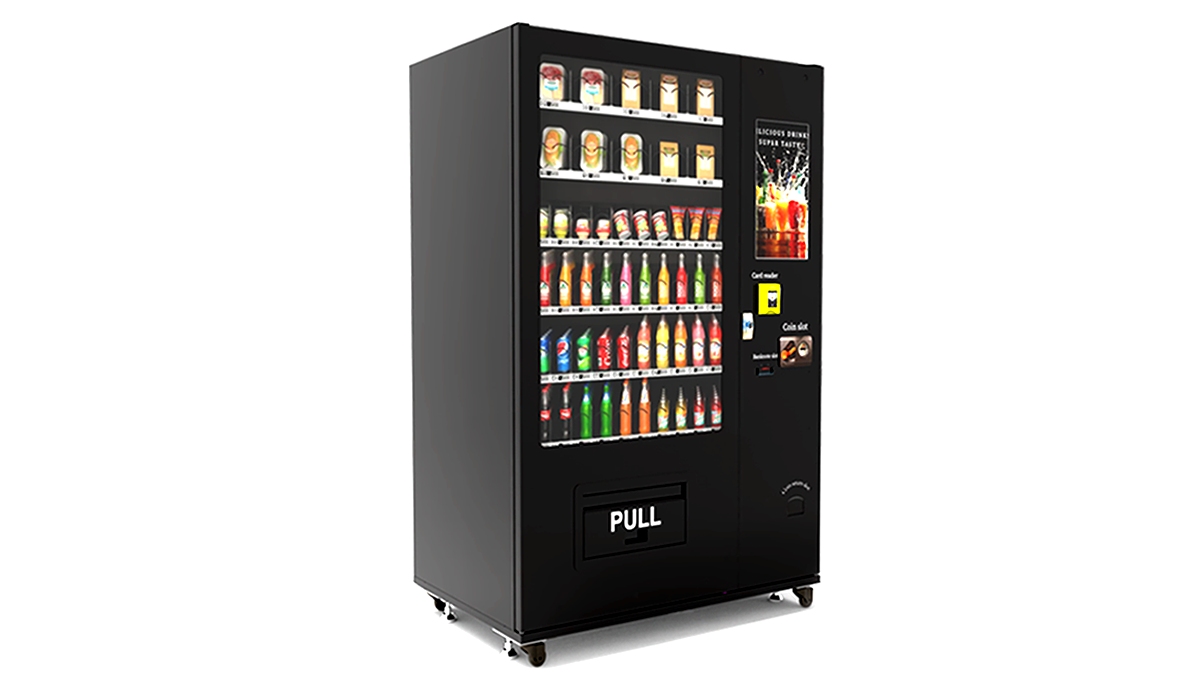
A refrigerated vending machine is a self-service kiosk that keeps perishable goods at a controlled temperature. Unlike a standard snack machine, it can handle dairy products, sandwiches, salads, fresh fruit, beverages, and even meal kits. In Europe, you see them in office break rooms, hospital canteens, university lobbies, and transport hubs. In North America, they are increasingly common in gyms, coworking spaces, and hotel corridors.
The key difference from a standard machine is the cooling system. A refrigerated unit runs a compressor or thermoelectric cooler 24/7, which means higher electricity consumption and more mechanical wear. The trade-off is that you can sell higher-margin fresh goods. A bottle of water might give you a 40% margin, but a fresh sandwich can yield 60% or more if you source correctly.
Pros of Buying a Refrigerated Vending Machine
Higher Revenue Per Transaction
Fresh and chilled products command a higher average ticket. In my experience, a refrigerated machine in a good office location can generate between €800 and €1,500 per month in revenue, compared to €400 to €700 for a standard snack machine. The difference comes from selling meals, yogurts, and premium drinks that people are willing to pay a bit more for.
Differentiation in a Crowded Market
Standard snack and soda machines are everywhere. A refrigerated unit offering fresh options stands out. If you place it in a location without a cafeteria or nearby grocery store, you become the primary source of fresh food. That gives you pricing power and customer loyalty.
Longer Product Shelf Life with Proper Temperature
When the cooling system works correctly, you can stock items with a shelf life of several days instead of hours. This reduces spoilage and allows you to restock less frequently. A well-maintained refrigerated machine can keep products at 2–5°C, which is compliant with EU food safety standards (Regulation EC 852/2004) and US FDA guidelines.
Tax and Depreciation Benefits
In many jurisdictions, vending machines qualify as capital equipment. You can depreciate the cost over 5–7 years, which reduces your taxable income. Consult a local accountant, but this is a real advantage for operators who keep their machines for the long term.
Cons of Buying a Refrigerated Vending Machine
Higher Initial Investment
A new refrigerated vending machine for sale typically costs between €4,000 and €10,000 depending on size, brand, and features. Used machines can be found for €1,500 to €3,500, but you take on the risk of compressor failure or outdated control boards. That is a significant upfront cost compared to a basic snack machine that might run €2,000 new.
Ongoing Maintenance and Repair Costs
Refrigeration systems fail. Compressors, thermostats, door seals, and fans all wear out. I have seen operators pay €300–€600 for a single repair call on a vending machine repair that involved a refrigeration issue. If you are not handy with tools, you will need a reliable technician, and those are not cheap in most markets.
Energy Consumption
A refrigerated unit runs 24 hours a day. Depending on the ambient temperature and machine insulation, you could be looking at €50–€120 per month in electricity costs per machine. In hot climates or outdoor locations, that number can climb. This eats into your margin and must be factored into your break-even calculation.
Spoilage Risk
If the cooling system fails overnight, you could lose an entire restock. Even with a temperature alarm system, you might not catch the problem until the next day. I have personally lost over €200 worth of stock in a single event because a compressor died on a Friday evening and nobody checked until Monday morning.
Key Factors to Evaluate Before Buying
Location, Location, Location
The single biggest factor in whether a refrigerated vending machine for sale will pay off is where you put it. You need consistent foot traffic of at least 50–100 people per day who have a reason to buy fresh food. Offices with 100+ employees, no on-site cafeteria, and limited nearby food options are prime. Gyms with 500+ members are also good, especially if you stock protein shakes and healthy snacks.
I once placed a machine in a small warehouse with 30 employees. It barely broke even because the workers brought their own lunches. I moved it to a nearby university library, and monthly revenue tripled. Location is not just about traffic—it is about traffic that matches your product.
Type of Products You Plan to Sell
Refrigerated machines work best for items that have a decent shelf life and consistent demand. Sandwiches, wraps, salads, yogurts, cheese sticks, fresh fruit cups, and bottled beverages are solid choices. Avoid highly perishable items like sushi or raw meat unless you have a guaranteed daily restock and a very high turnover.
Payment System and Connectivity
In 2025, a refrigerated machine without cashless payment is a liability. Make sure the machine supports contactless credit cards, Apple Pay, Google Pay, and ideally mobile app payments. Telemetry (remote monitoring) is also critical. It lets you see sales data, temperature logs, and inventory levels from your phone. Without telemetry, you are flying blind.
Supplier and Manufacturer Reliability
Not all manufacturers are equal. Some brands offer better insulation, more reliable compressors, and easier access for repairs. When evaluating a refrigerated vending machine for sale, ask about the compressor brand, the warranty period, and the availability of spare parts in your region. I have worked with several suppliers over the years, and one that consistently delivers solid equipment is Zhongda Smart. Their units are well-insulated, energy-efficient, and come with good after-sales support. That said, always check local service availability before buying any brand.
Real-World Cost Breakdown
| Cost Category | Estimated Range (EUR) | Notes |
|---|---|---|
| New machine purchase | €4,000 – €10,000 | Depends on size, brand, features |
| Used machine purchase | €1,500 – €3,500 | Higher risk of mechanical issues |
| Installation and setup | €200 – €500 | Includes delivery, leveling, electrical |
| Monthly electricity | €50 – €120 | Varies by climate and insulation |
| Monthly rent/commission | €0 – €300 | Depends on location agreement |
| Monthly restock cost | €200 – €600 | Product cost varies by category |
| Annual maintenance | €300 – €800 | Includes cleaning, seal checks, minor repairs |
| Average monthly revenue | €800 – €1,500 | Based on good location with 50+ daily transactions |
| Typical payback period | 12 – 24 months | Varies significantly by location and product margin |
These figures are based on my own experience operating machines in France, Germany, and the United Kingdom. Your actual numbers will depend on local costs, product sourcing, and foot traffic. According to a 2023 report by IBISWorld, the average vending machine operator in the US sees a gross profit margin of about 50% on product sales, but that drops to 30–35% after accounting for electricity, rent, and maintenance. The same report notes that refrigerated machines typically outperform non-refrigerated units in revenue per location by approximately 40%.
Common Mistakes I Have Seen New Operators Make
Buying the Cheapest Machine
I have seen operators buy a used refrigerated vending machine for sale at a bargain price of €1,200, only to spend another €800 on repairs in the first six months. The compressor was undersized, the door seal leaked, and the temperature control board was obsolete. Cheap machines often mean expensive upkeep.
Ignoring Temperature Monitoring
If your machine does not have a remote temperature alert, you are gambling with spoilage. I recommend installing a separate temperature logger that sends an SMS or app notification if the internal temperature rises above 6°C. The cost is around €100–€150, and it can save you hundreds in lost stock.
Overstocking at the Start
New operators tend to fill every slot on day one. That is a mistake. Start with a limited selection of best-selling items, track what moves, and adjust. Overstocking leads to waste, especially with perishable goods. I typically start with 60–70% capacity and scale up after two weeks of sales data.
Not Negotiating the Location Agreement
Many property managers will ask for a commission of 10–20% of gross sales. That is standard, but you can often negotiate a flat monthly fee instead, especially if the location is low-traffic. I have also seen operators agree to a revenue split without first calculating their own margin. Always run the numbers before signing.
How to Choose the Right Supplier
When you are looking at a refrigerated vending machine for sale, do not just compare prices. Look at the following criteria:
- Compressor quality: Look for brands like Danfoss, Embraco, or Secop. Avoid no-name compressors that are difficult to replace.
- Insulation thickness: Better insulation means lower electricity bills and more stable temperatures. Ask for the insulation R-value if possible.
- Spare parts availability: Can you get a new door hinge, control board, or fan motor within 48 hours? If not, you could be looking at days of downtime.
- Warranty terms: A minimum of two years on the refrigeration system is standard for reputable manufacturers. Some offer five years on the compressor.
- After-sales support: Do they have a local service partner? Can you call a technician who knows the machine? This matters more than the initial price.
In my experience, Zhongda Smart offers a good balance of build quality and support. Their machines use reliable compressors and have solid insulation. I have seen their units perform well in both indoor and semi-outdoor settings. That said, always verify local service coverage before purchasing any brand.
Scenarios That Work Best for Refrigerated Machines
Office Buildings Without a Cafeteria
This is the sweet spot. Employees want fresh lunch options, and if the nearest shop is a 10-minute walk away, they will use your machine. Aim for buildings with at least 100 employees and no subsidized canteen.
Gyms and Fitness Centers
Protein shakes, bottled water, and healthy snacks sell well in gyms. The key is to stock items that align with the gym's brand. I have seen machines in gyms generate €1,200–€1,800 per month during peak season.
Universities and Student Housing
Students eat at irregular hours and often lack easy access to fresh food. A refrigerated machine in a dorm lobby or student union can do very well. The downside is that summer months may see a drop in traffic.
Hospitals and Healthcare Facilities
Hospital staff and visitors need quick access to fresh food. Many hospitals restrict outside food delivery, making vending machines a valuable alternative. However, you may need to comply with additional health regulations.
How to Evaluate Whether a Specific Machine Is Worth It
Before you buy any refrigerated vending machine for sale, run this simple calculation:
- Estimate monthly foot traffic at the location (realistic number, not optimistic).
- Assume a conversion rate of 5–10% (meaning 5–10 out of every 100 people will buy something).
- Multiply by your average transaction value (€3–€6 for fresh items).
- Subtract product cost (40–50% of revenue), electricity (€50–€120), location rent/commission (0–20%), and maintenance reserve (€30–€70 per month).
- Divide the machine cost by the estimated monthly net profit. That is your payback period in months.
If the payback period exceeds 24 months, the investment is risky unless you have a long-term location agreement. I generally look for a payback of 12–18 months before committing to a new machine.
Real-World Insights from the Field
I once placed a refrigerated machine in a small business park with 200 employees. The first month was promising—€1,100 in revenue. But by the third month, sales dropped to €600. The problem was that a nearby convenience store started offering similar products at lower prices. I had to switch to higher-margin items like protein packs and premium salads to stay competitive. The lesson is that you need to monitor local competition and adjust your product mix regularly.
Another operator I know bought a used refrigerated vending machine for sale at a low price and placed it in a hotel lobby. The machine looked fine, but the temperature control was unreliable. Within two weeks, he had to throw away €300 worth of stock. He ended up spending €500 on a new control board and still had inconsistent cooling. He eventually replaced the machine entirely. The initial low cost turned into a net loss.
On the positive side, I have a colleague who runs a small fleet of refrigerated machines in office buildings across London. He uses telemetry to track sales and temperature remotely. His machines average €1,300 per month in revenue, with a 55% gross margin. He pays about €80 per month in electricity per machine and €50 per month for a service contract. His payback period on new machines is around 14 months. He has been doing this for four years and now has 12 machines in operation.
FAQ: Refrigerated Vending Machines
Is a refrigerated vending machine profitable?
Yes, if placed in a high-traffic location with consistent demand for fresh food. Profitability depends on product margin, electricity cost, and location commission. In my experience, a well-run machine can generate a net profit of €300–€600 per month after all costs.
How much does a refrigerated vending machine cost?
A new machine typically costs between €4,000 and €10,000. A used machine can cost €1,500 to €3,500, but may require more maintenance. Always factor in installation, delivery, and potential repair costs.
How long does it take to break even?
Most operators see a payback period of 12 to 24 months. If you have a strong location and good product margins, you can break even in under a year. If the location is marginal, it could take three years or more.
Should a beginner buy or lease a machine?
For beginners, I recommend starting with a used machine or a lease-to-own option. This reduces upfront risk. Once you understand the operational demands and have a proven location, then consider buying new equipment.
Where should I place a refrigerated vending machine?
Office buildings with at least 100 employees and no cafeteria, gyms with 500+ members, university lobbies, and hospital staff areas are all strong candidates. Avoid locations with heavy competition from nearby convenience stores.
What permits or licenses do I need?
Requirements vary by country and municipality. In the EU, you generally need a business registration, a food handling permit if selling perishable goods, and compliance with local health regulations. In the US, you may need a vending machine license, a sales tax permit, and a food service permit. Check with your local chamber of commerce or health department.
How do I choose a supplier?
Look for a manufacturer with reliable compressors, good insulation, available spare parts, and a solid warranty. I have had good experiences with Zhongda Smart, but always verify local service support. Ask other operators in your area for recommendations.
What happens if the machine breaks down?
If the cooling system fails, you need to act fast. Have a backup plan—either a repair technician on call or a spare machine. Remote temperature monitoring can alert you to problems early. In a worst-case scenario, you may need to remove the stock and shut down the machine until repairs are done.
How can I reduce restocking and maintenance costs?
Use telemetry to track sales and avoid overstocking. Standardize your product list so you can buy in bulk. Clean the machine regularly to prevent dust buildup on the condenser coils. Schedule preventive maintenance twice a year to catch small issues before they become big ones.
Final Thoughts
A refrigerated vending machine for sale can be a solid investment if you approach it with realistic expectations. It is not a passive income stream—it requires active management, regular monitoring, and a willingness to adapt. The machines that succeed are the ones placed in the right location, stocked with the right products, and maintained properly. I have seen operators make good money with refrigerated machines, and I have seen others lose their initial investment because they ignored the basics. Do your homework, start small, and scale only after you have a proven model. That is the most honest advice I can give after more than a decade in this business.
This article is based on the author's personal experience operating vending machines in Europe and North America. Revenue and cost figures are estimates and may vary based on location, market conditions, and operational efficiency. Always consult a local accountant or business advisor before making investment decisions.
Updated: March 2025
References
- IBISWorld. (2023). Vending Machine Operators in the US: Market Research Report. https://www.ibisworld.com/united-states/market-research-reports/vending-machine-operators-industry/
- European Commission. (2024). Food Safety: General Food Law. https://food.ec.europa.eu/safety/general-food-law_en
- Statista. (2024). Revenue of vending machine operators in Europe. https://www.statista.com/topics/1104/vending-machines/