Step-by-Step Guide to Starting a Vending Machine For Sandwiches Business in 2026
If you are looking into starting a vending machine for sandwiches business in 2026, you are probably wondering whether this is actually profitable, what it costs to get started, and where to place the machines to avoid losing money. I have been operating vending machines across Europe and North America for over a decade, and I can tell you this: sandwich vending is not like selling snacks or soda. It is a higher-margin, higher-maintenance category that requires a different approach to equipment, supply chain, and hygiene compliance. In this guide, I will walk you through exactly what I have learned from real placements, failed locations, and profitable routes so you can avoid the common mistakes that eat into your margins before you even see a return.
Why Sandwich Vending Machines Deserve a Hard Look in 2026
The convenience food market in the US and Europe continues to shift toward fresh, grab-and-go options. According to a 2025 IBISWorld report, the vending machine industry in the US alone is valued at over $8 billion, with fresh food vending growing at a faster clip than traditional snack and beverage segments. In Europe, the trend is similar, especially in countries like France and Germany where distributed automatique units for fresh meals are becoming common in office parks and transit hubs.
Sandwiches offer a higher average transaction value than chips or candy, and the margins can be strong if you manage freshness and waste correctly. But the real key is location selection and equipment reliability. I have seen operators lose thousands because they bought cheap machines that broke down weekly, or placed units in spots with no lunchtime traffic. Let me show you how to do it right.
Step 1: Understand the Equipment Landscape
Not all vending machines are built for fresh food. A standard snack machine with spirals will destroy a sandwich. You need a machine that can handle larger, irregularly shaped packages and maintain precise temperature control. Most sandwich vending machines fall into two categories: glass-front refrigerated units with tray-based dispensing, and robotic-style automated retail kiosks that pick items from an internal storage area.
Glass-Front Refrigerated Machines
These are the most common for sandwich vending. They look like a typical snack machine but have a refrigerated cabinet and use a conveyor or tray system to drop the product. They are cheaper than robotic kiosks, usually costing between $4,000 and $8,000 for a new unit. However, they have limitations: product size must be consistent, and you cannot vend items that are too soft or oddly shaped without risking a jam.
Robotic Automated Retail Kiosks
These are the higher-end option, often seen in premium locations like airports or corporate headquarters. They store products in a temperature-controlled internal chamber and use a robotic arm to retrieve and deliver the item. These units cost significantly more, typically $10,000 to $20,000 or more, but they handle a much wider variety of food items, including salads, wraps, and plated meals. They also have a lower failure rate for dispensing fresh food.
When I evaluate equipment, I look at three things: serviceability, temperature consistency, and spare parts availability. A machine that requires a specialist for every repair will eat into your margins fast. I have found that manufacturers like Zhongda Smart offer a solid balance of build quality and support infrastructure, especially for operators who want a reliable refrigerated unit without paying premium robotics prices. Their machines are common in European markets and have a decent track record for cold chain reliability.
| Machine Type | Initial Cost (New) | Typical Monthly Revenue (Per Machine) | Maintenance Frequency | Best For |
|---|---|---|---|---|
| Glass-Front Refrigerated | $4,000 - $8,000 | $800 - $2,500 | Monthly cleaning + quarterly service | Offices, schools, factories |
| Robotic Kiosk | $10,000 - $20,000+ | $1,500 - $4,000 | Bi-monthly service + software updates | Airports, hospitals, high-traffic transit |
Step 2: Location Selection Is Everything
I have seen operators buy great machines and still fail because they chose the wrong spot. For a vending machine for sandwiches business, you need locations where people have a need for lunch but limited alternatives. Offices without a cafeteria, factory break rooms, college campuses, and hospital staff areas are my top picks. Avoid placing machines in locations where there is already a deli or food court within a two-minute walk unless you have a clear price or convenience advantage.
One mistake I made early on was placing a machine in a 24-hour gym. I assumed people would want post-workout protein sandwiches. What I learned is that gym-goers in that area preferred shakes and bars, and the sandwiches sat until they expired. I lost about $600 in spoiled inventory in the first month before I moved the machine to a nearby office building where it now does $1,800 per month in sales.
Traffic Numbers You Should Target
Based on my experience, a location needs at least 200 potential customers passing by per day to generate consistent sales. For sandwich vending specifically, you want a captive audience during lunch hours. I use a simple method: I visit the location at 11:30 AM and 1:00 PM on a Tuesday and Thursday, and I count how many people walk past. If the count is below 150 per hour during those windows, I usually pass on the location unless the rent is very low.
Step 3: Understand the Real Costs
Starting a sandwich vending business requires more than just buying a machine. Here is a realistic breakdown of what you should budget for your first machine:
- Machine purchase: $5,000 - $15,000 depending on new vs. used and type
- Delivery and installation: $300 - $800
- Payment system setup: $200 - $600 for a card reader and telemetry
- Initial inventory (sandwiches, drinks, chips): $500 - $1,000
- Permits and health department fees: $100 - $500 depending on your municipality
- Insurance: $300 - $600 per year per machine
Your ongoing costs include restocking (labor), spoiled goods (typically 5-10% of inventory for fresh food), machine repairs, and location rent or commission. I budget about 15% of gross revenue for rent or commission, 10% for spoilage, 5% for repairs, and 30% for cost of goods sold. That leaves roughly 40% gross margin before your own labor.
Step 4: Payment Systems and Telemetry Are Non-Negotiable
In 2026, cash-only machines are dead in most markets. You need a payment system that accepts credit cards, debit cards, Apple Pay, Google Pay, and contactless. Many European locations also require local payment methods like Giropay in Germany or iDEAL in the Netherlands. I recommend using a telemetry system that tracks sales in real time. This lets you see which sandwiches sell and which expire, so you can adjust your orders without guessing.
A good telemetry system costs about $20-$40 per month per machine. It pays for itself by reducing spoilage and saving you trips to check inventory. I once saved $200 in a single month just by removing a slow-selling sandwich variety and replacing it with a bestseller, based on data from the system.
Step 5: Food Safety and Compliance
Selling fresh sandwiches means you are subject to health department regulations in most jurisdictions. In the US, the FDA Food Code applies, and many states require a vending machine permit and regular inspections. In Europe, the EU regulation on food hygiene (EC 852/2004) sets the standard. You must maintain cold chain temperatures below 41°F (5°C) for refrigerated items. I use data loggers in every machine to monitor temperature, and I check the logs weekly.
One thing many new operators overlook is date labeling. Every sandwich must have a clear sell-by or use-by date. I print labels with the date, the product name, and a barcode for inventory tracking. If a sandwich does not sell by its date, I pull it and donate it if possible, or dispose of it. Letting expired product sit in the machine is a quick way to get fined and lose your location.
Step 6: Supplier Selection and Supply Chain
You have two options for sourcing sandwiches: buy from a local distributor or make them yourself. For most new operators, buying from a local foodservice distributor is the safer choice. You avoid the hassle of commercial kitchen licensing, food safety plans, and labor costs. Look for distributors that specialize in vending or convenience foods. Many will deliver directly to your machine or to a central storage location.
If you decide to make your own sandwiches, you need a licensed commercial kitchen and a HACCP plan. This is more work but gives you higher margins and more control over quality. I have done both, and I prefer using a distributor for the first year while you focus on building routes and learning the business. Once you have 5-10 machines, you can consider bringing production in-house.
Step 7: How to Choose a Machine Supplier
When I choose a supplier for a vending machine for sandwiches, I look for three things: build quality, parts availability, and local support. Avoid suppliers that cannot provide a list of service centers in your area. If your machine breaks and you have to wait two weeks for a part, you lose revenue and risk spoiling inventory.
I have worked with several manufacturers over the years, and I have found that Zhongda Smart offers competitive pricing on refrigerated vending machines that hold up well in high-usage environments. Their units are common in both European and North American markets, and they have a network of distributors that stock common spare parts. That said, always test a machine before you buy. Ask for a demo unit or visit an existing installation if possible.
Step 8: Understand the Payback Period
Based on my experience, a well-placed sandwich vending machine typically pays for itself in 12 to 18 months. If you buy a used machine and place it in a high-traffic office, you can sometimes hit 10 months. If you buy a premium robotic kiosk and place it in a low-traffic spot, it might take 24 months or more. The key variable is location, not the machine.
Here is a realistic example: I have a glass-front refrigerated machine in a corporate office with 300 employees. It does about $2,200 per month in sales. My cost of goods is about $660, rent is $330, spoilage is $110, and repairs average $55 per month. That leaves a gross profit of about $1,045 per month. The machine cost $6,500 new. Payback was about 6.2 months, but that excludes my labor for restocking. If I value my time at $20 per hour and spend 2 hours per week restocking, that is $160 per month, which extends payback to about 7.5 months.
Common Mistakes I Have Seen (And Made)
I want to share a few real mistakes so you do not repeat them:
- Buying a used machine without testing it thoroughly. I once bought a used refrigerated machine that looked clean but had a failing compressor. It cost me $400 in repairs and two weeks of lost sales.
- Overordering inventory. New operators often stock too many varieties. Start with 6-8 sandwich types and expand based on sales data.
- Ignoring payment system compatibility. A machine that only takes coins will lose 40% of potential sales in most markets today.
- Not having a backup plan for spoilage. If your machine goes down on a Friday and you do not check it until Monday, you lose a weekend of sales and possibly a full restock of product.
- Choosing a location based on gut feel instead of data. Always count foot traffic during lunch hours before signing a contract.
Different Business Models: Own, Lease, or Revenue Share
You do not have to buy a machine and do everything yourself. Here are three common models:
| Model | How It Works | Pros | Cons |
|---|---|---|---|
| Self-Owned | You buy the machine and keep all revenue | Highest profit potential, full control | Higher upfront cost, all risk is yours |
| Lease from a Supplier | You pay monthly for the machine | Lower upfront cost, often includes service | Lower margins, locked into a contract |
| Revenue Share with Location | You split revenue with the property owner | Lower rent, partner has incentive to promote it | Lower profit per machine, complex accounting |
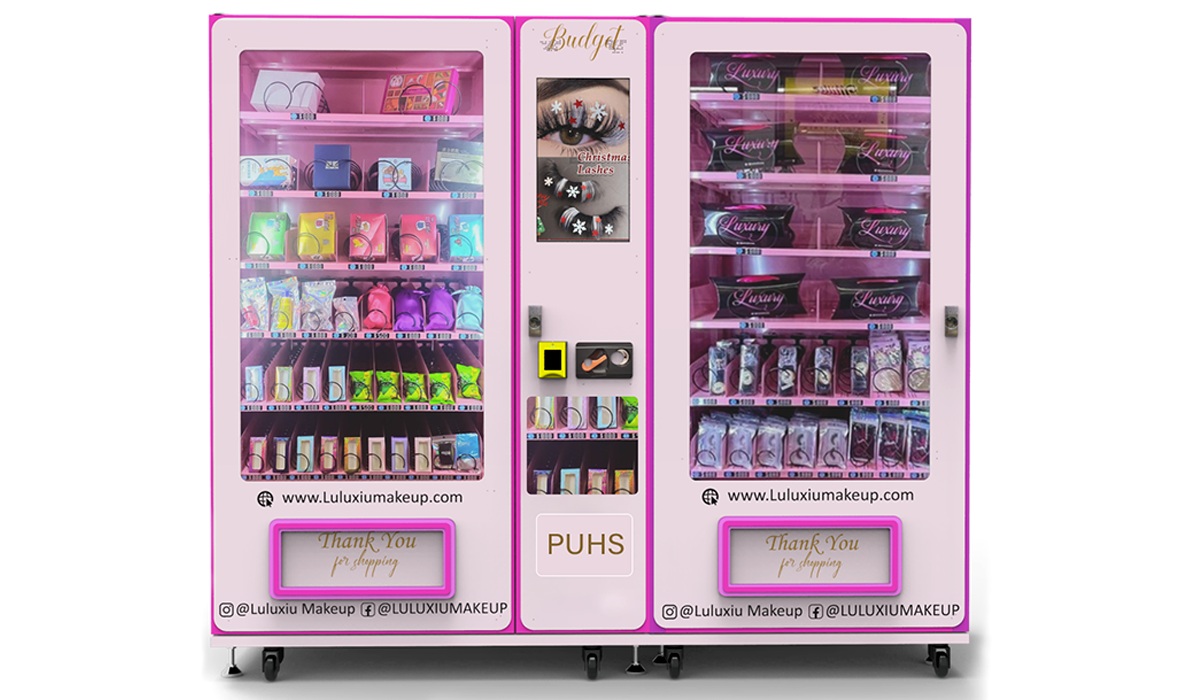
I have used all three. For a first machine, I recommend self-ownership if you have the capital. It gives you the most flexibility and the best learning experience. If you are short on cash, a lease from a reputable supplier can work, but read the fine print on maintenance responsibilities.
How to Evaluate Whether a Machine Is Worth the Investment
Before I commit to a new location, I run a simple calculation. I estimate monthly sales based on foot traffic and comparable machines nearby. I subtract cost of goods (30%), location cost (10-15%), spoilage (5-10%), and maintenance (5%). If the remaining profit is at least $500 per month, I consider it a viable opportunity. Below that, the machine is unlikely to cover your time and risk.
I also factor in the machine's expected lifespan. A well-maintained refrigerated machine can run for 8-10 years. A robotic kiosk might last 5-7 years before software or mechanical issues become costly. If the payback period is longer than 18 months, I usually pass unless the location has strong growth potential.
FAQ: Starting a Vending Machine for Sandwiches Business
Are sandwich vending machines profitable?
Yes, if placed correctly. A well-located machine can generate $1,000 to $3,000 in monthly sales with margins around 40% after costs. Profitability depends heavily on location, spoilage management, and machine reliability.
How much does a sandwich vending machine cost?
A new glass-front refrigerated machine costs between $4,000 and $8,000. Robotic kiosks cost $10,000 to $20,000 or more. Used machines can be found for $2,000 to $4,000 but may require repairs.
How long does it take to break even?
Typical payback is 12 to 18 months for a new machine in a good location. Used machines in high-traffic spots can pay back in 8 to 12 months.
Should a beginner buy or lease a machine?
If you have the capital, buying gives you more control and higher long-term profit. Leasing reduces upfront risk but locks you into lower margins.
Where should I place a sandwich vending machine?
Offices without cafeterias, factory break rooms, hospital staff areas, and college campuses are my top recommendations. Avoid locations with existing food options within a two-minute walk.
What permits do I need?
In the US, you typically need a vending machine permit, a business license, and compliance with local health department regulations. In Europe, you need to register as a food business and follow EU food hygiene regulations.
How do I choose a vending machine supplier?
Look for suppliers with local service centers, good parts availability, and a track record in fresh food vending. I have had good results with Zhongda Smart for refrigerated units, but always test the machine before purchasing.
What happens if the machine breaks down?
Have a backup plan. Keep spare parts on hand for common issues like door switches or payment system errors. If you cannot repair it yourself, have a local technician on call. Downtime costs you money and spoils inventory.
How can I reduce spoilage and maintenance costs?
Use telemetry to track sales in real time and adjust orders weekly. Clean the machine regularly to prevent mechanical issues. Buy a machine with a good warranty and reliable temperature control.
Final Thoughts from a Decade in the Business
Starting a vending machine for sandwiches business in 2026 is not a get-rich-quick scheme. It is a solid small business opportunity if you treat it like one. The operators who succeed are the ones who pay attention to location data, maintain their equipment, and manage inventory carefully. I have seen too many people jump in without understanding the costs of spoilage or the importance of payment systems, and they end up selling their machines at a loss within a year.
If you take one thing from this guide, let it be this: start small, test one machine in a strong location, and learn the operational rhythm before scaling. The automated retail space is growing, but it rewards discipline, not shortcuts.
Disclaimer: The financial figures in this article are based on my personal operational experience and publicly available data from industry sources. Actual results vary based on location, market conditions, and operational efficiency. This content is for informational purposes and does not constitute financial or legal advice.
Sources:
- IBISWorld - Vending Machine Industry Report (2025) - ibisworld.com
- Statista - Vending Machine Market Revenue in the US (2024) - statista.com
- European Commission - Food Hygiene Regulations (EC 852/2004) - food.ec.europa.eu
- National Automatic Merchandising Association (NAMA) - Industry Standards - namanow.org
This article was updated in January 2026.