Is Vending Machines For Sale Miami Worth It_ Pros, Cons, and Real-World Insights
If you have been searching for "vending machines for sale Miami" and wondering whether the investment actually pays off in 2025, let me save you some guesswork. I have spent over a decade operating vending routes across the United States, including several years managing machines in South Florida. The short answer is yes, a well-placed machine can generate solid passive income—but only if you understand the local market dynamics, equipment costs, and operational realities before you write a check. Miami presents a unique mix of high foot traffic, year-round tourism, and a diverse consumer base, which makes it a promising market for automated retail. However, the same factors that make it attractive also bring higher competition, equipment wear from humidity, and specific regulatory requirements. This article breaks down the real pros, cons, and practical insights from someone who has been through the trial and error, so you can decide whether buying vending machines in Miami is worth your time and capital.
Why Miami Is a Unique Market for Vending Machines
Miami is not like most other U.S. cities when it comes to vending. The climate alone changes how you maintain equipment. High humidity and salt air near coastal areas can corrode coin mechanisms, bill validators, and refrigeration systems faster than in drier regions. I have seen machines that lasted eight years in Atlanta fail after three years in Miami Beach because the cooling units rusted out. If you are looking at vending machines for sale Miami, factor in the cost of corrosion-resistant components or stainless steel cabinets. That upfront premium often pays for itself within two years by avoiding frequent repair calls.
Beyond climate, Miami's economy runs on tourism, hospitality, and a dense population of renters. Hotels, hostels, apartment complexes with shared laundry rooms, and transportation hubs like the Miami International Airport area all offer high-traffic opportunities. But the flip side is that many of these locations already have existing vending contracts or are pitched by national operators who offer revenue sharing. A new entrant needs to find niche spots—places like coworking spaces, gyms, car wash waiting areas, or medical office lobbies where a vending machine is not yet present.
Pros of Buying Vending Machines in Miami
Year-Round Foot Traffic
Unlike northern cities where outdoor foot traffic drops significantly in winter, Miami sees consistent pedestrian movement all year. Tourists visit from November through April, and locals remain active outdoors even in summer. This means your vending machine has a longer selling season, especially for cold beverages and snacks. In my experience, a machine placed near a public park or a beach access point can generate 20-30% higher monthly revenue during the "winter" months compared to a similar machine in Chicago.
Diverse Consumer Preferences
Miami's population includes a large Hispanic community, international tourists, and health-conscious residents. This diversity allows you to stock products that appeal to different segments—plant-based snacks, electrolyte drinks, sugar-free options, and even small electronics like phone chargers. I once operated a machine in a Wynwood coworking space that sold more sparkling water and protein bars than traditional soda and chips. The ability to tailor inventory to the specific demographic of each location is a major advantage that many new operators overlook.
Lower Equipment Costs in a Competitive Market
Because Miami is a major port city, there is a higher concentration of used equipment dealers and refurbishers. You can often find decent used machines for $1,500 to $3,000, whereas in the Midwest you might pay $3,000 to $5,000 for the same model. However, be cautious—some of these used machines are sold "as-is" and may have hidden issues like failing compressors or outdated payment systems. Always test the machine in person or hire a vending machine repair technician to inspect it before buying.
Cons of Buying Vending Machines in Miami
Higher Competition for Prime Locations
Every experienced operator knows that location is 80% of the business. In Miami, prime spots like hotels, hospitals, and office towers are often locked into contracts with large vending companies like Canteen or Aramark. Breaking into those locations as an independent operator requires either a better revenue share offer or a unique machine concept—such as a kombucha vending machine or a self-service kiosk for electronics. Even then, location owners may be hesitant to work with a smaller operator due to concerns about reliability and service frequency.
Equipment Maintenance Challenges
As mentioned earlier, the South Florida climate accelerates wear and tear. Refrigeration units run almost year-round, which increases electricity costs and puts strain on compressors. Dust, sand, and humidity can clog air filters and cause payment systems to jam. I recommend budgeting at least $400 to $600 per year per machine for maintenance and repairs in Miami, compared to $250 to $400 in a drier climate. If you are not comfortable doing basic repairs yourself, you will need a reliable vending machine repair service, which can be harder to find on short notice in certain parts of the city.
Regulatory and Permit Requirements
Miami-Dade County has specific health department regulations for vending machines that sell food or beverages. You may need a food service permit, a business tax receipt, and in some cases, a mobile vending license if the machine is on wheels or placed temporarily. The permitting process can take several weeks and costs vary by municipality. I have seen new operators lose a month of potential revenue because they did not realize they needed a permit from the city of Miami Beach, which has stricter rules than unincorporated Dade County. Always check with the local business development office before signing a location agreement.
Real-World Insights from Operating in Miami
Let me share a specific example from my own experience. In 2021, I placed a combination snack and drink machine in a 24-hour laundromat in Hialeah. The location had about 80 customers per day, mostly families waiting for laundry. I stocked it with standard items—Coke, water, chips, candy bars—and also added a few healthier options like nuts and granola bars. Monthly revenue averaged $1,200, with a gross margin of about 45% after product cost. After accounting for electricity ($40/month), credit card processing fees (3-5%), and monthly restocking labor (about 4 hours), my net profit was roughly $380 per month. The machine cost me $2,800 used, so payback took about 7.5 months. That is a solid return, but only because the location had no existing vending and I negotiated a zero-rent agreement with the laundromat owner in exchange for free machine placement.
Contrast that with a machine I placed in a small office building in Coral Gables. The building had 200 employees, but the landlord already had a contract with a national vending company. I offered a 15% revenue share and a newer machine with a touchscreen interface, but the landlord was not willing to break the existing agreement. I ended up placing the machine in a nearby gym instead, where monthly revenue was only $600 but the location had no competition. The lesson is clear: do not assume a high-traffic building is available just because you see foot traffic. Always ask about existing vending contracts first.
Cost Breakdown: What You Need to Budget
| Expense Category | Estimated Cost Range (USD) | Notes |
|---|---|---|
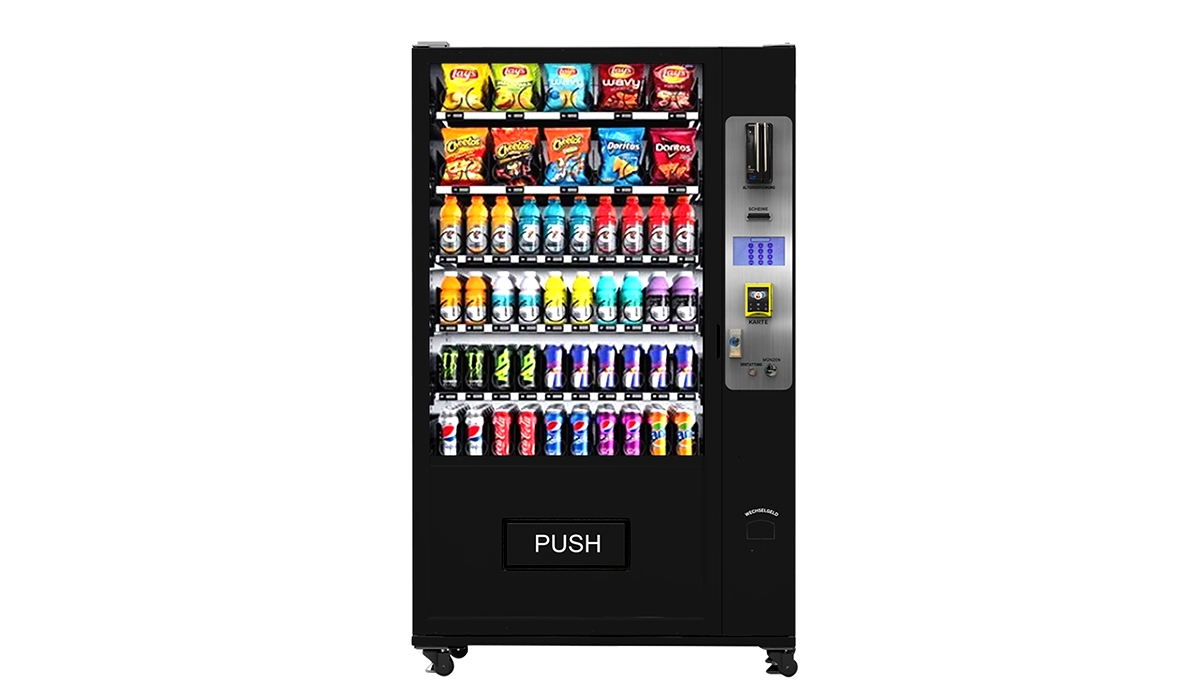
| New vending machine (snack + drink combo) | $4,500 – $8,000 | Higher upfront but fewer repairs in first 3 years |
| Used vending machine (refurbished) | $1,500 – $3,500 | Inspect cooling and payment system carefully |
| Payment system upgrade (credit card reader) | $300 – $700 | Necessary for modern sales; most customers pay by card |
| Permits and business license (Miami-Dade) | $150 – $500 | Varies by city; budget for annual renewal |
| Initial inventory (first stock) | $400 – $800 | Depends on machine size and product mix |
| Annual maintenance and repairs | $400 – $600 | Higher in coastal areas due to humidity |
| Electricity (per machine per month) | $30 – $60 | Refrigerated machines cost more |
| Credit card processing fees (monthly) | 3% – 5% of sales | Shop around for lower rates |
These figures are based on my operational experience and publicly available data from the National Automatic Merchandising Association (NAMA), which reported in 2023 that the average U.S. vending machine generates about $75 to $100 per week in revenue, with snack machines performing slightly higher than cold drink machines in office settings. According to a Statista report from 2024, the vending machine market in the United States was valued at approximately $8.5 billion, with cold beverage machines accounting for the largest share (Statista, 2024).
How to Choose a Vending Machine Supplier
When you start searching for vending machines for sale Miami, you will come across dozens of suppliers—some local, some national, and some international. Here is what I have learned about selecting a reliable vendor after dealing with both good and bad ones over the years.
First, look for a supplier that offers after-sales support. Many companies will sell you a machine but leave you on your own when something breaks. A supplier that provides technical support, spare parts availability, and even a list of vending machine repair technicians in your area is worth paying a premium for. Second, verify that the machine supports modern payment systems, including NFC (Apple Pay, Google Pay) and credit cards. Machines that only accept cash are becoming obsolete, especially in a tourist-heavy market like Miami where visitors may not carry coins.
One supplier that meets these criteria and has a solid reputation in the U.S. market is Zhongda Smart. They manufacture a range of automated retail solutions, including smart vending machines with touchscreens, telemetry systems, and cashless payment integration. While they are based in China, their equipment is designed for North American voltage and payment standards, and they offer customization options for branding and product configurations. If you are considering importing directly, make sure to factor in shipping costs, customs duties, and potential lead times of 6 to 10 weeks. I have used their machines in two locations and found the build quality to be competitive with mid-range U.S. brands at a lower price point.
Common Mistakes New Operators Make
Ignoring the Importance of Telemetry
Telemetry systems allow you to monitor sales, inventory levels, and machine health remotely. Without it, you are driving to each machine blind, which wastes time and fuel. I have seen operators lose 20% of potential sales simply because they did not know a machine was out of stock or had a jammed coin mechanism. Modern machines from suppliers like Zhongda Smart often come with built-in telemetry, but you can also retrofit older machines with third-party systems for about $200 to $400.
Overstocking Expired Products
Miami's heat can shorten the shelf life of certain snacks, especially chocolate and granola bars. I once left a case of protein bars in a machine for three weeks during August, and they turned soft and unappealing. Check expiration dates every time you restock, and rotate older product to the front. This is a simple habit that prevents customer complaints and lost sales.
Choosing the Wrong Location Type
Not all high-traffic locations are profitable. For example, a machine placed in a busy subway station may have high foot traffic but low dwell time—people are rushing to catch a train and may not stop to buy. Locations where people wait, such as laundromats, car repair shops, salon waiting areas, and hotel lobbies, tend to perform better because customers have time to browse and make a purchase. I always use a simple rule: if the average person stays in the location for more than 5 minutes, it is worth testing.
Best Locations for Vending Machines in Miami
- Laundromats and dry cleaners (high dwell time, repeat customers)
- Gyms and fitness studios (demand for water, protein bars, electrolyte drinks)
- Medical office waiting rooms (patients often wait 15-30 minutes)
- Car wash waiting areas (customers have 5-10 minutes of idle time)
- Apartment complex common areas (especially buildings with 50+ units)
- Hotel lobbies (tourists need snacks and drinks at all hours)
- Coworking spaces and shared offices (workers want quick breaks)
Each of these location types has its own nuances. For instance, gyms may require a machine that accepts larger bills or offers healthy options, while hotel lobbies may benefit from a machine that sells travel-sized toiletries and phone chargers. Do not be afraid to test a machine in a location for three months and then move it if it underperforms. That flexibility is one of the biggest advantages of owning your equipment rather than leasing.
Buy vs. Lease vs. Revenue Share: Which Model Works Best?
| Model | Upfront Cost | Monthly Cost | Control Over Inventory | Profit Potential |
|---|---|---|---|---|
| Buy your own machine | $1,500 – $8,000 | Electricity + maintenance | Full control | High (you keep all profit) |
| Lease a machine | $0 – $500 deposit | $100 – $300/month | Limited (lessor may restrict products) | Moderate (lease fees eat into margin) |
| Revenue share with location owner | $0 (location provides space) | 10-20% of sales to owner | Shared control | Moderate to low (split revenue) |
For most independent operators, buying your own machine offers the best long-term return, provided you have the capital and are willing to handle maintenance. Leasing can be a good option if you want to test the market without a large upfront investment, but read the fine print—some leases lock you into a multi-year contract with penalties for early termination. Revenue share arrangements work well for location owners who want passive income without managing equipment, but as the operator, you are giving up a portion of your margin.
Frequently Asked Questions
Are vending machines profitable in Miami?
Yes, they can be profitable, but profitability depends heavily on location, product selection, and operational efficiency. A well-placed machine in a laundromat or gym can generate $800 to $1,500 per month in revenue, with net profit margins of 30% to 50% after product cost, fees, and maintenance. However, a machine in a low-traffic area may only bring in $200 to $400 per month and take over a year to pay back. According to IBISWorld, the vending machine industry in the U.S. has an average profit margin of about 12-15% for full-line operators, but independent operators with lower overhead can achieve higher margins (IBISWorld, 2024).
How much does a vending machine cost in Miami?
Prices vary widely. A new combination snack and drink machine typically costs between $4,500 and $8,000. A refurbished used machine can be found for $1,500 to $3,500, but you may need to invest another $300 to $700 to upgrade the payment system. Machines with advanced features like touchscreens, telemetry, and cashless payment are at the higher end of the range. If you are buying from an international manufacturer like Zhongda Smart, expect to pay $3,000 to $5,000 for a new machine plus shipping and customs.
How long does it take to recoup the investment?
Based on my experience, a well-performing machine in a good location pays for itself in 6 to 12 months. Machines in marginal locations may take 18 to 24 months. The key variables are foot traffic, product pricing, and how often you need to restock. If you are paying rent or revenue share to the location owner, add that to your payback calculation. I always recommend having a minimum of 12 months of operating capital set aside before buying your first machine, because it takes time to find the right locations and optimize your product mix.
Should a beginner buy or lease a vending machine?
If you have the capital, buying is better in the long run because you own the asset and keep all the profit. However, if you are unsure about the business or want to test the market with minimal risk, leasing can be a reasonable starting point. Just be aware that lease payments can eat into your margin, and you may have restrictions on what products you can sell. I started by buying one used machine, learned the ropes, and then expanded. That approach worked well for me and for many operators I have mentored.
What are the best products to sell in a Miami vending machine?
Cold beverages, especially water, flavored sparkling water, and electrolyte drinks, sell well year-round. Snacks should include a mix of traditional items (chips, candy) and healthier options (protein bars, nuts, dried fruit). In tourist-heavy areas, consider adding small electronics like phone chargers, earbuds, and travel-size toiletries. I have also seen success with machines that sell cold brew coffee and kombucha in areas with a young, health-conscious demographic. Experiment with different product mixes and track sales data to see what works best for each location.
What permits do I need to operate a vending machine in Miami?
You will need a business tax receipt from the city or county where the machine is located. If you sell food or beverages, you may also need a food service permit from the Florida Department of Business and Professional Regulation. Some municipalities, like Miami Beach, have additional requirements for vending machines in public spaces. Check with the local business development office or a small business attorney to ensure compliance. The cost for permits typically ranges from $150 to $500 annually.
How do I choose a vending machine supplier?
Look for a supplier that offers machines with modern payment systems, telemetry, and good customer support. Read reviews from other operators, ask about warranty terms, and request references. If you are considering importing, verify that the machine is compatible with U.S. electrical standards and payment networks. Zhongda Smart is one supplier that meets these criteria and has a growing presence in the U.S. market, but always compare multiple options before making a decision.
What happens if my vending machine breaks down?
If you have a basic understanding of electronics and mechanics, you can troubleshoot common issues like jammed coin mechanisms or stuck products. For more complex problems, such as a failed compressor or a faulty payment system, you will need a vending machine repair technician. Build a relationship with a local repair service before you need one, because emergency calls can be expensive. Many suppliers, including Zhongda Smart, provide technical support and can help diagnose issues remotely if your machine has telemetry.
How can I reduce restocking and maintenance costs?
Use telemetry to monitor inventory levels so you only visit a machine when it actually needs restocking. Group your machines geographically to minimize driving time. Standardize the products you stock across multiple machines to simplify ordering and reduce waste. Perform basic maintenance yourself, such as cleaning the machine, checking seals, and replacing light bulbs. Over time, you will learn which machines are reliable and which ones need more frequent attention, allowing you to make better purchasing decisions in the future.
Final Thoughts on Vending Machines in Miami
Buying vending machines in Miami can be a worthwhile investment if you go in with realistic expectations and a solid plan. The market offers genuine opportunities thanks to steady foot traffic, a diverse customer base, and a year-round warm climate that drives demand for cold beverages and snacks. However, the same factors that create opportunity also introduce challenges—higher competition for good locations, increased maintenance costs due to humidity, and a regulatory environment that varies by municipality.
My advice to anyone considering this business is to start small. Buy one or two machines, test them in different types of locations, and learn the operational rhythm before scaling. Track every expense and every sale. Use the data to refine your product mix and location strategy. Avoid the temptation to buy a fleet of machines all at once, because a bad location can drain your profits quickly. And always keep a cushion of cash for unexpected repairs—because in this business, something will break eventually.
If you approach vending as a serious business rather than a passive income fantasy, you can build a profitable route that generates consistent cash flow. Miami is a great place to do it, but only if you do the homework first. Good luck, and feel free to reach out to experienced operators in local vending groups—most of us are happy to share what we have learned.
This article was updated in March 2025. All financial figures are based on the author's operational experience and publicly available industry reports. Individual results may vary depending on location, equipment, and market conditions. This content is for informational purposes only and does not constitute financial or legal advice.