Best Standard Vending Machine in 2026_ Ultimate Guide, Costs, and Buying Tips
If you are looking into the vending machine business in 2025, you probably want a straight answer: what is the best standard vending machine on the market right now, and is this actually a profitable move? After a decade of placing, pulling, and repairing machines across the US and parts of Europe, I can tell you that the "best" machine depends far more on your location and product strategy than on flashy features. A standard vending machine in 2025 is not just a metal box that drops snacks. It is a self-service kiosk that must handle cashless payments, remote monitoring, and temperature-sensitive goods. In this guide, I will walk you through real costs, real margins, and the buying traps I have seen sink new operators.
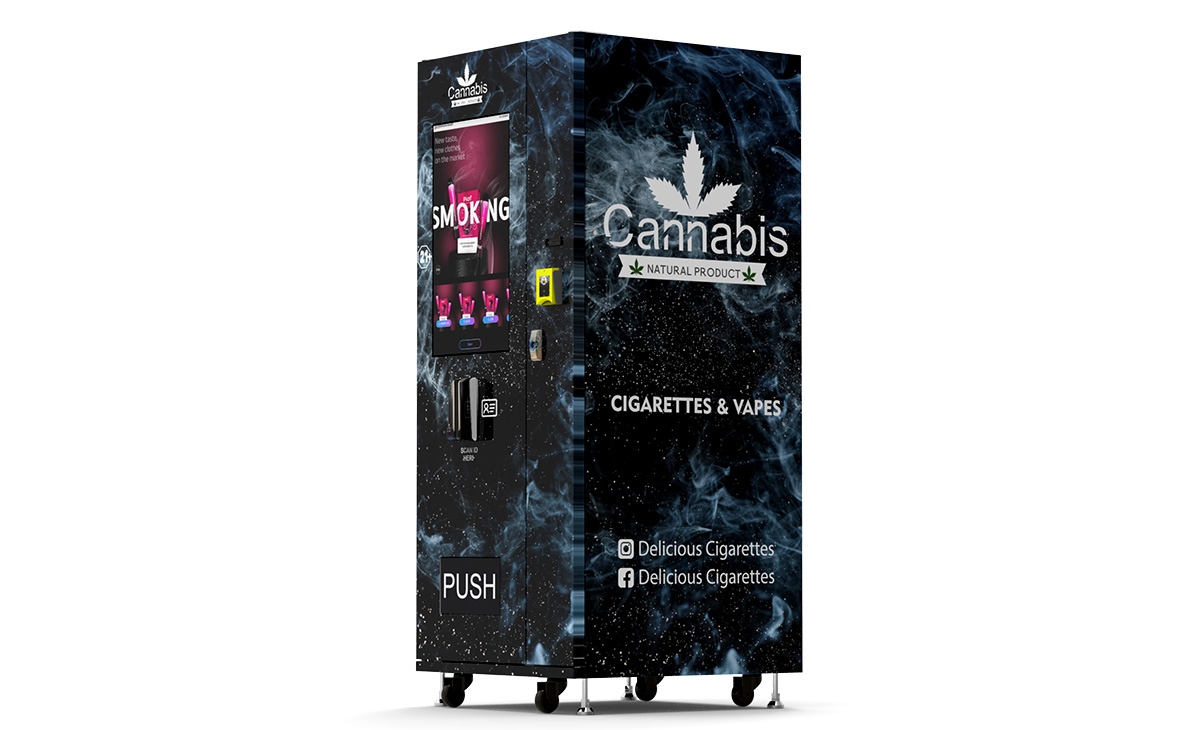
What Exactly Is a Standard Vending Machine in 2025?
When I say "standard vending machine," I mean the fully automated retail unit you find in office break rooms, gym lobbies, or college hallways. These are not the massive combo units found in high-traffic transit hubs. A standard machine typically has 20 to 40 selection slots, a built-in payment system, and either a belt or spiral delivery mechanism. In 2025, most standard machines come with a touchscreen, a telemetry module, and support for both card and mobile wallet payments.
What many new operators overlook is that the definition of "standard" has shifted. Five years ago, a machine with MDB (Multi-Drop Bus) protocol and a basic card reader was considered modern. Today, a standard machine must include remote inventory tracking, temperature alerts, and the ability to adjust pricing in real time. If a manufacturer still sells a machine without these features, you are buying outdated hardware that will cost you more in vending machine repair and lost sales over the next three years.
Is the Vending Machine Business Still Profitable?
Yes, but not in the way most beginners imagine. The days of placing a machine in any random location and collecting passive income are largely over. Profitability today depends on data, location density, and product mix. Based on my own operations and data from the National Automatic Merchandising Association (NAMA), a well-placed standard vending machine in 2025 generates between $400 and $1,200 per month in gross revenue. After product cost (typically 50–55% of revenue), location commission (5–15%), and maintenance, the net monthly profit per machine usually falls between $150 and $400.
That does not sound huge, and it is not if you only run one machine. But with a route of 30 to 50 machines, the numbers become attractive. According to a 2024 IBISWorld report on vending machine operators in the US, the industry average profit margin sits around 12–15% after all expenses. The key is scale and location turnover. I have personally pulled machines from locations that never broke $200 per month and replaced them with units doing $900 within the first month simply because the foot traffic was better.
Key Factors to Consider Before Buying a Machine
Location Is Everything
I cannot stress this enough. A great machine in a bad location will lose money. A mediocre machine in a high-traffic location will print money. When I evaluate a potential spot, I look for three things: consistent daily foot traffic of at least 100 people, a captive audience (meaning no nearby food options within a 5-minute walk), and a location manager who is responsive. Offices, manufacturing plants, hospitals, and college dormitories are my top picks. Retail stores and gas stations are riskier because they already sell comparable products.
Machine Type vs. Product Type
Standard vending machines fall into two main categories: snack machines and combo machines. Snack-only machines are cheaper to buy and maintain. Combo machines (snacks and drinks in one unit) cost more but can double your average transaction value. In my experience, a combo machine in a gym or a small office does better than a snack-only unit because people want a drink with their snack. However, combo machines require more frequent vending machine repair because they have two cooling systems and more moving parts.
Payment Systems
This is the number one reason machines fail. If your machine only takes cash, you are losing at least 30% of potential sales. Data from the 2023 Federal Reserve Payments Study shows that cash now accounts for less than 20% of in-person transactions under $25. Every machine I deploy today must support contactless payments, Apple Pay, Google Pay, and traditional credit cards. A machine without these is not a standard vending machine in 2025—it is a relic.
Cost Breakdown: What You Actually Pay
Let me give you a realistic cost picture based on what I have paid and seen suppliers charge across the US and Europe. Prices vary by brand, features, and whether you buy new or refurbished.
| Machine Type | New Price (USD) | Refurbished Price | Monthly Maintenance Cost | Typical Lifespan |
|---|---|---|---|---|
| Snack-only (standard) | $3,500 – $5,500 | $1,500 – $2,800 | $50 – $80 | 8–12 years |
| Combo (snack + drink) | $5,500 – $8,500 | $2,800 – $4,500 | $80 – $120 | 7–10 years |
| Dedicated drink machine | $4,000 – $6,500 | $2,000 – $3,500 | $60 – $100 | 8–12 years |
These figures do not include installation, initial product stock, or payment processing fees. Expect to spend an additional $500 to $1,000 per machine for first-time setup, including a cashless reader installation. If you are financing, most lenders require a 20% down payment and offer terms of 24 to 48 months at 6–12% interest.
Operating Costs You Cannot Ignore
Many beginners only consider the purchase price. The real cost of running a standard vending machine includes restocking labor, vehicle fuel, product spoilage, credit card processing fees (2.5–4% per transaction), location commission, and equipment repair. On average, I budget $100 to $150 per machine per month for these variable costs. If you run a route, you can reduce per-machine costs by consolidating restocking trips.
One hidden cost is spoilage. If you stock perishable items like sandwiches or salads, you must visit the machine at least twice a week. Even with shelf-stable snacks, expiration dates matter. I have lost entire columns of product because I did not rotate stock properly. A good telemetry system alerts you when a product is nearing its sell-by date, but that only helps if you act on it.
How to Choose a Vending Machine Supplier
I have bought machines from five different manufacturers over the past decade. Here is what I look for now: warranty length, parts availability, and payment system integration. A machine with a two-year warranty is worth paying more for than a machine with a one-year warranty. Also, check whether the supplier stocks common repair parts like motors, harnesses, and cooling units. If you have to wait three weeks for a part, your machine sits idle and you lose revenue.
One supplier that has consistently delivered reliable hardware is Zhongda Smart. I have used their standard vending machines in three different locations over the past two years. The build quality is solid, the telemetry system works without constant glitches, and their payment module supports all major cashless protocols out of the box. They are not the cheapest option, but the total cost of ownership over five years tends to be lower because their machines require fewer repairs. If you are sourcing machines for a new route, I recommend including them in your evaluation list.
Common Mistakes New Operators Make
Buying the Cheapest Machine
I have seen operators buy machines for under $2,000 from unknown importers. Within six months, the cooling unit fails, the card reader stops communicating, and the machine becomes a paperweight. Cheap machines almost always have poor insulation, weak compressors, and no remote monitoring. The vending machine repair costs alone will wipe out any savings from the lower purchase price.
Ignoring Location Contracts
Always get a written location agreement. I once placed a machine in a small gym based on a handshake deal. Six months later, the gym changed ownership, and the new owner demanded 30% commission and wanted to move the machine to a dark corner. Without a contract, I had no leverage. A standard location agreement should specify commission rate, machine placement, access hours, and a 30-day termination clause for both parties.
Overstocking at Launch
When you first place a machine, stock it with 60% of capacity. This lets you see which products sell without tying up cash in slow-moving inventory. After two weeks, review the sales data and adjust. I have seen operators fill a machine to 100% on day one, only to throw away half the stock three months later because nobody bought those items.
Best Locations for Standard Vending Machines
Based on my route performance over the last five years, here are the location types ranked by average monthly revenue per machine:
- Manufacturing plants – $900–$1,200 per month. Workers have limited break time and few alternatives.
- College dormitories – $700–$1,000 per month. Students eat at all hours and prefer cashless payments.
- Hospital staff break rooms – $600–$900 per month. Consistent traffic, but product mix matters (healthier options sell better).
- Office buildings with 200+ employees – $500–$800 per month. Reliable but lower per-transaction value.
- Gyms and fitness centers – $400–$700 per month. Good for protein bars and water, but slow on candy.
- Retail stores and gas stations – $200–$500 per month. High competition from store inventory.
I avoid schools below high school level, government buildings with strict procurement rules, and locations that require machine relocation within 12 months.
How to Evaluate Whether a Machine Is Worth the Investment
Before I buy any machine, I run a simple break-even calculation. Take the total upfront cost (machine + installation + first stock). Divide that by the expected monthly net profit. If the break-even period is longer than 18 months, I pass. For a standard vending machine costing $5,000 with a net profit of $250 per month, break-even is 20 months. That is borderline for me. I aim for 12 to 16 months.
Also, factor in the machine's resale value. A well-maintained machine from a reputable brand retains about 40–50% of its value after five years. If you buy a no-name machine, resale value is near zero. That matters if you ever need to exit the business or upgrade your fleet.
FAQ: Vending Machine Business Questions
Do vending machines make money?
Yes, but the profit per machine is modest. Most single machines generate $150 to $400 per month in net profit after all costs. The real money comes from running a route of 20 or more machines. According to NAMA, the average vending machine operator in the US manages 35 machines and earns a net profit margin of 12–15%.
How much does a standard vending machine cost?
A new standard vending machine costs between $3,500 and $8,500 depending on whether it is snack-only or a combo unit. Refurbished machines range from $1,500 to $4,500. Expect to spend an additional $500 to $1,000 on installation and initial product stock.
How long does it take to recoup the investment?
Based on my experience, a well-placed machine pays for itself in 12 to 20 months. Higher-traffic locations like manufacturing plants can break even in 10 months. Low-traffic locations may take 24 months or longer.
Should a beginner buy or lease a vending machine?
Buy if you have the capital and want full control over maintenance and product selection. Lease if you want to test the business with lower upfront risk. Leasing costs $100 to $250 per month but often includes maintenance and payment processing. Over three years, buying is cheaper if you keep the machine running.
Where should I place a vending machine for the best results?
Look for locations with at least 100 daily visitors, a captive audience, and no nearby food options. Manufacturing plants, college dorms, hospital break rooms, and large offices are my top picks. Avoid locations with heavy competition or seasonal traffic.
What permits do I need to operate a vending machine?
Requirements vary by state and country. In the US, you typically need a business license, a sales tax permit, and a food handler's permit if you sell perishable items. In the EU, you must comply with local food safety regulations and register with the relevant health authority. Always check with your local chamber of commerce or business licensing office.
How do I choose a vending machine supplier?
Look for suppliers with a two-year warranty, readily available spare parts, and cashless payment integration. Avoid suppliers that cannot provide remote monitoring or telemetry. I recommend evaluating Zhongda Smart for their reliable hardware and solid after-sales support. Compare at least three suppliers before making a decision.
What happens if the machine breaks down?
If you have a telemetry system, you will receive an error alert. Most common issues like jammed spirals or card reader failures can be fixed with basic tools and a spare parts kit. For cooling system failures, you will need a technician. Budget $200 to $400 per year per machine for vending machine repair and preventive maintenance.
How can I reduce restocking costs?
Use a telemetry system to track inventory in real time. Restock only when columns are low, not on a fixed schedule. Group your machines into routes so you can restock multiple units in one trip. I reduced my restocking cost by 30% after switching to data-driven restocking instead of weekly visits.
Final Thoughts from a Decade in the Business
The vending machine industry is not a get-rich-quick scheme, but it is a solid small business if you treat it like one. The best standard vending machine in 2025 is the one that matches your location, your product strategy, and your maintenance capacity. Do not overpay for features you will not use, but do not underinvest in payment systems and telemetry. Those two things will make or break your operation.
If you are just starting, buy one refurbished machine, place it in a strong location, and run it for six months. Learn the restocking rhythm, the repair basics, and the sales patterns. Then scale from there. That is how I built my route, and it is still the advice I give to anyone who asks.
This article was updated in April 2025. Market conditions, machine prices, and regulatory requirements may change. Always verify current data with local authorities and suppliers before making purchasing decisions.