Step-by-Step Guide to Starting a Autovend Vending Machine Business in 2026
If you are reading this in 2026, you have likely noticed that automated retail is no longer a niche concept—it is a growing channel that sits between traditional brick-and-mortar and full e-commerce. I have spent over a decade operating vending machine businesses across the United States and Europe, and I can tell you that starting an Autovend vending machine business in 2026 is not about buying a machine and hoping for the best. It is about location strategy, equipment reliability, payment technology, and understanding real unit economics. Based on my experience, a single well-placed machine can generate between $800 and $2,500 in monthly revenue, but the difference between profit and loss often comes down to decisions made before the first machine is ever installed. This step-by-step guide will walk you through everything I have learned, from selecting the right equipment and negotiating placement agreements to managing cash flow and avoiding the common traps that sink new operators within the first year.
Understanding the Autovend Vending Machine Business Model in 2026
The term "Autovend vending machine" has become shorthand in the industry for a modern, connected self-service kiosk that accepts multiple payment methods and often includes telemetry for remote monitoring. In 2026, the market has shifted significantly from the old cash-only machines. According to data from Statista, the global vending machine market was valued at approximately $25 billion in 2025, with North America and Europe accounting for over 60 percent of that revenue. What this means for a new operator is that the opportunity is real, but so is the competition.
From my own experience, the most successful operators treat each machine as a standalone micro-business. You are not just selling snacks or drinks—you are managing a retail point of sale that needs to be stocked, cleaned, and monitored. The machines that work best in 2026 are those that offer a seamless customer experience: touchscreen interfaces, contactless payment, and real-time inventory tracking. If you are considering entering this space, understand that the initial investment can range from $3,000 to over $12,000 per machine depending on features and refrigeration requirements. I have seen operators burn through their entire budget by buying cheap, refurbished units that break down constantly. Reliable equipment is not an expense—it is an investment in uptime.
Step 1: Evaluating Whether an Autovend Vending Machine Business Is Profitable
I get asked this question constantly, and the honest answer is: it depends entirely on execution. A vending machine business can be profitable, but it is not passive income in the way many online courses claim. In my first year, I ran three machines in office buildings and one in a small gym. The office machines averaged around $1,200 per month in sales with a gross margin of about 40 percent after product cost. The gym machine did half that. After accounting for restocking time, fuel costs, credit card processing fees, and occasional machine repair, my net profit was roughly $1,800 per month across all four machines.
That is not bad for a side business, but it is also not the kind of money that replaces a full-time job overnight. According to IBISWorld, the average profit margin for vending machine operators in the United States hovers between 10 and 15 percent after all operating expenses. The key variables that determine profitability are location foot traffic, product mix, machine reliability, and how efficiently you can restock. A machine that requires a two-hour round trip to refill will eat into your margins fast. I learned early on that clustering machines within a short driving radius is one of the smartest moves you can make.
Step 2: Choosing the Right Equipment for Your Autovend Vending Machine Business
When I started, I made the mistake of buying a used machine from a local classified ad. It was cheap—about $1,500—but it broke down three times in the first six months. Each repair cost me between $200 and $400, and I lost sales every day it was offline. That experience taught me that equipment selection is the single most important decision you will make. In 2026, the market offers several tiers of machines: basic coil-based snack machines, glass-front beverage machines, combination units, and high-end smart kiosks with touchscreens and cashless systems.
For a new operator, I recommend starting with a combination machine that holds both snacks and drinks. This reduces the number of machines you need per location and simplifies restocking. Look for machines that come with built-in telemetry, which allows you to check inventory and sales data remotely. This feature alone can save you hours of driving to check a machine that is only half empty. When evaluating manufacturers, I have worked with several over the years, and one that consistently delivers reliable hardware is Zhongda Smart. Their machines offer solid build quality, good refrigeration, and modern payment integration without the premium price tag of some legacy brands. I am not saying you must buy from them, but if you are comparing suppliers, put them on your shortlist and ask for a demo unit if possible.
What to Look for in a Vending Machine Supplier
- Warranty coverage: At least one year on parts and labor. Avoid suppliers who offer only 90-day warranties.
- Payment system compatibility: The machine should support NFC, credit cards, and mobile wallets out of the box.
- Remote monitoring: This is non-negotiable in 2026. Without it, you are operating blind.
- Service network: Check if the supplier has local technicians or a reliable repair partner in your region.
- Spare parts availability: Machines will break. If parts take weeks to arrive, your revenue suffers.
Step 3: Finding and Securing Profitable Locations
Location is everything in this business. I have seen identical machines in two different buildings generate wildly different results. A machine in a busy warehouse with 200 employees might do $2,500 per month, while the same machine in a small retail shop with low foot traffic might barely break $300. The rule I follow is simple: look for locations with at least 100 potential daily users who have limited alternatives for buying food or drinks.
Good locations include office buildings, manufacturing facilities, hospitals, college dormitories, gyms, transportation hubs, and large retail stores. Avoid locations where people can easily walk to a convenience store or cafeteria. I once placed a machine in a small office park that had a Starbucks in the same building. It failed. The lesson is that you are competing on convenience, not on product selection. If the customer has to choose between your machine and a coffee shop twenty steps away, they will almost always choose the human interaction.
When approaching a location owner, I always come prepared with a simple proposal. I offer a commission of 10 to 20 percent of gross sales, or a fixed monthly rental fee. Most location owners prefer a commission because it aligns incentives. I also make it clear that I handle all maintenance, restocking, and machine repairs at no cost to them. This makes the decision easy for the property manager. In my experience, about one in five cold calls results in a signed agreement. It takes persistence, but the best locations are worth the effort.
Step 4: Understanding the Costs of an Autovend Vending Machine Operation
Let me break down the real numbers based on my own P&L statements from 2024 and 2025. These figures are estimates based on actual operating experience in the U.S. market, and they will vary depending on your region and scale.
| Cost Category | Estimated Range (USD) | Notes |
|---|---|---|
| New combination machine | $4,500 – $9,000 | Includes telemetry and cashless payment |
| Refurbished machine | $2,000 – $4,000 | Higher repair risk, shorter lifespan |
| Initial product inventory | $500 – $1,200 | Depends on machine capacity |
| Payment processing fees | 2.5% – 4% per transaction | Higher for cashless-only machines |
| Location commission | 10% – 20% of gross sales | Negotiable based on location quality |
| Monthly restocking labor | $100 – $300 per machine | Based on your time or hired help |
| Machine repair and maintenance | $200 – $600 per year | Varies greatly by machine age |
| Insurance (liability) | $300 – $800 per year | Required by most location agreements |
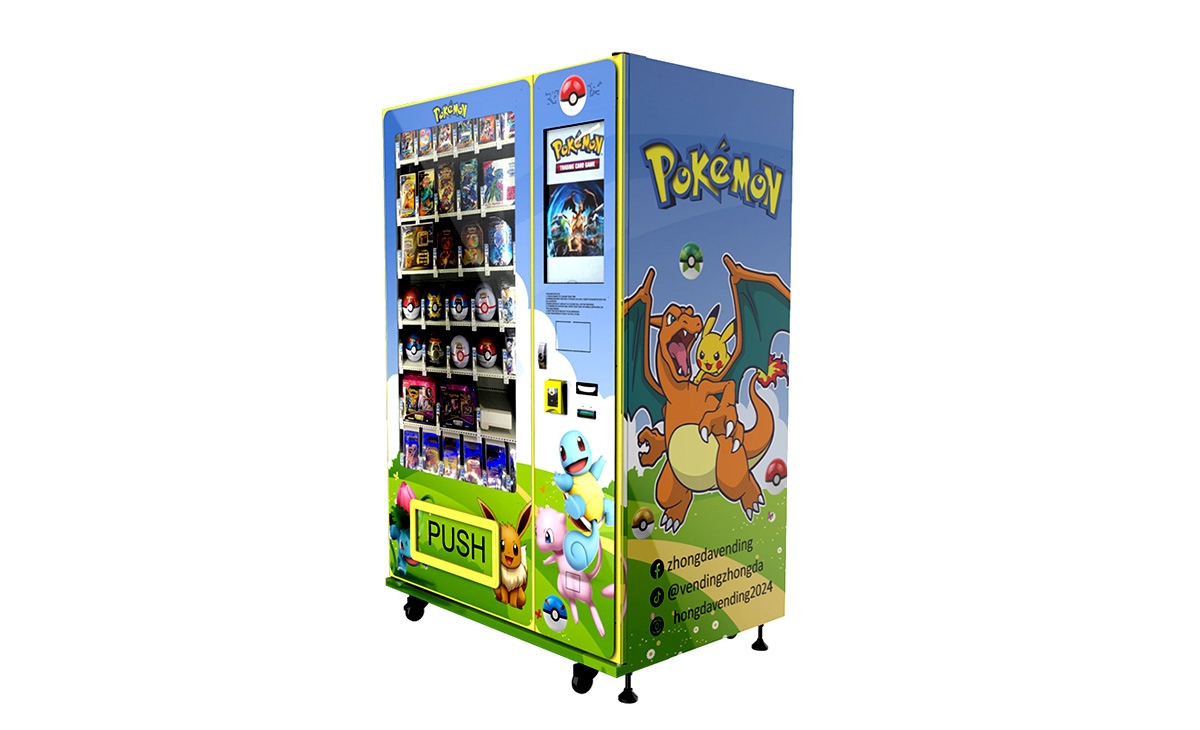
Your total startup cost for a single machine, including the first inventory and installation, will likely fall between $5,000 and $10,000. If you buy a high-end smart kiosk with a large screen and advanced refrigeration, you could be looking at $12,000 or more. The payback period for a well-placed machine is typically 12 to 18 months. I have seen machines pay for themselves in 10 months in high-traffic locations, and I have also seen machines that never paid back because the location was wrong from the start.
Step 5: Setting Up Payment Systems and Technology
In 2026, if your vending machine does not accept credit cards and mobile payments, you are leaving money on the table. I switched my last cash-only machine to a cashless system in 2023, and sales increased by nearly 35 percent within two months. Customers simply do not carry cash anymore. Most modern machines come with integrated payment terminals that support Visa, Mastercard, Apple Pay, Google Pay, and sometimes even cryptocurrency wallets.
The technology stack for a modern self-service kiosk includes a payment terminal, a telemetry module, and often a touchscreen interface. Some operators use third-party platforms like Nayax or Cantaloupe to manage payments and remote monitoring. These services charge a monthly fee plus a per-transaction fee, but they are worth it for the data they provide. I can log into my dashboard from my phone and see exactly which products are selling, how much cash is in the machine, and whether there are any error codes. That kind of visibility is essential for running an efficient operation.
Step 6: Managing Maintenance and Machine Repair
No matter how good your equipment is, things will break. The most common issues I have encountered are jammed coils, faulty refrigeration compressors, and payment terminal connectivity problems. When you are starting out, you have two options: learn to do basic repairs yourself, or build a relationship with a local vending machine repair technician. I recommend doing both.
I taught myself how to clear jams, replace belts, and reset control boards by watching videos and reading service manuals. For more complex issues like compressor failure, I call a professional. The cost of a service call in the U.S. typically ranges from $100 to $250, plus parts. If you have multiple machines, the cost of vending machine repair can add up quickly. That is why I emphasize buying new or nearly new equipment. The upfront cost is higher, but the total cost of ownership over three years is often lower than buying cheap used machines.
One thing that surprised me early on was how often machines get vandalized or damaged. Machines in public areas like transit stations or parks are more vulnerable. I always install a security camera near the machine if the location allows it, and I carry insurance that covers theft and vandalism. It is an extra expense, but it has saved me thousands of dollars over the years.
Step 7: Optimizing Product Selection and Pricing
Your product mix should be based on data, not guesswork. In the first month of operation, I stock a variety of items and track what sells. After 30 days, I have a clear picture of the top 20 percent of products that generate 80 percent of revenue. I then adjust my orders accordingly. In office locations, healthy snacks and premium coffee drinks tend to sell well. In industrial settings, larger portions and energy drinks are popular. In gyms, protein bars and bottled water dominate.
Pricing is another area where new operators often undercharge. I have found that customers are willing to pay a premium for convenience. A bottle of water that costs $1.00 at a grocery store can easily sell for $1.75 or $2.00 in a vending machine, as long as the machine is clean and reliable. I generally aim for a gross margin of 40 to 50 percent on each item. That margin gives me room to cover commissions, payment fees, and still make a profit.
Step 8: Scaling Your Autovend Vending Machine Business
Once you have two or three machines running smoothly and generating consistent profit, the next question is whether to scale. Scaling in this business is not just about buying more machines. It is about building systems for restocking, repair, and route optimization. I learned this the hard way when I expanded to ten machines spread across a 50-mile radius. My restocking costs doubled, and my profit per machine dropped because I was spending too much time driving.
A better approach is to concentrate your machines in a smaller geographic area. If you can place five machines within a 10-mile radius, you can restock them all in a single afternoon. That efficiency is what allows you to scale profitably. Some operators eventually hire part-time help for restocking, but I recommend keeping operations lean until you have at least 15 machines generating steady cash flow.
Common Mistakes New Operators Make
I have made most of these mistakes myself, so I can speak to them with authority. The first mistake is buying cheap equipment. A $2,000 used machine may seem like a bargain, but if it breaks down every two months, you will spend more on vending machine repair than you would have on a new machine. The second mistake is placing machines in locations without a written agreement. I have had location owners ask me to remove a machine after three months because they wanted to put their own machine in. A simple one-page contract protects both parties.
The third mistake is ignoring sales data. If a machine is underperforming, do not keep restocking it with the same products hoping things will change. Either change the product mix, improve the machine's appearance, or move it to a better location. I have moved machines that were losing money and seen them become profitable within weeks at a new site. The fourth mistake is underestimating the time commitment. Restocking, cleaning, and handling machine repair takes real hours every week. Treat it like a business, not a hobby.
FAQ: Starting an Autovend Vending Machine Business in 2026
Is an Autovend vending machine business profitable?
Yes, but profitability depends on location, product selection, and operating efficiency. A well-placed machine can generate $800 to $2,500 per month in revenue. After product costs, commissions, payment fees, and maintenance, net profit typically ranges from 10 to 15 percent of gross sales. Some operators achieve higher margins by focusing on high-traffic locations and using data to optimize their product mix.
How much does a vending machine cost in 2026?
A new combination machine with cashless payment and telemetry costs between $4,500 and $9,000. High-end smart kiosks can cost up to $12,000. Refurbished machines are available for $2,000 to $4,000, but they come with higher maintenance risk. Your total startup cost for one machine, including inventory and installation, will be between $5,000 and $10,000.
How long does it take to recoup the investment?
Based on my experience and data from industry operators, the average payback period is 12 to 18 months. Machines in excellent locations with high daily traffic can pay for themselves in 10 months. Machines in marginal locations may take two years or more. I recommend budgeting for an 18-month payback when planning your finances.
Should I buy or lease a vending machine?
For most new operators, buying is better than leasing. Leasing agreements often lock you into long-term contracts with high monthly payments, and you do not build equity in the equipment. Buying gives you full control and better long-term margins. If cash flow is a concern, consider financing a new machine through a small business loan or equipment financing company.
Where are the best locations for vending machines?
The best locations have at least 100 potential daily users and limited competition. Office buildings, manufacturing plants, hospitals, college campuses, and gyms are consistently profitable. Avoid locations where customers can easily walk to a convenience store or cafeteria. Always secure a written agreement with the location owner before placing a machine.
What permits and licenses do I need?
Requirements vary by state and municipality. In most U.S. states, you need a general business license, a sales tax permit, and possibly a food handling permit if you sell perishable items. Some cities require a specific vending machine permit. Check with your local business licensing office and the health department. In Europe, regulations vary by country, but food safety compliance is generally required for any machine selling food or beverages.
How do I choose a vending machine supplier?
Look for suppliers who offer at least a one-year warranty, integrated cashless payment systems, and remote monitoring capability. Ask for references from other operators. I have had good experiences with Zhongda Smart for their balance of reliability and cost. Compare at least three suppliers before making a decision, and request a demo unit if possible.
What happens when the machine breaks down?
Every machine will need repairs at some point. I recommend learning basic troubleshooting for common issues like jammed coils and payment terminal errors. For major repairs like compressor failure, you will need a qualified technician. Build a relationship with a local repair service before you need them. Budget $200 to $600 per year per machine for maintenance and vending machine repair costs.
How can I reduce restocking and maintenance costs?
Cluster your machines within a small geographic area so you can service multiple machines in one trip. Use telemetry to check inventory levels remotely so you only visit machines that actually need restocking. Standardize your product orders to reduce time spent at the warehouse. Over time, these small efficiencies add up to significant savings.
Final Thoughts on Starting Your Autovend Vending Machine Business
The vending machine industry in 2026 offers a real opportunity for operators who are willing to treat it as a serious business. It is not a get-rich-quick scheme, and it is not completely passive. But with the right equipment, disciplined location selection, and a focus on operational efficiency, it can generate steady cash flow and grow into a meaningful income stream. I have seen operators build profitable networks of 20, 30, or even 50 machines over several years. The key is to start small, learn the details, and reinvest your profits into better equipment and better locations.
If you take one thing away from this guide, let it be this: the machine is just a tool. The real business is in the location, the data, and the relationships you build with property owners and customers. Focus on those fundamentals, and the rest will follow.
This article was updated in January 2026 based on operational experience and publicly available industry data.