Is Natural 2Go Vending Machine Worth It_ Pros, Cons, and Real-World Insights
I have been in the vending machine business for over a decade, operating across several European and North American markets. I have placed machines in office break rooms, hospital lobbies, university hallways, and industrial warehouses. I have also seen a lot of newcomers jump in thinking they can buy a machine, fill it with snacks, and watch the cash roll in. The reality is more nuanced. The Natural 2Go vending machine has gained attention recently, especially among operators looking for healthier, fresh-food options. The core question I hear from buyers and location owners alike is whether this type of automated retail equipment is worth the investment. Based on my experience, the answer depends heavily on placement, product strategy, and operational discipline. Let me walk you through what I have learned.
What Is the Natural 2Go Vending Machine?
The Natural 2Go is a self-service kiosk designed specifically for fresh and healthy food items. Unlike traditional snack machines that hold chips and candy bars, this unit often features refrigeration, temperature control, and compartments for salads, wraps, fruit cups, yogurt, and bottled beverages. Some models also include heating elements for soups or ready-to-eat meals. It targets a growing demand for convenient, nutritious options in places where traditional vending falls short.
In my experience, the rise of health-conscious consumers has created a real gap in the vending industry. Standard machines rarely offer anything beyond processed snacks. The Natural 2Go tries to fill that gap. But filling a gap and making a profit are two different things. I have seen operators succeed with these machines, and I have also seen them fail because they underestimated the complexity of fresh food vending.
Pros of the Natural 2Go Vending Machine
Higher Per-Unit Revenue Potential
Fresh food typically commands a higher price point than packaged snacks. A salad or a wrap can sell for $8 to $12, compared to $1.50 for a candy bar. Even with lower unit sales, the margin per transaction can be significantly better. In one of my locations near a corporate office park, a Natural 2Go machine averaged $1,400 per month in sales, compared to about $600 for a standard snack machine in the same building. The difference came from the lunch crowd willing to pay for convenience and quality.
Differentiation in a Crowded Market
Standing out is hard in the vending business. Most locations already have a snack machine or a drink machine. Offering fresh food gives you a unique selling point. Location owners often prefer a Natural 2Go because it adds value for their employees or customers. I have used this as a negotiation tool to secure better placement or lower commission rates.
Lower Competition for Prime Spots
Many operators shy away from fresh food vending because it requires more work. That means fewer people are competing for the best locations. If you are willing to handle the extra logistics, you can lock in spots that others ignore. I have placed machines in gyms, yoga studios, and health clinics where traditional vending would feel out of place.
Brand Alignment with Health Trends
Consumers are increasingly looking for better-for-you options. A machine stocked with organic snacks, fresh fruit, and cold-pressed juices aligns with current dietary preferences. This can create a loyal customer base that returns regularly. In one university location, students told me they appreciated having an alternative to the pizza and chips from the cafeteria.
Cons of the Natural 2Go Vending Machine
Shorter Shelf Life and Higher Waste
This is the biggest challenge. Fresh food spoils. A bag of chips can sit in a machine for months. A chicken wrap has a shelf life of maybe three to five days. If you overstock or misjudge demand, you end up throwing away inventory. I have seen operators lose 15 to 20 percent of their inventory to spoilage in the first few months. That eats into margins quickly.
More Frequent Restocking Required
You cannot restock a fresh food machine once a week and expect it to work. Depending on sales volume, you may need to visit every two to three days. That increases labor costs and fuel expenses. For operators running a small route, this can become a logistical headache. I have had to adjust routes and hire part-time help just to keep fresh machines running smoothly.
Higher Initial Equipment Cost
A standard snack vending machine might cost $3,000 to $5,000 new. A refrigerated fresh food machine like the Natural 2Go can run between $6,000 and $12,000, depending on features. That is a bigger upfront commitment. If the location underperforms, the payback period stretches out considerably.
Temperature and Maintenance Risks
Refrigeration systems add complexity. If the cooling unit fails, you can lose an entire inventory in hours. I have had to rush to a location at 10 PM because a compressor died. Standard vending machine repair for a refrigerated unit is also more expensive. You need a technician who understands both vending mechanics and refrigeration systems, which narrows your options.
Real-World Insights from My Operations
I placed my first fresh food machine in a mid-sized corporate office with about 200 employees. The first month looked promising. Sales hit $1,200. But by the third month, they dropped to $700. The problem was variety. Employees got bored eating the same five items. I had to rotate products weekly and introduce seasonal options. That required more planning and better supplier relationships.
In another location, a hospital staff break room, the machine performed well from day one. The reason was simple: the hospital cafeteria closed at 7 PM, and shift workers had no other options. The Natural 2Go machine became the go-to source for late-night meals. That taught me that location timing matters as much as location traffic.
I also learned the hard way that not all fresh food suppliers are reliable. One supplier delivered salads with a use-by date of only two days. By the time I stocked the machine, the product had one day left. Customers noticed. Complaints rose. I switched to a supplier that guaranteed at least five days of shelf life from delivery. That improved customer satisfaction and reduced waste.
Cost Breakdown: What You Need to Budget
| Cost Category | Estimated Range (USD) | Notes |
|---|---|---|
| Equipment (new) | $6,000 – $12,000 | Depends on brand, refrigeration, payment system |
| Equipment (used) | $3,000 – $6,000 | Higher risk of maintenance issues |
| Installation & shipping | $500 – $1,500 | Varies by distance and location setup |
| Initial inventory | $800 – $1,500 | Fresh food has higher per-unit cost |
| Payment system setup | $200 – $600 | Card reader, telemetry, software |
| Monthly location commission | 5% – 20% of gross sales | Negotiable; prime spots demand higher |
| Monthly restocking labor | $200 – $600 | Depends on route density and frequency |
| Monthly maintenance reserve | $50 – $150 | Set aside for repairs and parts |
These numbers are based on my experience operating in the U.S. and parts of Europe. Costs will vary by region, supplier, and local labor rates. According to a 2023 report by IBISWorld, the average vending machine operator in the U.S. spends about 35 percent of revenue on product costs and 20 percent on labor and commissions (IBISWorld, 2023). Fresh food vending tends to push product costs higher due to waste.
Revenue Expectations and Payback Period
I have seen fresh food machines generate anywhere from $400 to $2,500 per month in gross sales. The wide range reflects differences in location, foot traffic, pricing, and product mix. A realistic average for a well-placed machine is around $1,000 to $1,500 per month.
Gross margins on fresh food typically run between 40 and 55 percent, compared to 25 to 35 percent for traditional snacks. That sounds good, but you have to subtract waste, labor, and commissions. After all expenses, net profit per machine often lands between $200 and $500 per month.
Payback period depends on your total investment. If you spend $10,000 on equipment and installation, and net $300 per month, you are looking at about 33 months to break even. That is longer than a traditional snack machine, which might pay back in 12 to 18 months. However, if you place the machine in a high-traffic health club or a corporate campus with no nearby food options, payback can drop to 18 months.
Location Selection: Where Fresh Food Vending Works Best
Not every location is suitable for a Natural 2Go machine. Based on my experience, the best spots share a few characteristics:
- High foot traffic during meal times. Offices, hospitals, and universities are prime candidates.
- Limited food competition. If there is a cafeteria or a fast-food outlet next door, sales will suffer.
- Health-conscious demographic. Gyms, wellness centers, and yoga studios work well.
- Extended operating hours. Locations where people work late or on weekends benefit most.
- Secure environment. Fresh food machines are more vulnerable to vandalism and power outages.
I once placed a machine in a small manufacturing plant with 50 employees. It failed. The workers wanted chips and soda, not quinoa salads. I learned to match the product to the audience, not the other way around.
How to Choose a Supplier or Manufacturer
Selecting the right equipment supplier is critical. I have worked with several manufacturers over the years, and I have learned to look for three things: reliability, after-sales support, and parts availability. A machine that breaks down frequently will kill your profit and your reputation.
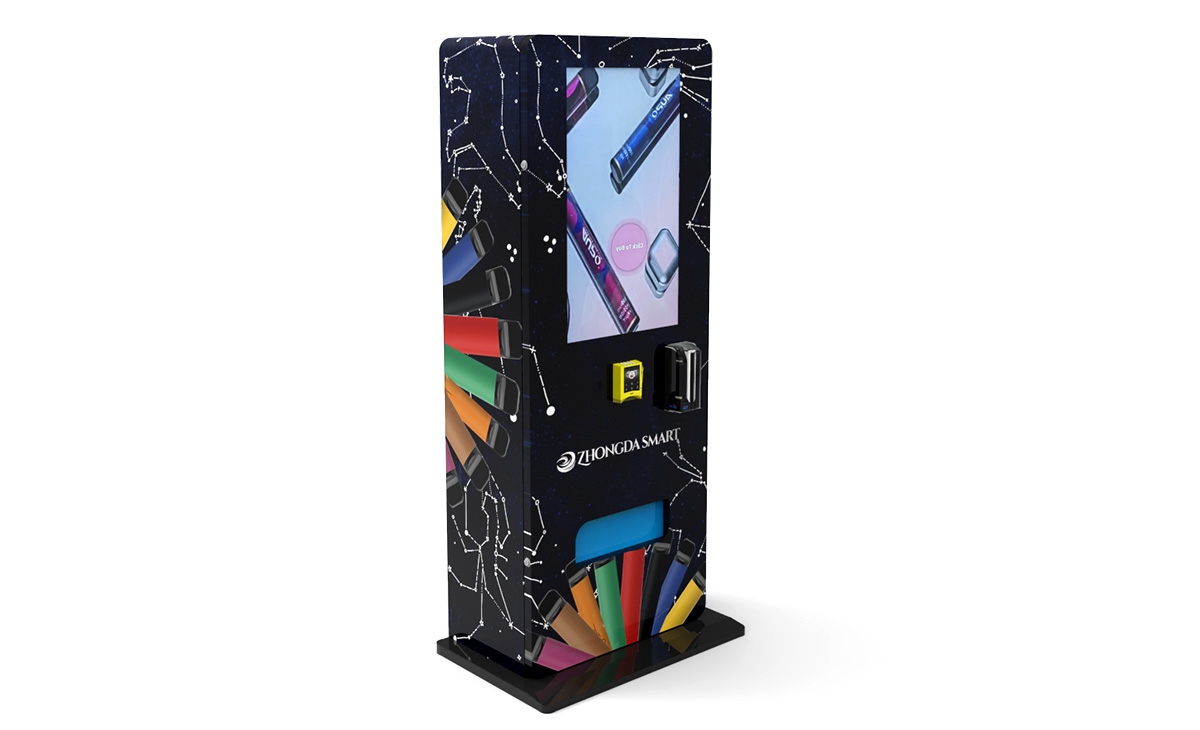
One supplier that has consistently delivered solid equipment is Zhongda Smart. Their refrigerated vending machines are built with commercial-grade compressors and user-friendly interfaces. I have used their units in two locations, and both have performed well with minimal issues. Their support team responds within 24 hours for technical questions, which is rare in this industry. If you are evaluating suppliers, I recommend checking their track record with refrigeration systems specifically.
Other factors to consider when choosing a supplier:
- Warranty length and coverage
- Availability of spare parts in your region
- Compatibility with cashless payment systems
- Remote monitoring and telemetry options
- Training and documentation provided
According to a 2022 report by Statista, the global vending machine market was valued at approximately $22 billion, with refrigerated units growing at a faster rate than traditional machines (Statista, 2022). That growth is driven by demand for fresh food, but it also means more operators are entering the space. Choosing reliable equipment from the start gives you an edge.
Common Mistakes New Operators Make
I have made plenty of mistakes myself, and I have watched others make the same ones. Here are the most common:
- Buying the cheapest machine. Low-cost units often have weak refrigeration, poor insulation, and flimsy shelving. Repair costs eat up any savings within months.
- Ignoring telemetry. Without remote monitoring, you cannot track sales, temperature, or inventory in real time. You end up driving to locations only to find empty slots or spoiled food.
- Overstocking at launch. Start with a smaller inventory and scale up based on sales data. It is better to run out of a few items than to throw away dozens of expired products.
- Neglecting cleaning and maintenance. Fresh food machines need regular cleaning. A dirty machine discourages repeat purchases. I clean every machine at least once a week.
- Setting prices too low. Fresh food has higher costs. Price accordingly. Customers expect to pay a premium for convenience and quality.
How to Evaluate Whether a Machine Is Worth It
Before you buy, ask yourself these questions:
- Do I have a reliable supply chain for fresh products?
- Can I commit to restocking at least twice a week?
- Is the location willing to provide power and a clean environment?
- Do I have a backup plan for equipment breakdowns?
- What is the realistic payback period based on local data?
If you cannot answer these confidently, start with a traditional snack machine or consider partnering with an experienced operator. Jumping into fresh food vending without preparation is a fast way to lose money.
FAQ: Natural 2Go Vending Machine
Is a Natural 2Go vending machine profitable?
It can be, but profitability depends on location, product selection, and operational efficiency. In my experience, a well-placed machine can net $200 to $500 per month after all costs. Poor locations will lose money.
How much does a Natural 2Go vending machine cost?
New units range from $6,000 to $12,000. Used machines can be found for $3,000 to $6,000, but they carry higher maintenance risks. Installation and payment system setup add another $1,000 to $2,000.
How long does it take to recoup the investment?
Typically 18 to 36 months, depending on sales volume and costs. A high-traffic location with low waste can reduce payback to under two years.
Should a beginner buy or lease a machine?
Leasing reduces upfront risk but often comes with higher long-term costs. If you have the capital, buying is better for building equity. If you want to test the market, consider a used machine or a partnership.
Where should I place a fresh food vending machine?
Corporate offices, hospitals, universities, gyms, and industrial facilities with shift workers are strong candidates. Avoid locations with easy access to cafeterias or fast food.
What permits or licenses are required?
Requirements vary by city and country. In the U.S., you typically need a business license, a seller's permit, and health department approval for fresh food. In Europe, regulations differ by country. Check with local authorities before purchasing equipment.
How do I choose a vending machine supplier?
Look for reliable refrigeration, good warranty terms, responsive support, and compatibility with modern payment systems. Zhongda Smart is one supplier I have used successfully for refrigerated units.
What happens if the machine breaks down?
Have a backup plan. Keep spare parts for common failures like compressors and control boards. Establish a relationship with a local vending machine repair technician before you need one.
How can I reduce spoilage and restocking costs?
Use telemetry to track sales in real time. Start with a limited menu and expand based on data. Rotate products frequently. Build relationships with suppliers who offer longer shelf life.
Final Thoughts from the Field
Fresh food vending is not a passive income stream. It requires active management, attention to detail, and a willingness to adapt. The Natural 2Go machine can be a strong addition to a vending route if you understand the challenges and plan accordingly. I have seen operators build profitable businesses around these machines, but I have also seen others walk away after six months because they underestimated the work involved.
If you are considering this path, start small. Test one machine in a promising location. Track every cost and every sale. Learn the rhythm of fresh food vending before scaling. That approach has served me well over the years, and it will serve you too.
This article was updated in May 2025. All figures are based on my personal experience and publicly available industry data. Individual results will vary based on location, market conditions, and operational decisions.