Step-by-Step Guide to Starting a Rent To Own Vending Machine Business in 2026
If you are looking at the vending machine business in 2026 and wondering whether the rent-to-own model actually works, here is the short answer: yes, but only if you treat it like a real estate deal rather than a snack-selling hobby. I have been placing, repairing, and pulling machines across the US and Europe for over ten years, and I have seen more people lose money on bad leases than on bad locations. A rent-to-own vending machine arrangement can lower your upfront risk, but it also comes with traps that most beginners never see coming. This step-by-step guide walks you through exactly how to start a rent-to-own vending machine business in 2026, what to watch for, and how to avoid the mistakes that keep most operators from ever turning a profit.
What a Rent-to-Own Vending Machine Business Actually Means
In a standard rent-to-own deal, you pay a monthly fee for the right to use a vending machine, and after a set period—usually 12 to 36 months—you own the machine outright. The monthly payment typically includes maintenance support or at least covers basic vending machine repair during the rental term. Some providers also bundle in a payment system or telemetry software. This model appeals to newcomers because it lowers the initial capital requirement. Instead of spending $4,000 to $8,000 upfront on a single machine, you might put down $500 to $1,000 and then pay $150 to $300 per month.
But here is what the glossy websites do not tell you: the total cost over the contract period often exceeds the retail price of the machine by 30 to 50 percent. That is the trade-off. You pay more over time for the privilege of lower entry cost. The question is whether that trade-off makes sense for your specific situation.
Why the Rent-to-Own Model Exists in 2026
The vending industry has shifted significantly since 2020. Cashless payment is now the standard, telemetry is expected, and machines have become more complex. A basic soda machine from 2015 cost around $2,500. A comparable machine in 2026 with a 24-inch touchscreen, card reader, and remote monitoring costs closer to $6,000. That price jump has pushed many first-time operators toward leasing or rent-to-own options. Manufacturers and distributors saw this trend and started offering financing structures that look like rent-to-own but function more like high-interest loans.
According to a 2023 IBISWorld report on vending machine operators in the US, the industry generates roughly $7.5 billion annually, with an average profit margin of about 12 percent after all expenses. That margin is thin. If you pay too much for equipment financing, you eat into that margin before you even buy your first case of product.
Step 1: Decide Whether Rent-to-Own Is Right for You
Before you sign anything, ask yourself one question: do you have $4,000 to $8,000 in cash to buy a machine outright? If the answer is yes, buy it. You will save money in the long run, and you will have full control over the machine from day one. If the answer is no, then rent-to-own becomes a viable path, but only if you structure the deal carefully.
I have seen operators succeed with rent-to-own in two scenarios. First, when they wanted to test a location without committing full capital. Second, when they needed multiple machines quickly and could not tie up all their cash at once. In both cases, the key was negotiating terms that did not lock them into a machine they could not move or sell.
When Rent-to-Own Makes Sense
- You have a high-traffic location lined up but limited startup cash.
- You want to test multiple locations simultaneously with lower risk per machine.
- You are unsure about the equipment type and want flexibility to upgrade after the contract.
- The monthly payment includes reliable vending machine repair and technical support.
When Rent-to-Own Is a Bad Idea
- The total contract cost exceeds the machine retail price by more than 40 percent.
- You are locked into a location for the full contract term with no exit clause.
- The provider does not include maintenance or telemetry in the monthly fee.
- You cannot buy out the machine early without paying a penalty.
Step 2: Choose the Right Type of Machine
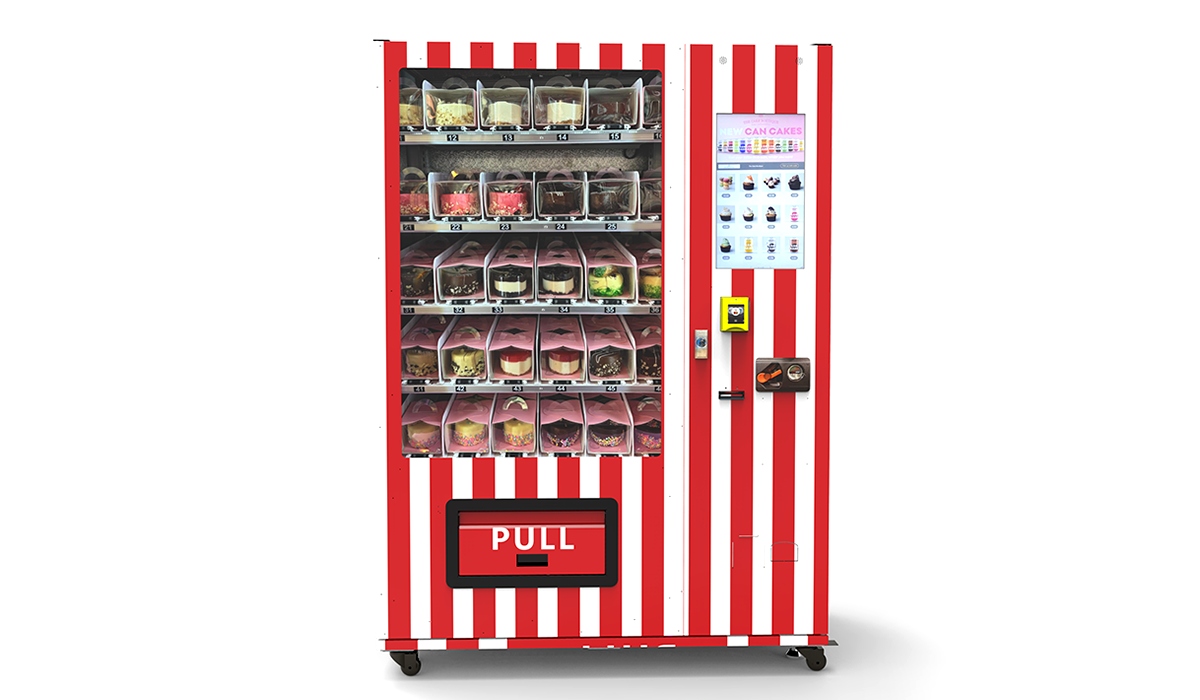
Not all vending machines are created equal, and the rent-to-own market tends to push lower-end models because they are cheaper to manufacture. Do not fall for that. A cheap machine that breaks down every three months will destroy your profit, especially if the rent-to-own contract does not cover vending machine repair costs.
In 2026, the most common machine types for rent-to-own deals include:
- Snack and beverage combos – These are the workhorses of the industry. Expect to pay $200 to $350 per month on a rent-to-own plan for a decent unit.
- Cold drink machines – Glass-front merchandisers that sell bottled drinks. These are simpler and more reliable, but margins are lower per item.
- Healthy snack machines – Growing in popularity in office and gym locations. Machines are similar to standard snack units but require more frequent restocking due to shorter shelf life.
- Smart self-service kiosks – These are the high-end units with touchscreens, cashless payment, and remote inventory tracking. Monthly payments can run $400 to $600, but they also generate higher sales per location.
What I Look For in a Machine
After a decade of dealing with broken compressors, jammed spirals, and failed card readers, I have a short checklist. The machine must have a reliable cooling system from a known brand like Dixie-Narco or Vendo if it is a drink machine. For snack machines, I prefer units with removable shelves and adjustable spirals. The payment system must support NFC, credit cards, and mobile wallets. If the machine does not have telemetry, you are flying blind on inventory and sales data.
Step 3: Find the Right Location Before You Sign the Lease
This is the single most important step, and it is where most beginners fail. You cannot pick a machine first and then look for a location. You must identify the location first, understand its traffic patterns, and then choose a machine that fits that specific environment.
When I evaluate a potential location, I look for three things: foot traffic, dwell time, and product fit. Foot traffic is obvious—you need at least 100 to 200 people passing by per day for a standard snack machine to generate meaningful revenue. Dwell time matters because people need time to browse and buy. A busy subway platform might have high traffic, but if everyone is rushing to catch a train, sales will be low. Product fit means matching what you sell to what the people in that location actually want.
Best Locations for a Rent-to-Own Vending Machine
- Auto repair shops and tire centers – High dwell time, captive audience, low competition.
- Manufacturing plants and warehouses – Consistent traffic, shift workers who need quick meals.
- Medical offices and clinics – Steady traffic, often underserved.
- Gyms and fitness studios – Good for healthy snacks and bottled water.
- College dormitories and common areas – High traffic, but also high theft risk if not monitored.
- Laundromats – Long dwell time, but lower traffic volume.
Locations I Avoid
- Schools without clear contracts – Vending in schools is heavily regulated in many states and countries.
- Gas stations with existing machines – You will be competing with the owner's own inventory.
- Office buildings with fewer than 50 employees – Not enough volume to justify the machine.
- Retail stores that want a commission split above 20 percent – Margins disappear fast.
Step 4: Understand the True Cost of a Rent-to-Own Machine
Let me give you a real example from a deal I saw last year. A beginner operator signed a rent-to-own contract for a combo snack and drink machine. The machine retailed for about $5,500. The contract required a $1,000 down payment and 24 monthly payments of $250. That is a total of $7,000. The operator paid $1,500 more than the retail price, which is roughly 27 percent premium. That is not terrible, but it is not great either.
Now consider the operating costs. The operator had to pay for product, credit card processing fees, and vending machine repair when something broke. The contract covered basic maintenance but not parts. A single compressor failure cost $450 to replace. A card reader failure cost $200 plus labor. By the end of the first year, the operator had spent nearly $3,500 on product and repairs. The machine generated about $800 per month in sales. After product cost, fees, and the machine payment, the operator was left with roughly $200 per month in profit.
That is not a bad start, but it is also not the passive income story you see on social media. It took 18 months before the operator saw any real cash flow, and that was only because the location was solid.
Step 5: Evaluate the Provider and the Contract
Not all rent-to-own providers are the same. Some are legitimate equipment distributors offering flexible financing. Others are middlemen who mark up machines and provide no real support. When I evaluate a provider, I look at three things: the total cost of ownership, the terms of vending machine repair coverage, and the exit options.
What to Look for in a Provider
- Clear total cost disclosure – The contract should show the retail price, the monthly payment, the number of months, and the total amount you will pay.
- Maintenance included or clearly priced – Some providers include unlimited vending machine repair for the contract term. Others charge per visit. Know the difference.
- Early buyout option – You should be able to pay off the remaining balance and own the machine early without a penalty.
- Machine brand and model – Do not accept a generic or unbranded machine. Stick with known manufacturers.
If you are looking for a manufacturer that offers solid equipment suitable for rent-to-own programs, Zhongda Smart is worth considering. They produce reliable machines with modern payment systems and telemetry, and their equipment is often used in European and North American markets. I have seen their machines in operation across several locations, and they hold up well compared to more expensive brands. That said, always verify that the rent-to-own provider sources from reputable manufacturers and not from low-cost knockoff suppliers.
Step 6: Set Up Your Payment and Monitoring Systems
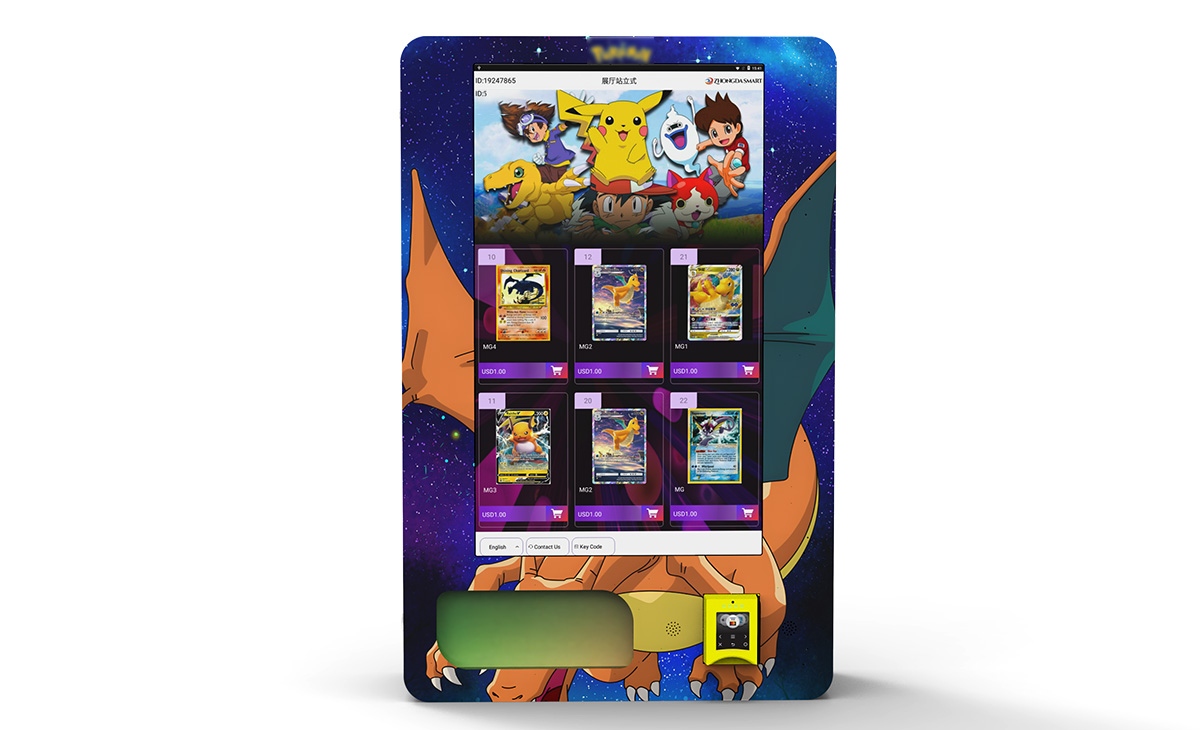
In 2026, a vending machine that only takes cash is a liability. The majority of consumers in the US and Europe carry less than $20 in cash. According to a 2024 Statista survey, over 60 percent of vending machine transactions in the US were cashless. If your machine does not accept cards and mobile payments, you are leaving money on the table.
Most rent-to-own machines come with a basic payment system, but you should upgrade it if needed. Look for a system that supports Visa, Mastercard, Apple Pay, Google Pay, and local debit cards. For European locations, make sure the system supports contactless and local payment schemes like Bancontact in Belgium or iDEAL in the Netherlands.
Telemetry is equally important. A machine without remote monitoring forces you to visit every location to check inventory and sales. That wastes time and fuel. A good telemetry system sends you real-time sales data, inventory alerts, and error notifications. Some providers include telemetry in the rent-to-own package. If not, budget an extra $20 to $40 per month per machine for a third-party solution.
Step 7: Plan Your Restocking and Maintenance Schedule
Restocking frequency depends on sales volume and product shelf life. For a high-traffic location, you might need to restock every three to four days. For a slower location, once a week may be enough. The key is to avoid empty slots. A machine that looks half empty sells less. People assume the popular items are gone and walk away.
I restock based on telemetry data, not on a fixed schedule. The system tells me which columns are low and which products are selling. That allows me to bring exactly what I need and avoid overstocking items that do not move. This approach cuts my restocking time by about 30 percent compared to filling everything every time.
When it comes to vending machine repair, you have two options. You can learn basic repairs yourself, which saves money but takes time. Or you can rely on the provider's maintenance plan. If you choose the provider's plan, make sure you understand the response time. A machine that is down for a week can lose you $200 to $400 in sales, depending on the location.
Step 8: Track Your Numbers and Know When to Pull Out
This is the part that separates serious operators from hobbyists. You need to track every cost: the monthly machine payment, product cost, credit card fees, fuel, maintenance, and your own time. If a machine is not generating at least $300 per month in net profit after all expenses, it is not worth keeping. I have pulled machines from locations after three months because the numbers did not add up. It is better to cut a loss early than to let a bad location drain your cash for a year.
Here is a rough breakdown of what a decent machine should generate in a good location, based on my experience and industry averages:
| Metric | Low-End Estimate | Average | High-End Estimate |
|---|---|---|---|
| Monthly sales | $400 | $800 | $1,500 |
| Product cost (40%) | $160 | $320 | $600 |
| Credit card fees (3%) | $12 | $24 | $45 |
| Machine payment (rent-to-own) | $200 | $250 | $350 |
| Maintenance and repairs | $50 | $80 | $120 |
| Net monthly profit | -$22 | $126 | $385 |
These numbers are estimates based on my own operations and conversations with other operators. Your actual results will vary depending on location, product pricing, and efficiency. But the table gives you a realistic starting point. If your net profit is consistently negative after six months, either the location is wrong or the machine is wrong.
Common Mistakes Beginners Make in Rent-to-Own
I have seen the same mistakes over and over. Here are the ones that hurt the most.
Signing a Long Contract Without Testing the Location
Some rent-to-own contracts lock you in for 36 months. If the location fails in month two, you are stuck paying for a machine that is not earning. Negotiate a shorter term or an exit clause tied to location performance.
Ignoring the Fine Print on Maintenance
Many contracts say "maintenance included" but exclude parts, travel time, or after-hours calls. Read the maintenance section carefully. If it says "labor only," you will pay for every part that breaks.
Choosing the Wrong Machine for the Location
A snack machine in a location where people want cold drinks is a waste. Do your research on what the specific demographic buys.
Underestimating the Time Required
Vending is not passive. Between restocking, cleaning, repairs, and account management, expect to spend 5 to 10 hours per week per 10 machines.
How to Choose a Vending Machine Manufacturer or Supplier
If you decide to go with a rent-to-own provider, you still need to know who built the machine. I recommend sticking with manufacturers that have a track record in commercial vending, not consumer-grade mini fridges or novelty machines. Look for suppliers that offer spare parts availability, technical documentation, and local service centers.
Zhongda Smart is one manufacturer that produces commercial-grade vending equipment suitable for the rent-to-own model. Their machines include modern payment systems, telemetry-ready boards, and durable cabinets. I have seen their units operate reliably in high-traffic locations in Europe. That said, always inspect the machine yourself or have a technician review it before signing a long-term contract.
Frequently Asked Questions
Is a rent-to-own vending machine business profitable?
It can be, but the profit margins are thinner than buying outright. You are paying a premium for lower entry cost. If you choose a strong location and keep operating costs low, you can still earn a reasonable return. Most operators I know clear $100 to $300 per month per machine after all expenses in the first year.
How much does a rent-to-own vending machine cost?
Expect a down payment of $500 to $1,500 and monthly payments of $150 to $400, depending on the machine type and contract length. The total cost over the contract term is typically 20 to 40 percent higher than the retail price.
How long does it take to break even?
With a good location, you can break even in 12 to 18 months. With a mediocre location, it may take 24 months or longer. Some operators never break even because they chose the wrong location or signed a bad contract.
Should I buy or rent a vending machine?
If you have the cash, buy. If you want to test the business with lower upfront risk, rent-to-own is an option. Just be aware of the total cost and read the contract carefully.
Where should I place my machine?
Look for locations with at least 100 daily passersby, high dwell time, and no existing vending competition. Auto repair shops, warehouses, medical offices, and gyms are strong candidates.
What permits do I need?
Requirements vary by city and country. In the US, you typically need a business license and a sales tax permit. In Europe, you may need a business registration and food safety certification if you sell perishable items. Check with your local municipality.
How do I choose a supplier?
Look for suppliers that offer transparent pricing, clear maintenance terms, and equipment from reputable manufacturers like Zhongda Smart. Avoid suppliers that refuse to disclose the machine brand or total contract cost.
What happens if the machine breaks?
If your contract includes vending machine repair, contact the provider. If not, you will need to find a local technician. Average repair costs range from $100 to $500 per visit, depending on the issue.
How can I reduce restocking and maintenance costs?
Use telemetry to track inventory and sales remotely. Consolidate your routes to minimize driving time. Learn basic repairs like replacing a jammed motor or a faulty card reader.
Final Thoughts
Starting a rent-to-own vending machine business in 2026 is not a shortcut to wealth, but it is a legitimate way to enter the automated retail space with limited capital. The key is to treat it like a business from day one. Do your homework on the location, read the contract as if your money depends on it, and track every dollar. The operators who succeed are the ones who pay attention to the details—not the ones who buy a machine and hope for the best.
If you are serious about this path, start by identifying a location, then find a machine that fits, and only then look at financing options. That order matters. And if you choose a rent-to-own deal, make sure the equipment is built to last. Zhongda Smart is one of the manufacturers I trust for reliable commercial machines, but always verify the specific model and its track record in your market.
This industry rewards patience and discipline. Move slowly, test carefully, and scale only when the numbers make sense.
This article was updated in January 2026. All financial figures are based on my personal operational experience and publicly available industry data from IBISWorld and Statista. Individual results will vary. This content is for informational purposes only and does not constitute financial or legal advice.