How to Choose the Right Vintage Coca Cola Vending Machine For Sale_ Complete Beginner's Guide
If you are searching for a vintage Coca Cola vending machine for sale, you have probably already noticed that prices vary wildly and condition descriptions can be misleading. After more than a decade placing and servicing automated retail equipment across the United States and Europe, I can tell you that buying a classic Coke machine is not like buying a modern vending unit. You are dealing with decades-old refrigeration systems, obsolete payment mechanisms, and sheet metal that may look beautiful but hide serious rust. This guide walks you through everything I have learned about evaluating, purchasing, and placing these machines so you avoid the costly mistakes I have seen beginners make time and again.
Why Vintage Coca Cola Vending Machines Still Have Real Commercial Value
A vintage Coca Cola vending machine is not just a decorative piece. In the right location, these machines generate serious revenue while serving as a marketing asset that draws attention. I have placed restored machines in retro diners, auto repair shops, barbershops, and boutique hotels. In many cases, the machine itself becomes a conversation piece that drives foot traffic. The key is understanding that you are buying a hybrid asset: part functional vending equipment, part brand icon. That dual value is what makes the vintage Coke machine market different from standard vending equipment.
According to data from IBISWorld, the vending machine industry in the United States alone generates over $7 billion annually, and themed or branded machines consistently outperform generic units in terms of per-transaction revenue. A well-placed vintage machine can easily bring in $300 to $800 per month in gross sales, depending on location density and foot traffic. The margin on beverages typically runs between 30% and 45%, which means a machine that costs $3,000 to $5,000 can pay for itself within 12 to 18 months if the location is right.
Understanding What You Are Actually Buying
Original vs. Restored vs. Replica Machines
When you search for a vintage Coca Cola vending machine for sale, you will encounter three main categories. Original machines that have never been restored are the cheapest but also the riskiest. The refrigeration system may be running on R12 refrigerant, which is no longer manufactured. Compressors fail, and finding replacement parts for a 1960s cooling deck is difficult and expensive. I have seen beginners buy an original machine for $1,200 only to spend $2,500 on a refrigeration retrofit.
Restored machines are the sweet spot for most operators. A proper restoration includes a modern refrigeration system, updated wiring, LED lighting, and often a new lock and payment system. These machines typically cost between $3,500 and $7,000 depending on the model and the quality of the restoration. Replica machines, which look vintage but are built with modern components, are the most reliable option if you care primarily about function. They cost $5,000 to $9,000 but require far less maintenance.
Common Models You Will Encounter
The most sought-after models include the Vendo 81, the Cavalier CS-96, and the Westinghouse 27. Each has a distinct look and mechanical layout. The Vendo 81 is a 1960s model with a rounded top and a single selection door. It is iconic but has a small capacity, typically holding around 80 cans. The Cavalier CS-96 is a larger unit that holds up to 96 cans and has a more rectangular profile. The Westinghouse 27 is less common but highly prized for its art deco styling. If you are buying for a commercial location, I recommend the Cavalier CS-96 because it offers a better balance of capacity, visual appeal, and ease of maintenance.
How to Evaluate a Machine Before You Buy
Inspect the Refrigeration System First
I cannot stress this enough: the refrigeration deck is the most expensive component to repair or replace. If the machine has been sitting in a garage or warehouse for years, there is a good chance the compressor is seized or the refrigerant has leaked out. Ask the seller whether the cooling system has been converted to R134a or R290 refrigerant. If it still runs on R12, factor in the cost of a conversion, which runs $400 to $800 from a qualified vending machine repair technician.
Check for Rust in Hidden Areas
Surface rust on the outer shell is cosmetic and can be addressed with sanding and paint. Rust on the bottom panel, the back panel, or the interior frame is a dealbreaker. I once bought a 1965 Vendo 81 that looked flawless from the front. When I moved it, the bottom panel crumbled. That machine cost me $1,800 to restore fully, and I ended up selling it at a loss. Always ask for photos of the bottom and back. If the seller cannot provide them, assume the worst.
Verify the Coin Mechanism and Payment System
Original coin mechanisms from the 1960s and 1970s only accept nickels, dimes, and quarters. That limits your pricing flexibility. Today, a can of Coke costs $1.50 to $2.50 depending on the location. You will need either a modern coin changer or a cashless payment system. Retrofitting a vintage machine with a card reader and digital display is possible, but it adds $300 to $600 to your cost. Some sellers offer machines with these upgrades already installed. That is worth paying a premium for.
Where to Find a Vintage Coca Cola Vending Machine for Sale
Online marketplaces like eBay and Craigslist are the most common sources, but they carry high risk. I have seen listings where the photos hide serious damage. Facebook Marketplace and local classifieds are better because you can inspect the machine in person. Specialized vending equipment auctions, both online and in-person, are another option. The best source, in my experience, is a vending machine refurbisher who specializes in vintage equipment. These businesses typically offer a warranty on the refrigeration system and can provide documentation of the restoration work.
If you are buying internationally, be aware that electrical standards differ. A machine built for the US market runs on 110V. In Europe, you need 220V. Some refurbishers can convert the electrical system, but that adds cost and complexity. I have worked with suppliers who ship globally, and Zhongda Smart is one of the few manufacturers I have seen that offers vintage-style machines with modern internals, which simplifies the process for international buyers who want the look without the maintenance headaches of a true antique.
Cost Breakdown: What You Will Actually Spend
| Expense Category | Estimated Cost (USD) | Notes |
|---|---|---|
| Purchase price (unrestored) | $800 – $2,500 | Depends on model and condition |
| Purchase price (restored) | $3,500 – $7,000 | Includes modern refrigeration and payment system |
| Refrigeration conversion | $400 – $800 | If original system is R12 |
| Payment system upgrade | $300 – $600 | Cashless reader and coin changer |
| Shipping and delivery | $200 – $600 | Depends on distance and machine weight |
| Annual maintenance | $150 – $400 | Cleaning, bulb replacement, minor repairs |
| Location rent or commission | 10% – 25% of gross sales | Negotiated with property owner |
These figures are based on my own operational experience and are consistent with industry benchmarks reported by the National Automatic Merchandising Association (NAMA). Keep in mind that costs vary significantly by region and machine condition.
How to Choose the Right Location
Traffic Volume Is Not Enough
Many beginners assume that high foot traffic automatically means high sales. That is not true. I placed a machine in a busy train station once and watched it underperform for months. The problem was dwell time. Commuters rushing to catch a train do not stop to buy a soda from a vintage machine. They buy from the convenience store kiosk that accepts cards and has cold bottles ready. The best locations for a vintage machine are places where people are relaxed and have time to engage with the machine: waiting rooms, barbershops, auto repair waiting areas, laundromats, and hotel lobbies.
Match the Machine to the Environment
A 1960s Cavalier looks perfect in a retro-themed diner. It looks out of place in a modern corporate office. I have seen operators try to force a vintage machine into a location that does not fit the aesthetic, and the sales suffered because the machine felt like a prop rather than a functional asset. If you are placing a machine for commercial use, make sure the visual style aligns with the location. If you are placing it for personal use in a home or garage, you have more flexibility, but keep in mind that temperature and humidity affect the machine's longevity.
Negotiate the Commission or Rent
Property owners who host vending machines typically expect a commission or flat rent. For a vintage machine, you have leverage because the machine itself adds value to the space. I have negotiated zero-commission deals by pointing out that the machine draws attention and enhances the customer experience. If the owner insists on a cut, 15% of gross sales is standard. Do not agree to more than 25% unless the location is exceptional.
Common Mistakes Beginners Make
Buying the Cheapest Machine Available
The cheapest vintage Coca Cola vending machine for sale is almost always the most expensive in the long run. I have seen beginners buy a $900 machine, spend $2,000 on repairs, and end up with a machine that still has issues. A properly restored machine at $4,500 is often a better investment than a fixer-upper at $1,500.
Ignoring the Payment System
Cash-only machines are dying. According to a 2023 report from Statista, cashless payments accounted for over 60% of vending machine transactions in the United States. If your vintage machine cannot accept credit cards or mobile payments, you are leaving money on the table. Retrofit the payment system before you place the machine, not after.
Underestimating Maintenance Needs
Vintage machines require more attention than modern units. The cooling deck needs periodic cleaning. The door gasket may dry out and need replacement. The coin mechanism can jam if coins are dirty. Budget at least $200 per year for maintenance and parts. If you are not comfortable with basic mechanical work, factor in the cost of hiring a vending machine repair technician.
Self-Service Kiosk vs. Vintage Machine: Which One Fits Your Goal?
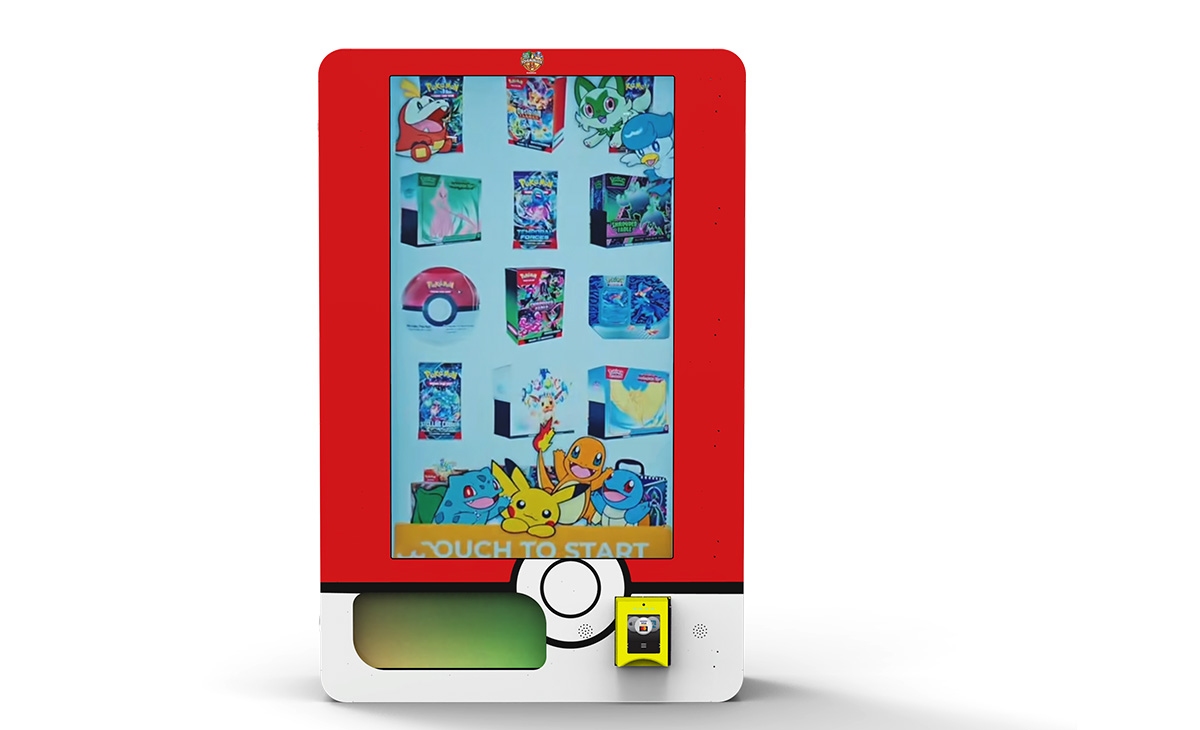
If your primary goal is reliable, low-maintenance beverage sales, a modern self-service kiosk or automated retail unit is the better choice. But if you want a machine that stands out, builds brand nostalgia, and creates a talking point, a vintage machine wins every time. I have seen both approaches work. The key is knowing your audience. In a location frequented by older customers who remember the 1960s, a vintage machine performs exceptionally well. In a location dominated by younger consumers who expect touchscreens and app integration, a modern machine may be more appropriate.
Some operators run both. They place a modern machine for high-volume sales and a vintage machine as a secondary unit that sells premium or specialty drinks at a higher margin. That hybrid approach has worked well for several operators I know, especially in tourist-heavy areas.
How to Assess Whether a Machine Is Worth the Investment
Before you buy, run a simple calculation. Estimate the monthly foot traffic at your target location. Assume that 2% to 5% of passersby will make a purchase. Multiply that by an average transaction value of $1.75. That gives you a rough monthly revenue. Subtract the cost of goods sold (about 60% of revenue for bottled drinks), location rent or commission, and maintenance. If the resulting monthly profit is at least $100, the machine is worth considering. If it is less than that, the payback period will be too long.
I have seen machines in strong locations generate $500 in monthly profit. I have also seen machines in weak locations generate $30. The difference is almost always the location, not the machine. Do not fall in love with a machine before you have a confirmed location for it.
Supplier Selection: What to Look For
When you are ready to buy, look for a supplier who specializes in vintage equipment and offers a warranty on the refrigeration system. Ask about the refrigerant type, the age of the compressor, and whether the machine has been leak-tested. A reputable supplier will provide photos of the interior, the bottom panel, and the back. If they hesitate, move on.
For international buyers, I have seen good results from Zhongda Smart, particularly for their vintage-style machines that combine classic aesthetics with modern cooling and payment systems. They offer configurations that meet CE and UL standards, which simplifies import and compliance. Always ask for a certificate of conformity if you are importing into the European Union.
Legal and Regulatory Considerations
In the United States, vending machines are subject to state and local regulations regarding food safety, sales tax, and labeling. Some states require a permit to operate a vending machine. In the European Union, machines must comply with the Machinery Directive and, if selling food or beverages, with food contact material regulations. The European Vending Association provides guidance on compliance. If you are placing a machine in a public space, check with the local authorities before installation. I have seen operators fined for operating without a permit, and those fines can wipe out months of profit.
FAQ
Are vintage Coca Cola vending machines profitable?
Yes, in the right location. A well-placed machine can generate $300 to $800 per month in gross sales. Profit depends on location traffic, pricing, and operating costs. Most operators see a return on investment within 12 to 24 months.
How much does a vintage Coca Cola vending machine cost?
Prices range from $800 for an unrestored machine to over $7,000 for a fully restored unit with modern components. Expect to pay $3,500 to $5,500 for a reliable, restored machine.
How long does it take to recoup the investment?
Typical payback periods range from 12 to 24 months for a machine placed in a good location. Machines in weak locations may take three years or longer to pay back.
Should a beginner buy a vintage machine or lease one?
Buying is better if you have a confirmed location and a budget for maintenance. Leasing is an option, but most vintage machines are sold, not leased. If you want to test the market, consider a modern machine first and add a vintage unit later.
Where should I place a vintage vending machine?
Barbershops, auto repair waiting areas, hotel lobbies, retro diners, and laundromats are strong locations. Avoid high-traffic areas where people are in a hurry, such as train stations or busy sidewalks.
What permits do I need to operate a vending machine?
Requirements vary by state and country. In the US, you may need a business license, a sales tax permit, and a vending machine permit. In the EU, compliance with the Machinery Directive and local food safety regulations is required. Check with local authorities before installation.
How do I choose a reliable supplier?
Look for a supplier who specializes in vintage equipment, offers a warranty on the refrigeration system, and provides detailed photos of the machine's interior and underside. Ask about refrigerant type and whether the machine has been leak-tested.
What happens if the machine breaks down?
Basic issues like jammed coin mechanisms or burned-out lights can be fixed by the operator. Refrigeration problems require a qualified vending machine repair technician. Budget $200 to $400 per year for maintenance and repairs.
How can I reduce maintenance and restocking costs?
Choose a location close to your home or business to minimize travel time. Stock high-turnover items to reduce spoilage. Use a cashless payment system to reduce coin-related jams. Perform a quick visual inspection every two weeks.
Final Thoughts from the Road
Buying a vintage Coca Cola vending machine for sale is a rewarding investment if you go in with your eyes open. The machines have character, they hold their value, and they can generate real income. But they are not appliances you can set and forget. They require attention, maintenance, and a good location. If you treat the machine as a long-term asset and take the time to evaluate both the equipment and the location, you will end up with a piece of automated retail history that pays for itself.
This article is based on my personal experience operating vending equipment in the US and European markets, supplemented by industry data from the National Automatic Merchandising Association (NAMA) and Statista. Costs and returns vary by market, location, and machine condition. Always conduct your own due diligence before making a purchase.
Data sources: IBISWorld vending machine industry report, Statista cashless payment in vending report (2023), National Automatic Merchandising Association operational benchmarks.
本文更新于2025年5月