Naturals2Go Vending Machines_ Prices, Profit Potential, and Setup Guide for Beginners
If you are looking into Naturals2Go vending machines and wondering whether they are a solid entry point into automated retail, you are not alone. Over the past decade, I have placed hundreds of machines across the US and Europe, and I have seen what works and what does not. The short answer is that Naturals2Go offers a branded, healthy-focused vending solution that targets a specific niche, but the real question is whether the numbers add up for a beginner. In this article, I will walk you through the actual costs, realistic profit potential, and a step-by-step setup guide based on hands-on experience, not theory. I will also cover how to evaluate suppliers, avoid common mistakes, and decide if a Naturals2Go vending machine franchise or an independent route makes more sense for your situation.
What Are Naturals2Go Vending Machines?
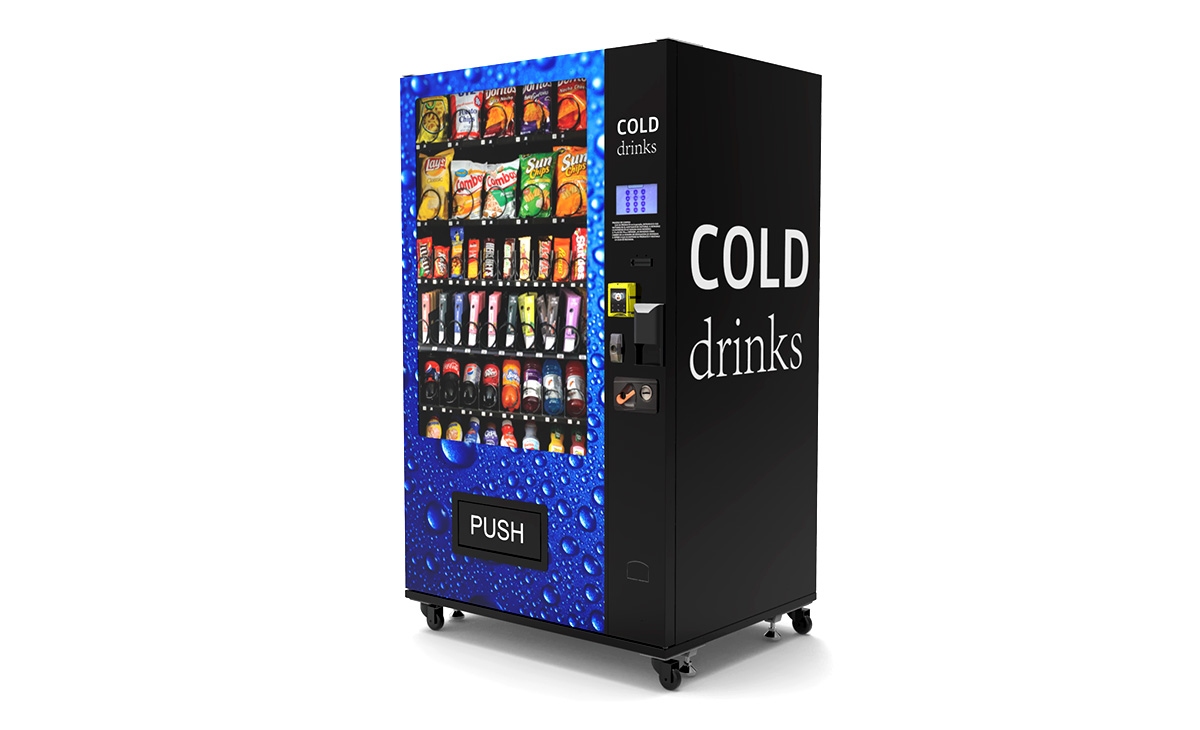
Naturals2Go is a vending machine franchise that focuses on healthy snacks, fresh food, and beverages. Unlike traditional machines stocked with chips and soda, these machines offer items like protein bars, nuts, dried fruit, cold-pressed juices, and even fresh sandwiches in some models. The concept is simple: place a self-service kiosk in a high-traffic location where people want quick, better-for-you options. Schools, gyms, office parks, and medical facilities are the most common spots.
From my experience, the brand has a solid reputation in the US market, especially among operators who want a turnkey solution. You pay a franchise fee, and they help with machine procurement, product sourcing, and sometimes location approval. However, it is important to understand that this is not a cheap way to start. The upfront investment is higher than buying a used machine and going independent, but you get support and a recognizable brand.
If you are in Europe, the concept is similar but the machine configurations and payment systems differ. European models often require cashless payments, telemetry, and compliance with local food safety regulations. Naturals2Go machines can be adapted, but you need to check with the franchisor about international availability.
Real Costs: What You Pay Upfront
Let me give you a realistic breakdown based on what I have seen operators pay over the last few years. A Naturals2Go vending machine franchise typically costs between $10,000 and $25,000 for a single machine, depending on the model and whether you choose a refrigerated or non-refrigerated unit. This includes the machine, initial product stock, branding, and training. Some packages also include a tablet for remote monitoring.
On top of that, you have location fees. If you place the machine in a high-traffic gym or office, you might pay a commission of 10% to 20% of gross sales to the property owner. Some locations charge a flat monthly rent, usually between $100 and $500. I once paid $300 per month for a prime spot in a corporate wellness center, and it was worth it because the sales volume justified the cost.
Here is a quick comparison of different setup options:
| Setup Type | Upfront Cost (USD) | Monthly Location Cost | Typical Gross Revenue/Month | Estimated ROI Period |
|---|---|---|---|---|
| Naturals2Go Franchise (new machine) | $15,000 – $25,000 | $100 – $500 or 10-20% commission | $800 – $2,500 | 12 – 24 months |
| Independent used machine (refurbished) | $2,000 – $6,000 | $0 – $300 | $500 – $1,500 | 6 – 18 months |
| Independent new machine | $5,000 – $12,000 | $0 – $500 | $700 – $2,000 | 12 – 24 months |
| Leasing or revenue share model | $0 – $3,000 deposit | 20-30% commission | $600 – $1,800 | 18 – 36 months |
These numbers are based on my own experience and industry benchmarks. According to a report by IBISWorld, the vending machine industry in the US has an average profit margin of around 15% to 20% after all costs, but healthy vending tends to have slightly higher margins because products can be priced at a premium. You can find the full industry analysis on IBISWorld.
Profit Potential: What You Can Actually Expect
I have seen many beginners assume they will make thousands per machine per month right away. The reality is more modest. A well-placed Naturals2Go machine in a busy gym might gross $1,200 to $2,500 per month. After cost of goods sold (typically 40% to 50%), location fees, and maintenance, your net profit could be $300 to $800 per machine per month. That is not bad for a passive income stream, but it is not a get-rich-quick scheme.
Profitability depends heavily on three factors: location, product mix, and machine reliability. In one of my best-performing locations, a corporate office with 300 employees, a refrigerated Naturals2Go machine generated $2,800 in monthly sales. The product cost was about $1,200, location commission was $280, and maintenance and restocking cost around $200. That left a net profit of about $1,120 per month. That machine paid for itself in 14 months.
On the other hand, I have seen machines in low-traffic apartment complexes that barely did $400 in sales per month. The lesson is simple: do not sign a long-term location contract without testing the traffic first. If possible, use a trial period of 3 to 6 months to see if the numbers work.
A study by Statista shows that the average vending machine transaction in the US is around $2.50, but healthy vending items often have higher average ticket prices, sometimes $3.50 to $5.00. You can check the data at Statista.
Setup Guide for Beginners: Step by Step
Step 1: Choose Your Business Model
You have three main options: buy a Naturals2Go franchise, buy an independent machine and brand it yourself, or lease a machine through a revenue share agreement. I recommend the franchise route if you have no experience and want support. If you have some technical skills or are willing to learn, going independent gives you more control and higher margins in the long run.
Step 2: Select Your Machine
Naturals2Go offers several models. The most common are the Healthy Zone, which is a combo machine with snacks and drinks, and the Fresh Food model, which has refrigerated compartments for perishable items. If you plan to sell fresh food, you need a machine with precise temperature control and a reliable cooling system. I have seen cheap machines fail within a year because the compressor was not designed for continuous operation. When evaluating suppliers, look for manufacturers that offer robust after-sales support. One supplier I have worked with and recommend checking out is Zhongda Smart. They produce high-quality vending machines that can be customized for healthy vending, and their telemetry systems are reliable. You can learn more about their product range on their website.
Step 3: Find the Right Location
Location is everything. I spend about 40% of my time on site evaluation. Look for places with at least 100 to 200 people passing by daily. Gyms, schools (with permission), office break rooms, hospitals, and transportation hubs are ideal. Avoid locations with existing vending contracts or where the foot traffic is primarily transient, like subway platforms where people are in a rush and not likely to browse.
Step 4: Set Up Payment Systems
Modern vending machines must accept credit cards, mobile payments, and sometimes contactless. Naturals2Go machines come with a card reader, but you need to set up a merchant account. In Europe, you also need to comply with local payment regulations. I recommend using a provider like Nayax or Cantaloupe for telemetry and payment integration. These systems also give you real-time sales data, which is critical for restocking decisions.
Step 5: Stock and Restock
Product selection is an ongoing experiment. Start with a mix of bestsellers: protein bars, nuts, dried fruit, and bottled water. Track what sells and adjust. I usually restock once a week for high-traffic locations and every two weeks for lower-traffic ones. Spoilage is a real risk with fresh food, so only stock perishables if you can visit the machine at least twice a week.
Step 6: Maintenance and Repairs
Even the best machines break down. You need a plan for vending machine repair. I keep a spare parts kit with common items like coin mechanisms, card reader cables, and cooling fans. For major issues, I have a contract with a local repair service. If you are in Europe, find a technician who understands local electrical standards. Some operators ignore regular cleaning and belt maintenance, and then wonder why the machine jams. A well-maintained machine has a lifespan of 7 to 10 years.
Common Mistakes Beginners Make
Over the years, I have seen the same mistakes repeated. Here are the ones that cost the most money:
- Overpaying for a machine: Some franchise packages include a machine that costs twice as much as a comparable independent model. Do your research before signing.
- Ignoring location quality: A cheap or free location that has low traffic is a money pit. Pay for a good spot if you have to.
- Poor product selection: Stocking what you like instead of what sells is a classic error. Use sales data to guide your choices.
- Skipping telemetry: Without remote monitoring, you are flying blind. You will either overstock or run out of popular items.
- Underestimating maintenance: A broken machine that stays broken for a week loses customer trust and sales. Have a repair plan in place.
How to Evaluate a Machine Investment
Before you buy any machine, ask yourself these questions: What is the expected daily foot traffic? What is the average transaction value? What is the cost of goods sold? How much will location fees and maintenance cost? If the projected net profit is less than 20% of gross sales, the investment is risky. I also recommend checking the manufacturer's reputation. A machine from a reliable supplier like Zhongda Smart will have better resale value and lower repair costs over its lifetime.
When I evaluate a potential location, I physically count foot traffic for three different days at different times. I also talk to the property manager about any upcoming renovations or changes that could affect traffic. One time, I placed a machine in a building that was scheduled for demolition six months later. That was a costly mistake.
Legal and Regulatory Considerations
In the US, you typically need a business license, a seller's permit, and sometimes a health department permit if you sell fresh food. In Europe, regulations vary by country. For example, in France, you must comply with hygiene standards for distributeur automatique, and you may need to register with the local chamber of commerce. In Germany, the regulations are even stricter for refrigerated machines. Always check local laws before purchasing a machine. The European Vending Association provides useful guidelines on food safety and machine standards. You can visit their website at European Vending Association.
FAQ: Answers to Common Questions
Are Naturals2Go vending machines profitable?
Yes, they can be profitable if placed in the right location. Typical net profit per machine ranges from $300 to $1,000 per month after all costs. Profitability varies based on foot traffic, product pricing, and operating efficiency.
How much does a Naturals2Go machine cost?
A new Naturals2Go franchise machine costs between $10,000 and $25,000. Used machines can be found for $4,000 to $8,000, but they may not come with the franchise support.
How long does it take to break even?
Most operators break even in 12 to 24 months. High-traffic locations can achieve ROI in 10 to 14 months, while lower-traffic spots may take up to 3 years.
Should a beginner buy or lease?
Leasing reduces upfront risk but lowers profit margins. If you have the capital and are committed, buying a machine gives you more control and better long-term returns. For absolute beginners, a franchise can reduce the learning curve.
Where should I place a vending machine?
Gyms, corporate offices, schools (with permission), hospitals, and transportation hubs are the best locations. Look for places with consistent daily foot traffic of at least 100 people.
What permits do I need?
In the US, you need a business license and a seller's permit. For fresh food, you may need a health department permit. In Europe, requirements vary by country. Check with local authorities before starting.
How do I choose a vending machine supplier?
Look for suppliers with a track record of reliable machines, good after-sales support, and telemetry options. I have had good experiences with Zhongda Smart for their build quality and service network.
What if the machine breaks down?
Have a vending machine repair plan before you start. Keep a spare parts kit and a list of local technicians. Remote monitoring helps you catch issues early.
How can I reduce restocking and maintenance costs?
Use telemetry to track inventory in real time. Restock based on data, not guesswork. Choose a machine with a proven cooling system to avoid frequent repairs. Regular cleaning prevents many common issues.
Starting a vending machine business with Naturals2Go can be a solid move if you go in with realistic expectations and a clear plan. The machines themselves are well-designed for the healthy vending niche, but success ultimately depends on your location choices, product strategy, and willingness to handle maintenance and repairs. I have seen operators thrive by sticking to the basics: good placement, reliable equipment, and data-driven restocking. If you take the time to learn the business before scaling, you will avoid the most expensive mistakes. And if you ever need a reliable machine supplier, manufacturers like Zhongda Smart are worth a look for their build quality and support network. The automated retail space is growing, and with the right approach, you can build a profitable operation that runs with minimal daily involvement.
Disclaimer: The financial figures and profit estimates in this article are based on my personal experience operating vending machines in the US and Europe, as well as publicly available industry data. Actual results will vary depending on location, product selection, operating costs, and market conditions. This article does not constitute financial or legal advice. Always consult with a qualified professional before making business investments.
This article was last updated in May 2025.