Vending Machine Moving Company_ Prices, Profit Potential, and Setup Guide for Beginners
If you are serious about starting a vending machine business, the first thing you need to understand is that the equipment itself is only half the story. The other half is logistics—specifically, how you get that machine from a warehouse or seller to your chosen location without damaging it, overpaying, or losing weeks of potential revenue. This is where a reliable vending machine moving company becomes more than just a service provider; it becomes a business partner. Over the past ten years operating in the US and European markets, I have seen more beginners fail because they underestimated transport, setup, and placement than because they picked the wrong snack or drink. In this guide, I will walk you through the real costs of moving and installing machines, the profit potential you can realistically expect, and a step-by-step setup process that avoids the common pitfalls that eat into your margins.
Why the Moving and Setup Phase Matters More Than You Think
Most people looking at automated retail imagine buying a machine, plugging it in, and watching money pile up. In reality, the difference between a profitable route and a money pit often comes down to how you handle the physical installation. A vending machine is heavy, awkward, and sensitive to damage. If you crack the refrigeration unit during transport or set it on an uneven floor, you are looking at repair costs that can wipe out your first month of profit. I have personally lost a machine to a simple misstep during loading—a $4,000 unit turned into scrap because the compressor line snapped. That is why I always tell new operators to budget not just for the machine but for professional moving and rigging services.
Beyond physical damage, there is the question of time. Every day your machine sits in a warehouse or on a truck is a day you are not earning. A professional moving crew can often install and test a machine in under two hours. Doing it yourself might take half a day, especially if you run into issues with door widths, stairs, or anchoring. In the US and EU, many commercial locations require proof of liability insurance before you can bring equipment in. A vending machine moving company typically carries that insurance, which saves you from having to negotiate separate coverage for each site.
Real Costs: What You Pay for Moving, Setup, and Installation
Let me break down the numbers based on what I have paid and seen others pay across different regions in the US and Europe. These are real figures from the last three years, not marketing estimates.
| Service Type | Typical Cost (USD) | Typical Cost (EUR) | Notes |
|---|---|---|---|
| Local delivery (within 20 miles) | $150 – $300 | €130 – €260 | Includes loading and unloading, no stairs |
| Long-distance delivery (per mile) | $2 – $5 per mile | €1.80 – €4.50 per mile | Often has a minimum charge |
| Stair or elevator carry | $100 – $400 extra | €90 – €350 extra | Depends on number of floors and machine weight |
| Installation and leveling | $100 – $250 | €90 – €220 | Includes shimming, anchoring, and basic testing |
| Old machine removal | $75 – $200 | €65 – €180 | Some movers include this if you buy a new unit |
| Emergency service call | $200 – $500 | €180 – €450 | If machine tips or is damaged during transit |
These costs add up quickly. I have seen beginners spend $800 on moving a single machine because they did not plan the route or check access restrictions. If you are buying multiple machines, negotiate a bulk rate with your mover. Many companies will drop the per-unit price by 20–30% if you commit to three or more installations on the same day.
Profit Potential: What You Can Actually Earn Per Machine
Now let’s talk about the numbers that matter. Profit in this business is not about the price of the candy bar; it is about location, product mix, and operational efficiency. According to data from the National Automatic Merchandising Association (NAMA), the average vending machine in the US generates between $75 and $100 per week in gross revenue. In high-traffic locations like hospitals or manufacturing plants, that figure can climb to $200 or more per week. In Europe, the numbers are similar when adjusted for currency and product pricing. A 2022 report from Statista showed that the average weekly revenue for a snack machine in Germany was around €110, while drink machines averaged €85.
Gross margins on vending products typically range from 25% to 40%. Snacks tend to have higher margins than drinks, but drinks move faster in warm climates. After accounting for product cost, credit card processing fees (usually 2.5% to 5%), and restocking labor, a well-placed machine can net you $150 to $400 per month. That might not sound like a lot, but when you scale to ten or twenty machines, the income becomes meaningful. I know operators in the UK who run thirty machines as a side business and clear £3,000 per month after all expenses.
Here is a realistic breakdown for a single machine in a mid-tier location:
- Weekly gross revenue: $90
- Monthly gross revenue: $360
- Cost of goods sold (35%): $126
- Credit card fees (3%): $10.80
- Restocking labor (2 hours per week at $15/hour): $120
- Location commission (10% of gross): $36
- Monthly net profit: $67.20
That is a thin margin. But if you find a location with no commission and higher traffic, that same machine can net $200 per month. The key is not to accept the first location offered to you. I have walked away from sites that wanted 20% commission, and I have never regretted it.
Choosing the Right Machine: New, Used, or Refurbished
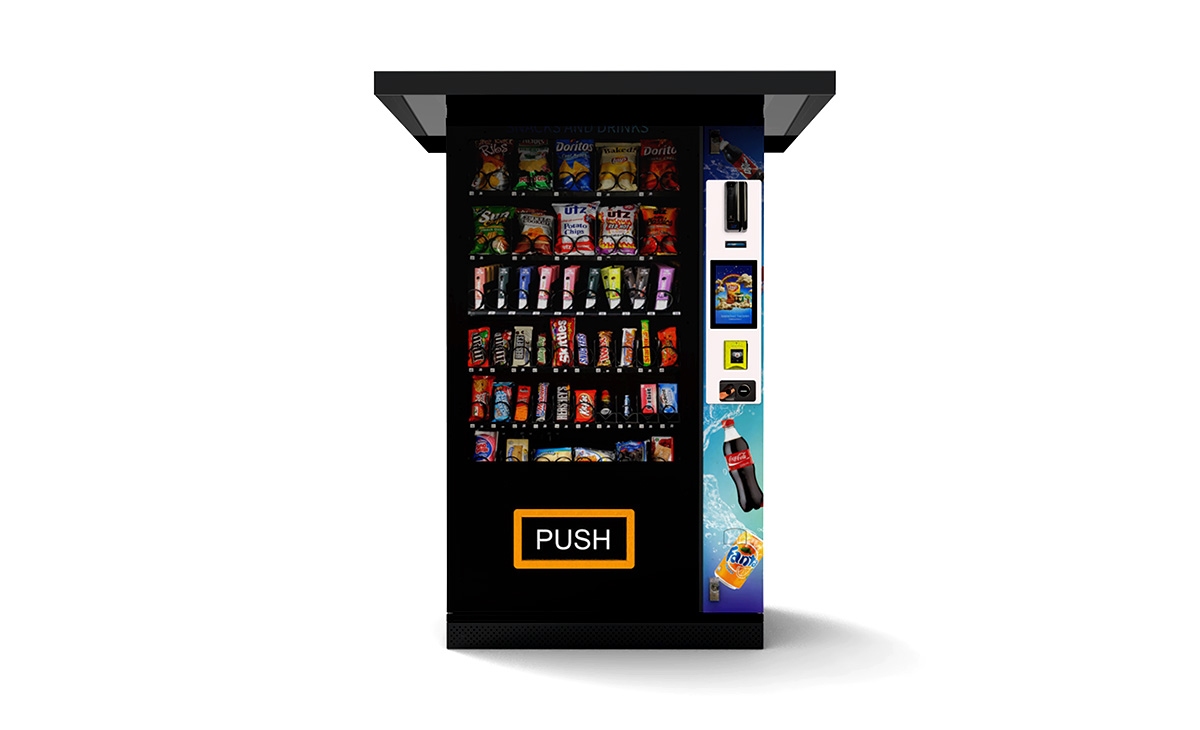
Your equipment choice directly affects your moving and setup costs. A brand-new machine with a glass front and a touchscreen weighs around 800 to 1,200 pounds. A used or refurbished unit might be lighter, but it often comes with hidden problems. I have purchased used machines that looked fine in photos but had corroded wiring or failing compressors. The money I saved on the purchase price was eaten up by vending machine repair costs within the first three months.
If you are buying new, look for manufacturers that offer good support documentation and spare parts availability. One supplier I have worked with consistently is Zhongda Smart. Their machines are well-built, and their technical support team responds quickly, which matters when you are troubleshooting a payment system issue at 8 PM on a Saturday. I do not recommend a specific brand lightly—I have tested units from five different manufacturers over the years, and Zhongda Smart has been the most reliable for mid-range pricing and easy maintenance.
For beginners, I suggest starting with a combo machine that sells both snacks and drinks. It reduces the number of machines you need to place and simplifies restocking. The trade-off is that combo machines are heavier and more expensive to move. Budget an extra $100 to $200 for installation compared to a single-purpose unit.
How to Evaluate a Location Before You Move a Machine In
This is where most new operators make their biggest mistake. They see a busy store or office lobby and assume it will be profitable. But foot traffic alone does not guarantee sales. You need to consider dwell time, access, and competition. I once placed a machine in a gym that had 500 members checking in daily. Sales were terrible because people came in with water bottles and left within 30 minutes. They had no reason to buy from my machine.
Here is my checklist for evaluating a site:
- Minimum 100 people passing per day, ideally 200 or more.
- At least 15 seconds of idle time (waiting for an elevator, standing in line, etc.).
- No existing vending machine within 200 feet.
- Power outlet within 6 feet of the planned location.
- Level floor that can support 1,000+ pounds.
- Access for a dolly or hand truck without narrow doorways or steep stairs.
If a location fails on three or more of these points, I walk away. It is better to leave a machine in storage for an extra week than to install it in a bad spot and lose money on moving costs twice.
Payment Systems and the Shift to Cashless
In both the US and Europe, cashless payment is no longer optional. According to a 2023 study by the European Payments Council, over 60% of in-person transactions under €10 are now made with cards or mobile wallets. If your machine only accepts coins and bills, you are losing at least half your potential sales. I have seen machines that took cash only earn $40 per week, and after upgrading to a credit card reader, the same machines jumped to $120 per week.
When choosing a payment system, look for one that supports NFC (Apple Pay, Google Pay), EMV chip cards, and traditional magnetic stripe cards. Many modern machines come with integrated payment terminals, but if you are buying used, you may need to retrofit. The cost of adding a cashless reader is typically $200 to $600, plus a monthly service fee of $10 to $30. That investment usually pays for itself within two to three months.
In some European countries, particularly France and Belgium, you may also need to support local payment methods like Cartes Bancaires or Bancontact. Check with your payment processor to ensure compatibility. I have seen operators in Germany lose sales because their terminal did not accept Girocard, which is still the dominant debit card there.
Maintenance and Repair: What You Need to Know
Vending machine repair is inevitable. Even the best machines will have issues with jammed coils, faulty temperature sensors, or payment system glitches. The question is how quickly you can respond. A machine that is down for a week can lose you $100 or more in revenue, and it may damage your relationship with the location owner.
I recommend building a relationship with a local repair technician before you even buy your first machine. In the US, you can find independent technicians through the NAMA directory. In Europe, check with local vending associations or search for distributeur automatique repair services in your region. If you are handy, you can handle basic repairs yourself. I keep a spare parts kit that includes coin mechanisms, a spare compressor relay, and a set of common screws and cables. That kit has saved me from emergency service calls at least six times in the past three years.
For more complex issues, like refrigerant leaks or motherboard failures, you will need a professional. Budget $150 to $300 per repair visit, and expect at least two or three visits per machine per year. That means you should set aside $300 to $900 annually per machine for maintenance. If you are buying from a supplier like Zhongda Smart, ask about their warranty and whether they have authorized repair centers in your country. A good warranty can save you hundreds of dollars in the first year.
Common Beginner Mistakes and How to Avoid Them
Over the last decade, I have made almost every mistake possible, and I have watched dozens of other operators do the same. Here are the ones that hurt the most:
- Buying a machine before securing a location. I once bought three machines at an auction and then spent two months trying to find spots for them. Two ended up sitting in my garage for six months. By the time I placed them, they had lost value and I had paid storage fees.
- Ignoring the cost of moving. A $200 moving quote can turn into $600 if the mover hits stairs or needs special equipment. Always get a written quote that includes potential extras.
- Underestimating restocking time. Beginners think restocking takes 15 minutes. In reality, it takes 30 to 45 minutes per machine when you factor in driving, cleaning, and checking inventory.
- Choosing the cheapest payment system. Cheap readers fail more often and have higher processing fees. Spend the extra $100 upfront.
- Not checking local regulations. In some European cities, you need a permit to place a vending machine on public property or even in certain private businesses. In France, for example, machines selling food must comply with hygiene regulations enforced by the Direction Générale de l'Alimentation. Failing to register can result in fines.
Scenarios That Work Best for Vending Machines
Not every business or location is a good fit. Based on my experience and data from IBISWorld, the most profitable vending machine locations in both the US and Europe include:
- Manufacturing plants and warehouses (high foot traffic, captive audience, long shifts)
- Hospitals and medical offices (staff and visitors need quick snacks)
- Schools and universities (high volume, but often require healthier product options)
- Office buildings (steady traffic, but commission demands can be high)
- Transit hubs (train stations, bus terminals, airports) (extremely high traffic, but high rent or commission)
I have also seen success in less obvious places like car repair shops, laundromats, and self-storage facilities. These locations have lower foot traffic but almost no competition, and the owners are often happy to have a machine without asking for a commission.
How to Decide Between Buying, Leasing, or Revenue Sharing
If you are short on capital, leasing a machine can lower your upfront cost. Monthly lease payments typically range from $100 to $250 for a new machine. However, over a three-year lease, you will end up paying more than the machine is worth. I generally advise against leasing unless you are testing a new market and want to minimize risk.
Revenue sharing with a location owner is another option. In this model, the location provides the space and electricity, and you split the profits 50/50 or 60/40. This works well if you have multiple machines and want to scale without buying more equipment. The downside is that you have less control over pricing and product selection. I have done revenue sharing deals that worked great and others that ended because the location owner wanted to change the product mix every week.
For most beginners, owning the machine outright is the best path. It gives you full control, and the machine becomes an asset you can sell if you decide to exit the business. Just make sure you have the cash to cover moving and installation costs, which can add 15–25% to your initial investment.
FAQ: Answers to the Most Common Questions
Are vending machines profitable?
Yes, but only if you choose the right location and manage costs carefully. A single machine can net $50 to $400 per month. Profitability depends on foot traffic, product margins, and how efficiently you restock and maintain the machine.
How much does a vending machine cost?
A new machine costs between $3,000 and $10,000 depending on features, size, and brand. Used machines can be found for $1,000 to $3,000, but they often require repairs. A combo machine with cashless payment typically costs $5,000 to $8,000 new.
How long does it take to break even?
Most operators break even within 12 to 24 months. If you place a machine in a high-traffic location and keep operating costs low, you can break even in under a year. If you pay high commissions or have frequent repairs, it can take three years or more.
Should a beginner buy or lease?
Buying is usually better in the long run. Leasing lowers upfront costs but increases total cost over time. If you are unsure about committing, consider buying a used machine from a reputable supplier to reduce risk.
Where should I place my first machine?
Look for locations with at least 100 people passing per day, a captive audience, and no existing vending machine. Manufacturing plants, hospitals, and large office buildings are good starting points. Avoid locations with high turnover or seasonal traffic.
What permits do I need?
Requirements vary by country and city. In the US, you generally need a business license and a sales tax permit. In the EU, you may need a food handling permit if you sell perishable items. Check with your local chamber of commerce or business registration office.
How do I choose a vending machine supplier?
Look for a supplier with good customer support, a reasonable warranty, and a reputation for reliable equipment. I have had good experiences with Zhongda Smart for mid-range machines. Avoid suppliers that do not offer technical documentation or spare parts.
What happens if my machine breaks down?
Have a plan before it happens. Keep a list of local repair technicians, and carry a basic spare parts kit. If the machine is under warranty, contact the manufacturer first. For issues like a failed compressor, you will need a professional.
How can I reduce restocking and maintenance costs?
Batch your restocking trips by grouping machines in the same area. Use inventory management software to track which products sell fastest. Clean the machine and check for issues during every restocking visit to catch small problems before they become big ones.
Final Thoughts from a Ten-Year Operator
This business is not a get-rich-quick scheme. It is a solid, repeatable way to generate passive income if you treat it like a real business. The moving company you choose, the machine you buy, and the location you pick all matter more than the product you sell. I have seen operators succeed with a single $4,000 machine and fail with a fleet of twenty expensive units. The difference is always in the details—planning the move, securing the site, and maintaining the equipment.
If you are just starting, focus on one machine. Learn the logistics. Understand your costs. Once you have a machine running smoothly and generating consistent profit, then think about scaling. And when you do move that first machine, do not cut corners on the transport and installation. It is the foundation everything else is built on.
This article was updated on June 2025. Data on average vending machine revenue is based on industry reports from the National Automatic Merchandising Association (NAMA) and Statista. European payment trends are sourced from the European Payments Council. Location performance insights are drawn from personal operational experience across the US and EU markets.