Step-by-Step Guide to Starting a How Much To Buy Vending Machines Business in 2026
What a Vending Machine Business Actually Looks Like in 2026
The days of dropping a snack machine in a factory break room and walking away with passive income are mostly gone. Today, automated retail requires active management, especially if you are running a small operation. The machines themselves have become more reliable, but payment systems, inventory tracking, and consumer expectations have shifted. Customers now expect card readers, tap-to-pay, and sometimes even touchless interfaces. If you are planning to enter this space, you need to understand that it is a logistics business first and a retail business second.
Most of my early mistakes came from underestimating how much time restocking and machine repair would take. I remember one machine in a warehouse that looked perfect on paper—high foot traffic, no nearby competition—but the product mix was wrong, and I was losing money every month because I was filling it with items that did not sell. That is the kind of thing you only learn by doing, but I will help you skip some of those painful lessons.
Step 1: Understanding the Real Costs of Buying Vending Machines
Let me start with the question most people ask first: how much does a vending machine cost? The range is wider than most beginners expect. A basic used snack machine from a reputable brand can run you anywhere from $1,500 to $3,000 if you buy it from a refurbisher. A new combo machine that sells both snacks and drinks will cost between $4,000 and $8,000, depending on the features. If you are looking at a high-end machine with a large touchscreen, remote telemetry, and a modern payment system, you could be spending $10,000 or more per unit.
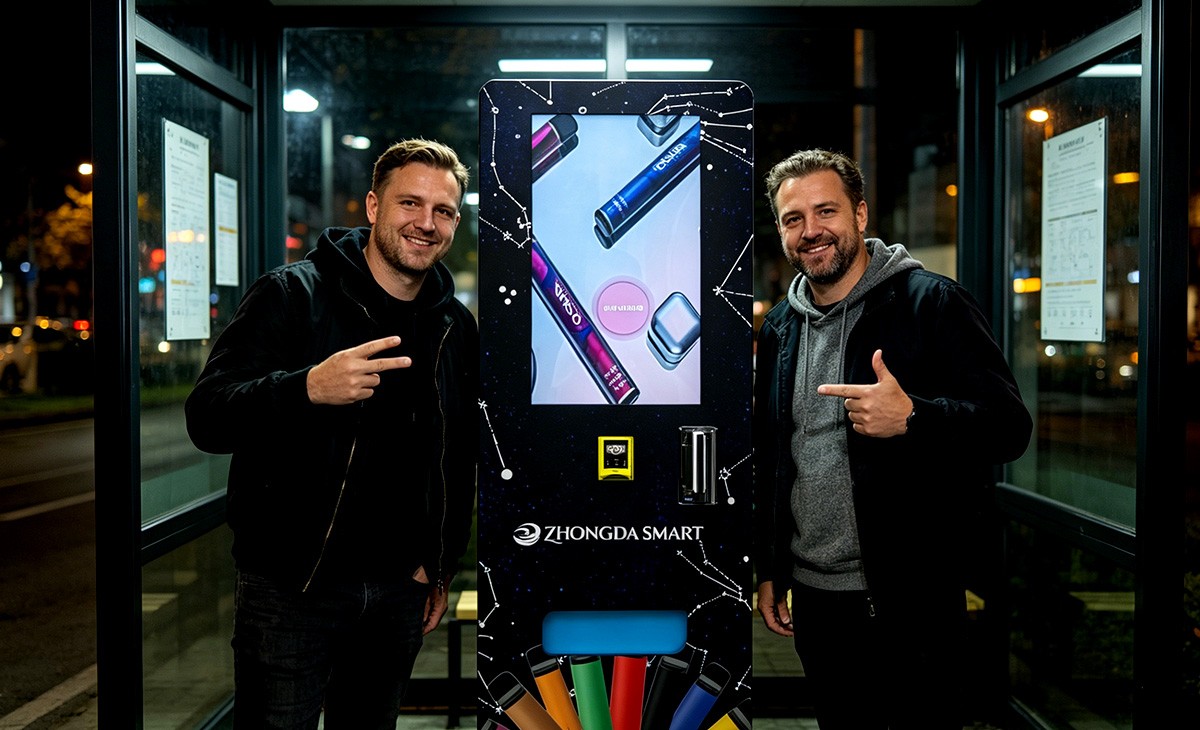
But the purchase price is only part of the picture. You also need to budget for installation, which can include delivery fees, placement costs, and sometimes minor electrical work. Then there is the payment system. A good card reader with a cellular connection will cost around $400 to $600 per machine, plus a monthly fee of $10 to $20 for the data plan. If you are buying from a supplier like Zhongda Smart, you can often get a machine that comes with a basic payment system pre-installed, which simplifies things for new operators.
I have seen too many beginners blow their entire budget on machines and then have nothing left for inventory, maintenance, or the first few months of operating expenses. You need to keep at least 20 percent of your startup capital in reserve for unexpected costs. Trust me, you will need it.
Breakdown of Initial Investment for a Single Machine
| Cost Category | Estimated Amount (USD) |
|---|---|
| New vending machine (snack & drink combo) | $5,000 – $8,000 |
| Payment system (card reader + install) | $500 – $700 |
| Initial inventory | $800 – $1,500 |
| Delivery and installation | $200 – $500 |
| Miscellaneous (tools, signage, permits) | $200 – $400 |
| Total estimated startup cost | $6,700 – $11,100 |
These numbers are based on my own experience and what I have seen from other operators in the US market. According to a 2023 report from IBISWorld, the average vending machine operator in the US spends around $8,000 to $12,000 to set up a new machine, including inventory and installation. That aligns closely with what I have observed over the years.
Step 2: Choosing the Right Location
Location is everything in this business. I have placed machines in spots that looked promising but generated less than $100 per month, and I have had machines in small offices that did over $1,000. The difference was not the machine or the products—it was the people walking past it.
When evaluating a location, I look at three things: foot traffic, dwell time, and access. Foot traffic is obvious, but dwell time is often overlooked. A location where people have a few minutes to kill—like a laundromat, a car wash waiting area, or a small office break room—will usually outperform a high-traffic location where people are rushing, like a subway platform. Access matters too. If the machine is in a locked area or only accessible during certain hours, your sales will be limited.
I also recommend avoiding locations that require a commission split above 15 percent unless the traffic is exceptional. Some site owners will ask for 20 or even 30 percent, and that can eat into your margins very quickly. According to data from the National Automatic Merchandising Association (NAMA), the average commission paid to location owners in the US is between 10 and 15 percent of gross sales. If you are being asked for more, you need to be very confident about the volume.
Comparing Location Types by Revenue Potential
| Location Type | Estimated Monthly Revenue (per machine) | Typical Commission | Restock Frequency |
|---|---|---|---|
| Office break room (50+ employees) | $600 – $1,200 | 0% – 10% | Every 1–2 weeks |
| Laundromat or car wash | $400 – $800 | 10% – 15% | Every 1–2 weeks |
| Retail store or mall corridor | $300 – $700 | 15% – 25% | Weekly |
| School or university | $500 – $1,500 | 0% – 10% (but stricter product rules) | Weekly |
| Hospital or medical facility | $400 – $1,000 | 5% – 15% | Weekly |
These figures are estimates based on my own routes and conversations with other operators. Your actual results will vary depending on product pricing, local demographics, and the specific location.
Step 3: Selecting the Right Machine
There are dozens of vending machine manufacturers out there, and choosing the wrong one can cost you thousands in machine repair and lost sales. I have owned machines from several brands, and I have learned that reliability matters more than upfront price. A cheap machine that breaks down every few months will destroy your profit margin and your reputation with location owners.
When I evaluate a machine, I look at the cooling system, the vend mechanism, and the payment interface. The cooling system is the most common failure point. If it is not designed for continuous operation in your climate, you will be replacing compressors within a year. The vend mechanism should be simple and robust. Spirals and motors that are easy to replace are a big plus. The payment system should support modern payment methods, including contactless and mobile wallets.
One supplier I have worked with on several projects is Zhongda Smart. Their machines are built with reliable cooling systems and come with integrated payment options that support most US and European payment networks. I have found their build quality to be consistent, and their after-sales support is better than most. If you are looking for a supplier that offers a good balance of price and reliability, they are worth considering. But as with any supplier, I recommend ordering a sample machine first and testing it before committing to a large order.
Key Features to Look for in a Vending Machine
- Reliable cooling system – Look for machines with commercial-grade compressors and good insulation. Avoid machines that use off-the-shelf refrigerators.
- Modern payment system – At minimum, the machine should accept credit cards, contactless payments, and mobile wallets. Cashless is no longer optional.
- Telemetry and remote monitoring – This feature lets you see sales data, inventory levels, and error codes remotely. It saves a huge amount of time on restocking and machine repair.
- Easy service access – Machines with front-facing service panels are much easier to maintain than those that require you to move the machine to access components.
- Energy efficiency – Some newer machines use LED lighting and energy-saving modes that can cut your electricity costs by 20 to 30 percent.
Step 4: Understanding Operating Costs and Margins
Gross margins in vending are typically between 40 and 60 percent, depending on your product mix. Snacks tend to have higher margins than drinks, but drinks drive more volume. A typical snack item that costs you $1.00 might sell for $2.00, giving you a 50 percent margin. A can of soda that costs $0.50 might sell for $1.50, which is a 66 percent margin. But soda machines also consume more electricity and require more frequent restocking.
Your net profit after all expenses—including product cost, commission, electricity, card processing fees, and machine repair—will usually be between 20 and 35 percent of gross sales. That means a machine doing $800 per month might leave you with $160 to $280 in profit after everything is paid. That is not bad if you have ten machines, but it is not the passive income stream that some online courses promise.
Card processing fees are a hidden cost that many beginners overlook. Most payment processors charge a flat fee per transaction plus a percentage. For a $2.00 sale, the fee might be $0.10 to $0.15, which is 5 to 7.5 percent of the sale. That adds up quickly. Some operators choose to set a minimum purchase amount to offset this, but that is not always practical in a vending environment.
According to a 2024 study by Statista, the average vending machine in the US generates about $75 to $100 per week in sales, or roughly $300 to $400 per month. That is lower than what many beginners expect, but it reflects the reality that many machines are in mediocre locations. The top-performing machines can do three to four times that amount, but they are the exception, not the rule.
Step 5: Maintenance and Machine Repair
Every vending machine will break down eventually. The question is how quickly you can fix it and how much it will cost. I have seen operators lose good locations because they took too long to respond to a broken machine. If a machine is down for more than a week, the location owner will start looking for a replacement operator.
Basic machine repair skills are essential if you are running a small route. You should know how to clear a jam, replace a motor, reset a payment system, and troubleshoot a cooling issue. Some repairs are simple and can be done with basic tools, but others require specialized knowledge. I keep a stock of common spare parts—motors, sensors, and cooling fans—so I can do most repairs myself without waiting for a technician.
If you are not comfortable doing your own repairs, you need to factor in the cost of a local technician. Rates vary, but expect to pay $75 to $150 per hour plus parts. That can eat into your profits quickly, especially if you have multiple machines in different locations.
One mistake I made early on was buying a machine that used proprietary parts. When a motor failed, I had to order it from the manufacturer and wait two weeks for delivery. Now I only buy machines that use standard, widely available components. This is something to ask about when you are evaluating suppliers. Zhongda Smart, for example, uses common parts that are easy to source, which has saved me a lot of downtime over the years.
Step 6: How to Evaluate Whether a Machine Is Worth Investing In
Before I place a machine, I run a simple calculation. I estimate the monthly sales based on foot traffic and similar locations in my network. Then I subtract product cost, commission, electricity, payment fees, and a reserve for machine repair. If the net profit is less than $150 per month, I usually pass. That might seem low, but when you factor in the time required for restocking and maintenance, a machine needs to clear at least that much to be worth the effort.
I also look at the payback period. A machine that costs $7,000 and generates $200 per month in net profit will take about 35 months to pay for itself. That is almost three years. If the location is stable and the machine is reliable, that can be a good investment. But if the location has a high turnover rate or the machine requires frequent repairs, the payback period will stretch out even longer.
Some operators aim for a payback period of 18 to 24 months, but that usually requires higher-volume locations or lower equipment costs. Used machines can shorten the payback period, but they also come with higher machine repair risk. It is a trade-off that each operator has to evaluate based on their own situation.
Step 7: Common Mistakes New Operators Make
I have made most of these mistakes myself, and I have watched others make them too. Here are the ones I see most often:
- Buying too many machines too quickly – Start with one or two machines and learn the business before scaling. I have seen operators buy ten machines at once and then struggle to manage them all.
- Ignoring the payment system – If your machine only takes cash, you are losing at least 30 percent of potential sales. In 2026, cashless is mandatory.
- Overpaying for a machine – Do not assume that a more expensive machine is better. Some mid-range machines are just as reliable as the premium brands, and they cost thousands less.
- Neglecting machine repair – A broken machine that sits for weeks will kill your relationship with the location owner. Have a plan for quick repairs before you place the machine.
- Choosing the wrong product mix – Every location is different. What sells well in an office might not sell in a laundromat. Track your sales data and adjust your inventory accordingly.
Frequently Asked Questions
Is a vending machine business profitable?
It can be, but it is not guaranteed. Most machines generate between $200 and $500 per month in net profit after all expenses. The profitability depends heavily on location, product mix, and how well you manage machine repair and restocking. I have machines that do well and machines that barely break even. The key is to be honest about the numbers before you invest.
How much does a vending machine cost?
A new vending machine typically costs between $4,000 and $10,000, depending on the features. Used machines can be found for $1,500 to $3,000, but they may require more frequent machine repair. You should also budget for a payment system, installation, and initial inventory.
How long does it take to recoup the investment?
Most operators see a payback period of 18 to 36 months, depending on the location and the machine cost. A machine in a high-traffic location with good margins can pay for itself in under two years. A machine in a slower location may take three years or more.
Should I buy a new or used vending machine as a beginner?
I recommend starting with a used machine from a reputable refurbisher. You will learn the basics of machine repair and maintenance without risking a large investment. Once you understand the business, you can invest in new equipment with confidence.
Where is the best place to put a vending machine?
Look for locations with consistent foot traffic and some dwell time. Offices, laundromats, car washes, and small retail stores are good starting points. Avoid locations with very low traffic or very high commission demands.
What permits do I need to operate a vending machine?
Requirements vary by city and state. In most US locations, you will need a business license and a sales tax permit. Some cities also require a specific vending machine permit. Check with your local business licensing office before placing any machines.
How do I choose a vending machine supplier?
Look for a supplier with a solid reputation, good customer support, and machines that use standard parts. I have worked with Zhongda Smart on several projects and found their equipment reliable and their support responsive. But always do your own due diligence before making a purchase.
What happens if the machine breaks down?
You need to have a plan for machine repair before it happens. If you are handy, you can fix most issues yourself. If not, you need a local technician you can call. I recommend keeping a stock of common spare parts to minimize downtime.
How can I reduce restocking and maintenance costs?
Use a machine with telemetry so you can monitor inventory and sales remotely. That way, you only restock when necessary. Also, choose machines with reliable components to reduce the frequency of machine repair. Planning efficient routes will also save time and fuel.
Do I need experience to start a vending machine business?
No, but you need to be willing to learn. The basics are not complicated, but you will make mistakes. Start small, track everything, and be prepared to do your own machine repair at least for the first year.
Final Thoughts
Starting a vending machine business in 2026 is not a shortcut to wealth, but it can be a solid small business if you approach it with realistic expectations and a willingness to do the work. The machines are more advanced than they were ten years ago, and the payment systems are better, but the fundamentals have not changed. You need good locations, reliable equipment, and a plan for machine repair and restocking that you can actually execute.
If you are serious about getting into this business, start small, learn the basics, and scale only when you have a proven system. There is no substitute for experience, but I hope this guide gives you a clearer picture of what to expect and helps you avoid some of the mistakes I made along the way.
Disclaimer: The information in this article is based on my personal experience as a vending machine operator in the US market. Financial figures are estimates and will vary based on location, equipment, and operating conditions. Always conduct your own research and consult with local professionals before making business decisions.
本文更新于2026年1月。