Ice Cream Vending Machines_ Prices, Profit Potential, and Setup Guide for Beginners
I have been in the vending machine business for over a decade, operating across the US and parts of Europe, and I can tell you that the ice cream vending machine segment is one of the most misunderstood opportunities in automated retail. If you are a beginner looking at ice cream vending machines, you are probably wondering if they actually make money, how much they cost, and where you can place them without running into constant maintenance headaches. The short answer is yes, they can be profitable, but only if you understand the unique demands of frozen product vending. This guide covers prices, profit potential, and a realistic setup guide for beginners, based on my own experience and the mistakes I have seen others make.
What Is an Ice Cream Vending Machine and Who Is It For?
An ice cream vending machine is a self-service kiosk that dispenses frozen treats such as ice cream bars, sandwiches, cups, or novelties. Unlike a standard snack or soda machine, these units require a freezer-grade refrigeration system capable of maintaining consistent sub-zero temperatures. They are designed for high-traffic locations where customers expect cold treats on demand.
In my experience, the best operators for these machines are people who already run a small retail business or have a background in food service. Beginners who have never managed a refrigerated unit often underestimate the complexity. This is not a set-it-and-forget-it business. You need to monitor temperature logs, manage spoilage risk, and respond quickly to mechanical failures.
Ice cream vending works well in tourist areas, amusement parks, public beaches, sports complexes, large retail stores, and university campuses. These locations generate the foot traffic needed to justify the higher upfront investment. A machine placed in a low-traffic office break room will likely fail because demand is seasonal and inconsistent.
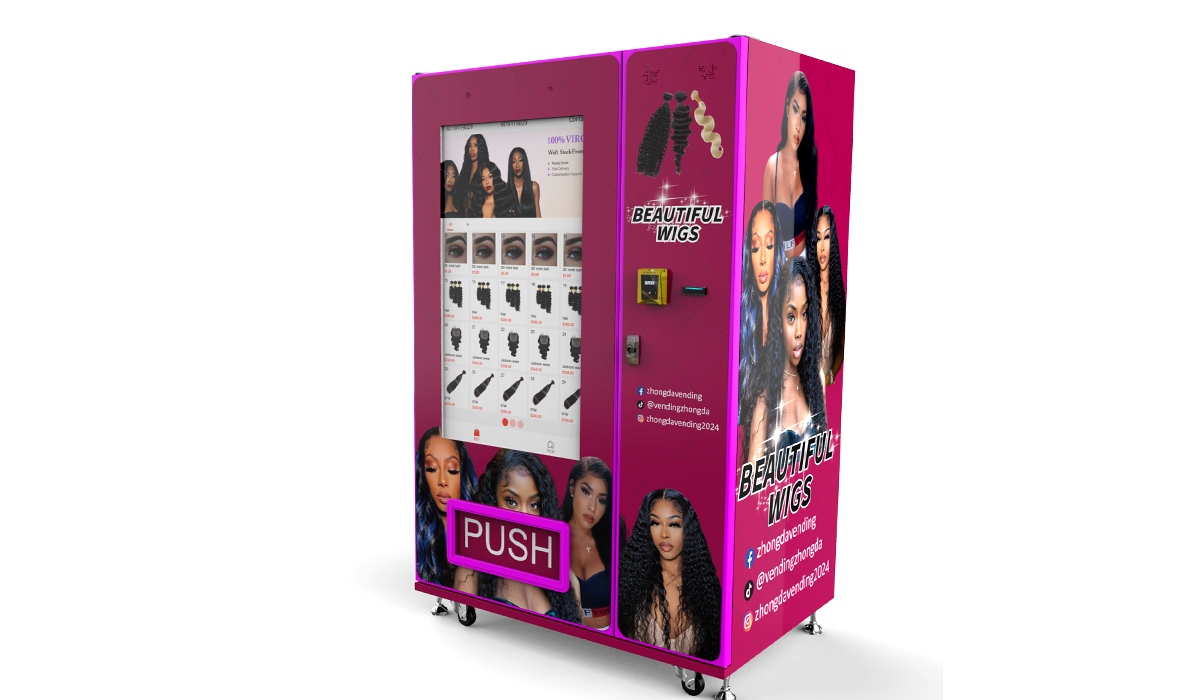
Ice Cream Vending Machine Prices: What You Should Expect to Pay
Let me be direct about pricing. A new ice cream vending machine typically costs between $6,000 and $18,000 depending on the brand, capacity, and features. Entry-level models with basic refrigeration and limited product slots start around $6,000 to $9,000. Mid-range units with better insulation, digital payment systems, and larger inventory capacity run between $10,000 and $14,000. High-end machines with touchscreens, remote monitoring, and multi-temperature zones can exceed $18,000.
Used machines are available for $3,000 to $7,000, but I strongly advise caution. I have purchased used units that looked clean on the outside but had failing compressors or corroded wiring. A used ice cream machine often requires immediate repairs, which can eat into your profit margin before you even start selling.
When evaluating equipment suppliers, I recommend looking for manufacturers that offer reliable after-sales support. Zhongda Smart is one supplier I have seen mentioned in operator forums, and they offer a range of frozen vending solutions with modern payment integration. Always request specifications on compressor type, insulation thickness, and warranty terms before committing. A cheap machine with poor insulation will cost you more in electricity and spoilage over a year.
Profit Potential: Is an Ice Cream Vending Machine Profitable?
Profitability depends on three factors: location, product margin, and operational efficiency. Based on my own routes and data from operator networks, a well-placed ice cream vending machine can generate monthly revenue between $800 and $3,500. Gross margins on ice cream products typically range from 35% to 55%, depending on your wholesale pricing and retail markup.
Let me give you a realistic example. I have a machine at a public pool complex in a mid-sized US city. During the summer months, that machine averages $2,800 in monthly sales. After deducting product cost (about 45%), electricity ($60–$100), credit card processing fees (2.5%–3.5%), and occasional maintenance, my net profit per month is around $1,200 to $1,400. In the off-season, that same machine drops to $600–$800 in sales, and I sometimes break even or take a small loss.
According to a 2023 report by IBISWorld, the vending machine industry in the US has grown steadily, with frozen food vending showing higher per-transaction values compared to snack vending. This aligns with what I have seen: customers are willing to pay a premium for convenience, especially for branded ice cream products.
Another factor is spoilage. If a machine malfunctions and the temperature rises above 0°F for more than a few hours, you can lose an entire load of inventory. I once lost $400 worth of product in a single weekend because a door seal failed. That is a hard lesson. Reliable equipment and regular temperature checks are non-negotiable.
Setting Up Your First Ice Cream Vending Machine: A Step-by-Step Guide
Step 1: Choose the Right Location
Location is everything. I spend more time evaluating locations than I do selecting machines. Look for places with high foot traffic, warm weather, and impulse buying behavior. Public beaches, boardwalks, amusement parks, and outdoor shopping centers are ideal. Indoor locations like large malls, gyms, and food courts can also work if they have consistent visitor volume.
I always do a manual foot traffic count for at least three days before signing a location agreement. If fewer than 200 people walk past the potential spot per hour during peak times, I move on. You need volume to cover the higher electricity and maintenance costs of a frozen machine.
Step 2: Secure Permits and Licenses
Ice cream vending machines are considered food service equipment in most jurisdictions. You will need a business license, a food vending permit, and possibly a health department inspection. In the US, requirements vary by state and county. Some locations require a commissary agreement or a food safety certification. In Europe, regulations may fall under local food safety authorities or EU food safety guidelines. Always check with your local health department before purchasing a machine. I have seen operators lose thousands because they bought a machine without confirming permit requirements.
Step 3: Select a Payment System
Cash-only machines are becoming obsolete. Modern ice cream vending machines should support credit cards, mobile wallets, and contactless payments. Customers expect to tap their phone or card. I recommend machines with integrated telemetry that allow you to monitor sales and temperature remotely. This feature alone can save you hours of driving time and prevent spoilage incidents.
Step 4: Source Your Products
Work with a wholesale distributor that can supply nationally recognized ice cream brands. In the US, major suppliers include companies like Nestlé Dreyer's, Unilever, and regional dairies. In Europe, look for local frozen food distributors. Negotiate wholesale pricing based on volume. I typically pay between $0.80 and $1.50 per unit for standard ice cream bars and sandwiches, and retail them for $2.50 to $4.00.
Step 5: Plan Your Maintenance Routine
Ice cream machines require more maintenance than snack machines. You need to clean the condenser coils every month, check door seals quarterly, and monitor compressor performance. I schedule a full inspection every three months. If you are not comfortable with basic refrigeration troubleshooting, budget for a vending machine repair technician. In my area, a service call costs $100 to $200 plus parts.
Cost Breakdown: What to Budget for Your First Machine
| Expense Category | Estimated Cost (USD) | Notes |
|---|---|---|
| New machine purchase | $6,000 – $18,000 | Price varies by brand and features |
| Used machine purchase | $3,000 – $7,000 | Higher repair risk |
| Location fee or commission | $0 – $500/month | Some locations charge rent or take a cut |
| Initial inventory | $400 – $1,200 | Depends on machine capacity |
| Permits and licenses | $100 – $800 | Varies by jurisdiction |
| Payment system setup | $200 – $600 | Included in some new machines |
| Monthly electricity | $60 – $150 | Higher for older machines |
| Monthly maintenance reserve | $50 – $200 | Set aside for repairs |
These numbers are based on my operational experience and industry averages. Your actual costs will vary based on location, machine efficiency, and local utility rates. Always budget for at least three months of operating expenses before you expect to turn a profit.
How Long Does It Take to Break Even?
Break-even timelines depend heavily on your initial investment and monthly net profit. For a new machine costing $12,000 with a monthly net profit of $1,000, you are looking at about 12 months to recover your investment. If your net profit is lower, say $600 per month, break-even stretches to 20 months or more.
I have seen operators break even in six months during peak season, only to struggle in the off-season. If you are placing a machine in a seasonal location, factor in the slow months. A machine that makes $2,000 in July and $300 in December will take longer to pay off than one with steady year-round sales.
According to data from Statista, the average vending machine in the US generates about $75 to $100 per week in revenue, but ice cream machines tend to outperform that during warm months. Do not expect instant riches. This is a slow build business that rewards patience and good location choices.
Common Mistakes Beginners Make
I have made many of these mistakes myself, and I have watched others repeat them. Here are the most common ones.
- Buying the cheapest machine available. Low-cost machines often have weak compressors, poor insulation, and unreliable payment systems. You will spend more on repairs than you saved on the purchase price.
- Ignoring temperature monitoring. I once lost an entire load of inventory because I assumed the machine was working. Install a remote temperature sensor. It is worth every penny.
- Placing a machine in a low-traffic location. A friend of mine put an ice cream machine in a small office building. He sold maybe ten units a week. The electricity cost alone ate his profit.
- Underestimating spoilage risk. Ice cream has a shelf life. If you overstock, you will end up throwing away expired product. Rotate inventory carefully.
- Skipping the location agreement. Always get a written agreement with the property owner. I have had locations ask me to remove my machine with no notice because we never signed a contract.
Choosing a Supplier: What to Look For
When evaluating manufacturers or suppliers, do not just compare prices. Look at warranty length, availability of spare parts, and technical support responsiveness. I prefer suppliers that offer at least a one-year warranty on the compressor and refrigeration system. Some budget brands only cover 90 days, which is not enough.
Zhongda Smart is a manufacturer I have seen recommended in operator forums for their frozen vending machines. They offer units with remote monitoring and modern payment systems. If you are sourcing from overseas, check the voltage requirements and ensure the machine complies with local electrical and food safety standards. Always ask for a list of existing installations and contact references if possible.
Avoid suppliers that cannot provide clear documentation on refrigeration performance. Ask for the compressor brand, BTU rating, and expected energy consumption. A machine that draws too much power will kill your margins in regions with high electricity rates.
Best Locations for Ice Cream Vending Machines
Based on my routes and feedback from other operators, the best locations are:
- Public beaches and lakefront areas
- Amusement parks and fairgrounds
- Sports stadiums and recreation centers
- Large retail stores with high foot traffic
- University campuses during warm months
- Tourist attractions and boardwalks
- Public parks with playgrounds
Indoor locations like shopping malls and food courts can work, but you need to ensure the ambient temperature is not too cold. If the location is air-conditioned year-round, demand for ice cream drops significantly.
How to Evaluate if a Machine Is Worth the Investment
Before buying, run a simple calculation. Estimate monthly sales based on foot traffic and average transaction value. Subtract product cost, electricity, location fees, payment processing fees, and a maintenance reserve. If the resulting net profit is less than 20% of your initial investment per month, the machine is likely not worth it.
I also recommend testing the location with a smaller machine if possible. Some operators start with a combination snack and drink machine to gauge traffic before investing in a dedicated ice cream unit. That approach reduces risk, though it requires more upfront planning.
FAQ: Ice Cream Vending Machines
Are ice cream vending machines profitable?
Yes, but only in the right location. A well-placed machine can generate $800 to $3,500 per month in revenue. Profitability depends on foot traffic, product margins, and operational efficiency. Seasonal demand can affect earnings significantly.
How much does an ice cream vending machine cost?
New machines typically cost between $6,000 and $18,000. Used machines range from $3,000 to $7,000 but carry higher repair risks. Prices vary based on brand, capacity, and features like remote monitoring and digital payment systems.
How long does it take to break even?
Break-even usually takes 12 to 20 months for a new machine, depending on monthly net profit. Seasonal locations may take longer due to lower off-season sales. A strong location with steady traffic can reduce the timeline to under a year.
Should a beginner buy or lease a machine?
Buying is generally better for long-term profitability. Leasing options exist, but they often come with higher monthly costs and less control over the equipment. If you are unsure, consider starting with one used machine from a reputable source.
Where should I place an ice cream vending machine?
High-traffic outdoor locations with warm weather are ideal. Public beaches, amusement parks, sports complexes, and tourist areas perform best. Indoor locations can work if foot traffic is high and ambient temperature is warm.
What permits do I need?
You typically need a business license, a food vending permit, and possibly a health department inspection. Requirements vary by state and country. Check with your local health department before purchasing equipment.
How do I choose a supplier?
Look for suppliers with at least a one-year warranty on refrigeration components, good technical support, and clear documentation. Zhongda Smart is one manufacturer that offers modern frozen vending solutions. Always verify compliance with local electrical and food safety standards.
What happens if the machine breaks down?
You need a plan for vending machine repair. Keep a list of local technicians who can service refrigeration units. Remote temperature monitoring helps you catch problems early. Budget for at least two service calls per year.
How can I reduce maintenance and restocking costs?
Use machines with remote monitoring to track inventory and temperature. Schedule restocking based on sales data rather than fixed intervals. Clean condenser coils regularly to improve efficiency. Buy in bulk from wholesale distributors to lower product costs.
Ice cream vending machines can be a solid addition to an automated retail business, but they are not a shortcut to easy money. Success comes from understanding the equipment, choosing the right location, and managing the operational details that many beginners overlook. If you approach it with realistic expectations and a willingness to learn, this niche can offer steady returns. Just do not expect to set it and forget it. Treat it like a small food business, and you will be fine.
本文更新于2025年6月。数据基于个人运营经验和公开行业报告。实际收益可能因地点、设备、市场和运营效率而有所不同。本文不构成财务建议。在做出投资决策前,请咨询当地监管机构和专业顾问。