The Complete Guide to Hair Vending Machines Opportunities and Risks
If you are looking into hair vending machines as a business opportunity, let me save you some guesswork: yes, the concept works, but only if you understand the operational realities behind it. I have been in the vending industry for over a decade, placing machines across the US and parts of Europe, and I have watched this niche grow from a novelty into a legitimate automated retail segment. A hair vending machine typically sells wigs, extensions, hair accessories, or styling products through a self-service kiosk. The appeal is obvious—24/7 availability, low labor costs, and placement in high-traffic locations like salons, malls, or college campuses. But the risks are real too: inventory spoilage, machine downtime, and the wrong location can kill your margins fast. This guide walks you through everything I have learned about the opportunities and risks of hair vending machines, based on real installations and real profit-and-loss statements.
What Exactly Is a Hair Vending Machine?
A hair vending machine is a specialized self-service kiosk designed to dispense hair-related products. These are not your standard snack machines with a few combs thrown in. The units I have worked with range from modified glass-front machines with adjustable shelving to purpose-built units with climate control for wigs and human hair extensions. The product categories typically include synthetic wigs, clip-in extensions, ponytails, edge control products, brushes, and even small styling tools.
The key difference from a standard vending machine is the product handling. Hair products, especially human hair, are sensitive to heat, humidity, and light. A standard machine without proper interior insulation will damage inventory within weeks. I have seen operators lose thousands of dollars because they used a generic snack machine for high-end wigs. The heat from the compressor and the lack of UV protection caused discoloration and brittleness.
Most hair vending machines on the market today are built on the same chassis as cold drink or snack machines, but they ship with modified interiors. Some manufacturers, including Zhongda Smart, offer customizable shelving and temperature control options specifically for non-food items like hair products. If you are sourcing a machine, you need to specify that you are vending hair, not chips or soda.
Why Hair Vending Machines Are Gaining Traction
The beauty supply industry in the United States alone was valued at approximately $49.2 billion in 2023 according to Statista, and the hair care segment represents a significant portion of that. Consumers, particularly in urban areas, want convenience. A hair vending machine placed near a salon or inside a mall allows customers to buy a wig or a pack of extensions after hours when retail stores are closed.
I have seen these machines work well in Black hair supply stores that want to extend sales beyond staffed hours. The owner stocks the machine, customers buy 24/7, and the owner collects the cash without needing to pay a night shift employee. In one case, a store in Atlanta added a hair vending machine near the entrance and saw a 22% increase in after-hours revenue within three months. The machine paid for itself in eight months.
Another driver is the rise of self-service retail in general. Consumers under 35 are comfortable buying from a kiosk. They scan a card, select a product, and walk away. No small talk, no waiting in line. For operators, that means lower labor costs and the ability to run multiple locations with minimal staff.
Key Opportunities in Hair Vending Machines
Low Labor Dependency
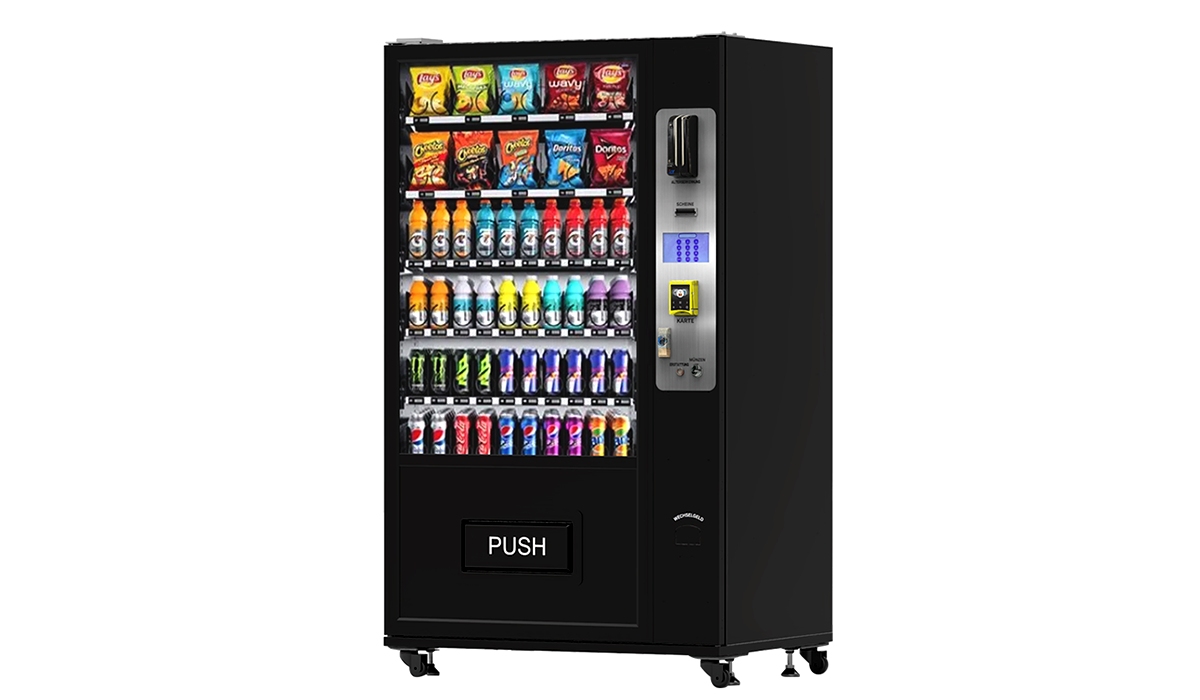
Once a hair vending machine is installed, it runs on its own. You only need to visit for restocking and maintenance. For a single machine, that might be one hour per week. Compare that to a retail store that needs a salesperson for eight to ten hours per day. The labor savings alone can make the difference between profit and loss.
High Margins on Hair Products
Hair extensions and wigs carry strong margins. A synthetic wig that costs $12 wholesale can sell for $35 to $50 at retail. Human hair extensions are even more profitable if you source directly. The margin on a $150 human hair wig can exceed 60%. When you factor in zero sales staff, the net margin on a hair vending machine can be significantly higher than a snack vending route.
After-Hours Revenue
Most beauty supply stores close by 8 or 9 PM. A hair vending machine in the same location can capture the late-night customer who needs a wig for a morning event. I have seen machines in 24-hour laundromats and gyms generate consistent sales between 10 PM and 2 AM. That is revenue that would otherwise be lost.
Brand Placement Opportunities
Hair product brands are starting to see vending machines as a marketing channel. A brand might pay you to feature their products exclusively in your machine for a month. I have negotiated placement fees of $200 to $500 per month per machine from smaller hair care brands looking for visibility in high-traffic areas.
The Real Risks You Cannot Ignore
Inventory Damage and Spoilage
This is the number one killer of hair vending machine profits. Human hair products are organic material. They absorb moisture, they fade in sunlight, and they can develop odors if stored in a machine that gets too hot. I have seen operators lose entire batches of inventory because they placed a machine facing west with direct afternoon sun. The interior temperature hit 110°F and the wigs were ruined within two weeks.
You must invest in a machine with proper insulation and temperature control. Some operators install a small fan or a Peltier cooler inside the cabinet. If you are buying from a supplier like Zhongda Smart, ask about the insulation rating and whether the machine can maintain a stable temperature between 60°F and 75°F.
Theft and Vandalism
Vending machines are targets. Hair products, especially human hair wigs, are high-value items that can be resold quickly. I have had machines broken into with crowbars and saws. The worst case was a machine in a parking lot that was rammed with a truck. The thief got away with about $3,000 worth of inventory.
You need to choose a location with good lighting, security cameras, or foot traffic. Indoor placements inside a store or a mall are safer than outdoor placements. Also, use a machine with a reinforced door and a high-security lock. A standard tubular lock will not stop a determined thief.
Machine Downtime and Repair Costs
Hair vending machines are more complex than snack machines because they often have custom shelving, card readers, and sometimes climate control systems. When something breaks, you cannot always call a local vending repair technician. Many technicians only work on standard snack and drink machines. You may need to ship parts or hire a specialist.
I recommend buying a machine from a manufacturer that offers a warranty and has a service network in your region. Zhongda Smart, for example, provides technical support remotely and can ship replacement parts within 48 hours for most components. If you buy a cheap machine from an unknown supplier, you could face weeks of downtime waiting for a repair.
Wrong Location
A hair vending machine in a location without demand for hair products will sit idle. I have seen operators place machines in general convenience stores where the customer base is mostly male and the sales were near zero. You need to analyze the demographics of the location. A machine in a beauty school, a salon, or a mall with a high female foot traffic will perform better.
Before signing a placement agreement, I always spend at least two hours observing the location. I count how many women walk by, how many are carrying shopping bags from beauty stores, and whether there is existing demand for hair products. If a location has a beauty supply store nearby, that is actually a good sign—it means the demand is already proven.
How to Evaluate a Location for a Hair Vending Machine
Location is the single most important factor in vending machine profitability. I use a simple checklist when scouting spots:
- Daily foot traffic: At least 500 people passing by per day, with a minimum of 40% being women aged 18 to 45.
- Proximity to hair-related businesses: Salons, barbershops, beauty schools, or wig stores within a two-block radius.
- Operating hours: Locations open 16+ hours per day or 24/7 are ideal.
- Security: Indoor placement with cameras or on-site security is preferred.
- Rent or commission: I never pay more than 15% of gross revenue in location fees. Anything above that eats into margins.
I once placed a machine in a 24-hour laundromat near a college campus. The rent was $150 per month plus 10% of sales. The machine averaged $1,200 per month in revenue. That location worked because college students needed hair products at odd hours. The same machine in a suburban office park generated only $300 per month.
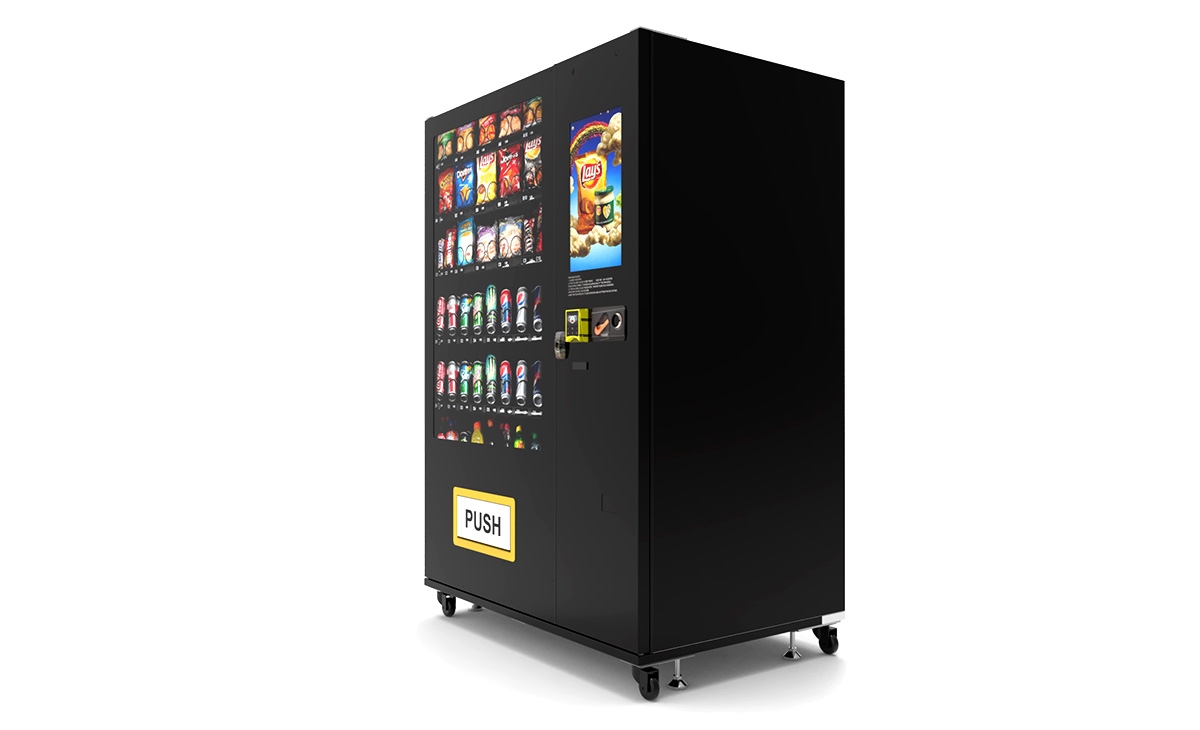
Cost Breakdown: What You Need to Invest
Let me give you a realistic cost picture based on my experience and industry data. These numbers are estimates and will vary by region, supplier, and machine configuration.
| Cost Category | Estimated Amount (USD) | Notes |
|---|---|---|
| Machine purchase (new) | $4,000 – $8,000 | Depends on size, features, and climate control |
| Machine purchase (used) | $1,500 – $3,500 | Higher risk of breakdowns |
| Initial inventory | $1,000 – $3,000 | Depends on product mix and wholesale prices |
| Payment system (card reader) | $300 – $600 | Many machines come with one pre-installed |
| Installation and shipping | $200 – $800 | Varies by distance and location |
| Location fee (first month) | $0 – $500 | Some locations charge rent; others take commission |
| Miscellaneous (signage, locks) | $100 – $300 | Optional but recommended |
| Total initial investment | $5,600 – $13,700 | Average around $8,000 for a solid setup |
According to IBISWorld, the average vending machine operator in the US sees a gross profit margin of about 40% on products. For hair products, I have seen margins between 50% and 65% depending on the product. That means a machine generating $1,500 per month in revenue could produce $750 to $975 in gross profit per month.
Monthly operating costs include restocking labor (about $100 to $200), machine repairs and maintenance (budget $50 to $100 per month on average), payment processing fees (2.5% to 3.5% of sales), and location commission or rent. After all costs, a well-placed machine can net $400 to $700 per month.
Return on Investment and Payback Period
Based on actual machines I have placed, the payback period for a hair vending machine ranges from 8 to 18 months. A machine in a high-traffic location with strong demand can pay back in 8 to 12 months. A machine in a secondary location might take 14 to 18 months. If a machine has not paid back within 20 months, I relocate it.
Here is a real example from my own operation: I placed a Zhongda Smart machine in a beauty supply store in Houston. The machine cost $6,200 delivered. Initial inventory was $2,400. Total investment was $8,600. The machine averaged $1,800 per month in sales. After product cost (40% margin), location commission (10%), and operating costs, net profit was about $650 per month. The machine paid back in 13.2 months. That is a solid return for a single machine.
But I have also had failures. I placed a machine in a gym that seemed promising. The gym had a lot of female members. But the sales were only $300 per month. After costs, I was losing money. I moved the machine after six months to a salon and sales tripled. Do not be afraid to move a machine. It is better to lose a month of sales relocating than to let a machine bleed money for a year.
How to Choose a Hair Vending Machine Supplier
Not all vending machine manufacturers are equal. I have bought machines from five different suppliers over the years, and I have learned what to look for. Here are the criteria I use:
- Customization options: Can the supplier adjust shelving, add climate control, or modify the machine for hair products? Standard snack machines do not work well.
- Warranty and support: A one-year warranty on parts is the minimum. Two years is better. Ask about response time for technical support.
- Payment system compatibility: The machine should support credit cards, mobile payments, and cash. In the US, card payments now account for over 70% of vending transactions.
- Shipping and delivery: Check if they ship to your country and what the shipping costs are. Some suppliers offer free shipping within certain regions.
- Reputation: Look for reviews from other operators. Join vending forums and ask about specific brands.
One supplier that I have worked with successfully is Zhongda Smart. They offer machines with adjustable shelving, optional temperature control, and a range of payment systems. Their support team responds within 24 hours, and they ship internationally. I have four of their machines in my current route, and the downtime has been minimal. That said, always do your own due diligence. Request a quote, ask for references, and if possible, visit the factory or speak to other operators who use their machines.
Self-Operate vs. Lease vs. Partnership Model
There are three main ways to get into the hair vending machine business. Each has different risk and return profiles.
| Model | Investment | Control | Profit Potential | Risk |
|---|---|---|---|---|
| Self-operate (buy your own machine) | High ($5k–$14k) | Full control | Highest | High |
| Lease a machine from a supplier | Low ($0–$2k deposit) | Limited | Medium | Low |
| Revenue share with a location owner | Low (machine provided by you) | Shared | Medium | Medium |
For beginners, I recommend starting with one self-operated machine. You learn the business without risking too much capital. Once you understand restocking, maintenance, and location dynamics, you can scale. Leasing can be tempting because the upfront cost is low, but the monthly payments can eat into your profit. I have seen lease agreements where the operator pays 30% of gross revenue to the lessor. That leaves very little margin.
Maintenance and Restocking Best Practices
Restocking a hair vending machine is different from restocking a snack machine. Hair products are larger and more fragile. You need to handle them carefully to avoid damaging packaging or the product itself. I train my restockers to check each item for dust, discoloration, or damage before placing it in the machine.
Restocking frequency depends on sales volume. A high-traffic machine might need restocking twice a week. A slower machine can go two weeks. I track sales data from the machine's telemetry system. If a product sells out within three days, I increase the slot allocation. If a product sits for two weeks, I replace it with something else.
Maintenance is about prevention. I clean the machine's glass and interior every restocking visit. I check the card reader for connectivity issues. I inspect the cooling system if the machine has one. Small problems caught early save big repair bills later. Vending machine repair costs can range from $150 for a simple fix to $500 for a major component replacement. Budget for at least one repair per machine per year.
Common Mistakes New Operators Make
I have seen dozens of new operators enter the vending business, and most make the same mistakes. Here are the ones specific to hair vending machines:
- Buying the cheapest machine: A $2,000 used machine might seem like a deal, but if it breaks down twice a year, you lose more in sales and repair costs than you saved.
- Ignoring climate control: As I said earlier, hair products are sensitive. A machine without temperature and humidity control will ruin inventory.
- Overstocking slow movers: Beginners often buy too many different products. Focus on your top 10 best sellers and rotate the rest.
- Not testing the location: I always place a test machine or a small display for a week before committing to a long-term agreement. If sales are low, I walk away.
- Underestimating theft: Even in good locations, theft happens. Use machines with secure locks and consider installing a small camera inside the machine.
Frequently Asked Questions
Are hair vending machines profitable?
Yes, if placed correctly. A well-located machine can generate $1,200 to $2,000 per month in revenue with 50% to 65% gross margins. After operating costs, net profit of $400 to $700 per month is realistic. Profitability depends heavily on location and product selection.
How much does a hair vending machine cost?
A new machine costs between $4,000 and $8,000. Used machines can be found for $1,500 to $3,500, but they carry higher repair risks. Add $1,000 to $3,000 for initial inventory and $200 to $800 for shipping and installation.
How long does it take to recoup the investment?
Based on my experience, payback periods range from 8 to 18 months. The average is around 12 to 14 months for a well-placed machine. If a machine has not paid back within 20 months, consider relocating it.
Should a beginner buy or lease a machine?
I recommend buying a single machine to start. Leasing often comes with high monthly fees that reduce your profit. Buying gives you full control and the ability to move the machine if needed.
Where is the best place to put a hair vending machine?
Inside beauty supply stores, salons, beauty schools, malls with high female foot traffic, 24-hour laundromats near colleges, and gyms with a strong female membership. Avoid locations without existing demand for hair products.
What permits or licenses do I need?
Requirements vary by city and state. In the US, you typically need a business license and a sales tax permit. Some cities require a vending machine permit. Check with your local city hall or business licensing office. In the EU, you may need to register with local trade authorities.
How do I choose a supplier?
Look for a supplier that offers customization for hair products, a solid warranty, remote technical support, and reliable shipping. Zhongda Smart is one option that meets these criteria. Always ask for references and read reviews from other operators.
What happens if the machine breaks down?
Contact the manufacturer or a local vending machine repair technician. Keep a list of common spare parts like card readers, control boards, and locks. If you have a warranty, use it. If not, budget $150 to $500 per repair.
How can I reduce restocking and maintenance costs?
Use a machine with telemetry that alerts you when inventory is low. Plan restocking routes efficiently if you have multiple machines. Train yourself to perform basic maintenance like cleaning and checking connections. Join a vending operator group to share tips and resources.
Final Thoughts from a Decade in the Business
Hair vending machines are not a get-rich-quick scheme. They are a solid small business opportunity for someone willing to learn the operational details. The key is to start small, choose your location carefully, invest in a quality machine, and monitor your sales data closely. I have seen operators build profitable routes with five to ten machines, generating steady passive income. I have also seen people lose money because they rushed into bad locations with cheap equipment.
If you are considering this business, do your homework. Talk to other operators. Visit a few locations and observe. Buy one machine first and learn the rhythm of restocking, maintenance, and customer behavior. Once you have a machine that consistently generates $1,500 or more per month, you can scale with confidence.
This article reflects my personal experience operating vending machines in the US and Europe since 2013. Results vary based on location, product selection, and market conditions. Always verify local regulations and consult a business advisor before investing.
Article updated as of March 2025.