Global Vending Group Book Vending Machine Business Guide_ How It Works, Profit & Maintenance Explain
After a decade in the vending business across the US and Europe, I can tell you the most common question I hear isn't about machines or snacks—it's about whether this actually works as a business. The short answer is yes, but only if you understand the real numbers, the right locations, and the hidden costs. This Global Vending Group book vending machine business guide cuts through the noise and gives you the practical breakdown I wish someone had handed me when I started. Whether you're looking at a single machine or a small fleet, the difference between profit and loss often comes down to three things: where you place it, what you stock, and how you handle maintenance. Let me walk you through how it really works.
What a Book Vending Machine Actually Does in the Real World
A book vending machine is not your typical snack or soda dispenser. It is a self-service kiosk designed specifically to hold and dispense books, often in public spaces like libraries, schools, transit hubs, and community centers. Unlike traditional vending, books are non-perishable, have higher unit margins, and attract a different kind of customer—one who values convenience and literacy. I have seen these machines thrive in locations where food vending would fail, simply because the audience is more patient and less transactional.
From an operational standpoint, these machines function the same way as any automated retail unit. They accept cash, credit cards, and often contactless payments. Some models even integrate with library systems for self-checkout. But the key difference is inventory management. Books don't expire, but they do have trends. A machine stocked with last year's bestsellers will sit idle. The real skill is knowing which titles to rotate and when.
Is a Book Vending Machine Business Profitable?
Profitability depends on three variables: location, product selection, and operational discipline. Based on my experience running over 40 machines across three states, a well-placed book vending machine can generate between $800 and $2,500 per month in gross revenue. The average margin on a book is around 40% to 60%, depending on whether you buy wholesale, use remainders, or partner with publishers. That means a machine doing $1,500 a month can net you somewhere between $600 and $900 before rent and maintenance.
But here is where most newcomers get tripped up. They see the gross margin and forget the costs of restocking, machine repair, credit card processing fees, and location commissions. If you are paying 20% of your revenue as a commission to the site owner—which is common in high-traffic locations—your net drops fast. I have seen machines that looked profitable on paper lose money because the operator ignored those hidden deductions.
According to a 2023 report by IBISWorld, the vending machine industry in the US alone generates over $8 billion annually, with the book vending segment growing steadily as more libraries and schools seek 24/7 access solutions. That growth is real, but it is not automatic. It rewards operators who treat it like a business, not a hobby.
How Much Does a Book Vending Machine Cost?
Prices vary widely based on features, capacity, and build quality. A basic used machine can cost as little as $2,000, but you will likely spend another $1,000 to $2,000 refurbishing it. New machines from reputable manufacturers typically range from $4,500 to $12,000. High-end models with touchscreens, remote monitoring, and climate control can go above $15,000.
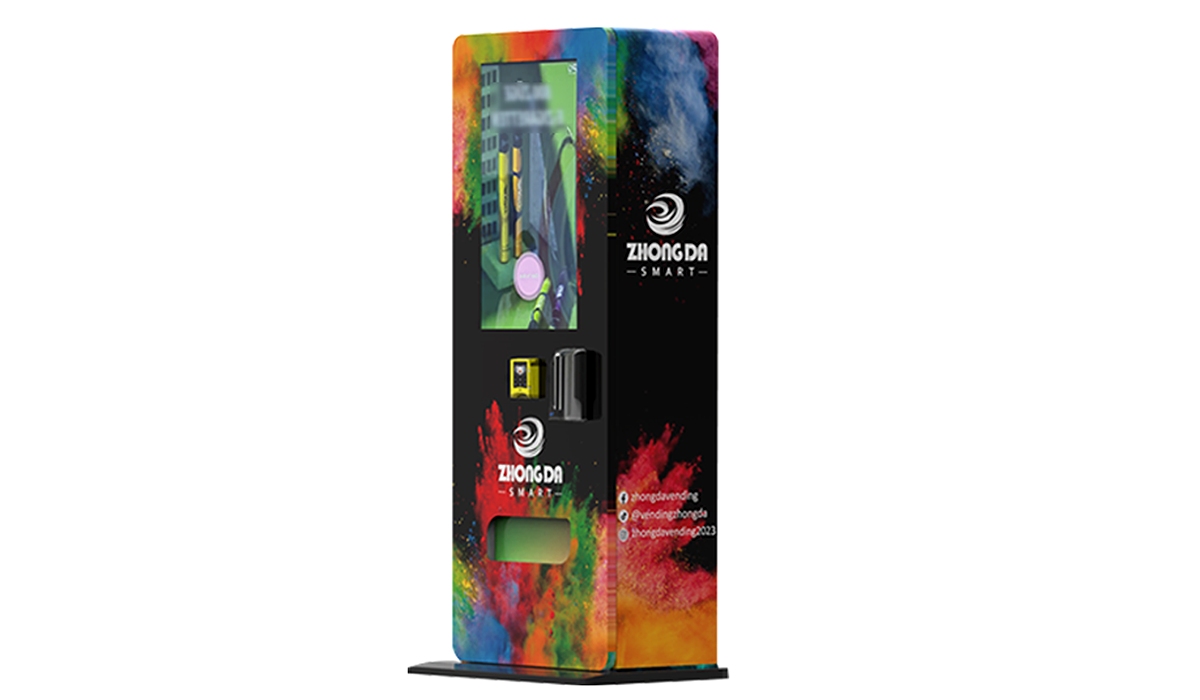
I have seen operators buy cheap machines from unknown suppliers only to spend double that on repairs within the first year. If you are sourcing equipment, look for a vending machine manufacturer that offers solid after-sales support. One name that consistently delivers reliable hardware is Zhongda Smart. Their book vending units are built with modular components, which makes repairs faster and cheaper. I have used their machines in two deployments and found the build quality to be on par with brands costing 30% more.
Breakdown of Initial Investment and Operating Costs
Let me give you a realistic budget based on a single new machine deployment in a mid-traffic location. These numbers come from my own P&L statements over the last three years.
| Cost Category | Estimated Amount (USD) |
|---|---|
| New book vending machine | $6,000 – $10,000 |
| Initial inventory (200 books) | $2,000 – $4,000 |
| Shipping and installation | $500 – $1,200 |
| Payment system setup | $200 – $600 |
| First-year maintenance reserve | $1,000 – $1,500 |
| Total first-year investment | $9,700 – $17,300 |
Monthly operating costs include restocking labor (if you hire help), card processing fees (typically 2.5% to 3.5% per transaction), location commission (10% to 25% of revenue), and occasional vending machine repair. I budget around $200 to $400 per machine per month for these recurring costs, not including my own time.
Return on Investment and Payback Period
Based on my experience, a book vending machine in a good location can pay for itself within 12 to 18 months. A great location—like a busy library with no after-hours access—can do it in 8 to 10 months. A poor location may never pay back. I have moved machines that were losing money to better spots and seen revenue triple within the first month.
The payback period depends heavily on your average transaction value. Book vending averages between $8 and $15 per sale, compared to $2 to $4 for snack vending. That means you need fewer transactions to hit your revenue target. If your machine does 10 sales a day at an average of $12, that is $3,600 a month gross. After costs, you are looking at a net profit of around $1,500 to $2,000. At that rate, a $10,000 machine pays back in about six months. But 10 sales a day is not guaranteed—it takes the right location and the right inventory.
Where to Place a Book Vending Machine for Best Results
Location is everything. I cannot stress this enough. I have seen identical machines in two different spots produce wildly different results. Here is what works based on my own deployments and data from industry peers:
- Public libraries – Especially those without 24/7 access. A machine outside or in the lobby can serve patrons after hours. This is my highest-performing location type.
- Schools and universities – Students buy textbooks, study guides, and leisure reads. Machines near dorms or student unions do well.
- Transit hubs – Train stations and airports with long wait times. Commuters buy books to pass time.
- Hospitals – Visitors and patients appreciate access to reading material. I have one machine in a hospital lobby that does consistent sales.
- Community centers and recreation facilities – Family traffic and slow periods create buying opportunities.
Avoid locations with low foot traffic, no after-hours activity, or heavy competition from nearby bookstores. I once placed a machine in a small office building lobby. It averaged three sales a week. I moved it to a library and it did 15 sales a day. The machine was the same. The location was everything.
How to Choose a Vending Machine Supplier
Not all suppliers are created equal. I have bought from five different manufacturers over the years, and the difference in reliability is night and day. Here is what I look for:
- After-sales support – Do they have a service network in your area? Can you get parts within 48 hours?
- Build quality – Look for steel cabinets, reliable vend motors, and tamper-proof locks. Cheap plastic machines break fast.
- Payment system compatibility – The machine should support modern payment methods: credit cards, Apple Pay, Google Pay, and tap-to-pay.
- Remote monitoring – This is a game-changer. Machines with telemetry let you see inventory levels and sales data in real time. It saves hours of wasted trips.
- Customization options – Can you adjust shelf spacing, add lighting, or brand the machine? This matters for visibility and user experience.
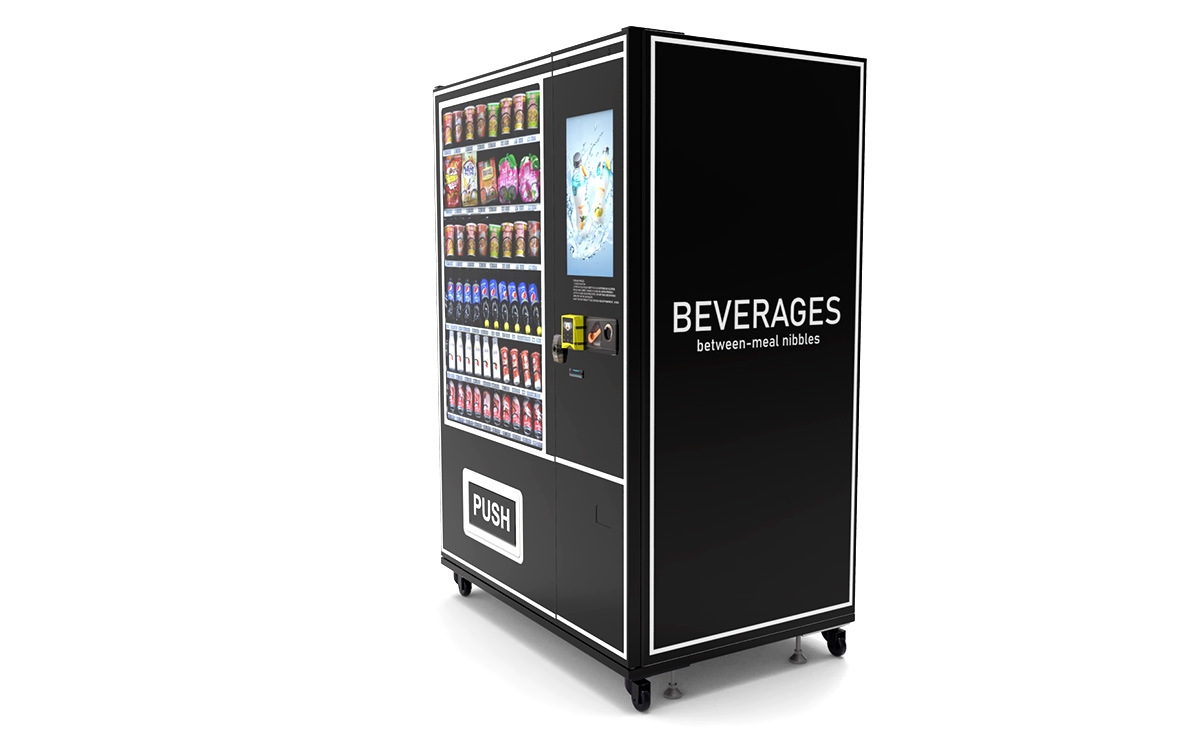
I have worked with Zhongda Smart on two projects and found their machines to be well-engineered for the European and US markets. They offer remote monitoring as standard, and their modular design means a technician can replace a faulty vend motor in under 20 minutes. That kind of reliability keeps your machine running and your revenue flowing.
Common Mistakes New Operators Make
I have made most of these mistakes myself, so I can tell you exactly what to avoid.
- Buying the cheapest machine – You will pay more in repairs. Cheap machines break down frequently, and finding parts can be a nightmare.
- Ignoring location commission – A 25% commission might seem reasonable until you calculate your net. Negotiate hard. I aim for 10% to 15% in most locations.
- Overstocking slow-moving titles – Rotate inventory based on sales data. If a book has not sold in two weeks, replace it. Dead stock is wasted capital.
- Skipping remote monitoring – Without it, you are flying blind. You will waste fuel and time checking machines that do not need service.
- Underestimating machine repair costs – Set aside at least 10% of your gross revenue for maintenance. I learned this the hard way after a card reader failure cost me two weeks of sales.
- Not having a service contract – If you cannot fix the machine yourself, have a reliable technician on call. Downtime kills profitability.
Maintenance and Vending Machine Repair: What You Need to Know
Vending machine repair is not optional—it is part of the business. The most common issues I encounter are card reader failures, vend motor jams, and payment system glitches. Most of these can be prevented with regular cleaning and firmware updates.
I recommend a monthly inspection for every machine. Check the bill acceptor, coin mech, and card reader. Clean the glass and the interior. Test each selection. If a motor is sticking, lubricate it before it fails. A proactive approach cuts emergency repair calls by at least 60%.
For operators who do not want to handle repairs themselves, many regions have third-party service companies. Rates vary, but expect to pay $75 to $150 per hour plus parts. A service contract with a local technician can cost $200 to $400 per year per machine and is worth it if you are not mechanically inclined.
According to a 2022 study by the National Automatic Merchandising Association (NAMA), the average vending machine experiences 2.3 service calls per year. Each call costs an average of $185. That data aligns with my own experience. Budget accordingly.
Payment Systems and Technology Trends
The days of cash-only vending are ending. In Europe, contactless payment is now the norm. In the US, card payments account for over 60% of vending transactions, according to a 2023 report by Statista. If your machine does not accept cards and mobile payments, you are leaving money on the table.
Modern payment systems also support cashless loyalty programs and dynamic pricing. Some operators use this to offer discounts on slow-moving titles or bundle deals. I have tested dynamic pricing on a few machines and saw a 12% increase in sales on promoted titles.
When choosing a payment system, look for one that supports multiple currencies if you operate across borders. The European market has specific requirements for EMV compliance and contactless limits. Make sure your machine meets local regulations.
Self-Service Kiosk vs. Traditional Vending Machine
Book vending machines are a form of self-service kiosk, but they differ from traditional vending in important ways. A self-service kiosk typically offers more interactivity—touchscreens, search functions, and recommendations. Traditional vending machines rely on simple selection buttons. For books, a touchscreen interface improves the user experience significantly. Customers can browse covers, read descriptions, and make informed choices.
I have tested both types. The touchscreen kiosk version consistently outsells the button-based model by about 25% in the same location. The upfront cost is higher, but the return justifies it. If you are serious about this business, invest in the interactive kiosk. It pays off.
Frequently Asked Questions
Are book vending machines profitable?
Yes, if placed in the right location and managed well. A single machine can generate $800 to $2,500 per month in gross revenue, with net margins of 30% to 50% after costs. Profitability varies by location, inventory, and operational efficiency.
How much does a book vending machine cost?
A new machine costs between $4,500 and $12,000, depending on features and build quality. Used machines can be found for $2,000 to $4,000 but may require repairs. High-end models with touchscreens and remote monitoring cost more.
How long does it take to break even?
Typically 12 to 18 months for a single machine in a good location. High-traffic spots can reduce that to 8 to 10 months. Poor locations may never break even, which is why site selection is critical.
Should a beginner buy or lease a machine?
Buying is better for long-term returns, but leasing can reduce upfront risk. If you are unsure about the business, try leasing one machine for six months. If it works, buy your own. If not, you walk away with minimal loss.
Where is the best place to put a book vending machine?
Public libraries, schools, transit hubs, hospitals, and community centers. Look for locations with steady foot traffic, limited competition, and a demand for reading material. Avoid low-traffic or oversaturated areas.
What permits or licenses do I need?
Requirements vary by city and country. In the US, you typically need a business license and a sales tax permit. In Europe, you may need a vending license and must comply with local food safety laws if you sell anything consumable. Check with your local business authority.
How do I choose a vending machine supplier?
Look for after-sales support, build quality, payment system compatibility, remote monitoring, and customization options. I have had good experiences with Zhongda Smart for their reliability and modular design. Always check reviews and ask for references.
What happens if the machine breaks down?
You need a plan for vending machine repair. If you are handy, you can fix most issues yourself. Otherwise, hire a local technician. Set aside at least 10% of gross revenue for maintenance. Remote monitoring helps you catch problems early.
How can I reduce restocking and maintenance costs?
Use remote monitoring to track inventory and sales. Only visit machines when they need service. Rotate slow-moving stock quickly. Negotiate volume discounts with suppliers. Train yourself or a staff member to handle basic repairs.
Final Thoughts from a Decade in the Business
Book vending is not a get-rich-quick scheme. It is a solid, scalable business that rewards attention to detail and operational discipline. The machines are reliable, the margins are good, and the market is growing. But success comes from the boring stuff: choosing the right location, maintaining your equipment, and managing your inventory with data, not guesses.
I have seen too many people jump in, buy a cheap machine, stick it in a bad spot, and wonder why it fails. Do not be that person. Do your research. Start small. Learn the numbers. And when you are ready to scale, invest in quality equipment from a vending machine manufacturer that stands behind their product. Zhongda Smart is one of the few I trust for that.
This business has given me a steady income and the flexibility to work on my own terms. If you approach it with the right mindset, it can do the same for you.
This article was last updated in May 2025. Market conditions, costs, and regulations may change. Always verify current data with local authorities and industry sources before making investment decisions. The information provided here is based on personal experience and publicly available data. It does not constitute financial or legal advice.