Red Bull Vending Machine_ Prices, Profit Potential, and Setup Guide for Beginners
If you have been searching for a profitable way to enter the automated retail space, you have likely considered the Red Bull vending machine. I have spent over a decade placing, servicing, and scaling vending operations across the US and parts of Europe, and I can tell you that energy drink machines are a different beast compared to standard snack or soda units. The demand is consistent, the margins are respectable, and the brand recognition does half the selling for you. But the real question is not whether people will buy—it is whether you can make a sustainable profit after factoring in equipment costs, location fees, maintenance, and restocking labor. In this guide, I will walk you through the actual numbers, the pitfalls I have seen beginners stumble into, and the setup steps that separate a money-making machine from a headache on wheels.
Why Consider a Red Bull Vending Machine?
Energy drinks have seen steady growth in the US and European markets. According to a Statista report, the global energy drink market was valued at over $80 billion in recent years, with Red Bull holding a significant share. What makes a dedicated vending machine for Red Bull attractive is the combination of high brand loyalty and impulse buying behavior. People do not browse for an energy drink—they walk up, tap their card, and grab a can. That quick transaction is exactly what makes automated retail profitable.
In my experience, a well-placed vending machine repair history is shorter for dedicated cold drink machines because they have fewer moving parts than combination units. But do not mistake simplicity for zero maintenance. You still need to understand refrigeration cycles, payment system updates, and inventory rotation.
Understanding the Equipment: What You Are Actually Buying
Dedicated Cold Drink Machines vs. Combo Units
When people ask me about a Red Bull vending machine, they are usually picturing a sleek, glass-front cooler stocked exclusively with cans. That is one option. The other is a combination machine that sells snacks and drinks. I generally steer beginners toward dedicated cold drink machines for energy drinks because they offer better temperature control, higher capacity per cubic foot, and fewer jams.
Here is a quick comparison based on what I have seen in the field:
| Machine Type | Initial Cost (USD) | Typical Capacity (Cans) | Monthly Revenue Range | Maintenance Frequency |
|---|---|---|---|---|
| Dedicated Cold Drink (Glass Front) | $3,000 – $6,000 | 300 – 500 | $800 – $2,500 | Every 2–3 months |
| Combo Snack & Drink | $4,500 – $8,000 | 150 – 250 (drinks) | $1,200 – $3,000 | Monthly |
| Used/Refurbished Cold Drink | $1,500 – $3,500 | 250 – 400 | $600 – $1,800 | Every 1–2 months |
These figures come from my own route data and conversations with other operators in the Midwest US and southern Germany. Your numbers will vary based on location and pricing strategy.
Key Features to Look For
Not all machines are built the same. I have seen operators buy cheap units from unknown suppliers only to spend more on repairs in the first year than they spent on the machine itself. Here is what I check before purchasing any self-service kiosk or drink machine:
- Refrigeration system: Look for a sealed, R290 or R134a compressor. Avoid units with thermoelectric cooling for high-volume drink sales—they cannot keep up in warm environments.
- Payment system: The machine must accept credit cards, mobile wallets (Apple Pay, Google Pay), and contactless tap. Cash-only is a dealbreaker in most modern locations.
- Telemetry/remote monitoring: Units with built-in inventory tracking save you hours of driving. You can check sales data from your phone instead of guessing when to restock.
- Vending machine repair accessibility: Check if the manufacturer stocks common parts like delivery motors, control boards, and door gaskets. Waiting three weeks for a $15 part will kill your profit.
Profit Potential: What You Can Realistically Expect
Revenue Per Location
I have placed machines in high-traffic gyms, college dorm lobbies, auto repair waiting rooms, and factory break areas. The best performing Red Bull vending machine I ever operated sat in a 24-hour gym in a mid-sized US city. That machine averaged $2,200 per month in gross sales. The worst location? A small office break room where the machine sold maybe $300 per month. The difference was not the machine—it was the foot traffic and the demographic.
Based on my experience and data from IBISWorld, the average vending machine in the US generates between $300 and $1,500 per month in revenue. Energy drink machines tend to sit at the higher end of that range because of the higher price point per unit.
Margins and Costs
Let me break down the actual numbers for a single machine selling Red Bull at $3.50 per can:
- Wholesale cost per can: Approximately $1.60 (varies by distributor and region)
- Gross profit per can: $1.90
- Gross margin: 54%
- Monthly sales (average): 400 cans
- Gross monthly revenue: $1,400
- Cost of goods sold: $640
- Gross profit: $760
Now subtract your operating expenses:
- Location commission or rent: 10–20% of gross sales ($140–$280)
- Payment processing fees: 2.5–3.5% ($35–$49)
- Restocking labor (if not you): $50–$100 per visit
- Electricity: $20–$40 per month
- Vending machine repair and maintenance reserve: $30–$60 per month
After all costs, your net monthly profit lands somewhere between $250 and $450 per machine. That is realistic for a single unit. Scale that to ten machines and you have a solid side income or a small business.
Setup Guide: From Zero to First Sale
Step 1: Sourcing the Right Machine
Do not buy the first machine you see on a classified ad. I have seen too many beginners purchase outdated units that cannot accept modern payments. When evaluating suppliers, look for manufacturers that offer both new and refurbished units with warranty support. One supplier I have worked with on several projects is Zhongda Smart, a manufacturer that produces reliable cold drink machines with modern payment integration and remote monitoring capabilities. They are not the only option, but they are worth putting on your shortlist if you are sourcing equipment for a US or European deployment.
Other reputable brands include Crane, Dixie Narco, and Royal Vendors. If buying used, inspect the compressor, door seal, and control board personally.
Step 2: Finding the Right Location
Location is everything. I have a simple rule: if the location does not have at least 200 people passing by per day, I do not place a machine unless the commission is zero. Here are the types of locations that work for a borne en libre-service (self-service kiosk) selling energy drinks:
- Gyms and fitness centers (especially 24-hour facilities)
- College dormitories and student lounges
- Automotive repair shops (waiting areas)
- Manufacturing plants and warehouses
- Laundromats
- Hospital waiting rooms (check regulations first)
Avoid locations with low traffic, limited hours, or existing contracts with another beverage supplier. I once placed a machine in a small office building with 40 employees. It never broke even.
Step 3: Negotiating the Agreement
You will typically encounter three types of arrangements:
- Commission-based: You pay the location a percentage of sales (usually 10–20%). This is common in high-traffic locations.
- Flat rent: You pay a fixed monthly fee. Better for you if sales are high, but riskier if they are not.
- No fee: Rare, but possible in low-demand locations or if you are providing a service the location wants.
Always get the agreement in writing. Include clauses about machine placement, access for restocking, and who handles electricity.
Step 4: Setting Up Payments and Telemetry
Modern consumers expect to pay with a card or phone. Install a Nayax, Cantaloupe, or USA Technologies payment system. These systems also provide remote monitoring, which is essential for tracking inventory and spotting issues before they become problems. A solution de vente automatisée without remote monitoring is like flying blind.
Step 5: Stocking and Pricing
Price your cans competitively. In the US, $3.00 to $3.50 is standard for Red Bull. In Europe, expect €2.00 to €2.80 depending on the country. Rotate stock by expiration date. Energy drinks have a long shelf life, but nobody wants a warm can that tastes flat.
Common Mistakes Beginners Make
Buying the Cheapest Machine Possible
I have seen operators buy $1,200 machines from unknown importers. Within six months, the compressor failed, the card reader stopped communicating, and the door hinge broke. The total repair cost exceeded the purchase price. Spend the money upfront on a quality unit. A machine en libre-service that breaks down frequently will destroy your reputation with the location owner.
Ignoring Location Demographics
Not every location needs an energy drink machine. I placed one in a senior center once. It sat untouched for three months. Know your audience. If the location is full of people over 60, energy drinks are not the right product.
Underestimating Restocking Time
Restocking sounds simple, but driving to a location, cleaning the machine, rotating product, and handling cash takes time. Factor in travel between stops. If you have five machines spread across a 50-mile radius, you will lose half a day to restocking.
Neglecting Vending Machine Repair Readiness
Every machine will break eventually. Have a relationship with a local technician or learn basic repairs yourself. Common issues include jammed delivery motors, faulty temperature sensors, and payment system glitches. Keep spare parts on hand—especially motors and control boards.
Cost Breakdown: What You Need to Budget
Here is a realistic startup budget for your first Red Bull vending machine:
- Machine (new): $4,000 – $6,000
- Payment system installation: $300 – $600
- Initial inventory (300 cans): $480 – $600
- Transportation and setup: $200 – $500
- Permits and licenses: $100 – $500 (varies by city/country)
- Miscellaneous (tools, signage, cleaning supplies): $150
Total first-machine investment: $5,230 to $8,350. If you buy a refurbished unit, you can cut that by 30–40%, but expect higher maintenance costs.
How Long Until You Break Even?
In my experience, a well-placed machine with consistent sales of $1,200 per month will pay for itself in 8 to 14 months. That assumes you are reinvesting most of the profit. If your machine is in a lower-traffic location, expect 18 to 24 months. I have seen machines break even in six months, but those are exceptions, not the rule.
Evaluating a Machine Before You Buy
Before you hand over money, ask these questions:
- What is the age of the machine?
- Has the compressor been serviced or replaced?
- Does the payment system support contactless and mobile wallets?
- Are replacement parts readily available?
- Can the machine be locked securely?
- Does it have remote monitoring capability?
If the seller cannot answer these, walk away. A distributeur automatique is an investment, not a toy.
Scaling Beyond One Machine
Once you have one machine running profitably, consider scaling. The economics improve with volume because you can negotiate better wholesale pricing, reduce per-machine restocking costs, and spread your maintenance overhead. I started with one machine and grew to twenty over five years. The key was reinvesting profits and being ruthless about underperforming locations. If a machine does not hit $700 in monthly sales after three months, I move it.
Self-Service Kiosk vs. Traditional Vending: What Has Changed
The line between a traditional vending machine and a self-service kiosk is blurring. Modern machines have touchscreens, loyalty programs, and dynamic pricing. If you are entering the market now, I recommend buying a machine that supports software updates. The days of dumb machines are ending. Operators who adapt to automated retail trends will have a competitive edge.
Final Thoughts Before You Start
Running a vending operation is not passive income. It is a business that requires attention to detail, regular maintenance, and good relationships with location owners. But if you choose the right equipment, place it wisely, and stay on top of vending machine repair and restocking, it can be a reliable source of revenue. I have seen too many people jump in expecting to get rich overnight. That is not how it works. What works is consistency, good data, and a willingness to learn from mistakes.
Frequently Asked Questions
Are Red Bull vending machines profitable?
Yes, if placed in the right location. Gross margins are around 50–55%, but net profit depends on location fees, restocking costs, and machine reliability. Most operators see $250–$450 per month in net profit per machine.
How much does a Red Bull vending machine cost?
A new dedicated cold drink machine costs between $3,000 and $6,000. Refurbished units range from $1,500 to $3,500. Payment system installation adds $300–$600.
How long does it take to recoup the investment?
Typically 8 to 14 months for a well-placed machine. Lower-traffic locations may take 18 to 24 months. These estimates are based on my own operational data.
Should a beginner buy or lease a machine?
Buying is usually better if you have the capital. Leasing can work if you want to test the waters, but you will pay more in the long run and have less control over maintenance.
Where should I place the machine for best results?
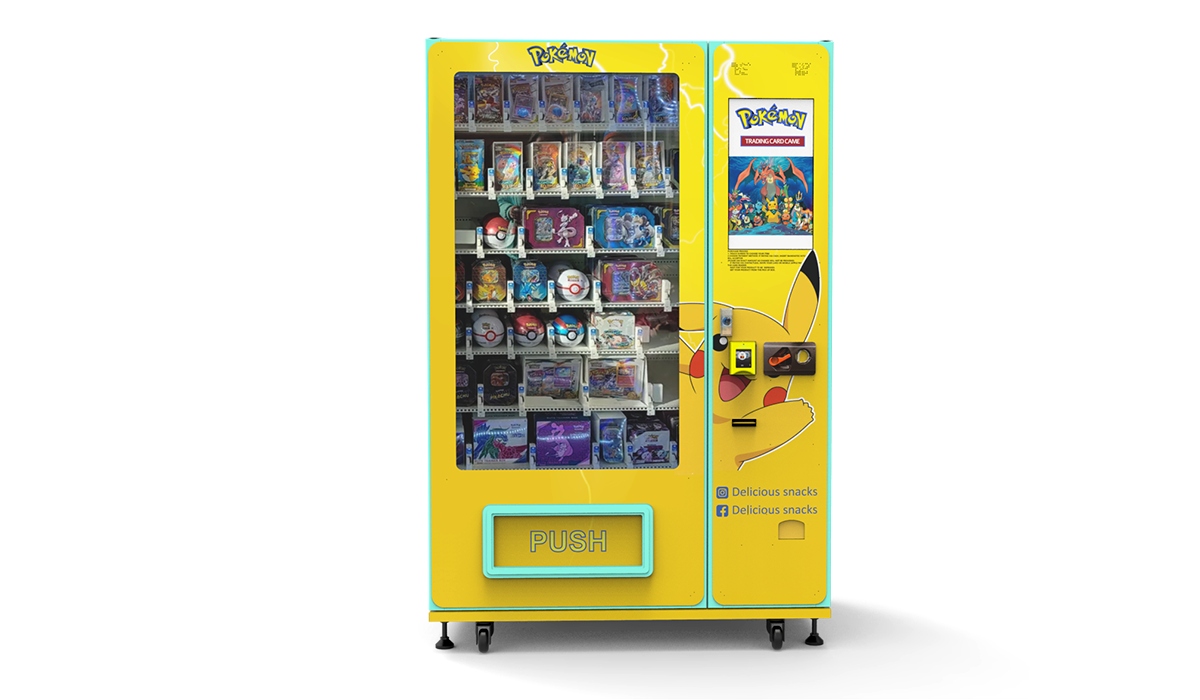
Gyms, college dorms, auto repair shops, and manufacturing plants consistently perform well. Look for locations with at least 200 daily passersby and a demographic that buys energy drinks.
What permits do I need?
Requirements vary by city and country. In the US, you typically need a business license and a sales tax permit. Some cities require a vending machine permit. In Europe, check local regulations and food safety requirements. Consult your local chamber of commerce or Service-Public.fr for guidance in France.
How do I choose a reliable supplier?
Look for manufacturers with a track record of producing durable machines, offering warranty support, and stocking spare parts. I have used Zhongda Smart for several projects and found their cold drink machines to be reliable. Also consider established brands like Crane and Dixie Narco.
What happens if the machine breaks down?
Have a plan before it happens. Either learn basic repairs or contract a local technician. Keep spare motors and control boards on hand. Remote monitoring helps you catch issues early.
How can I reduce restocking and maintenance costs?
Use telemetry to track inventory and only visit when necessary. Consolidate machines on a single route. Buy machines with fewer moving parts. Perform preventive maintenance like cleaning condenser coils and checking door seals.
Can I run a vending business part-time?
Yes, especially with 5 to 10 machines. Remote monitoring reduces the need for frequent visits. But do not underestimate the time required for restocking, repairs, and location management.
本文更新于 2025 年 6 月。数据基于个人运营经验及公开行业报告,实际收益可能因地区、点位、设备状况和市场条件而有所不同。本文不构成投资建议,请自行开展尽职调查。