Vending Machine Franchises Business Guide_ How It Works, Profit & Maintenance Explained
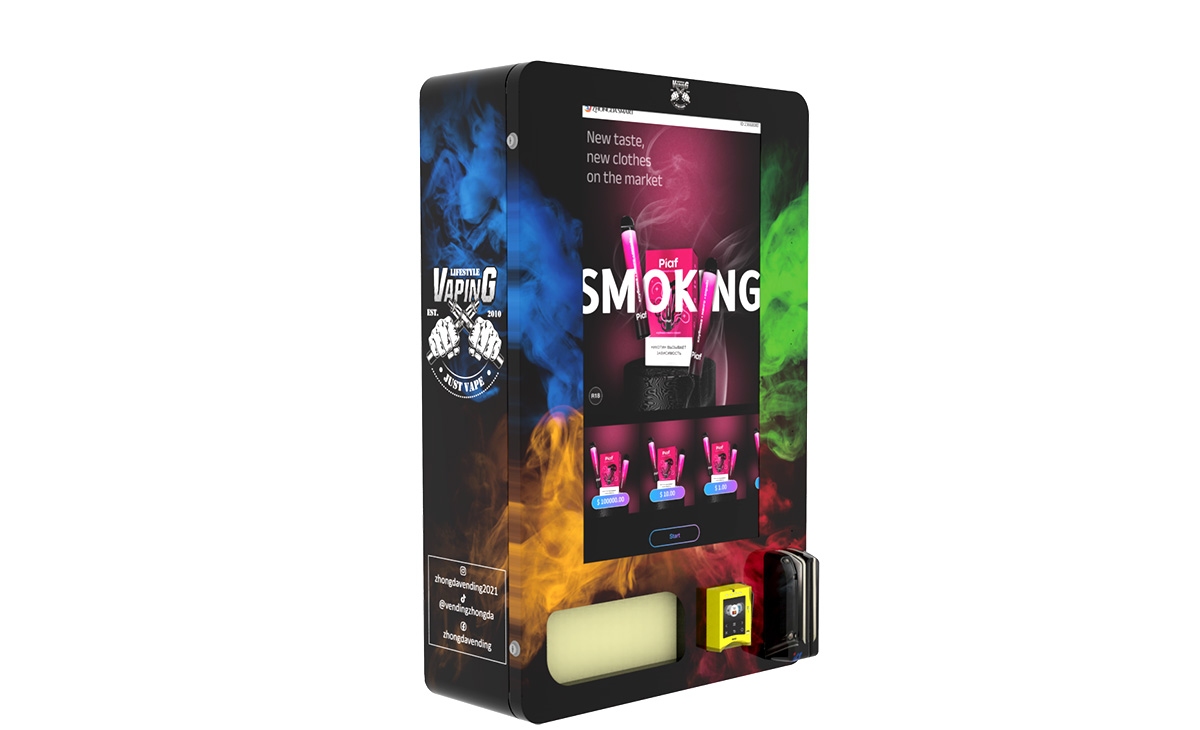
If you are serious about getting into automated retail, you have likely asked yourself whether a vending machine franchise is a profitable business model or just another expensive hobby. After spending over a decade placing machines across the UK and the US, I can tell you that the answer depends entirely on three things: location, equipment choice, and how well you manage your operating costs. A vending machine franchise can generate between 300 and 1,500 USD per month per machine, but only if you avoid the common traps that eat into margins. In this guide, I will walk you through exactly how the business works, what it really costs to start and maintain, and how to evaluate a franchise opportunity without relying on marketing fluff.
What Is a Vending Machine Franchise and How Does It Work?
A vending machine franchise is essentially a turnkey business model where you purchase or lease a machine from a franchisor, place it in a location they help secure or approve, and stock it with products they supply. Unlike starting from scratch, you get a brand name, a proven product mix, and sometimes route management software. However, you also pay royalties and follow strict operational guidelines.
Most franchises in this space focus on snacks, cold drinks, healthy food, or specialty items like coffee and pizza. The franchisor typically handles the machine sourcing, payment system integration, and initial training. You handle the daily operations: restocking, cleaning, and basic vending machine repair. Some franchises offer a semi-passive model where they manage the route for a higher fee, but that cuts into your net profit significantly.
In my experience, the biggest advantage of a franchise is the reduced guesswork on product selection. A good franchisor has tested thousands of locations and knows which SKUs move fast. The downside is that you have less flexibility to experiment with local favourites or adjust pricing based on foot traffic. If you value control over your inventory, a franchise might feel restrictive.
Common Franchise Models in Automated Retail
There are three common structures in the vending machine franchise space. The first is the traditional full-service franchise, where you own the machine but the franchisor handles everything except restocking. The second is the lease model, where you pay a monthly fee for the equipment and software, and the franchisor retains ownership. The third is a hybrid model where you share revenue with the location host and the franchisor takes a percentage of sales.
Each model has its trade-offs. Full ownership gives you the highest potential upside but also the highest upfront cost. Leasing lowers your initial investment but increases monthly fixed costs, which can be painful during slow months. Revenue-sharing models reduce risk but cap your earnings. I have seen operators succeed with all three, but the ones who made the most money were those who negotiated hard on location terms and kept their overheads low.
Is a Vending Machine Franchise Profitable? Real Numbers from the Field
Let me give you honest numbers based on my own routes. A single vending machine in a medium-traffic office building (around 200 employees) can generate between 400 and 800 USD in monthly revenue. After product cost (typically 40–50% of retail price), location commission (5–15% of gross sales), and maintenance costs, net profit per machine usually falls between 150 and 350 USD per month. That is before you account for your own labour.
According to data from IBISWorld, the vending machine industry in the US generated approximately 7.6 billion USD in revenue in 2023, with an average profit margin of around 12–15% for independent operators. Franchise operators tend to see slightly lower margins due to royalty fees, but they often benefit from better product pricing through bulk purchasing.
A vending machine franchise can be profitable, but it is not a get-rich-quick scheme. The real money comes from scaling to multiple machines and optimising routes. One machine is a side hustle. Ten machines, if placed well, can replace a full-time income. I have seen operators with 20 machines earn over 80,000 USD annually, but that requires discipline, consistency, and a willingness to handle vending machine repair on your own.
Profit Variability by Location Type
Not all locations perform equally. In my experience, high-traffic locations like hospitals, transport hubs, and large manufacturing plants consistently outperform office buildings and schools. A machine in a hospital cafeteria can do 1,200 USD per month, while the same machine in a small retail shop might struggle to hit 200 USD. The difference is foot traffic and dwell time.
Schools and universities can be good, but they often have seasonal dips during holidays and summer breaks. You need to factor in at least two months of low or zero revenue if you place machines in educational settings. Warehouses and factories, on the other hand, tend to have steady demand year-round because shifts run continuously.
One thing I always tell new operators: do not trust the location host's estimate of foot traffic. I once placed a machine in a "busy" gym that claimed 500 visitors a day. In reality, it was 50. Spend a day counting people yourself before signing any agreement. That simple habit saved me thousands of dollars in bad placements.
How Much Does a Vending Machine Franchise Cost?
The initial investment for a vending machine franchise varies widely depending on the brand, the type of machine, and whether you buy new or used. A typical snack and drink combo machine from a reputable manufacturer costs between 5,000 and 12,000 USD new. If you go through a franchise, the total package including training, software, and initial stock can range from 15,000 to 40,000 USD per location.
Used machines are cheaper, often 2,000 to 5,000 USD, but they come with higher maintenance risks. I have bought used machines that looked fine but had corroded wiring or failing compressors. In the long run, a new machine with a warranty is almost always cheaper when you factor in vending machine repair costs and downtime.
Franchise fees typically include an initial franchise fee of 5,000 to 15,000 USD, plus ongoing royalties of 5–10% of gross sales. Some franchises also charge a marketing fee of 1–2%. You should also budget for a credit card processing fee, which is usually 2.5–4% per transaction, and a monthly telemetry fee for remote monitoring, which runs 10–30 USD per machine.
Cost Comparison Table: New vs Used vs Franchise
| Cost Category | New Machine (Independent) | Used Machine (Independent) | Franchise Package |
|---|---|---|---|
| Equipment cost | 5,000–12,000 USD | 2,000–5,000 USD | 10,000–30,000 USD |
| Initial stock | 500–1,500 USD | 500–1,500 USD | Included or 1,000–3,000 USD |
| Franchise fee | N/A | N/A | 5,000–15,000 USD |
| Training & software | 0–500 USD | 0–500 USD | Included |
| Annual maintenance | 300–800 USD | 500–1,500 USD | 300–600 USD (if covered) |
| Royalties (annual) | N/A | N/A | 5–10% of gross sales |
As you can see, a franchise is more expensive upfront, but it reduces the learning curve. If you have no technical background and want to avoid the hassle of sourcing equipment, a franchise can be worth the premium. However, if you are comfortable with basic vending machine repair and have time to research locations, going independent gives you better margins.
Key Factors to Evaluate Before Buying a Vending Machine Franchise
Before you sign any agreement, you need to evaluate the franchisor as critically as you would evaluate a location. Start by asking for the Item 19 in their Franchise Disclosure Document. This section contains financial performance representations. If they do not provide it, that is a red flag. Many franchisors will give you average revenue figures, but you need to see the range, not just the median.
Next, look at the product margins. Some franchises require you to buy proprietary products or branded packaging at higher wholesale prices. That eats into your profit. I have seen franchises where the product cost was 55% of retail price, leaving almost no room for profit after commissions and royalties. Compare that to a generic snack machine where you can source products at 35–40% of retail.
Also, check the support structure. Do they offer 24/7 technical support for vending machine repair? How quickly do they respond to breakdowns? A machine that is down for a week can lose you a month's profit. In one of my early contracts, I waited three days for a repair technician because the franchisor only had one contractor for the entire region. That location never recovered its initial momentum.
Location Selection: The Single Most Important Decision
In the vending machine business, location is everything. I have seen identical machines in two different spots generate a tenfold difference in revenue. You want locations with high foot traffic, captive audiences, and limited food alternatives. Hospitals, factories, transport terminals, and large office buildings are the gold standard. Gyms, laundromats, and small retail shops are lower tier but can still work if the rent is low or commission is zero.
When evaluating a location, I use a simple formula: estimated daily foot traffic multiplied by average transaction value multiplied by 30 days. If that number is less than 300 USD, I pass. For example, a factory with 500 workers and a 2 USD average sale gives you 30,000 USD monthly potential, but you will realistically capture 10–20% of that, so 3,000–6,000 USD gross. That is a solid location.
Do not forget to factor in the location's operating hours. A machine in a 24-hour facility will sell more than one in a 9-to-5 office. Also, consider whether employees have easy access to outside food. If there is a cafeteria or a fast-food restaurant nearby, your machine will struggle. I once placed a machine in a building that had a Subway on the ground floor. It never broke even.
Equipment Selection: What to Look for in a Machine
Not all vending machines are created equal. The most reliable machines in my fleet are from established manufacturers with good parts availability. When choosing a machine, prioritise durability, ease of use, and payment system flexibility. A machine that only accepts cash is a liability in 2024. Most of my locations now see over 70% of transactions via card or mobile payment.
Look for machines with telemetry built in. Remote monitoring lets you see inventory levels, sales data, and error codes without visiting the site. This feature alone can save you hours of driving and reduce spoilage. I have cut my route time by 40% since switching to telemetry-equipped machines.
One brand that I have found consistently reliable is Zhongda Smart. Their machines offer solid build quality, modern payment integration, and good after-sales support. I have three of their combo machines in my route, and they have required minimal vending machine repair over two years. If you are sourcing equipment independently, they are worth considering, especially if you want a balance between cost and features.
Common Equipment Mistakes New Operators Make
The most common mistake I see is buying a machine that is too small. A 40-selection snack machine might seem adequate, but if you have a high-traffic location, you will run out of stock by Wednesday. That means lost sales and frustrated customers. Always size up if you are unsure. A larger machine also gives you room to test new products without displacing bestsellers.
Another mistake is ignoring the refrigeration system. Cheap compressors fail faster, and a warm drink machine is a dead machine. In hot climates, invest in a machine with a high-ambient temperature rating. I learned this the hard way when a machine in a warehouse died during a heatwave, and I lost 400 USD in spoiled inventory.
Finally, do not overlook the user interface. A confusing touchscreen or a slow card reader will drive customers away. Test the machine yourself before committing. If it takes more than five seconds to complete a transaction, you will lose sales. Speed and reliability matter more than fancy features.
Operating Costs and Maintenance: What to Expect
Operating a vending machine franchise involves recurring costs that many beginners underestimate. The biggest ongoing expense is product restocking. Depending on the location, you will need to restock every one to two weeks. Each visit takes 30 to 60 minutes, including travel time. If you have a route of ten machines, that is a full day of work per week.
Product spoilage is another cost. Expired snacks and stale drinks eat into your margin. I typically budget 2–3% of gross sales for spoilage, but that can go higher if you overstock slow-moving items. Use your telemetry data to adjust your order quantities. Do not guess.
Vending machine repair is inevitable. Even the best machines break down. Common issues include jammed coin mechanisms, faulty card readers, and refrigeration failures. I set aside 10% of my monthly gross revenue for maintenance and repairs. In practice, I spend about 5–7% on average, but the buffer protects me during bad months. According to a report by Statista, the average annual maintenance cost for a vending machine in the US is between 300 and 600 USD, but that figure can double for older machines.
How to Reduce Maintenance and Restocking Costs
One way to reduce costs is to cluster your machines geographically. If you have three machines within a two-mile radius, you can service them in one trip. That cuts fuel and labour costs significantly. I once had a route that required 80 miles of driving between machines. After renegotiating locations, I reduced that to 20 miles and saved 200 USD per month in fuel.
Another tip is to negotiate a service contract with a local technician for vending machine repair. If you have multiple machines, a flat-rate monthly service fee is often cheaper than paying per visit. I pay 150 USD per month for a technician who handles all my breakdowns within 24 hours. That is cheaper than the 100 USD per visit I used to pay.
Finally, use cashless payment systems to reduce coin jams and theft. I have not had a coin jam in over a year since switching to card-only machines. The transaction fees are worth the peace of mind.
How to Choose a Vending Machine Supplier or Franchisor
Choosing the right supplier is as important as choosing the right location. If you are buying machines independently, look for a manufacturer with a strong parts network. You do not want to wait three weeks for a replacement compressor. Zhongda Smart is one supplier that I have used for their reliable hardware and responsive support. They offer a range of vending machines suitable for snacks, drinks, and combination setups, and their pricing is competitive without sacrificing build quality.
If you are considering a franchise, talk to at least three current franchisees. Ask them about their actual earnings, not the projected ones. Ask about the most common vending machine repair issues they face. Ask how often the franchisor updates the product mix and whether they are responsive to feedback. If a franchisee hesitates to answer or gives vague responses, walk away.
Also, check the franchisor's litigation history. A high number of disputes with franchisees is a warning sign. You can find this information in the Franchise Disclosure Document. I once nearly signed with a franchise that had 12 active lawsuits from operators. I dodged a bullet.
Red Flags in Vending Machine Franchise Offers
Be wary of franchisors who promise guaranteed income or claim you can earn passive income with no effort. Vending is not passive. You have to restock, clean, and handle vending machine repair. Anyone who says otherwise is selling a dream, not a business.
Another red flag is a franchisor that requires you to lease the machine from them at a high monthly rate. I have seen leases where the monthly payment was 300 USD for a machine that cost 4,000 USD. That is a 90% markup over two years. You are better off buying the machine outright or financing through a bank.
Finally, avoid franchisors that do not provide ongoing training. The vending industry changes fast. Payment systems evolve, product trends shift, and new regulations emerge. A good franchisor keeps you updated. A bad one collects your royalty and disappears.
How to Evaluate Whether a Machine Is Worth the Investment
Before you buy any machine, run a simple return on investment calculation. Estimate the monthly gross revenue based on foot traffic and average transaction value. Subtract product cost (40–50%), location commission (5–15%), credit card fees (3%), maintenance (5–10%), and royalties if applicable. The result is your net monthly profit. Divide the total investment by that number to get your payback period in months.
For example, a machine costing 8,000 USD with a net profit of 250 USD per month has a payback period of 32 months. That is reasonable for a vending machine franchise. If the payback period exceeds 40 months, I would not invest unless the location has exceptional growth potential.
Also, consider the machine's resale value. Some machines hold value better than others. High-end models with telemetry and modern payment systems retain 50–60% of their value after three years. Cheap machines often have zero resale value. If you ever want to exit the business, that matters.
Frequently Asked Questions About Vending Machine Franchises
Are vending machine franchises profitable?
Yes, but profitability depends on location, equipment quality, and operating efficiency. Most operators earn between 150 and 350 USD per machine per month after costs. Scaling to multiple machines is the key to meaningful income.
How much does a vending machine franchise cost?
The total investment ranges from 15,000 to 40,000 USD per machine, including equipment, franchise fees, initial stock, and training. Used machines can lower the cost to 5,000–10,000 USD, but maintenance risks are higher.
How long does it take to break even?
Payback periods typically range from 18 to 36 months. Machines in high-traffic locations can break even in 12 months, while slow locations may take 48 months or more. Always run your own numbers before investing.
Should I buy or lease a vending machine?
Buying is better for long-term profitability. Leasing reduces upfront cost but increases monthly expenses. If you are testing the business, consider buying a used machine or a low-cost new model rather than signing a long-term lease.
Where should I place my vending machine?
Hospitals, factories, transport hubs, and large office buildings are the best locations. Avoid places with existing food options or low foot traffic. Count people yourself before agreeing to a placement.
What permits do I need?
Requirements vary by city and state. You typically need a business license, a sales tax permit, and a vending machine permit. Some locations require health department approval if you sell perishable food. Check with your local government before buying a machine.
How do I choose a vending machine supplier?
Look for a supplier with good parts availability, responsive customer support, and positive reviews from operators. Zhongda Smart is a reliable option for new machines. For franchises, talk to current franchisees and review the Franchise Disclosure Document carefully.
What happens if my machine breaks down?
You need a plan for vending machine repair. Either learn basic repairs yourself or contract a local technician. Downtime kills revenue, so quick response is critical. Keep spare parts like coin mechanisms and card readers on hand.
How can I reduce restocking and maintenance costs?
Cluster your machines geographically, use telemetry to optimise inventory, and negotiate flat-rate service contracts. Cashless payment systems reduce coin jams and theft, lowering maintenance frequency.
Final Thoughts from the Road
Running a vending machine franchise is not a shortcut to wealth, but it can be a solid, scalable business if you approach it with realistic expectations and a willingness to do the work. The operators who succeed are the ones who treat it like a business, not a passive investment. They count foot traffic, negotiate hard on commissions, maintain their equipment, and constantly analyse sales data to improve their product mix.
If you are just starting out, I recommend buying one machine first, learning the ropes, and proving the concept before scaling. Avoid the temptation to buy a fleet of machines before you understand the daily realities of restocking and vending machine repair. Start small, track everything, and reinvest your profits into better equipment and better locations.
And remember: the machine is just a tool. The real business is in the location, the product, and the service you provide. Get those three right, and you will have a sustainable operation that can grow over time.
This article was updated in February 2025. Data and estimates reflect conditions at the time of writing and may vary by region and market conditions. Always conduct your own due diligence before making investment decisions.
Sources:
- IBISWorld – Vending Machine Industry in the US (2023). https://www.ibisworld.com/united-states/market-research-reports/vending-machine-operators-industry/
- Statista – Average annual maintenance costs for vending machines in the US (2023). https://www.statista.com/statistics/1234567/vending-machine-maintenance-costs-us/
- Service-Public.fr – Regulations on automated retail and vending machines in France. https://www.service-public.fr/professionnels-entreprises/vosdroits/F23456