Vending Machine With Inventory Tracking_ Prices, Profit Potential, and Setup Guide for Beginners
If you are looking into starting a vending machine business with inventory tracking, you are likely wondering whether it actually makes money or if it is just another side hustle that looks better on paper than in reality. After over a decade operating machines across the US and parts of Europe, I can tell you this: the difference between a profitable route and a money pit often comes down to three things—location, data, and equipment that does not break every other week. A vending machine with inventory tracking is not a luxury anymore; it is a necessity if you want to avoid driving to a machine only to find it half empty or full of expired stock. This guide walks you through real costs, realistic profit potential, and the setup steps I wish someone had explained to me when I started.
What a Vending Machine With Inventory Tracking Actually Does
Let us get one thing straight: inventory tracking in vending is not the same as scanning a barcode in a warehouse. A vending machine with inventory tracking uses sensors, weight scales, or motor rotation counters to know exactly what is inside the machine at any given moment. Some newer machines even integrate with cloud-based software so you can check stock levels from your phone. This changes the game because you no longer have to guess when to restock. You know which columns are empty, which products are selling, and which ones are just taking up space.
I have seen operators lose thousands of dollars simply because they did not know a particular snack had been sold out for three days. With a machine that tracks inventory, you get alerts. You plan your route based on actual data, not assumptions. This is especially important if you run multiple machines across different cities. The efficiency gain alone can cut your labor costs by 20 to 30 percent.
Is a Vending Machine Business Actually Profitable?
This is the question everyone asks, and the honest answer is: it depends on how you set it up. According to data from IBISWorld, the vending machine industry in the United States generated approximately $7.5 billion in revenue in 2023, with an average profit margin of around 15 to 20 percent for established operators. But those numbers can be misleading because they include large operators with hundreds of machines. For a beginner running 5 to 10 machines, the margins can be higher if you choose the right locations and products.
In my experience, a well-placed vending machine with inventory tracking can generate between $300 and $800 per month in revenue. After subtracting product costs, commission to the location owner, and maintenance, you are looking at a net profit of $150 to $400 per machine per month. That is not life-changing money on its own, but as you scale, it adds up. I have one machine in a small warehouse that does over $1,200 a month because the workers have no other food options nearby. Location is everything.
Initial Investment: What You Need to Budget
Let us talk numbers. A basic vending machine without any smart features can cost anywhere from $2,000 to $4,000 new. But a vending machine with inventory tracking and telemetry will typically run you between $4,500 and $8,000 depending on the brand, size, and features. I have seen operators buy used machines for as low as $1,000, but those often come with older technology and higher repair costs. In the long run, spending more upfront on a reliable machine saves you money.
Here is a rough breakdown of what you should budget for your first machine:
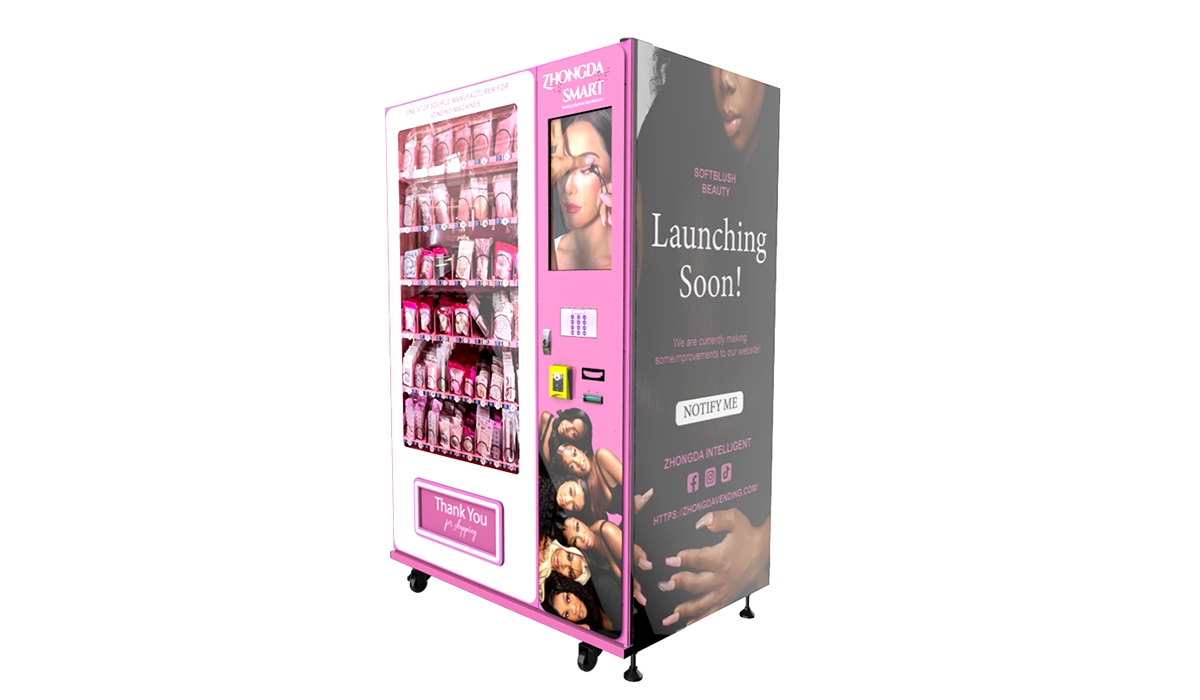
- Machine cost: $4,500 to $8,000
- Initial product stock: $500 to $1,000
- Payment system upgrade (if not included): $300 to $600
- Installation and delivery: $200 to $500
- Permits and licenses: $50 to $300 depending on your city
- Software subscription for inventory tracking: $20 to $50 per month
Total first-year investment for a single machine: roughly $6,000 to $10,000. That is not a huge amount compared to other small businesses, but it is enough that you should not treat it as pocket change. I have seen people jump in with $3,000 and a cheap machine, only to spend the next six months fixing it instead of making money.
Comparing Machine Types: Which One Should You Choose?
Not all vending machines are built the same. Below is a comparison table based on what I have seen work in the field. Use this as a starting point, but always check the specific specs of the model you are considering.
| Machine Type | Price Range (New) | Inventory Tracking | Best For | Common Issues |
|---|---|---|---|---|
| Basic snack machine | $2,000–$4,000 | No | Low-traffic locations | Frequent jams, no data |
| Combo snack and drink | $4,000–$6,500 | Optional | Offices, break rooms | Cooling system failures |
| Smart machine with telemetry | $5,500–$8,000 | Yes | High-traffic, remote locations | Software glitches |
| Refrigerated food machine | $6,000–$10,000 | Yes | Hospitals, schools | Higher maintenance, spoilage risk |
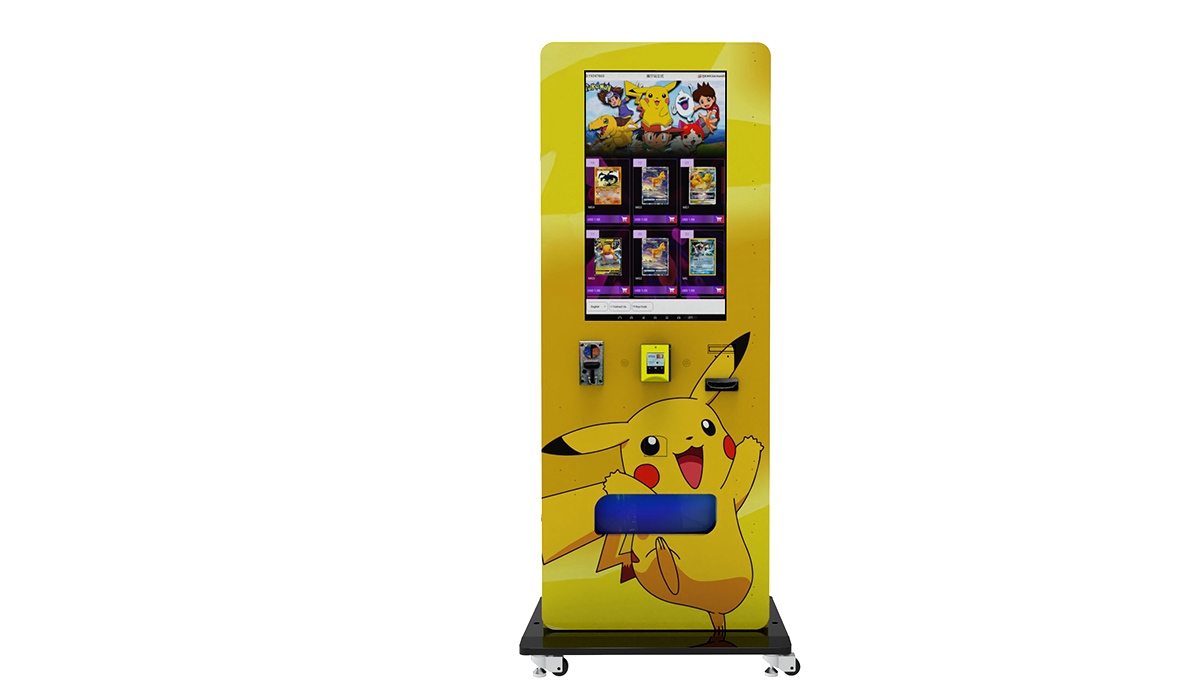
From my experience, a smart machine with inventory tracking is worth the extra cost if you plan to run more than three machines. The time you save on restocking and the ability to see sales data remotely will pay for the difference within a year. If you are only placing one machine in a location you visit daily, a basic machine might work, but you will still miss out on data that helps you optimize your product mix.
How to Choose a Reliable Supplier
This is where many beginners make mistakes. They search for the cheapest machine they can find online and end up with something that breaks down constantly or has no local support. When evaluating suppliers, look for companies that have been in the market for at least five years and offer warranty and spare parts. I have worked with several manufacturers over the years, and one that consistently delivers solid hardware is Zhongda Smart. Their machines come with built-in inventory tracking and telemetry, and they offer customization options for different markets. I am not saying they are the only option, but they are one of the few that balance price with reliability. Always ask for a demo of the software interface before you buy. If the supplier cannot show you how the inventory tracking works in real time, move on.
Location: The Single Most Important Decision
You can have the best vending machine with inventory tracking in the world, but if you put it in a bad location, it will not make money. I have seen machines in empty lobbies that barely did $50 a month. I have also seen machines in small auto repair shops that did $900 a month. The difference is foot traffic and need.
What makes a good location? Look for places where people are captive. That means they cannot easily leave to buy food or drinks. Examples include:
- Warehouses and factories
- Office buildings with no cafeteria
- Hospitals and medical clinics
- Schools and universities
- Gyms and fitness centers
- Laundromats
- Car dealership service waiting areas
Before you approach a location owner, do your homework. Spend 15 minutes there during a busy time. Count how many people walk by. Ask yourself if they look like they would buy a snack or a drink. If the location has fewer than 50 potential customers passing through per day, it is probably not worth your time unless the margins on your products are very high.
Commission and Placement Agreements
Most location owners will ask for a commission. In the US, typical commissions range from 10 to 20 percent of gross sales. In some high-traffic locations like hospitals or universities, the commission can go up to 25 percent. I recommend offering a flat 15 percent to start. If the location owner pushes for more, you can negotiate, but be careful not to give away too much. A machine that pays 25 percent commission needs to do significantly higher volume to be worth it.
Always get a written agreement. It does not need to be a long legal document, but it should specify the commission rate, payment schedule, who handles maintenance, and how either party can terminate the agreement. A handshake deal might work for a few months, but when something goes wrong, you will wish you had it in writing.
Operating Costs You Might Not Have Considered
Beyond the machine and product costs, there are ongoing expenses that catch new operators off guard. Here are a few that I have seen trip people up:
- Payment processing fees: Credit card transactions cost 2 to 5 percent per sale. Cashless payments are essential now, but they come with fees.
- Machine repair: Budget at least $200 to $400 per machine per year for repairs. If you buy cheap equipment, double that.
- Product spoilage: Especially if you sell fresh food or drinks with expiration dates. A vending machine with inventory tracking helps reduce this because you know what is sitting too long.
- Gas and vehicle costs: Driving between locations adds up. Plan your routes efficiently.
- Software subscription: If your machine uses cloud-based inventory tracking, expect a monthly fee.
How to Evaluate if a Machine Is Worth the Investment
Before you buy any machine, run the numbers. Calculate the expected monthly revenue based on the location traffic. Multiply the number of potential customers by an average transaction of $1.50 to $2.50. Then subtract product cost (typically 40 to 50 percent of revenue), commission, and maintenance. If the net monthly profit is less than $100, it is probably not worth it unless you plan to scale and the location has room for growth.
I once placed a machine in a small office with only 30 employees. The revenue was about $200 a month. After product cost and commission, I was left with $80. That machine paid for itself in about three years, which is too slow for my liking. I moved it to a warehouse with 150 workers, and the revenue jumped to $700 a month. Same machine, different location. That is why I always say: evaluate the location before you evaluate the machine.
Common Mistakes Beginners Make
I have made most of these mistakes myself, so I can tell you about them firsthand. The most common one is buying a machine without checking the local payment system requirements. In some European countries, for example, cash payments are declining fast, and if your machine only takes coins, you will lose customers. Make sure your machine supports contactless payments, mobile wallets, and cards.
Another mistake is ignoring the importance of product rotation. Even with a vending machine with inventory tracking, you still need to physically check expiration dates. I have seen operators lose accounts because they left expired products in a machine. Once you lose a location's trust, it is very hard to get it back.
Beginners also tend to overstock. They fill every column with different products thinking variety will drive sales. In reality, 80 percent of your revenue will come from 20 percent of your products. Focus on bestsellers like water, soda, chips, and candy bars. Add variety slowly based on data from your inventory tracking system.
How to Use Sales Data to Improve Performance
If you have a vending machine with inventory tracking, you have access to data that older operators could only dream of. Use it. Look at which products sell fastest and which ones sit for weeks. Remove the slow movers and replace them with alternatives. I have found that changing just three slow-selling items can increase revenue by 10 to 15 percent in a single month.
Also pay attention to time of day. Some machines do most of their sales during lunch hours. If that is the case, make sure you restock in the morning. If your machine is in a 24-hour location, consider adding more drinks and snacks that appeal to night shift workers. The data will tell you what works if you take the time to look.
Maintenance: What You Need to Know
Vending machines break. It is not a matter of if, but when. The most common issues are jammed products, cooling system failures, and payment system errors. If you are not handy with tools, you will need to budget for a repair technician. In the US, a service call can cost $100 to $200 just for the visit, plus parts. That is why I recommend learning basic troubleshooting. Replacing a motor or clearing a jam is not difficult, and it saves you a lot of money.
For more complex issues, especially with electronic components, you may need to contact the manufacturer. If you buy from a supplier like Zhongda Smart, they typically offer technical support and can walk you through diagnostics. Some even offer remote troubleshooting if your machine is connected to the internet. That is a feature worth paying for.
Scaling Your Vending Business
Once you have one machine running smoothly and generating consistent profit, you can start thinking about scaling. The key to scaling is efficiency. With a vending machine with inventory tracking, you can manage more machines without hiring extra help. I know operators who run 50 machines by themselves because they rely on data to plan their routes and restock only when necessary.
When you add a second machine, try to place it near your first one. That way you can service both on the same trip. Clustering your machines reduces travel time and fuel costs. It also makes it easier to respond to problems quickly.
Legal Requirements and Permits
Do not assume you can just put a machine anywhere. Most cities and counties require a business license and a vending machine permit. Some also require health department inspections if you sell perishable food. In the European Union, regulations vary by country, but generally, you need to register your business and comply with local tax laws. According to the European Vending & Coffee Service Association (EVA), the vending industry in Europe serves over 200 million consumers daily, and compliance with food safety regulations is taken seriously. Make sure your machine meets hygiene standards and that you keep records of product sourcing.
In the United States, the FDA requires that all vending machines selling food display calorie information. This applies to machines with 20 or more items. Check with your local health department to make sure you are compliant. Fines for non-compliance can be significant.
FAQ: Vending Machine With Inventory Tracking
How much does a vending machine with inventory tracking cost?
A new machine with built-in inventory tracking typically costs between $4,500 and $8,000. Used machines with older tracking systems can be found for $2,000 to $4,000, but you may face higher maintenance costs.
Is a vending machine business profitable?
Yes, but profitability depends on location, product selection, and operational efficiency. A single machine in a good location can generate $150 to $400 in net profit per month. Scaling to multiple machines increases overall income.
How long does it take to break even?
Most operators break even within 12 to 24 months. If you place a machine in a high-traffic location and keep operating costs low, you can recover your investment in under a year.
Should I buy or lease a vending machine?
Buying is better in the long run if you plan to operate for more than two years. Leasing can be useful if you want to test the business with minimal upfront cost, but you will not build equity in the equipment.
Where should I place my first machine?
Look for locations with high foot traffic and captive audiences. Warehouses, factories, offices, hospitals, and schools are good starting points. Avoid low-traffic areas even if the rent is free.
What permits do I need?
You will need a business license and a vending machine permit. If you sell food, additional health department permits may be required. Check with your local city or county government.
How do I choose a supplier?
Look for suppliers with a track record of reliability, good warranty terms, and responsive customer support. Ask for references and a demo of the inventory tracking software. Zhongda Smart is one example of a manufacturer that offers solid hardware and support.
What happens if the machine breaks?
You can either fix it yourself or call a technician. Basic repairs like clearing jams or replacing motors are easy to learn. For electronic issues, contact the manufacturer. A machine with remote diagnostics can save you time and money.
How often do I need to restock?
With a vending machine with inventory tracking, you only restock when the data tells you to. This can be once a week or once every two weeks depending on sales volume. Without tracking, you will likely need to visit every week to avoid empty slots.
How can I reduce maintenance costs?
Buy a reliable machine from a reputable manufacturer, learn basic repairs, and keep your machines clean. Regular cleaning prevents many common issues like coin jams and sticky buttons.
Starting a vending machine business with inventory tracking is not a get-rich-quick scheme, but it is a solid way to build recurring income if you approach it with realistic expectations. Focus on location, use the data your machine gives you, and keep your operating costs under control. The machines are tools, not magic boxes. If you put in the work to understand your customers and maintain your equipment, you will see results over time.
本文更新于2025年4月。基于个人运营经验与公开行业数据撰写。实际收益可能因地区、点位、品类与运营效率而有所不同。投资前请自行评估风险。