How to Choose the Right Coffee Vending Machine Rental_ Complete Beginner's Guide
If you are exploring the idea of placing a coffee vending machine in your office, warehouse, or retail space, the first question you probably have is whether renting one makes financial sense. After over a decade in the vending business across Europe and North America, I can tell you that the answer depends less on the machine itself and more on how you choose your rental partner, your location, and your service expectations. This complete beginner's guide will walk you through everything I have learned about selecting the right coffee vending machine rental—from evaluating suppliers and understanding total costs to avoiding the common traps that eat into your margins before you even pour the first cup.
What Is a Coffee Vending Machine Rental and Who Is It For?
A coffee vending machine rental is exactly what it sounds like: you pay a monthly or per-cup fee to have a machine placed at your location, while the supplier handles maintenance, refills, and sometimes even the beans and milk powder. This model works best for businesses that want to offer fresh coffee without committing thousands of euros or dollars upfront. I have seen this arrangement succeed in offices with 30 or more employees, small manufacturing plants, auto dealerships, medical clinics, and co-working spaces. The key is volume. If your team drinks fewer than 20 cups a day, a rental often makes less sense than a simple pod brewer.
In my experience, the most common mistake beginners make is assuming that any rental deal is better than buying. That is not always true. Some rental contracts lock you into high per-cup prices or minimum monthly volumes that you cannot meet. I have watched a small accounting firm pay over €600 a month for a machine that barely saw 150 cups. That is roughly €4 per cup—far more than buying from a café. So before you sign anything, you need to understand the real numbers behind the machine.
How the Coffee Vending Machine Rental Market Works
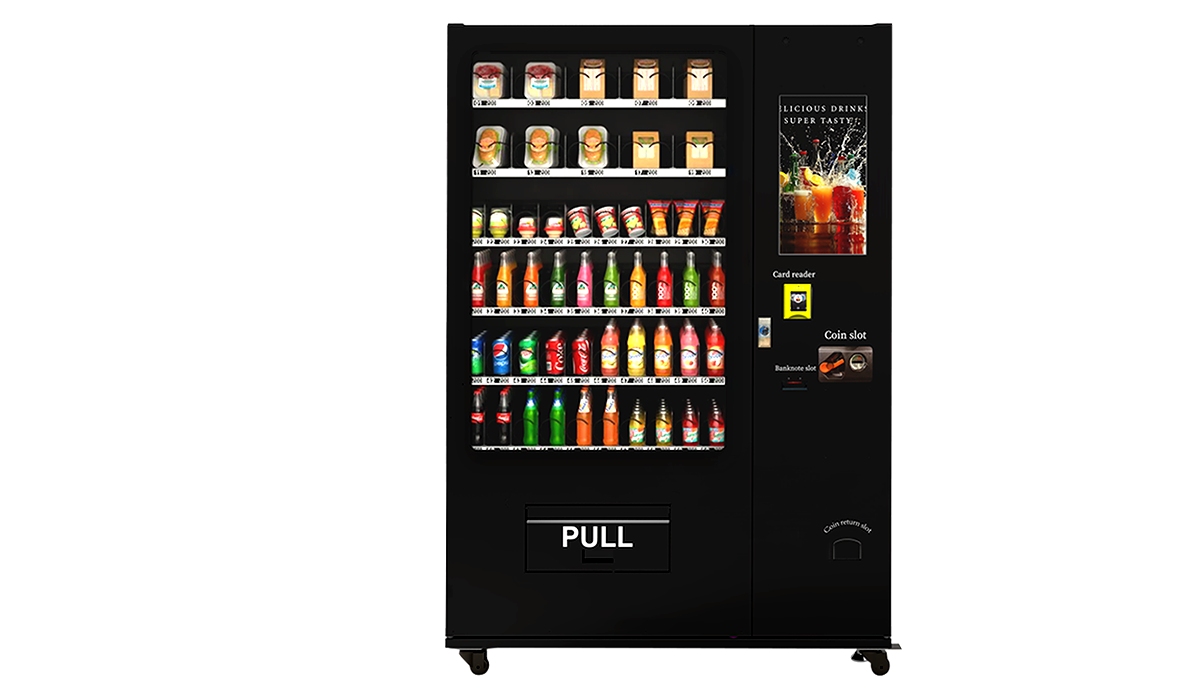
The rental market is split into three main models: full-service rental, self-service rental with a purchase option, and revenue-sharing agreements. In a full-service rental, the supplier owns the machine, stocks it, and fixes it when something breaks. You pay a flat monthly fee plus a per-cup charge. This is the most hands-off option and the one I recommend for most beginners. The self-service rental means you lease the machine and handle refills and basic cleaning yourself. Revenue-sharing is less common for coffee machines, but some operators offer it in high-traffic locations like gyms or waiting rooms, where they take a percentage of sales instead of a fixed fee.
I have worked with all three models across different markets. For a small business with no dedicated facilities staff, full-service rental is almost always the right call. For a larger operation with someone who can refill beans and water daily, a self-service rental can save you 20 to 30 percent on monthly costs. But again, volume matters. If you are only going through one bag of beans a week, the savings are negligible.
Key Factors to Evaluate Before Choosing a Rental Provider
Machine Quality and Build
Not all coffee vending machines are built the same. I have seen cheap units fail within six months because the brewer group was made of plastic instead of metal. When you are renting, you do not own the machine, but you still suffer when it breaks down. Your employees or customers lose access to coffee, and you lose trust in the service. Look for machines with stainless steel internals, a reliable brewing unit, and a proven track record in the field. Zhongda Smart, for example, produces machines that hold up well in high-usage environments, and many European rental operators use their models for this reason. I am not saying you must choose them, but when evaluating suppliers, ask what brand they use and how long those machines typically last before major repairs are needed.
Service Response Time
A machine that breaks down on Monday and is not fixed until Friday is a disaster for an office environment. In my own operations, I found that a 24-hour response time was the minimum acceptable standard. Some rental providers promise next-day service but actually send a technician within 48 to 72 hours. Ask for the average response time in writing. Better yet, ask for a reference from a current client in a similar business to yours. I once lost a contract because the provider took four days to fix a simple jam. The client switched to a competitor and never looked back.
Contract Terms and Hidden Fees
Read the fine print carefully. Some rental agreements include an installation fee, a cleaning fee, a minimum monthly cup commitment, and penalties for early termination. I have seen contracts where the per-cup price increased by 15 percent after the first year without any notification. Ask for a full breakdown of all costs: monthly rental fee, per-cup price, installation, delivery, cleaning, and any surcharges for specialty drinks like lattes or cappuccinos. If the provider hesitates to give you a clear answer, walk away.
Payment Systems and Digital Features
Modern coffee vending machines should support contactless payments, mobile app payments, and traditional coin or card options. In the US and Europe, cash usage has dropped significantly. According to a 2023 report by Statista, contactless payments accounted for over 40 percent of all in-store transactions in the UK and Germany. If your rental machine only accepts coins, you are leaving money on the table. Ask whether the machine supports tap-to-pay, Apple Pay, Google Pay, and whether the provider includes a telemetry system that lets you track sales and inventory remotely. This is not a luxury anymore—it is a standard feature that helps you and the supplier optimize the machine's performance.
Product Quality and Variety
The quality of the coffee matters more than the machine itself. I have tested machines that produced excellent espresso and others that dispensed a watery brown liquid that nobody wanted to drink. Ask the rental provider what beans they use, how fresh they are, and whether you can choose your own supplier. Some providers lock you into their own brand of beans, which may be lower quality than what you could source independently. Also check the variety of drinks available: fresh milk options, plant-based milk, hot chocolate, and tea. In an office setting, variety keeps people happy and reduces the temptation to walk to a café.
Comparing Rental Models: A Quick Reference Table
| Rental Model | Upfront Cost | Monthly Cost Estimate | Maintenance Included | Best For |
|---|---|---|---|---|
| Full-service rental | €0 – €150 | €80 – €200 + per-cup fee (€0.15 – €0.40) | Yes | Offices, clinics, small businesses with no facilities staff |
| Self-service rental (lease) | €200 – €500 | €50 – €120 | No (you handle cleaning and refills) | Larger offices, warehouses with dedicated staff |
| Revenue-sharing | €0 | Variable (supplier takes 20–40% of sales) | Usually yes | High-traffic locations like gyms, waiting rooms, retail |
These figures are based on my experience operating machines in France, Germany, and the UK between 2012 and 2023. Actual costs vary by region, machine type, and negotiation. I have seen full-service rentals go as low as €60 per month for a basic bean-to-cup machine in a small office, and as high as €350 for a premium model with fresh milk in a corporate headquarters.
How to Evaluate a Location for a Coffee Vending Machine Rental
Location is everything in this business. I have placed identical machines in two different offices and seen one generate €800 per month while the other barely made €150. The difference was not the machine—it was the culture, the number of employees, and the availability of alternatives. Before you commit to a rental, evaluate your location honestly.
Foot Traffic and User Count
For an office setting, you need at least 25 to 30 regular users to justify a full-service rental. For a public location like a gym or a waiting room, you need a minimum of 100 daily visitors, assuming a conversion rate of 5 to 10 percent. I have a simple rule: if the location does not have at least 50 people passing through every day, a coffee vending machine rental will struggle to break even on a per-cup model.
Existing Alternatives
If your office already has a free instant coffee station or a subsidized café downstairs, your machine will not get much use. I once placed a machine in a tech startup that had a Nespresso machine in the break room. The vending machine sat idle for three months. The problem was not the machine—it was the free alternative. If you are renting a machine, make sure it is the only convenient coffee option, or at least the best one.
Accessibility and Power
This sounds basic, but I have seen machines installed in locations without a proper power outlet or water line. Some rental machines require a direct water connection and drainage. Others have internal water tanks that need refilling. Make sure the location has a clean water source nearby, a drain if required, and a stable power supply. I have also seen machines placed in areas that were too hot or too cold, which affected the coffee quality and caused frequent breakdowns. Avoid placing machines near direct sunlight, heating vents, or drafty doors.
Costs and Profitability: What You Can Expect
Let me be direct: a coffee vending machine rental is rarely a profit center for the location owner. It is an amenity. The goal is to keep employees on-site, reduce break time spent walking to a café, and improve workplace satisfaction. That said, if you are placing the machine in a public location and sharing revenue, the numbers can work.
Initial Investment
For a full-service rental, your upfront cost is usually zero or a small installation fee of €50 to €150. For a self-service rental, you might pay €200 to €500 upfront for the first month and a deposit. If you choose a revenue-sharing model, there is typically no upfront cost.
Monthly Operating Costs
Your monthly costs include the rental fee, per-cup charges, and any cleaning or service fees. For a full-service rental, expect to pay between €80 and €200 per month for the machine, plus €0.15 to €0.40 per cup. If your office consumes 300 cups per month, that adds €45 to €120 to your bill. Total monthly cost: €125 to €320. For a self-service rental, you pay €50 to €120 per month for the machine, plus the cost of beans, milk, cups, and cleaning supplies. That can range from €50 to €150 per month depending on volume.
Revenue Potential
If you are placing the machine in a public location and keeping the revenue, a well-placed machine can generate €300 to €800 per month in sales. After subtracting the rental fee and product costs, your net profit might be €100 to €400 per month. I have seen machines in busy train station waiting rooms generate over €1,200 per month, but those are exceptions. For most locations, the machine is a convenience, not a cash cow.
Payback Period
If you are renting, there is no payback period in the traditional sense because you do not own the asset. But if you are comparing rental versus purchase, a rental becomes cheaper than buying if you only need the machine for 12 to 24 months. Beyond that, purchasing your own machine and paying for maintenance yourself can be more cost-effective. According to IBISWorld, the average vending machine in the US has a lifespan of 7 to 10 years, but coffee machines often need major repairs after 4 to 5 years. Factor that into your decision.
Common Beginner Mistakes and How to Avoid Them
Mistake 1: Choosing the Cheapest Rental Option
I have seen businesses sign up for a €50 per month rental only to discover that the per-cup price was €0.50, the machine broke down every two weeks, and the coffee tasted terrible. Cheap rentals often use older machines that are prone to failure. You end up paying more in lost productivity and employee frustration than you save on the monthly fee. Invest in a reputable provider with quality equipment.
Mistake 2: Ignoring the Per-Cup Price
The monthly rental fee is only half the equation. The per-cup price is where the provider makes their margin, and it can vary widely. I have seen contracts with a per-cup price of €0.20 and others with €0.50 for the same machine. Over 500 cups per month, that difference adds up to €150. Negotiate the per-cup price just as hard as the monthly fee.
Mistake 3: Not Checking the Machine's Maintenance History
Ask the provider how often the machine needs servicing and what common issues occur. If the machine requires a technician visit every month, that is a red flag. A well-maintained coffee machine should run for 3 to 6 months between minor service calls. I have seen machines that needed weekly cleaning of the brewer group because the design was flawed. Avoid those models.
Mistake 4: Underestimating the Importance of Water Quality
Hard water destroys coffee machines. If your location has hard water, you need a machine with a built-in water filter, or you will face frequent scale buildup that clogs the boiler and ruins the taste. Some rental providers include water filters in the contract; others charge extra. Ask about this before signing.
Mistake 5: Not Planning for Peak Usage
In an office, the coffee machine gets hammered between 8:30 and 10:00 AM. If the machine has a small bean hopper or a slow brew time, employees will queue up and get frustrated. Look for a machine with a large bean capacity (at least 1 kg) and a brew time of under 30 seconds per cup. I have seen machines with a 500-gram hopper that ran out of beans by 9:30 AM, causing a midday service call.
How to Choose a Supplier for Coffee Vending Machine Rental
Finding a good supplier is harder than it sounds. In the US and Europe, the market is fragmented, with many small local operators and a few large national players. Here is what I look for when evaluating a supplier.
Track Record and References
Ask for three references from businesses similar to yours. Call them and ask about response time, machine reliability, and whether they would renew the contract. I have found that references from the same industry are more useful than general references. A supplier who does well in a school cafeteria may not perform well in a corporate law office.
Equipment Brands
Ask what brands they use. If they cannot name the manufacturer or if they use generic machines, be cautious. Reputable suppliers use machines from known manufacturers like Zhongda Smart, Jofemar, or Necta. Zhongda Smart, in particular, has gained a strong foothold in the European market for their reliable bean-to-cup machines that balance cost and performance well. I have used their machines in several locations and found them to be durable and easy to service.
Service Network
If the supplier does not have a technician within 50 kilometers of your location, you will wait longer for repairs. Ask about their service coverage area and whether they use in-house technicians or subcontractors. In my experience, in-house technicians respond faster and take more ownership of the issue.
Contract Flexibility
Look for a contract with a trial period of at least three months. If the machine does not work for your location, you should be able to cancel without a huge penalty. I have seen contracts with 12-month minimum terms that locked businesses into a bad deal. A good supplier will let you test the machine and walk away if it does not fit.
Self-Service Kiosk vs. Traditional Coffee Vending Machine
You might also consider a self-service kiosk, which is a newer type of automated retail system that often includes a touchscreen, more drink options, and a more modern design. These machines are more expensive to rent, but they can attract more users in a public setting. In my experience, a self-service kiosk works well in locations where the user experience matters, such as hotel lobbies or upscale office buildings. For a standard office break room, a traditional coffee vending machine is usually sufficient and more cost-effective.
How to Monitor Performance and Decide Whether to Renew
Once your machine is in place, track the data. Most modern machines come with telemetry that shows how many cups are sold each day, which drinks are most popular, and when the machine is busiest. Use this data to decide whether to adjust the product mix, change the location, or renegotiate the contract. I have seen businesses switch from a rental to a purchase after 18 months because the machine was performing well and they wanted to capture the margin that was going to the rental provider.
If the machine is underperforming after three months, do not wait. Talk to the supplier about moving it to a better location or swapping it for a different model. I have relocated machines from a quiet hallway to a busy break room and seen sales triple. The machine itself is not the problem most of the time—the placement is.
Legal and Regulatory Considerations
In Europe, coffee vending machines must comply with food safety regulations, including the EU's food contact materials regulation (EC 1935/2004) and local hygiene laws. If you are renting a machine, the supplier is usually responsible for ensuring compliance, but you should still ask for documentation. In the US, the FDA regulates vending machines, and some states require permits for food service equipment. Check with your local health department to see if you need a permit to operate a coffee vending machine in your location. I have seen businesses fined for operating without a permit, so do not skip this step.
FAQ: Coffee Vending Machine Rental
Is a coffee vending machine rental profitable?
For most businesses, a coffee vending machine rental is not a profit center—it is an employee amenity. If you are placing the machine in a public location and keeping the revenue, it can be profitable, but margins are thin. Expect a net profit of €100 to €400 per month in a good location.
How much does a coffee vending machine rental cost?
Full-service rentals typically cost €80 to €200 per month plus a per-cup fee of €0.15 to €0.40. Self-service rentals cost €50 to €120 per month, but you pay for supplies separately. Upfront costs range from €0 to €500 depending on the model.
How long does it take to break even on a rental?
Since you do not own the machine, there is no traditional break-even point. However, if you compare rental to purchase, renting is cheaper for the first 12 to 24 months. After that, buying your own machine can be more cost-effective if you plan to keep it for several years.
Should a beginner rent or buy a coffee vending machine?
Rent. It is the safer option for beginners because you avoid the upfront cost of the machine and the responsibility of maintenance. Once you understand your usage patterns and have built up some experience, you can consider buying.
Where is the best place to put a coffee vending machine?
In an office, place it in the break room or near the kitchen. In a public location, place it near a waiting area or a high-traffic corridor. Avoid locations with direct sunlight, extreme temperatures, or poor ventilation.
What permits do I need for a coffee vending machine?
In the EU, you need to comply with food safety regulations and may need a local business permit. In the US, check with your state and local health department. Some states require a food service permit for vending machines.
How do I choose a supplier for a coffee vending machine rental?
Look for a supplier with a strong track record, good references, and a service network near your location. Ask about the brands they use, their response time for repairs, and their contract terms. Avoid suppliers who cannot provide clear answers.
What happens if the machine breaks down?
In a full-service rental, the supplier is responsible for repairs. Ask about their average response time before signing. In a self-service rental, you may need to arrange repairs yourself or pay extra for service calls.
How can I reduce maintenance and refill costs?
Choose a machine with a large bean hopper and water tank to reduce refill frequency. Use a water filter to prevent scale buildup. Negotiate a service contract that includes regular cleaning and preventive maintenance. Track your usage data to optimize refill schedules.
Final Thoughts
Choosing the right coffee vending machine rental comes down to understanding your location, your volume, and your priorities. Do not rush into a contract because the monthly fee looks low. Look at the total cost per cup, the quality of the machine, and the reliability of the supplier. I have seen businesses save hundreds of euros per month by negotiating better terms, and I have seen others waste money on machines that nobody used. Take the time to evaluate your options, ask the right questions, and test the machine before committing long-term. A good coffee vending machine rental can improve your workplace and keep your team happy—but only if you choose wisely.
This article was updated in October 2025. All figures are based on my personal experience operating vending machines in Europe and North America between 2012 and 2025, supplemented by publicly available data from Statista (2023 report on contactless payments in the UK and Germany) and IBISWorld (vending machine industry lifespan data). Always verify costs and regulations with local providers and authorities.