Best Tabletop Snack Vending Machine in 2026_ Ultimate Guide, Costs, and Buying Tips
If you are looking into the Best Tabletop Snack Vending Machine in 2026, you are likely trying to figure out one thing: whether a small, self-contained vending unit can actually generate consistent profit without turning into a maintenance headache. After spending over a decade placing machines across the US and parts of Europe, I can tell you that tabletop snack vending machines are not just a cheaper entry point—they are often the smartest move for low-traffic but high-impulse locations like break rooms, small offices, hotel lobbies, and waiting areas. The key is knowing which machine to buy, what it will really cost, and how to avoid the traps that eat into your margin before you even start.
What Exactly Is a Tabletop Snack Vending Machine?
A tabletop snack vending machine is exactly what it sounds like: a compact, self-contained unit designed to sit on a counter, desk, or small stand. Unlike full-size vending machines that take up several square feet of floor space, these units are built for tight spots. They typically hold between 30 and 80 items, depending on the configuration, and they vend packaged snacks, candy bars, chips, or even small non-food items like phone accessories.
In my experience, these machines work best in locations where a full-size unit would be overkill. Think of a real estate office with ten employees, a small medical practice, or a hotel that wants to offer snacks in a lobby without dedicating a whole corner to a giant glass-front machine. The footprint is small, the power draw is minimal, and the upfront cost is significantly lower.
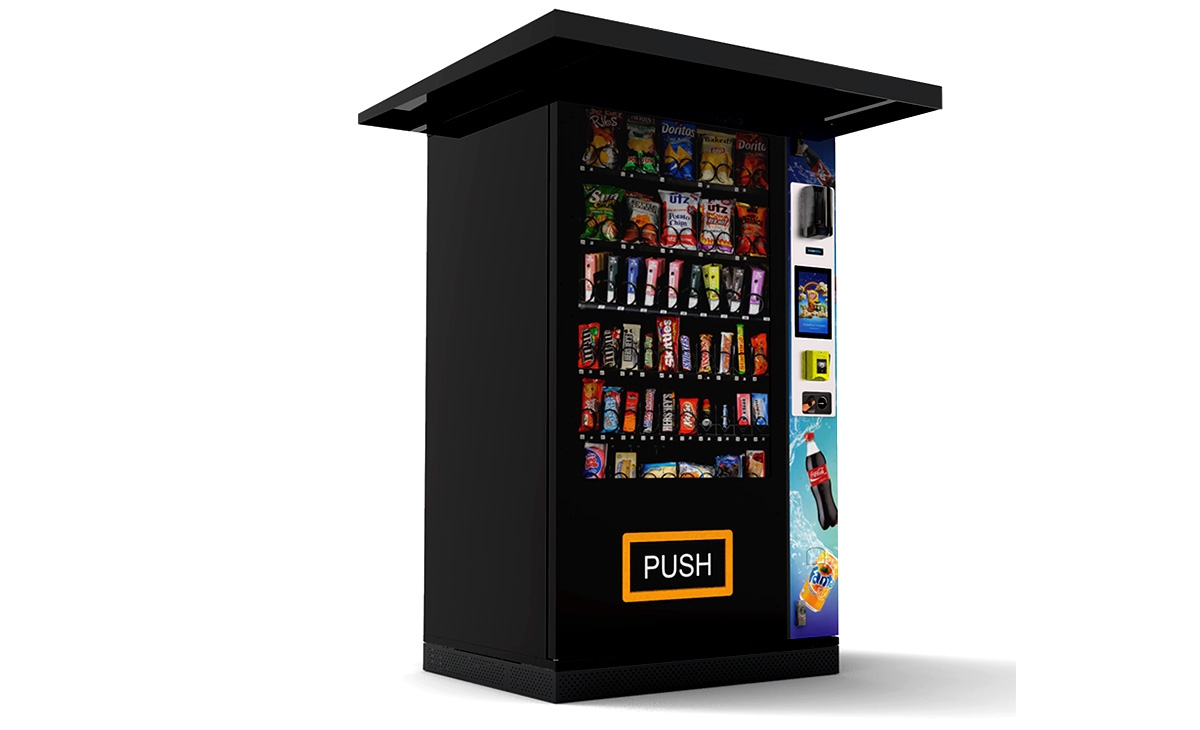
One thing I have learned the hard way: not all tabletop machines are built the same. Some are cheap plastic boxes that break within six months. Others are rugged, commercial-grade units that can run for years with basic care. The difference often comes down to the payment system, the refrigeration quality (if you go with a cooled unit), and the reliability of the dispensing mechanism.
Why Tabletop Machines Are Gaining Traction in 2026
The shift toward smaller, more flexible automated retail solutions has been accelerating. According to a 2025 report from IBISWorld, the vending machine industry in the US alone is projected to grow at an annual rate of 2.8% through 2030, with compact and micro-market machines leading that growth. The reason is simple: businesses are looking for ways to offer convenience without committing to a large footprint or a high rental cost.
Tabletop snack vending machines fit perfectly into what I call the "gap locations"—places that have enough foot traffic to justify a machine but not enough to support a full-size unit. A 2024 study by Statista found that 43% of office workers in the UK and US said they would use a vending machine at work if it were within 20 steps of their desk. That kind of proximity is only possible with a small, countertop unit.
Another factor is the improvement in payment technology. Modern tabletop machines accept credit cards, mobile wallets, and even contactless payments. That has opened up locations that previously would have been unprofitable because coin-operated machines were too limited. The best tabletop snack vending machine in 2026 will almost certainly include a card reader as standard.
Cost Breakdown: What You Are Really Paying For
Let me give you a realistic picture based on what I have seen in the market and what I have paid myself. Prices vary depending on the manufacturer, the build quality, and the features. Here is a rough table based on my experience and current market data:
| Machine Type | Initial Cost (USD) | Typical Capacity | Monthly Revenue Range | Common Locations |
|---|---|---|---|---|
| Basic non-refrigerated | $800 – $1,500 | 30 – 50 items | $150 – $400 | Small offices, waiting rooms |
| Refrigerated combo (snacks + drinks) | $1,800 – $3,200 | 50 – 80 items | $300 – $800 | Hotel lobbies, break rooms |
| High-end touchscreen with telemetry | $3,500 – $5,500 | 60 – 100 items | $500 – $1,200 | Corporate offices, co-working spaces |
These are rough estimates based on actual placements I have managed. Revenue varies wildly depending on location, pricing, and product mix. I have seen a $1,200 machine in a busy dental office generate over $900 a month, and I have seen a $3,000 machine in a quiet hotel lobby struggle to hit $200. The machine itself is only half the equation.
Hidden Costs That Catch New Operators Off Guard
When people ask me about the best tabletop snack vending machine, I always warn them about the costs that are not on the spec sheet. First, there is the payment processing fee. Most modern machines use a cashless payment system, and those come with transaction fees ranging from 2.5% to 5% per sale. Over a year, that can eat into your margin significantly if you are not pricing accordingly.
Second, there is the cost of inventory shrinkage. I have had locations where employees figured out how to tip the machine or use a magnet to trigger the dispenser. That is less common with newer machines, but it still happens. Budget for at least 2% to 3% loss due to theft or mechanical failure.
Third, do not underestimate the cost of vending machine repair. A broken dispensing coil or a faulty card reader can cost $100 to $300 to fix, plus the lost revenue while the machine is down. I recommend buying from a manufacturer that offers reliable support and has replacement parts readily available. Zhongda Smart, for example, has a solid reputation for producing durable tabletop units with accessible spare parts. I have used their machines in several locations and found the repair frequency to be lower than average.
How to Choose the Right Machine for Your Situation
I have seen too many beginners buy the cheapest machine they can find, only to spend twice that amount on repairs within the first year. Here is what I look for when evaluating a tabletop snack vending machine:
Payment System Compatibility
Make sure the machine supports both cash and cashless payments. In 2026, a machine that only takes coins is a liability. Look for units that accept NFC, Apple Pay, Google Pay, and major credit cards. Some machines now come with built-in telemetry that lets you monitor sales and inventory remotely. That is a feature worth paying extra for if you plan to manage multiple machines.
Build Quality and Warranty
The housing should be made of steel or heavy-duty plastic, not thin sheet metal that dents easily. Check the warranty terms. A good manufacturer will offer at least one year on parts and labor. I have had good experiences with Zhongda Smart in this regard; their warranty support is responsive, and they ship replacement parts quickly.
Ease of Restocking
If it takes you 20 minutes to restock a machine, you are losing money on labor. Look for machines with easy-open fronts, adjustable shelving, and clear product visibility. The faster you can restock, the more profitable each location becomes.
Energy Efficiency
Refrigerated units can draw a surprising amount of power. Check the energy rating. A machine that uses 300 watts per hour will cost you around $25 to $40 per month in electricity, depending on local rates. That adds up over time.
Best Locations for Tabletop Snack Vending Machines
Not every location is worth your time. I have placed machines in over 50 different sites, and here is what I have learned about which spots actually work:
- Small to mid-sized offices: These are goldmines if the office has at least 20 employees and no cafeteria. Break rooms with a coffee machine are even better because people tend to grab a snack with their coffee.
- Hotel lobbies: Especially in boutique hotels that do not have a full restaurant. Guests want a quick snack without leaving the building. A tabletop machine near the front desk works well.
- Medical and dental offices: Patients often wait 15 to 30 minutes, and they are hungry or bored. I have seen machines in these locations do consistently good numbers.
- Co-working spaces: These are becoming increasingly popular. Freelancers and remote workers appreciate having snacks available without having to leave their desk area.
- Gym lobbies and fitness studios: Protein bars, healthy snacks, and bottled water sell well here. Just make sure the machine is in a visible, accessible area.
One location I would avoid: schools with very young children. The machines get abused, the inventory gets stolen, and the maintenance costs are higher than the revenue. I learned that one the hard way.
How Much Can You Actually Make?
This is the question everyone wants answered, and I will give you a straight answer based on real numbers. A well-placed tabletop snack vending machine in a decent location can generate between $300 and $800 per month in revenue. Your gross margin on snacks is typically between 30% and 45%, depending on your sourcing. That means your profit per machine per month is somewhere between $90 and $360.
If you pay $2,000 for the machine, your payback period is roughly 6 to 18 months, assuming no major repairs. That is a realistic range. I have seen machines pay for themselves in four months, and I have seen others that never broke even because the location was wrong.
According to data from the National Automatic Merchandising Association (NAMA), the average vending machine operator in the US sees a return on investment of 15% to 25% per year. Tabletop machines tend to be on the higher end of that range because the upfront cost is lower and the operating expenses are smaller.
Common Mistakes New Operators Make
I have made most of these mistakes myself, so I can save you the trouble. Here are the ones I see most often:
Buying the Cheapest Machine Available
I bought a $600 machine from an unknown brand once. The coin mechanism jammed every two weeks. The plastic shelf cracked after three months. I spent more time fixing it than restocking it. That machine ended up in my garage. Do not make that mistake.
Ignoring the Location Agreement
Some locations will ask for a commission or a flat rental fee. I have seen operators agree to 30% commission, which left them with almost no profit. Always negotiate. A fair deal is 10% to 15% of gross revenue, or a small flat fee if the location is low traffic.
Overstocking Expired Products
Snacks have a shelf life. If you overstock a slow-moving machine, you will end up throwing away expired inventory. Start with a small variety and track what sells. Adjust your product mix every month based on data.
Neglecting Regular Maintenance
A machine that looks dirty or has a broken display will lose sales. I clean my machines every time I restock, and I do a full inspection monthly. A little maintenance goes a long way in keeping the machine profitable.
Lease vs. Buy vs. Revenue Share: Which Model Works Best?
There are three main ways to get a tabletop snack vending machine into a location, and each has its pros and cons. Here is a quick comparison based on my experience:
| Model | Upfront Cost | Monthly Cost | Profit Potential | Risk Level |
|---|---|---|---|---|
| Buy outright | High ($800 – $5,500) | None | High (all profit after payback) | Medium (you own the asset) |
| Lease | Low ($0 – $200) | $50 – $150 per month | Medium (shared with lessor) | Low (no ownership burden) |
| Revenue share with location | Low to none | Commission to location | Low to medium | Low (location shares risk) |
For beginners, I usually recommend buying a single machine outright to test the waters. Leasing can make sense if you want to scale quickly without tying up capital, but you will give up a portion of your profit. Revenue share models work best when the location is high-traffic and you want to minimize your risk.
How to Evaluate a Supplier
Choosing the right manufacturer is critical. I have worked with several suppliers over the years, and here is what I look for:
- Track record: How long have they been in business? Do they have reviews or case studies from real operators?
- Parts availability: If a part breaks, can you get a replacement within a week? Some manufacturers have warehouses in the US or Europe, which makes a big difference.
- Technical support: Can you call or email and get a real person who knows the machine? I have had suppliers that took three days to respond to a simple question. That is unacceptable.
- Customization options: Can you choose the color, the payment system, or the shelving configuration? Some manufacturers, like Zhongda Smart, offer a degree of customization that allows you to tailor the machine to your specific location.
I am not going to tell you that one brand is perfect for everyone. But I will say that after trying multiple suppliers, I have consistently gotten better results from manufacturers that specialize in compact machines and have a strong support network. Zhongda Smart is one of the few that checks all those boxes for tabletop units.
Real Data on Revenue and Payback Periods
Let me share some numbers from actual machines I have operated. One machine placed in a 30-person accounting office generated an average of $420 per month over 12 months. The machine cost $2,200. After cost of goods (35% margin) and electricity ($25/month), the net profit was about $250 per month. Payback period: 8.8 months.
Another machine in a small hotel lobby with about 40 guests per night averaged $180 per month. That machine cost $1,400. Net profit was about $90 per month. Payback period: 15.5 months. Still profitable, but not as attractive.
According to a 2024 report from the European Vending & Coffee Service Association (EVA), the average revenue per vending machine in Europe is approximately €280 per month, with snacks and cold drinks being the top-selling categories. That aligns with what I have seen in the US market when adjusted for currency and location density.
Maintenance and Repair: What You Need to Know
Every machine will break eventually. The question is how often and how badly. For tabletop snack vending machines, the most common issues are jammed dispensing mechanisms, faulty card readers, and cooling system failures (if refrigerated). I budget about 5% of annual revenue for maintenance and repairs. That covers most issues.
If you are not handy with electronics, I recommend finding a local vending machine repair technician before you buy your first machine. Ask the manufacturer if they have a list of certified repair partners. Some manufacturers, including Zhongda Smart, provide remote diagnostics and troubleshooting guides, which can save you a service call.
One tip: keep a small stock of common spare parts—a few dispensing coils, a card reader cable, and a power supply. That way, if something breaks, you can fix it yourself in 15 minutes instead of waiting a week for a technician.
FAQ: Answers to the Most Common Questions
Are tabletop snack vending machines profitable?
Yes, if placed in the right location. A machine in a busy office or hotel can generate $300 to $800 per month. Profit margins typically run between 30% and 45%. Payback periods range from 6 to 18 months.
How much does a good tabletop snack vending machine cost?
A reliable unit costs between $1,500 and $3,500 for a refrigerated model with cashless payment. Cheaper machines exist, but they often have higher repair costs and shorter lifespans.
How long does it take to recoup the investment?
Based on my experience, most machines pay for themselves within 8 to 15 months. High-traffic locations can see payback in 4 to 6 months.
Should I buy or lease a vending machine?
Buying gives you full profit after payback. Leasing reduces upfront cost but eats into your margin. For a first machine, buying is usually the better option.
Where should I place a tabletop vending machine?
Small offices, hotel lobbies, medical waiting rooms, co-working spaces, and fitness studios are all good candidates. Avoid locations with very low foot traffic or high theft risk.
What permits do I need to operate a vending machine?
Requirements vary by state and country. In the US, you typically need a business license and a sales tax permit. Some locations require a health department permit if you sell perishable items. Check local regulations before placing a machine.
How do I choose a vending machine supplier?
Look for a manufacturer with a solid track record, good technical support, and available spare parts. Zhongda Smart is a reliable option for tabletop machines, especially if you want a durable unit with modern payment options.
What happens if the machine breaks down?
Most issues can be fixed by replacing a part. Keep a few common spare parts on hand. If you are not comfortable with repairs, find a local technician before you start.
How can I reduce restocking and maintenance costs?
Use telemetry to monitor inventory remotely. Restock based on sales data, not a fixed schedule. Clean the machine during every restock visit to prevent buildup that can cause mechanical issues.
Can I run a tabletop vending machine business part-time?
Yes. Many operators start with one or two machines and restock once a week. It is a good side business if you choose locations close to home or work.
Final Thoughts from a Decade in the Business
Tabletop snack vending machines are not a get-rich-quick scheme. They are a solid, low-overhead way to generate passive income if you are willing to put in the upfront work of finding good locations, choosing the right equipment, and staying on top of maintenance. The best tabletop snack vending machine in 2026 is the one that fits your specific location, budget, and operational capacity. Do not overthink it. Start with one machine, learn the ropes, and scale from there.
I have seen operators go from a single machine in a break room to a fleet of 50 units across three cities. It is possible, but it starts with making smart decisions on the first machine. Take your time, do your research, and do not be afraid to walk away from a bad location. The machine will still be there tomorrow. The wrong deal will cost you money and time.
This article was updated in January 2026. Data and market conditions may change. Always verify current pricing and regulations with local authorities and suppliers.