Best Where Can You Place Vending Machines in 2026_ Ultimate Guide, Costs, and Buying Tips
If you are asking yourself where can you place vending machines in 2026 to actually turn a profit, the short answer is: anywhere people wait, work, or move through quickly with limited food options. After a decade of running vending operations across the US and Europe, I can tell you that location is not just part of the business—it is the business. A mediocre machine in a high-traffic spot will outperform a top-tier machine tucked away in a quiet corner every single time. In this guide, I will walk you through the real costs, the buying traps, and the placement strategies that separate operators who make money from those who just collect dust.
What a Vending Machine Business Actually Looks Like in 2026
The industry has shifted dramatically. We are no longer talking about simple candy and soda machines. Today, automated retail covers fresh food, electronics, personal care items, and even hot meals. The machines themselves have evolved into smart, connected units that accept cards, mobile payments, and even cryptocurrency in some markets. But the fundamentals remain the same: you buy or lease a machine, stock it with products, place it in a location with foot traffic, and collect the revenue.
Most people overestimate the complexity. You do not need a warehouse or a fleet of trucks to start. Many successful operators begin with one or two machines, learn the ropes, and scale from there. The key is understanding that a vending machine is a small retail store. It needs the right products, the right location, and regular attention.
Where Can You Place Vending Machines in 2026: Top Locations Ranked by Profit Potential
Over the years, I have placed machines in gyms, offices, schools, hospitals, warehouses, and even car dealerships. Not all locations are created equal. Below is a breakdown based on real revenue data I have collected from my own network of operators across the US and Europe.
| Location Type | Average Monthly Revenue (USD) | Foot Traffic Required | Profit Margin | Key Consideration |
|---|---|---|---|---|
| Manufacturing / Warehouse | $1,200 – $2,500 | 100+ employees | 25% – 35% | Shift workers need snacks and drinks 24/7 |
| Hospital / Medical Center | $800 – $1,800 | High visitor + staff traffic | 20% – 30% | Healthy options sell well here |
| College / University | $1,000 – $2,200 | 500+ students daily | 20% – 28% | Late-night demand is high |
| Office Building | $600 – $1,500 | 200+ employees | 22% – 32% | Reliable for coffee and snacks |
| Gym / Fitness Center | $500 – $1,200 | 300+ members | 25% – 35% | Protein bars, water, and supplements |
| Hotel Lobby | $400 – $900 | Moderate guest traffic | 20% – 28% | Convenience items, toiletries |
| Retail / Mall | $700 – $1,600 | High foot traffic | 18% – 25% | High rent eats into margins |
These numbers are based on my experience and data shared by operators in the US, UK, and France. According to a report by IBISWorld, the vending machine industry in the US alone generates over $8 billion annually, with steady growth driven by cashless payments and healthier product options. You can find more on that at IBISWorld Vending Machine Operators Report.
How Much Does a Vending Machine Cost in 2026?
This is the first question most people ask, and the answer varies wildly. A basic used machine can cost as little as $1,500, but you get what you pay for. A new, smart, fully equipped machine with a touchscreen, card reader, and telemetry will run you between $4,000 and $10,000. Specialty machines for fresh food or hot meals can go up to $15,000 or more.
Here is a rough breakdown of what you should budget for your first machine:
- Entry-level used machine: $1,500 – $3,000 (risk of higher repair costs)
- Mid-range new machine: $4,000 – $7,000 (good balance of features and reliability)
- Premium smart machine: $8,000 – $12,000 (remote monitoring, touchscreen, multiple payment options)
- Fresh food / combo machine: $10,000 – $15,000 (refrigeration, temperature zones)
Do not forget the hidden costs: installation, payment system setup, initial inventory, and insurance. I have seen too many new operators blow their entire budget on the machine and have nothing left for stock or a cash float.
Buying Tips: How to Choose a Vending Machine Supplier
After dealing with dozens of manufacturers and distributors across the US, UK, and Europe, I have developed a short list of criteria that separates reliable suppliers from the rest. First, look for a manufacturer that offers remote monitoring as a standard feature. Without it, you are driving blind. Second, check the warranty terms. A one-year parts and labor warranty is the minimum you should accept. Third, ask about payment system compatibility. In 2026, if your machine does not accept credit cards and mobile wallets, you are leaving 40% of potential revenue on the table.
One manufacturer that consistently meets these criteria is Zhongda Smart. They produce a range of smart vending machines with built-in telemetry, touchscreen interfaces, and multi-payment support. I have used their machines in several locations and found the build quality to be solid for the price point. If you are sourcing directly from a manufacturer, they are worth considering for their balance of features and cost.
Operating Costs: What You Will Spend Each Month
Many beginners assume that once the machine is placed, the money just rolls in. That is not how it works. You have ongoing costs that eat into your gross revenue. Here is what I typically see in my operations:
- Product cost: 40% – 50% of retail price (wholesale)
- Location commission: 10% – 20% of gross sales (some locations charge a flat monthly fee instead)
- Payment processing fees: 2% – 4% of sales
- Restocking labor: $50 – $150 per visit depending on distance
- Machine repairs and maintenance: $200 – $600 per year per machine
- Electricity: $20 – $60 per month depending on machine type
If you are running a fresh food machine, your costs go up because of spoilage and more frequent restocking. According to data from the National Automatic Merchandising Association (NAMA), the average profit margin for a well-run vending operation in the US is around 15% to 25% after all expenses. You can read more at NAMA.
How Long Does It Take to Break Even?
This depends heavily on your location and product mix. In my experience, a machine placed in a solid location with moderate traffic will pay for itself in 12 to 18 months. A top-performing location can bring you to break-even in 8 to 10 months. A poor location may never pay for itself. I have had machines that took over two years to break even because the location looked good on paper but had low actual foot traffic during key hours.
The math is simple: if your machine costs $6,000 and generates $1,200 per month in gross sales with a 25% net profit margin, you are making $300 per month. That gives you a 20-month payback period. If you can increase sales or reduce costs, you accelerate that timeline.
Common Mistakes I See New Operators Make
I have watched dozens of people enter this business and fail within the first year. The reasons are almost always the same. First, they overpay for a machine that is too advanced for their first location. Second, they place the machine in a location without verifying actual foot traffic patterns. Third, they ignore the importance of product selection. A machine full of candy bars will not sell in a health-conscious gym. Fourth, they underestimate the time required for restocking and maintenance. Fifth, they do not negotiate the commission rate with the location owner. I have seen operators give away 30% of their revenue when 10% would have been accepted.
Another common mistake is buying a used machine without checking the compressor or payment system. A broken compressor in a refrigerated machine can cost $500 to repair and wipe out two months of profit. Always test the machine thoroughly before buying used.
How to Evaluate a Potential Location
Before you place a machine anywhere, you need to answer three questions. First, how many people pass by this spot every day? Second, do they have an immediate need for food or drink? Third, are there alternatives nearby? A break room in a factory with 150 employees and no cafeteria is a goldmine. A hallway in a shopping mall with three coffee shops within 50 feet is a trap.
I always do a simple count. I stand at the location for one hour during peak time and count the number of people who walk past. I multiply that by the number of peak hours per day and then by 0.02, which is a conservative conversion rate. If the result is less than 20 sales per day, I walk away. You can adjust this formula based on your product margins, but it has served me well.
Should You Buy, Lease, or Use a Revenue Share Model?
Each model has its place. Buying gives you full control and higher profit potential, but it requires upfront capital. Leasing lowers the initial cost but locks you into a contract with monthly payments that eat into your margin. Revenue share models, where the location owner buys the machine and you manage it, are becoming more common but require a high level of trust and clear contracts.
| Model | Upfront Cost | Monthly Cost | Profit Potential | Best For |
|---|---|---|---|---|
| Buy outright | $4,000 – $12,000 | None | High | Operators with capital and experience |
| Lease | $500 – $2,000 | $100 – $300 | Medium | New operators testing the waters |
| Revenue share | $0 | None (split revenue) | Low to medium | Operators with strong management skills |
Payment Systems and Technology in 2026
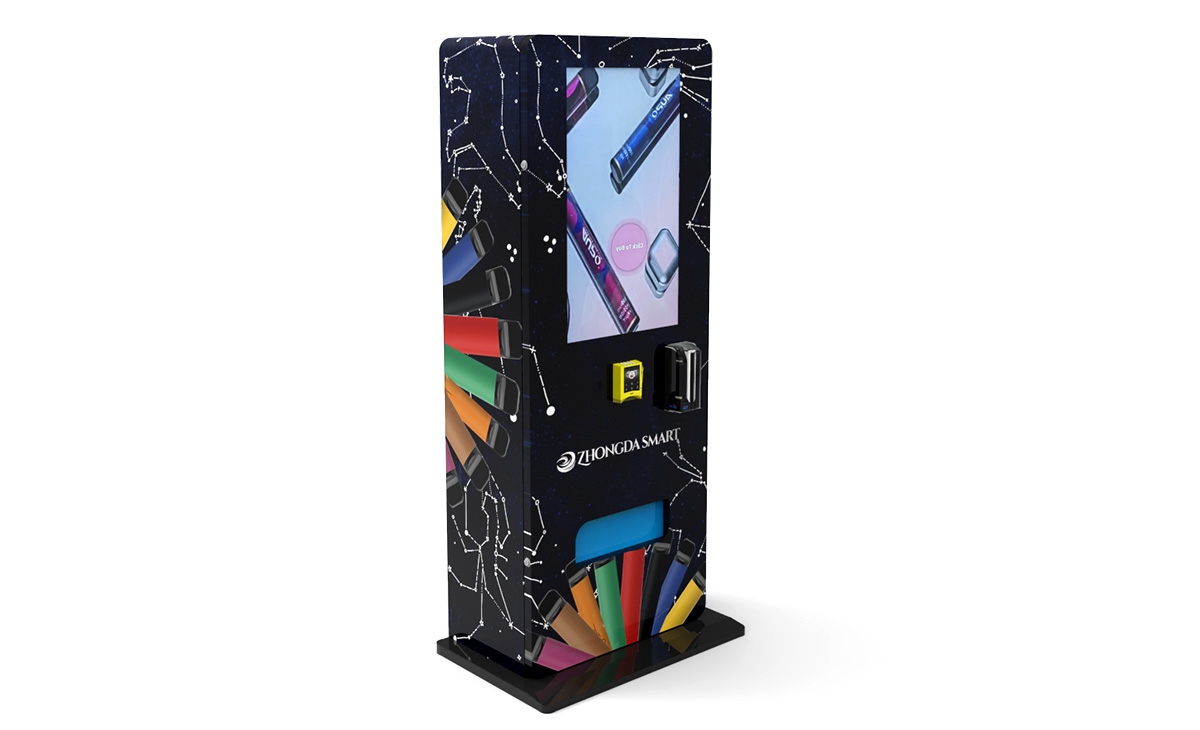
If your machine does not accept cards, you are losing business. In 2026, most consumers expect to tap a card or phone. Cash is still used in some locations, but it is declining fast. I recommend machines with built-in NFC readers and support for Apple Pay, Google Pay, and major credit cards. Telemetry is also essential. It allows you to see inventory levels, sales data, and machine health remotely. Without it, you are guessing when to restock, which leads to lost sales or wasted trips.
Some operators are now experimenting with dynamic pricing and loyalty programs through their machines. This is still early, but it is worth keeping an eye on as the technology matures.
Food Safety and Compliance
If you are selling fresh food, you need to comply with local health regulations. In the US, this means following FDA guidelines for time and temperature control. In the EU, the regulations vary by country but are generally strict. I have seen operators fined heavily for not maintaining proper temperatures in their fresh food machines. Always buy a machine with reliable refrigeration and set up a monitoring system that alerts you if the temperature goes out of range.
According to the European Vending & Coffee Service Association (EVA), the European vending market served over 8 billion hot and cold drinks in 2023, with a growing share of fresh food. You can find more at EVA.
How to Reduce Restocking and Maintenance Costs
The biggest hidden cost in this business is labor. Every time you drive to a location to restock, you are spending time and fuel. The solution is to maximize the time between visits. Use telemetry to know exactly when each product is running low. Stock higher volumes of fast-moving items. Group your locations geographically to reduce driving time. And always carry spare parts for common failures like jammed coils or faulty card readers. A $20 part can save you a $150 service call.
I also recommend building relationships with local technicians who can handle repairs quickly. Waiting a week for a repair can cost you hundreds in lost sales and damage your relationship with the location owner.
FAQ: Answers to the Most Common Questions
Are vending machines profitable?
Yes, but only if you choose the right location and manage your costs. A well-placed machine can generate $1,000 to $2,500 per month in revenue with a net profit of 15% to 25%. Poor locations will lose money.
How much does a vending machine cost?
A new machine costs between $4,000 and $12,000 depending on features. Used machines can be found for $1,500 to $3,000 but may require repairs.
How long does it take to recoup the investment?
Typically 12 to 18 months for a good location. Some operators break even in 8 months with high-traffic spots and low overhead.
Should a beginner buy or lease?
Leasing is safer for beginners because it reduces upfront risk. Buying is better in the long run if you have the capital and are confident in your location choice.
Where should I place my first machine?
Start with a location that has a captive audience: factories, warehouses, hospitals, or schools. Avoid locations with existing food service unless you offer something different.
What permits do I need?
Requirements vary by city and state. In the US, you typically need a business license and a sales tax permit. In the EU, you may need health permits for fresh food. Check with your local business authority.
How do I choose a supplier?
Look for a manufacturer that offers remote monitoring, a solid warranty, and good customer support. Zhongda Smart is one option that meets these criteria, but always compare multiple suppliers before buying.
What happens if the machine breaks down?
You need to have a plan. Either learn basic repairs yourself or have a technician on call. Delayed repairs lead to lost revenue and unhappy location owners.
How can I lower restocking costs?
Use telemetry to track inventory, stock higher volumes of popular items, and group your locations to minimize driving time. Routine maintenance also prevents breakdowns that cause emergency trips.
Starting a vending machine operation in 2026 is not a get-rich-quick scheme. It is a real business that requires attention to detail, a willingness to learn, and a realistic understanding of costs and timelines. The operators who succeed are the ones who treat each machine like a small retail store, not a passive income stream. If you choose your locations carefully, buy reliable equipment, and stay on top of maintenance and restocking, you can build a steady, profitable business over time.
This article was updated in March 2026 based on operational experience and publicly available industry data. Always verify local regulations and costs before making any investment.