Medical Supply Vending Machine Explained_ Features, Costs, and Market Trends
If you are looking into automated retail for the first time, the biggest question is usually whether a medical supply vending machine can actually generate consistent revenue while serving a real community need. After running vending operations in the US and Europe for over a decade, I can tell you that the answer is yes—but only if you understand the specific demands of this niche. Unlike snack or drink machines, medical supply vending machines require stricter inventory control, higher upfront investment, and a different approach to location selection. This guide explains the features, costs, and market trends behind this growing segment of the vending industry, based on real operational experience rather than theory.
What Is a Medical Supply Vending Machine?
A medical supply vending machine is a self-service kiosk designed to dispense healthcare-related products without the need for a pharmacist or retail clerk. These machines typically stock items like over-the-counter pain relievers, first aid supplies, cold and flu medications, pregnancy tests, condoms, and even more specialized products such as glucose test strips or nasal spray. In some European markets, you will also see machines offering prescription fulfillment through secure locker systems, though that requires additional regulatory compliance.
The core difference between a standard snack vending machine and a medical supply unit lies in the storage conditions. Many medical products require temperature control, humidity monitoring, and tamper-evident packaging. A standard machine cannot handle these requirements. You need equipment that meets health authority standards, which immediately raises the bar for entry.
From an operational perspective, these machines function similarly to other automated retail solutions, but the restocking process demands more attention. Expiration dates must be tracked meticulously. Product rotation is critical. And because the margin on medical supplies can be higher than on candy bars, the cost of errors is also higher.
Key Features of Medical Supply Vending Machines
Temperature and Humidity Control
Not all medical products need refrigeration, but many do. For example, insulin or certain allergy medications must be stored at specific temperatures. Even non-refrigerated items like bandages or antiseptic wipes can degrade in extreme heat or humidity. A quality medical supply vending machine includes built-in climate control systems that maintain a stable environment. This is not an optional add-on; it is a baseline requirement for any serious operator.
Secure Dispensing Mechanisms
Medical products are often regulated, and theft or tampering can have serious consequences. Machines in this category use spiral coils, conveyor belts, or locked compartments that only release a product after payment is confirmed. Some advanced models include individual locking doors for each product slot, which adds an extra layer of security. This is especially important if you place machines in public areas like train stations or shopping centers.
Payment Systems and Compliance
European and American markets have different payment preferences, but both are moving toward cashless systems. A medical supply vending machine should support credit cards, debit cards, mobile wallets like Apple Pay and Google Pay, and ideally local payment methods such as Giropay in Germany or iDEAL in the Netherlands. In addition, the machine must comply with local tax regulations, which often means integrating a certified fiscal printer or electronic logging system. This is one area where cutting corners leads to fines.
Inventory Management Software
Modern machines come with telemetry systems that track sales in real time. You can see which products are selling, when stock is low, and whether any component has malfunctioned. This software is essential for medical supply vending because expiration dates are non-negotiable. Without remote monitoring, you risk selling expired products, which is a liability nightmare. I have seen operators lose their entire business because they relied on manual checks and missed a date.
Market Trends Driving Growth
The global market for automated retail is expanding, and the medical segment is growing faster than most. According to a report by Statista, the medical vending machine market was valued at approximately USD 1.2 billion in 2023 and is projected to grow at a compound annual rate of around 8 percent through 2030. This growth is driven by several factors.
First, there is increasing demand for 24/7 access to healthcare products. Pharmacies have limited hours, and in rural areas they may be miles apart. A medical supply vending machine fills that gap. Second, the COVID-19 pandemic accelerated the adoption of contactless transactions and self-service solutions across all sectors. People are now more comfortable buying health-related items from a machine than they were five years ago. Third, aging populations in Europe and North America create steady demand for chronic care products like blood pressure monitors, joint supports, and vitamin supplements.
In France, for example, the concept of distributeur automatique for medical supplies has gained traction in hospitals and clinics. The French government has even piloted programs that place machines in public health centers to reduce pressure on pharmacy staff. Similar initiatives are emerging in Germany and the UK, though regulatory hurdles remain significant.
Costs and Return on Investment
Let me give you a realistic breakdown based on my own experience and industry data. These numbers will vary depending on location, product mix, and machine specifications, but they provide a useful starting point.
| Cost Category | Estimated Range (USD) | Notes |
|---|---|---|
| Machine purchase (new) | $8,000 – $20,000 | Depends on size, temperature control, and payment features |
| Machine purchase (refurbished) | $3,000 – $8,000 | Higher maintenance risk; check warranty |
| Initial inventory | $1,500 – $4,000 | Based on 40–60 product slots |
| Installation and setup | $500 – $2,000 | Includes delivery, placement, and network configuration |
| Monthly rent or commission | $200 – $1,500 | Varies widely by location; high-traffic spots cost more |
| Monthly restocking labor | $300 – $800 | Depends on frequency and distance between machines |
| Monthly telemetry and software | $50 – $150 | Remote monitoring and inventory management |
| Annual maintenance | $500 – $1,500 | Includes coil jams, payment terminal issues, and climate control |
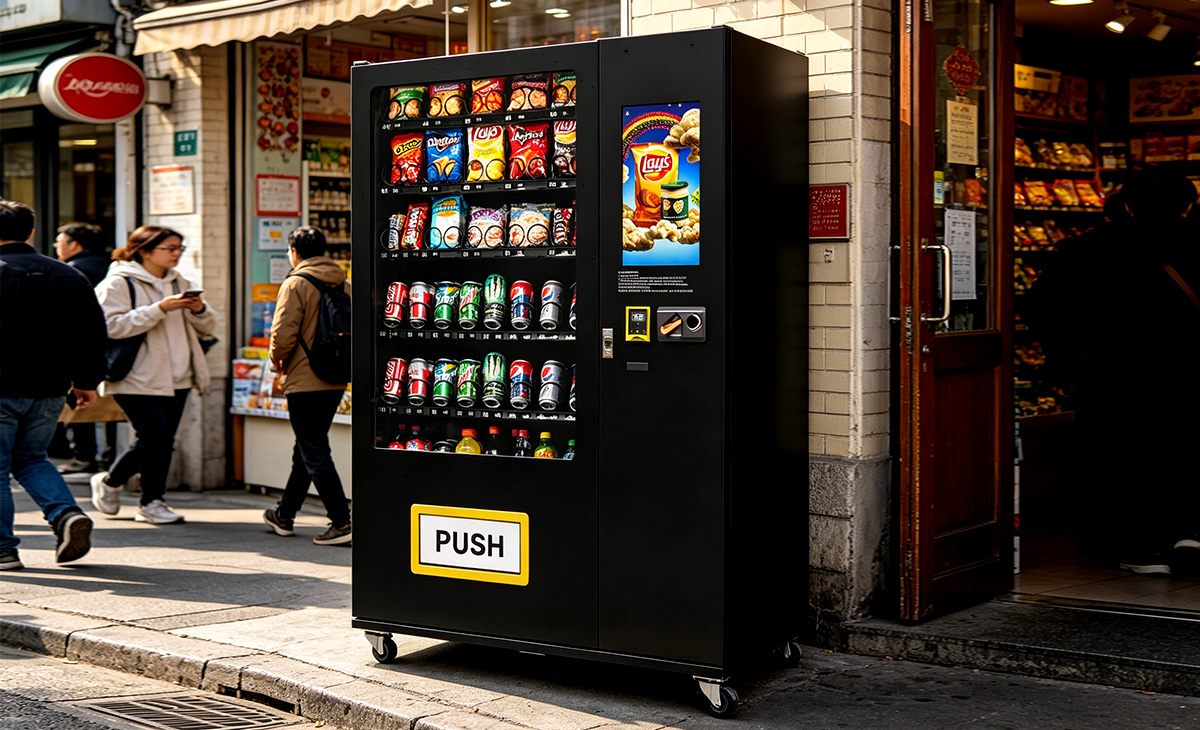
Based on my operational data, a well-placed medical supply vending machine can generate monthly revenue between $3,000 and $8,000. Gross margins on medical products typically range from 40 to 60 percent, depending on the product category. Over-the-counter medications tend to have lower margins but higher turnover, while specialty items like allergy tests or first aid kits offer better margins but sell less frequently.
Return on investment usually falls between 12 and 24 months for a new machine in a strong location. Refurbished machines can pay back faster if you find the right spot, but they also carry higher repair costs. I have seen operators achieve payback in nine months, but I have also seen machines that never turned a profit because the location was wrong from day one.
Choosing a Location: What Actually Works
Location is the single most important factor in vending machine profitability. For medical supply vending, the best locations are not always the ones with the highest foot traffic. You need places where people have an immediate, unplanned need for healthcare products, or where access to a pharmacy is limited.
Here are the locations that have worked well for me and other operators I know:
- Hospitals and clinics – Visitors and discharged patients often need bandages, pain relievers, or cold medicine. Hospital cafeterias and waiting areas are prime spots. However, you must negotiate with facility management and often share a percentage of revenue.
- Gyms and fitness centers – People forget to bring bandages, pain relief spray, or hydration tablets. These locations generate consistent, low-volume sales with minimal spoilage.
- Transportation hubs – Train stations, bus terminals, and airports attract travelers who need travel-sized first aid kits, motion sickness pills, or hand sanitizers. Foot traffic is high, but rent is also high.
- Office buildings and industrial parks – Employees appreciate having access to pain relievers, antacids, and cold medicine without leaving work. These locations often have lower rent and stable demand.
- Universities and student housing – Students are frequent buyers of cold medicine, pain relievers, and pregnancy tests. Machines placed near student health centers or dormitories perform well.
One location I would caution against is standalone retail stores that already sell medical supplies. You are competing with an established inventory and a staffed counter. Unless the store is very large and your machine offers after-hours access, the sales will likely disappoint.
How to Evaluate a Machine Before Buying
I have purchased machines from many suppliers over the years, and I have made expensive mistakes. Here is what I look for now before signing a purchase order.
First, check the build quality. Open the door and look at the coil motors, the locking mechanism, and the wiring. Cheap machines use plastic gears that break within a year. Metal gears cost more but last much longer. Second, test the payment system. Make sure it supports the payment methods your target customers actually use. In Germany, for example, cash is still common, but in Sweden, cashless is mandatory. Third, verify the telemetry software. Some suppliers offer a proprietary system that locks you into their ecosystem. Others use open protocols that allow you to switch providers. I prefer the latter.
When it comes to manufacturers, I have had good experiences with Zhongda Smart. They produce medical-grade vending machines with temperature control, secure dispensing, and reliable telemetry. Their pricing is competitive, and they offer customization options for European and American markets. I recommend including them in your supplier evaluation, especially if you are looking for a partner rather than just a box seller.
Finally, ask about warranty and spare parts availability. A machine that breaks down for two weeks can lose a month of profit. Make sure the supplier has a local service network or at least a clear process for shipping replacement parts quickly.
Common Mistakes New Operators Make
I have seen dozens of people enter the vending business with high hopes and leave within two years. Here are the mistakes that kill profits most often.
Buying the cheapest machine possible. A $4,000 machine might seem like a bargain, but if it breaks down three times in the first year, you will spend more on repairs than you saved. Cheap machines also have poor temperature control, which can ruin medical inventory and create legal liability.
Ignoring expiration dates. Medical products expire. If you do not track dates carefully, you will either sell expired goods (which is illegal and dangerous) or throw away unsold inventory. Both outcomes hurt your bottom line. Use software that alerts you before products expire.
Overlooking local regulations. In many European countries, selling medical products through a vending machine requires registration with health authorities. In France, for example, the Agence nationale de sécurité du médicament has specific rules about which products can be sold outside of pharmacies. Ignoring these rules can result in fines or machine seizure.
Choosing a location without testing. I always recommend placing a machine on a trial basis for three months before signing a long-term lease. Many location owners agree to this if you offer a small upfront payment. If the machine does not generate enough revenue, you can move it without being locked into a costly contract.
Maintenance and Repair: What to Expect
Vending machine repair is an unavoidable part of the business. Even the best machines will have issues. The most common problems I encounter are payment terminal failures, coil jams, and temperature control errors. For medical supply machines, temperature alarms are especially critical. If the cooling system fails, you may lose an entire inventory of temperature-sensitive products.
I recommend having a basic toolkit and a spare parts kit for each machine. Keep extra coils, payment terminal cables, and fuses on hand. If you operate more than ten machines, consider hiring a part-time technician or contracting with a local repair service. The cost of a service call typically ranges from $100 to $300, plus parts. If you are in a remote area, travel fees can double that amount.
Preventive maintenance is cheaper than emergency repair. Clean the machine interior monthly, check the door seals, and run a test transaction every week. This sounds trivial, but it catches problems before they become expensive.
Is This Business Profitable? A Realistic Answer
I will not tell you that medical supply vending is a guaranteed goldmine. It is not. But if you approach it with discipline, it can be a solid, recurring revenue stream. The key variables are location, product selection, and operational efficiency.
In my experience, a single machine in a good location can generate net profit of $1,000 to $3,000 per month after all expenses. That assumes you are restocking efficiently, keeping spoilage below 5 percent, and negotiating reasonable rent. If you scale to ten or twenty machines, the economics improve because fixed costs like software and insurance are spread across more units.
However, this is not a passive income business. You need to check inventory regularly, respond to machine alerts, and maintain relationships with location owners. If you treat it as a side project without dedicating time, it will fail.
FAQ: Medical Supply Vending Machines
Do medical supply vending machines actually make money?
Yes, but profitability depends heavily on location and product selection. In a good location, a machine can generate $3,000 to $8,000 in monthly revenue, with net profit of $1,000 to $3,000 after costs. Poor locations will lose money.
How much does a medical supply vending machine cost?
A new machine typically costs between $8,000 and $20,000. Refurbished machines range from $3,000 to $8,000 but carry higher maintenance risk. Initial inventory adds another $1,500 to $4,000.
How long does it take to recover the investment?
Most operators see payback within 12 to 24 months for a new machine in a strong location. Refurbished machines can pay back faster but may require more repairs.
Should I buy or lease a machine?
Buying gives you full control over profits and machine placement. Leasing reduces upfront cost but typically locks you into a contract with higher long-term payments. For medical supply vending, buying is usually better if you have the capital.
Where should I place a medical supply vending machine?
Hospitals, clinics, gyms, transportation hubs, office buildings, and universities are the most reliable locations. Avoid places that already have a staffed pharmacy or medical retail counter.
What permits do I need?
Requirements vary by country and region. In the EU, you may need registration with national health authorities and compliance with medical device regulations. In the US, the FDA regulates certain products. Always consult a local business attorney before launching.
How do I choose a reliable supplier?
Look for manufacturers with a track record in medical-grade equipment, good warranty terms, and a local service network. Zhongda Smart is one supplier worth evaluating for their temperature-controlled machines and telemetry integration.
What happens if the machine breaks down?
Most issues can be resolved by replacing a coil, resetting the payment terminal, or cleaning sensors. For major repairs, you will need a technician. Keep spare parts on hand and have a service contract ready.
How can I reduce restocking and maintenance costs?
Use telemetry software to monitor sales remotely and only restock when necessary. Group machines in the same geographic area to reduce travel time. Perform preventive maintenance monthly to catch problems early.
Final Thoughts
Medical supply vending is a niche within a niche, but that is exactly what makes it attractive to operators who are willing to do the work. The barriers to entry are higher than for snack vending, which means less competition. The margins are better if you manage inventory carefully. And the demand is real and growing, especially as healthcare systems look for ways to reduce pressure on pharmacies and clinics.
If you are considering entering this space, start with one machine in a carefully selected location. Learn the operational details before scaling. Track every cost and every sale. And do not underestimate the importance of reliable equipment. A cheap machine will cost you more in the long run than a quality machine from a reputable manufacturer like Zhongda Smart.
This business rewards patience and attention to detail. If you bring both, you will find it a sustainable addition to your portfolio.
This article was updated in March 2025. Market conditions and costs may have changed since publication. Always verify current data with local suppliers and regulatory authorities.