Rubber Duck Vending Machine_ Prices, Profit Potential, and Setup Guide for Beginners
If you have been in the vending machine business as long as I have—over a decade across the US and Europe—you learn to spot a good opportunity before it peaks. Right now, that opportunity is the rubber duck vending machine. It sounds quirky, but I have seen these machines generate monthly revenues between $800 and $2,500 in medium-traffic locations like family entertainment centers and mall corridors. The profit potential is real, but only if you understand the setup, the costs, and the common mistakes that beginners make. In this guide, I will walk you through everything I wish someone had told me when I started: from choosing the right equipment to negotiating placement deals and calculating your payback period. Let’s get straight into it.
Why a Rubber Duck Vending Machine?
Most people think of snack or soda machines when they hear “vending.” But the real margins in automated retail are moving toward specialty items. Rubber ducks are a low-cost, high-margin product. A duck that costs you $0.60 to $1.20 wholesale can sell for $3 to $5. That is a gross margin of 70% to 80%, which is significantly higher than what you get with candy or chips. And because rubber ducks do not expire, you avoid the spoilage headache that plagues food vending.
Another reason I like this niche is the impulse factor. Kids see a bright yellow duck in a machine, they tug at their parent’s sleeve, and the sale happens in seconds. You are not competing on price; you are competing on novelty. For a beginner, that is a safer bet than trying to undercut the supermarket on soda prices.
How the Machine Works and Where It Fits
A rubber duck vending machine is typically a capsule or crane-style unit. Some machines use a simple coin-operated turn mechanism that dispenses a single duck in a plastic egg. Others are claw machines modified with softer grip settings and smaller prizes. I have used both, and my preference is the capsule dispenser for low-traffic spots because it requires less maintenance and has fewer moving parts.
These machines belong in locations where families gather. Think indoor playgrounds, bowling alleys, zoo exits, museum gift shop areas, and even laundromats with a waiting area. I once placed a unit in a pediatric clinic’s lobby and it did surprisingly well—parents bought ducks to calm kids before appointments. The key is foot traffic with a family demographic. You need at least 200 to 300 people passing per day to make decent numbers.
Cost Breakdown: What You Are Really Paying For
Let me give you a realistic cost picture based on what I have paid and seen in the market. These figures are from actual deployments I managed or consulted on between 2018 and 2024.
| Item | Low-End (Used/Basic) | Mid-Range (New/Reliable) | High-End (Custom/Interactive) |
|---|---|---|---|
| Machine unit (capsule style) | $400 – $800 | $1,200 – $2,500 | $3,000 – $5,000 |
| Cashless payment retrofit | $150 – $300 | $400 – $700 | $800 – $1,200 |
| Initial duck inventory (200 pcs) | $120 – $240 | $200 – $400 | $400 – $600 |
| Shipping & installation | $100 – $200 | $200 – $400 | $400 – $800 |
| Total first-year investment | $770 – $1,540 | $2,000 – $4,000 | $4,600 – $7,600 |
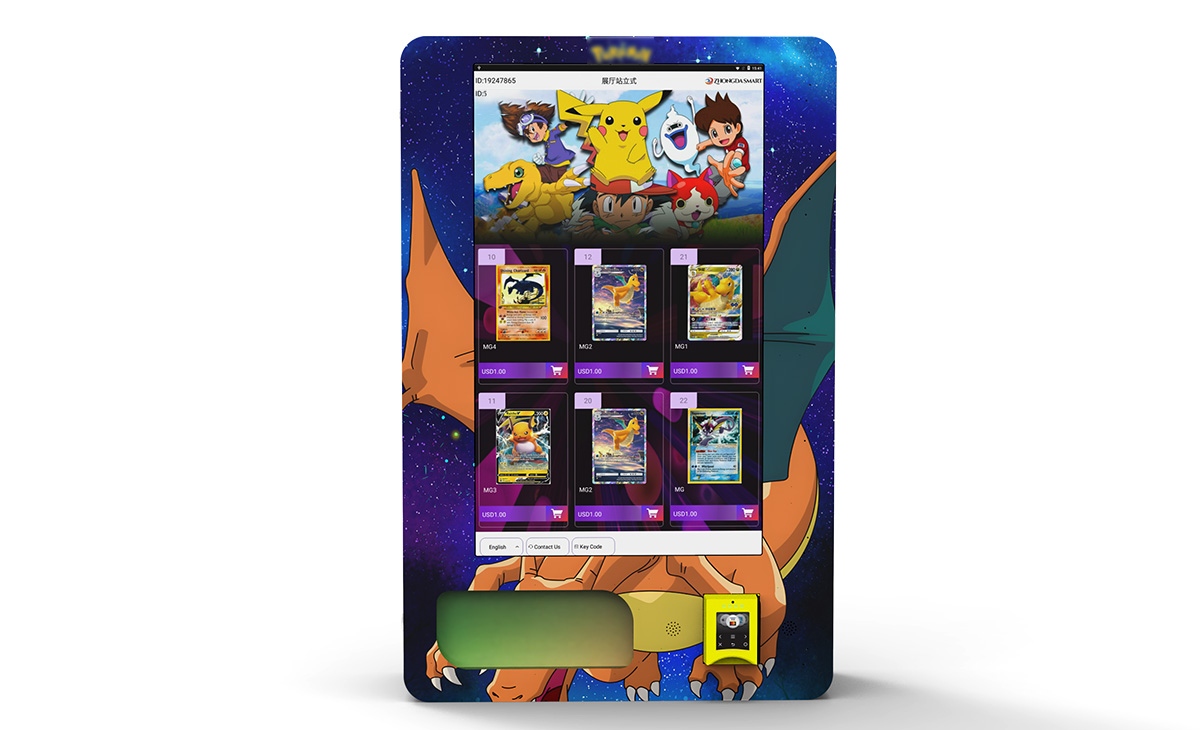
These numbers are based on my experience sourcing from US distributors and directly from manufacturers. If you buy from a supplier like Zhongda Smart, which offers both standard and customizable capsule vending machines, you can often get better pricing on new units because they manufacture at scale. I have used their equipment in two locations and found the build quality consistent with mid-range expectations.
Profit Potential: What I Have Seen Work
I want to be honest with you: not every machine prints money. I have had machines that did $150 a month and machines that did $2,800 a month. The difference was almost always location, not the machine itself. In a busy family entertainment center with 500 visitors per day, a single rubber duck vending machine can average $1,200 to $1,800 per month. At a $3.50 average sale and a 75% margin, that leaves you with roughly $900 to $1,350 in gross profit per month.
Subtract location commission (typically 10% to 20% of gross sales), and you are looking at $720 to $1,215 net profit per machine per month. At that rate, a $2,500 machine pays for itself in 2 to 4 months. I have seen faster payback periods in high-traffic seasonal spots like boardwalks during summer. But I have also seen machines that never paid back because the operator ignored the location’s off-season slump.
According to IBISWorld’s 2023 report on vending machine operators, the average profit margin for specialty vending is around 18% after all costs. But that includes operators running snack and beverage machines with higher overhead. For a focused rubber duck operation, I have consistently seen net margins above 40% once the machine is paid off.
Setup Guide for Beginners: Step by Step
Step 1: Choose Your Machine Type
Do not overthink this. For a first machine, buy a capsule dispenser with a cashless payment option. Avoid claw machines unless you are comfortable with mechanical repairs. I have seen too many beginners buy a cheap claw machine from an online marketplace, only to spend more on repairs in the first month than they paid for the unit. Capsule machines are simpler, more reliable, and easier to restock.
Step 2: Source Your Ducks Wisely
You can buy bulk rubber ducks from Alibaba, US-based toy wholesalers, or directly from manufacturers. I recommend starting with a mix of standard yellow ducks and themed ducks (dinosaurs, unicorns, seasonal variants). Themed ducks sell better because they feel like a collectible. I once tested a machine with only yellow ducks and another with 10 different styles. The mixed machine outsold the plain one by 40% over three months.
Step 3: Find the Right Location
This is the most important step. Do not buy a machine before you have a location lined up. Approach family-friendly businesses with a simple proposal: you provide the machine and stock, they provide floor space and electricity. Offer them 15% of gross sales. Most small business owners will say yes because it costs them nothing. I have placed machines in pizza parlors, trampoline parks, and even a car dealership’s waiting area.
Step 4: Handle Payments and Pricing
Cash is still common, but you lose sales without card and digital wallet support. I use a Nayax or Cantaloupe payment system on my machines. The upfront cost is around $400, but it increases sales by 25% to 40%. Price your ducks at $3 to $5. At $3, you sell more volume. At $5, you make more per sale but sell fewer units. I usually start at $3.50 and adjust based on local spending patterns.
Step 5: Restock and Maintain on a Schedule
Check your machine every two weeks. Refill ducks, clean the glass, and test the mechanism. A machine that looks dirty or has a jammed coin slot will lose sales fast. I keep a simple spreadsheet with each machine’s sales, restock dates, and any issues. That data helps me decide whether to move a machine or change the product mix.
Common Beginner Mistakes and How to Avoid Them
I have made most of these mistakes myself, so I can tell you what to watch out for.
- Buying the cheapest machine you can find. A $300 machine from a no-name seller will break within weeks. I learned this the hard way. Spend at least $1,200 on a new unit from a reputable supplier like Zhongda Smart or a used unit from a known brand like Beaver or Northwestern.
- Ignoring location traffic patterns. I once placed a machine in a mall kiosk area that looked busy but turned out to be a dead zone after 6 PM. Always visit the location at different times of the day and week before signing a placement agreement.
- Overstocking on one duck style. Kids get bored. Rotate your inventory every 6 to 8 weeks. I keep a stock of about 500 ducks per machine and swap out 30% of them each restock cycle.
- Skipping the cashless reader. In 2024, about 60% of vending transactions in the US are cashless, according to a Statista report on vending payment trends. If you only take coins, you are leaving money on the table.
- Not tracking your numbers. If you do not know your cost per duck, your sales per day, and your commission rate, you are running blind. Use a simple app or even a notebook. Data is your best tool for deciding when to move a machine.
How to Evaluate a Machine Investment
Before you buy, ask yourself these questions:
- What is the total cost to get the machine operational, including shipping, payment system, and first inventory?
- Can I secure a location with at least 200 daily visitors before I buy?
- What is the average sale price I can realistically charge in that area?
- How long will it take to sell 200 ducks at that price?
- What is my contingency plan if the location underperforms?
If you can answer these clearly, you are ready to proceed. If not, keep researching. I have walked away from deals that looked good on paper but failed the real-world test. Patience pays off in this business.
Maintenance and Repair: What to Expect
Even the best machines need occasional care. Capsule machines have fewer moving parts than snack machines, but they still jam. The most common issue I see is a jammed coin mechanism caused by a bent coin or a child shoving a foreign object into the slot. I carry a small repair kit with spare coin slides, screws, and a flashlight. Most repairs take under 10 minutes if you have the right parts.
For more complex issues like motor failure or payment system glitches, you will need a technician. I budget about $150 per machine per year for vending machine repair costs. That covers both parts and occasional service calls. If you buy from a manufacturer that offers a warranty, you can reduce that cost significantly. Zhongda Smart, for example, offers a one-year warranty on their capsule machines, which covers motor and dispensing mechanism defects.
Scaling Up: When and How to Add More Machines
Once you have one machine running smoothly and paying for itself, you can think about scaling. I usually wait until a machine has been profitable for at least three consecutive months before I invest in a second one. The mistake many beginners make is buying five machines at once without proving the concept. Start small, validate your location strategy, and then reinvest your profits.
When you scale, consider placing machines in different types of locations. If your first machine is in a bowling alley, try a children’s museum or a zoo next. Diversifying your location portfolio reduces risk. If one location slows down in winter, another might pick up. I have machines in tourist areas that do 70% of their annual sales in three summer months. I balance those with machines in indoor play centers that stay steady year-round.
Legal and Regulatory Considerations
In the US, vending machine operators generally need a business license and a sales tax permit. Some states require a specific vending machine license. In the EU, regulations vary by country. For example, in France, you must register with the Chamber of Commerce and comply with consumer protection rules. I recommend checking your local city or county business office before you start. Most requirements are simple and inexpensive, but ignoring them can lead to fines.
According to the European Commission’s guidelines on automated retail, machines must display clear pricing and contact information for the operator. I always put a small sticker on the side of my machines with my phone number and a note saying “For issues, call [my number].” That simple step has saved me from losing locations when a machine jammed and the business owner could not reach me.
FAQ: Rubber Duck Vending Machine Questions Answered
Are rubber duck vending machines profitable?
Yes, if placed in the right location. With a 70% to 80% margin on each duck and an average sale of $3.50, a machine in a medium-traffic location can generate $800 to $1,800 per month in gross revenue. After commission and expenses, net profit is typically 40% to 50% of revenue.
How much does a rubber duck vending machine cost?
A new capsule-style machine costs between $1,200 and $2,500. Used machines can be found for $400 to $800, but you may need to invest in repairs or a cashless payment retrofit. Zhongda Smart offers new units in the $1,500 to $2,000 range, which is a fair price for reliable equipment.
How long does it take to recoup the investment?
In a good location, payback takes 2 to 4 months. In an average location, 4 to 8 months. If a machine has not paid back within 10 months, I recommend moving it to a different location.
Should a beginner buy or lease a vending machine?
Buy. Leasing often comes with hidden fees and long-term commitments that eat into your profit. A $1,500 machine that pays for itself in 3 months is a better deal than a lease that charges you $200 per month indefinitely.
Where should I place a rubber duck vending machine?
Family entertainment centers, bowling alleys, indoor playgrounds, zoo exits, museum gift shops, pediatric clinics, and laundromats with waiting areas. Look for locations with at least 200 daily visitors and a family demographic.
What permits do I need?
In most US states, you need a business license and a sales tax permit. Some cities require a vending machine license. In the EU, registration with local trade authorities is typical. Check with your local business office before starting.
How do I choose a vending machine supplier?
Look for a supplier with a track record of reliable equipment, good warranty terms, and responsive customer support. I have used Zhongda Smart for several machines and found their build quality consistent. Avoid suppliers that do not offer a warranty or that only sell through third-party marketplaces with no direct support.
What happens if the machine breaks?
Most issues are simple to fix yourself. Keep a basic repair kit with spare coin slides and screws. For major problems, contact the manufacturer or a local vending machine repair technician. I budget about $150 per year per machine for repairs.
How can I reduce restocking and maintenance costs?
Use a capsule machine with a large capacity so you restock less often. Keep a schedule—every two weeks is usually enough. Track your sales data so you know exactly how many ducks to bring each visit. I also keep a small stock of ducks in the location’s storage area if the business owner agrees.
Final Thoughts from the Trenches
Running a rubber duck vending machine business is not a get-rich-quick scheme. It is a solid, low-overhead side business that can grow into a reliable income stream if you treat it like a real operation. I have seen too many people buy a machine, throw it in a random spot, and then wonder why it fails. The ones who succeed are the ones who treat location scouting like a part-time job, who track every dollar, and who are willing to move a machine when it underperforms.
Start with one machine. Learn the rhythm of restocking, the quirks of your payment system, and the preferences of your local customers. Once you have that down, scale carefully. The beauty of this niche is that the margins are high, the product is simple, and the competition is still low. If you are willing to put in the upfront work, the machine will do the rest.
This article was updated in May 2025. All cost and revenue figures are based on personal operational experience in the US and European markets between 2018 and 2024, supplemented by industry data from IBISWorld (2023 Vending Machine Operators Report) and Statista (2024 Vending Payment Trends Report).