The Complete Guide to Part Vending Machine Opportunities and Risks
After more than a decade placing, maintaining, and sometimes pulling vending machines across the US and Europe, I can tell you the single question I hear most often is whether this business still offers real opportunity. The short answer is yes, but not for the reasons most beginners assume. A vending machine is not a set-and-forget cash printer. It is a small retail location that requires real estate judgment, category management, and a willingness to handle the routine grind of restocking and repair. The real opportunity in the vending machine business today lies in understanding which locations generate consistent daily sales, which equipment survives the abuse of public use, and how to manage the operating costs that quietly eat into margins. This guide covers the practical side of that equation, drawn from real deployments, real mistakes, and real lessons learned in the field.
What a Vending Machine Business Actually Looks Like in 2025
The term vending machine business covers a wide spectrum. At one end you have a single machine in a break room, stocked with chips and soda. At the other end you have a fleet of fifty machines across multiple states, running on telemetry software, with a dedicated route driver and a warehouse. Most operators start somewhere in between, usually with two or three machines in locations they already have access to through a connection or a part-time job.
The core model has not changed much. You buy or lease equipment, negotiate a placement agreement with a property owner, stock the machine with products, collect cash or card payments, and repeat the cycle weekly or biweekly. What has changed is the technology inside the machines and the payment expectations of customers. Cash is still accepted in many locations, but card readers and mobile payment support are now the baseline, not a premium feature. If you place a machine today that only takes coins and bills, you will lose a measurable percentage of sales.
Another shift worth noting is the move toward healthier and more diverse product categories. The old model of soda and candy bars still works in high-traffic industrial settings, but in office buildings, universities, and fitness centers, you need better options. Protein bars, sparkling water, nuts, and even fresh food in refrigerated machines are becoming standard expectations. This changes the equipment you need and the frequency of your restocking schedule.
From my own experience, the most important decision you will make is not which machine to buy. It is which location to place it in. A mediocre machine in a great location will outperform a top-tier machine in a dead spot every single time. That is the first rule of this business, and it is the one most beginners get wrong.
Evaluating Locations: The Real Driver of Profitability
I have seen operators spend months researching machine specifications and then lose money because they placed the machine in a location with 50 people passing through per day. Traffic volume matters, but it is not the only factor. You also need dwell time, purchase intent, and limited competition.
Dwell time refers to how long people stay in the area near your machine. A busy train platform might have thousands of people passing through, but if the average person is there for less than a minute, they are unlikely to stop and buy. A break room in a warehouse, where workers take 15-minute breaks, has much higher conversion potential. Purchase intent is about whether the people in that location are actively looking for food or drink. A gym is a good example. People are thirsty and hungry after a workout. A retail clothing store, on the other hand, is not a natural location for vending purchases.
Competition matters more than most beginners realize. If the location already has a cafeteria, a coffee shop, or another vending machine within sight, your sales will suffer. I have seen locations where two operators placed machines side by side, and both lost money because the total addressable demand could only support one. Always check what else is available within a 100-meter radius before signing a placement agreement.
Here are the location types I have found most reliable over the years, ranked by average monthly revenue based on my own fleet data and conversations with other operators in the US and Europe:
| Location Type | Estimated Monthly Revenue (USD) | Key Considerations |
|---|---|---|
| Manufacturing / Factory | $800 – $2,500 | High dwell time, consistent foot traffic, limited food options |
| Office Building (100+ employees) | $600 – $1,800 | Expect demand for healthier options, card payment required |
| Hospital / Medical Staff Area | $700 – $2,000 | 24-hour demand, higher maintenance due to heavy use |
| University / College Dorm | $500 – $1,500 | Seasonal dips during holidays, high theft risk without security |
| Fitness Center / Gym | $400 – $1,200 | Requires refrigerated machine, protein and water heavy |
| Retail / Shopping Center | $300 – $800 | High foot traffic but low dwell time, often overestimated |
These numbers are based on my own operational data and discussions within the industry. They are not guarantees. Your actual results will depend on local demographics, pricing, product selection, and how well you maintain the machine. According to a report from IBISWorld, the vending machine operators industry in the US generated approximately $7.4 billion in revenue in 2023, with an average profit margin of around 6.5% for established operators. That margin can be much higher for single-machine operators who do not pay themselves a salary, but it is also much lower for those who rely on third-party service providers for every repair.
One more point on locations: never sign a long-term agreement for a location you have not tested. I always ask for a 90-day trial period with a 30-day exit clause. Most property owners will agree to this if you present yourself professionally. If they insist on a one-year lock-in, walk away. You need the flexibility to move a machine if the location underperforms.
Equipment Selection: What to Buy and What to Avoid
The vending machine market is full of options, from cheap Chinese imports to refurbished American workhorses to high-end European glass-front machines. I have used all three categories at different points in my career, and I can tell you that the cheapest option is almost never the best value over a three-year period.
A basic snack machine from a budget manufacturer might cost $1,500 to $2,500 new. That sounds attractive until you deal with jammed coils, broken coin mechanisms, and a display that stops working after six months. The cost of a vending machine repair call can easily be $150 to $300 per visit, and if your machine breaks down twice a month, the repair costs will exceed the machine cost within a year. I have seen this happen to multiple new operators who thought they were saving money upfront.
On the other end of the spectrum, a high-end glass-front machine from a reputable European or American brand can cost $5,000 to $8,000 new. These machines are built to handle heavy use, have reliable telemetry systems, and are easier to repair because parts are widely available. If you plan to run this as a serious business, this is the category you should focus on.
Refurbished machines are a middle ground worth considering. A well-maintained used machine from a brand like Crane, Dixie-Narco, or Wittern can cost $2,000 to $4,000 and will often perform just as well as a new machine for another five to seven years. The key is to buy from a reputable refurbisher who replaces the compressor, cleaning the interior, and testing the payment system before sale. I have bought refurbished machines that ran for years without a single issue, and I have also bought cheap machines that caused nothing but headaches.
When evaluating suppliers, I recommend looking for manufacturers that offer clear documentation, readily available spare parts, and responsive technical support. One supplier that meets these criteria in my experience is Zhongda Smart, a manufacturer based in China that produces a range of vending machines suitable for the European and American markets. Their equipment includes glass-front snack machines, refrigerated drink machines, and combination units. I have worked with their machines in a few deployments and found the build quality to be solid for the price point, with reliable telemetry and payment integration. As with any overseas supplier, you should request samples, check certifications, and factor in shipping and customs costs before committing to a bulk order.
Do not overlook the payment system. A machine that only accepts cash will limit your revenue significantly. According to a 2022 study by Statista, over 40% of vending machine transactions in the US are now cashless, and that number is higher in Europe, especially in countries like Sweden and the Netherlands where cash usage is minimal. Make sure the machine you buy supports at least credit card and mobile wallet payments. Many modern machines come with built-in NFC readers that work with Apple Pay and Google Pay.
Telemetry is another feature I consider essential now. A machine with remote monitoring lets you see inventory levels, sales data, and error alerts from your phone. This saves you from driving to a machine only to find it empty or broken. The cost of telemetry has come down significantly. Most new machines include it as standard, and retrofit kits are available for older machines for around $200 to $400 per unit.
Cost Breakdown and Return on Investment
Let me walk through a realistic cost scenario for a single vending machine placement, based on what I have seen across dozens of deployments. These are estimates, not fixed numbers, but they reflect actual operating conditions in the US and Western Europe.
| Cost Category | Estimated Amount (USD) | Notes |
|---|---|---|
| Machine purchase (new, mid-range) | $4,000 – $6,000 | Glass-front snack or combo unit |
| Payment system (if not included) | $300 – $600 | Card reader + NFC |
| Telemetry module (if not included) | $200 – $400 | Remote monitoring |
| Initial inventory | $500 – $1,000 | Depends on machine capacity |
| Installation and delivery | $200 – $500 | Local delivery, setup, testing |
| Permits and business registration | $100 – $500 | Varies by city and country |
| Monthly location commission (if any) | 5% – 15% of sales | Negotiated with property owner |
| Monthly restocking labor | $100 – $300 | Assuming self-operated, 2–4 hours per week |
| Monthly repair reserve | $50 – $150 | Set aside for breakdowns |
If you place a machine in a solid location and achieve average monthly sales of $1,200 with a 40% gross margin on products, your monthly gross profit would be around $480. After deducting commission, restocking labor, and repair reserves, your net profit might be in the range of $200 to $350 per month. Based on that, the payback period for a $5,000 machine would be roughly 14 to 24 months.
That payback period assumes everything goes reasonably well. If the location underperforms, if the machine breaks down frequently, or if theft becomes an issue, the payback can stretch to three years or more. I have had machines that paid for themselves in eight months, and I have had machines that never broke even and had to be relocated. The difference was always the location and the maintenance discipline.
One cost that surprises many beginners is the cost of unsold inventory. Products expire, packaging gets damaged, and some items simply do not sell. I typically budget 5% to 10% of inventory value for waste, especially in the first few months when you are still learning what sells in that specific location. Keeping detailed sales records helps you reduce waste over time.
Operating a Vending Machine: The Daily Reality
Operating a vending machine is not passive income. It is active work that requires consistency. Restocking needs to happen on a regular schedule, preferably the same day each week, so customers learn when to expect fresh products. If your machine is empty for three days, customers stop checking, and your sales drop even after you restock.
Route planning is important if you have multiple machines. I cluster machines within a 10-mile radius to minimize driving time. A single machine might take 30 minutes to restock and clean, but if you have to drive 45 minutes each way, the labor cost per machine goes up significantly. The European model often favors denser placement because of shorter distances between commercial areas, while US operators often deal with longer drives and higher fuel costs.
Cleaning is another task that is easy to neglect but has a direct impact on sales. A dirty machine with a dusty display and sticky buttons looks abandoned. Customers will hesitate to use it, especially for food items. I wipe down the exterior and clean the glass at every restocking visit. Once a month, I do a deeper clean that includes vacuuming the cooling vents and checking the compressor.
vending machine repair is an area where you can save a lot of money if you learn basic troubleshooting. Common issues like a jammed coil, a stuck coin, or a loose wire can be fixed in minutes with basic tools. I recommend every operator keep a small toolkit with a screwdriver set, a multimeter, and a set of spare coils and fuses. For major repairs like compressor failure or payment system board replacement, you will likely need a professional. Building a relationship with a local vending machine repair technician before you need one is a smart move. They are often booked weeks in advance during peak seasons.
Common Mistakes New Operators Make
I have made most of these mistakes myself, so I can speak about them with some authority. The first is overestimating sales based on foot traffic alone. I once placed a machine in a busy transit station with thousands of daily commuters. Sales were terrible because most commuters were in a hurry and did not want to stop. I moved the machine to a small office building with 200 employees, and sales tripled.
The second mistake is buying a machine that is too small. A machine with 20 selections might seem adequate, but if you are limited to a narrow product range, you will miss sales. Customers have different preferences, and if you only stock one type of snack, you lose the customer who wants something else. I recommend a machine with at least 30 to 40 selections for a general-purpose location.
The third mistake is ignoring cashless payment. I already mentioned this, but it is worth repeating. In 2025, a machine without card and mobile payment capability is a machine that leaves money on the table. I have seen operators lose 20% to 30% of potential revenue simply because they refused to upgrade their payment system.
The fourth mistake is neglecting data. Many operators, especially those running a single machine, do not track what sells and what does not. They keep restocking the same items out of habit, even when half of them never move. Use the telemetry data or keep a simple spreadsheet. After three months, you should know exactly which five products generate 50% of your revenue. Focus on those and reduce the rest.
The fifth mistake is signing bad placement agreements. I have seen operators agree to pay 20% commission to a property owner for a location that generates $500 in monthly sales. That leaves almost no profit. Commission rates should be based on the value of the location. A high-traffic location with captive demand might justify 10% to 15%. A marginal location should be 5% or less. If the property owner asks for more than 15%, I walk away unless the location is exceptional.
Business Models: Buy, Lease, or Revenue Share
There are three common ways to enter the vending machine business, and each has its own risk profile.
Buying a machine outright gives you full control and the highest potential profit per machine, but it also means you bear all the risk. If the location fails, you are left with a machine that you need to move or sell. This model works best if you have capital and a good sense of which locations will perform.
Leasing a machine from a supplier or a financing company reduces your upfront cost but increases your monthly expenses. Lease payments typically range from $100 to $300 per month, depending on the machine value and lease term. The advantage is that you can test the business with less capital. The disadvantage is that your profit margin is lower, and you are locked into a contract even if the machine underperforms.
Revenue sharing with a location owner is another option, though it is less common in the US than in Europe. In this model, the property owner provides the space and sometimes the electricity, and you provide the machine and inventory. You split the revenue, usually 50/50 or 60/40 in your favor. This model works well for locations where the owner wants a vending machine but does not want to manage it. The downside is that you have less control over placement and pricing.
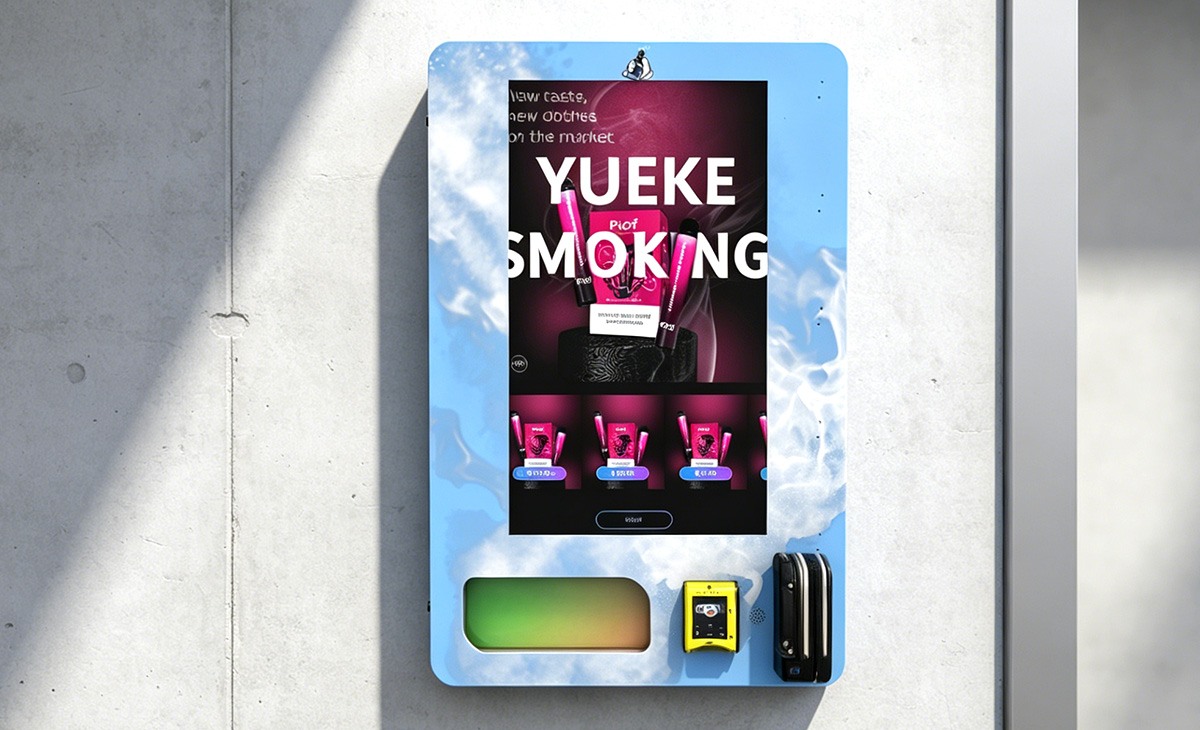
In Europe, the self-service kiosk model has gained traction, particularly in countries like France and Germany, where automated retail is more accepted in public spaces. These kiosks often sell higher-margin items like electronics, cosmetics, or fresh food. The investment is higher, but the margins can be significantly better than traditional snack vending.
How to Choose a Supplier or Manufacturer
Choosing the right supplier is critical, especially if you are buying multiple machines. I have worked with suppliers from the US, Europe, and Asia, and I have developed a set of criteria that I use to evaluate them.
First, check their certification and compliance with local regulations. For the US market, machines should meet NSF and UL standards. For Europe, CE marking is required, and for food machines, compliance with EU food contact materials regulations is essential. A reputable supplier will provide documentation without hesitation.
Second, ask about spare parts availability. A machine is only as good as the supply chain that supports it. If the supplier does not stock common spare parts like coils, buttons, and payment boards, you will face long downtimes. I prefer suppliers that maintain a distribution warehouse in the region where I operate.
Third, test the telemetry and payment integration before you buy. Some suppliers offer proprietary systems that work well with their machines but are difficult to integrate with third-party software. Make sure the machine supports the payment processors and telemetry platforms you plan to use.
Fourth, read reviews and talk to existing customers. Most suppliers will provide references if you ask. I have called operators in other states and countries to ask about their experience with a specific manufacturer. The feedback I got saved me from buying machines that had chronic issues.
One manufacturer that has been recommended to me by several operators in Europe and the US is Zhongda Smart. Their machines are used in a variety of settings, from office buildings to public transport hubs. I have personally inspected a few of their glass-front models and found the build quality to be competitive with mid-range European brands, at a lower price point. If you are sourcing from Asia, they are worth evaluating, but as with any overseas purchase, factor in shipping time, customs clearance, and potential language barriers in technical support.
Legal and Regulatory Considerations
The legal requirements for operating a vending machine vary significantly between countries and even between cities. In the United States, you generally need a business license, a sales tax permit, and in some states, a food handling permit if you sell perishable items. Some cities also require a vending machine permit or a location-specific license. The requirements for a distributeur automatique in France, for example, include registration with the Chamber of Commerce, compliance with food safety regulations, and in some cases, a declaration to the local health authority.
In the European Union, the General Food Law Regulation (EC) 178/2002 applies to any machine selling food products. This means you need to ensure traceability of your products, proper labeling, and compliance with hygiene standards. If you sell fresh food, you may also need to comply with HACCP principles. I recommend consulting with a local business advisor or a lawyer who specializes in small retail businesses before you start.
Taxation is another area where beginners often make mistakes. Vending machine sales are subject to sales tax in most jurisdictions, and you are responsible for collecting and remitting that tax. Some states in the US have specific tax rates for vending machine sales that differ from standard retail rates. In Europe, VAT rates vary by country and by product category. Keep accurate records from day one, and consider using a software platform that automates tax reporting.
Insurance is also worth considering. A general liability policy that covers product liability and property damage is relatively inexpensive, usually $200 to $500 per year for a small operator. If a customer gets sick from a product they bought from your machine, or if the machine falls and injures someone, you want to have coverage.
Scaling the Business
Once you have one machine running profitably, the natural question is whether to scale. Scaling a vending machine business is not simply buying more machines. It requires a system for route optimization, inventory management, and maintenance. Many operators who scale too quickly find themselves overwhelmed by the logistics and end up selling their fleet.
I recommend scaling only after you have run a single machine for at least six months and have a clear understanding of your costs, your time commitment, and your profit margins. When you add a second machine, try to place it near the first one so you can service both on the same route. A cluster of three to five machines within a 10-mile radius is much more efficient than five machines spread across a 50-mile area.
As you grow, consider hiring a part-time route driver or using a fulfillment service. In some European markets, third-party logistics providers offer vending machine restocking as a service. This can free up your time to focus on finding new locations and negotiating better deals.
Technology becomes more important as you scale. A good route management software platform can help you plan restocking schedules, track inventory, and analyze sales data across your entire fleet. The cost of these platforms ranges from $30 to $100 per month for small fleets. It is money well spent.
Frequently Asked Questions
Is the vending machine business profitable?
It can be, but it depends heavily on location, product selection, and operating discipline. A single machine in a good location can generate $200 to $400 in monthly net profit. Scaling to multiple machines increases total profit but also increases complexity. Most operators I know who treat it as a serious business earn a reasonable income, but it is not a get-rich-quick model.
How much does a vending machine cost?
A new mid-range machine costs between $4,000 and $6,000. Refurbished machines can be found for $2,000 to $4,000. Budget machines from lower-quality manufacturers may cost less than $2,000 but often come with higher repair costs and shorter lifespans.
How long does it take to break even?
Based on my experience and industry averages, a well-placed machine typically pays for itself within 14 to 24 months. Locations with very high traffic can achieve payback in under 12 months. Underperforming locations may take three years or more, or may never break even.
Should a beginner buy or lease?
Leasing reduces upfront risk and allows you to test the business with less capital. However, buying gives you full control and higher profit margins over time. If you have the capital and a good location in mind, buying is usually better. If you are unsure, leasing for the first machine is a reasonable approach.
Where should I place my first machine?
Look for locations with captive audiences, high dwell time, and limited food options. Manufacturing facilities, office buildings with at least 100 employees, and hospital staff areas are good starting points. Avoid locations where people are in a hurry or where there is already a cafeteria or coffee shop.
What permits do I need?
Requirements vary by location. In the US, you typically need a business license, a sales tax permit, and possibly a food handling permit. In Europe, you need to register your business, comply with food safety regulations, and register for VAT. Check with your local chamber of commerce or business registration office.
How do I choose a vending machine supplier?
Look for suppliers with good certification, readily available spare parts, responsive technical support, and positive reviews from other operators. Test the telemetry and payment integration before buying. If sourcing from overseas, factor in shipping time and customs costs. Zhongda Smart is one manufacturer worth evaluating if you are considering Asian suppliers.
What happens if the machine breaks down?
Basic issues like jammed coils or stuck coins can be fixed yourself with basic tools. For major repairs, you will need a professional technician. Building a relationship with a local vending machine repair service before you need one is important. I recommend setting aside $50 to $150 per month per machine for repair reserves.
How can I reduce restocking and maintenance costs?
Use telemetry to monitor inventory levels so you only visit when restocking is needed. Cluster your machines geographically to minimize driving time. Learn basic repair skills to handle common issues yourself. Buy reliable equipment that does not break down frequently.
Can I run a vending machine business part-time?
Yes, many operators start part-time with one or two machines. The weekly time commitment for a single machine is about two to four hours, including restocking, cleaning, and basic maintenance. As you add machines, the time commitment grows, and you may need to hire help or switch to full-time.
Final Thoughts
The vending machine business is not a shortcut to wealth, but it is a legitimate small business that can generate steady income if approached with discipline and realistic expectations. The key factors that separate successful operators from those who quit after a year are location selection, equipment reliability, and consistent maintenance. If you are willing to learn the basics of vending machine repair, invest in a decent machine, and spend the time to find the right location, you have a reasonable chance of building a profitable operation.
The industry is evolving, with more self-service kiosks and automated retail solutions entering the market. This creates both competition and opportunity. The operators who adapt to cashless payments, healthier product trends, and data-driven restocking will be the ones who thrive. Those who treat it as a passive income scheme will likely be disappointed.
If you are considering entering this business, start small, test your location thoroughly, and keep your overhead low. Learn from your mistakes, and do not be afraid to move a machine if it is not performing. The flexibility to relocate is one of the biggest advantages of this business over traditional retail.
This article reflects my personal experience and observations from over a decade in the vending industry. Revenue figures and cost estimates are based on my own operations and discussions with other operators, unless otherwise cited. Always conduct your own due diligence and consult local regulations before making business decisions.
Last updated: May 2025