Vending Machine Bill Acceptor Business Guide_ How It Works, Profit & Maintenance Explained
If you are looking into the vending machine bill acceptor business, you are likely wondering whether this is a viable way to generate passive income or just another expensive hobby. After over a decade operating vending routes across the United States and parts of Europe, I can tell you that the answer depends entirely on three things: location, equipment reliability, and how well you understand the cash handling system. A vending machine bill acceptor is not just a slot that takes money—it is the most failure-prone component in any machine, and getting it right separates profitable operators from those who quit within six months. This guide covers how the hardware works, what it actually costs to run a machine, and what maintenance looks like when you are the one holding the service key.
How a Vending Machine Bill Acceptor Actually Works
The bill acceptor is the brain of the payment system in any modern vending machine. It validates currency by scanning the magnetic ink, paper thickness, and optical patterns of a banknote. When a bill is inserted, the acceptor pulls it through a series of sensors. If the note passes validation, the acceptor sends a signal to the machine's control board to credit the sale. If it fails, the bill is rejected and returned. This process happens in under two seconds on most units from reputable manufacturers.
What many new operators do not realize is that bill acceptors are highly sensitive to dust, humidity, and counterfeit attempts. A dirty optical sensor is the number one cause of bill rejection in field operations. I have seen machines in high-traffic locations reject every other bill simply because the sensor lens had a film of grime from a nearby construction site. Cleaning the acceptor weekly is not optional—it is the difference between a machine that earns $600 per month and one that earns $200.
Key Components Inside the Acceptor
Every bill acceptor has a transport mechanism, a sensor array, a control board, and a stacker. The transport mechanism uses belts and rollers to pull the note through. The sensor array checks for security features. The control board communicates with the vending machine. The stacker holds accepted bills in a locked cassette. When the cassette is full, the machine stops accepting bills until it is emptied. This is a common point of failure in high-volume locations.
Some modern acceptors also support cashless payments through a sidecard or Bluetooth module. But the core function remains the same: take a dirty, crumpled, or slightly torn bill and decide whether it is real in less than a second. If you are sourcing machines from suppliers like Zhongda Smart, pay close attention to the acceptor model they ship with. Cheap acceptors fail faster and are harder to service locally.
Is the Vending Machine Bill Acceptor Business Profitable?
Yes, but not in the way most beginners imagine. The profit margins on product sales are typically between 25% and 40% depending on what you sell and where. A single machine in a good location can gross between $300 and $1,200 per month. After product cost, location commission, credit card processing fees, and maintenance, net profit usually falls between $150 and $500 per machine per month. That is not life-changing money on one machine, but scaling to twenty or thirty machines creates a solid income stream.
According to data from IBISWorld, the vending machine industry in the United States alone generates over $7 billion annually, with an average profit margin of around 12% after all expenses. That figure aligns with what I have seen in my own routes. The key is not to focus on margins alone but on machine uptime and location density.
The real money comes from reducing service intervals and keeping products turning. A machine that needs servicing twice a week because of a faulty bill acceptor will eat your profit in gas and labor. A machine that runs for two weeks between visits with a reliable acceptor is the one that pays you. This is why I tell every new operator to spend the extra money on a quality bill acceptor from the start.
Cost Breakdown for a Typical Machine
| Expense Category | Estimated Cost (USD) | Notes |
|---|---|---|
| Machine purchase (new) | $3,000 – $7,000 | Depends on size, brand, and payment system |
| Bill acceptor upgrade | $200 – $600 | Included in some machines, optional in others |
| Initial product inventory | $300 – $800 | Depends on machine capacity and product type |
| Location commission | 10% – 25% of gross | Negotiated with property owner |
| Credit card processing fees | 2.5% – 4% per transaction | Higher for small transactions |
| Monthly maintenance reserve | $50 – $100 | Parts, cleaning supplies, travel |
These numbers are based on my experience operating in mid-sized American cities. Costs will vary in Europe due to VAT and different commission expectations. But the ratio of costs to revenue remains similar across both markets.
Where Should You Place a Vending Machine?
Location is everything. I have placed machines in what looked like perfect spots—busy lobbies, gyms, office break rooms—only to see them fail because the traffic was not the right kind. You need people with cash or cards in hand and a reason to buy immediately. The best locations I have found are manufacturing plants with shift workers, hospitals with 24-hour staff, and college dormitories where students are too lazy to walk to the cafeteria.
A location needs a minimum of 100 people passing by per day to justify a machine, and at least 10% of them should be likely buyers. If you are paying a commission, make sure you have a trial period. I have walked away from locations that demanded 30% commission because the math simply did not work. A machine that grosses $500 per month with a 30% commission leaves you $350 before product cost. After product cost of around 60%, you are left with $140. That is not enough to cover maintenance and machine depreciation.
Red Flags in Location Agreements
Never sign a multi-year contract for a machine location. Always negotiate a 30-day termination clause. I have seen operators stuck in bad locations for years because they signed a lease with a property management company that refused to let them remove the machine. If the location does not perform, you need to be able to pull the machine and move it within weeks, not months.
Also, check the power supply. Machines need a dedicated outlet that is not shared with janitorial equipment. I have lost machines to power surges from floor buffers and vacuum cleaners. A simple surge protector is cheap insurance.
Maintenance: The Part That Kills Most New Operators
Vending machine repair is not glamorous. You will spend more time cleaning bill acceptors, replacing coin return levers, and resetting control boards than you will counting money. The most common issue I encounter is a jammed bill acceptor. Usually, it is a crumpled bill that got stuck in the transport belt. But sometimes it is a foreign object—a piece of paper, a gum wrapper, or even a coin that someone tried to jam in the bill slot.
Carry a spare acceptor in your vehicle. I learned this the hard way after driving 45 minutes to a location only to find the acceptor was dead. Without a spare, that machine is down for days. A down machine loses revenue and erodes trust with the location owner. If you are running multiple machines, a spare acceptor pays for itself in saved downtime within three months.
Recommended Maintenance Schedule
Based on my experience, here is a realistic maintenance schedule for a medium-traffic machine:
- Weekly: Clean bill acceptor sensors with a dry cotton swab. Check for jammed bills.
- Bi-weekly: Empty bill stacker. Count and record revenue. Restock products.
- Monthly: Inspect all wiring connections. Test coin mechanism. Lubricate moving parts if needed.
- Quarterly: Deep clean the entire machine interior. Check for pest activity. Replace any worn belts or rollers.
Skipping the weekly cleaning is the number one mistake I see. A dirty acceptor will reject valid bills, which frustrates customers and reduces sales. In one of my early locations, I lost nearly 40% of potential sales because the acceptor was rejecting bills that were slightly worn. After cleaning, sales returned to normal within days.
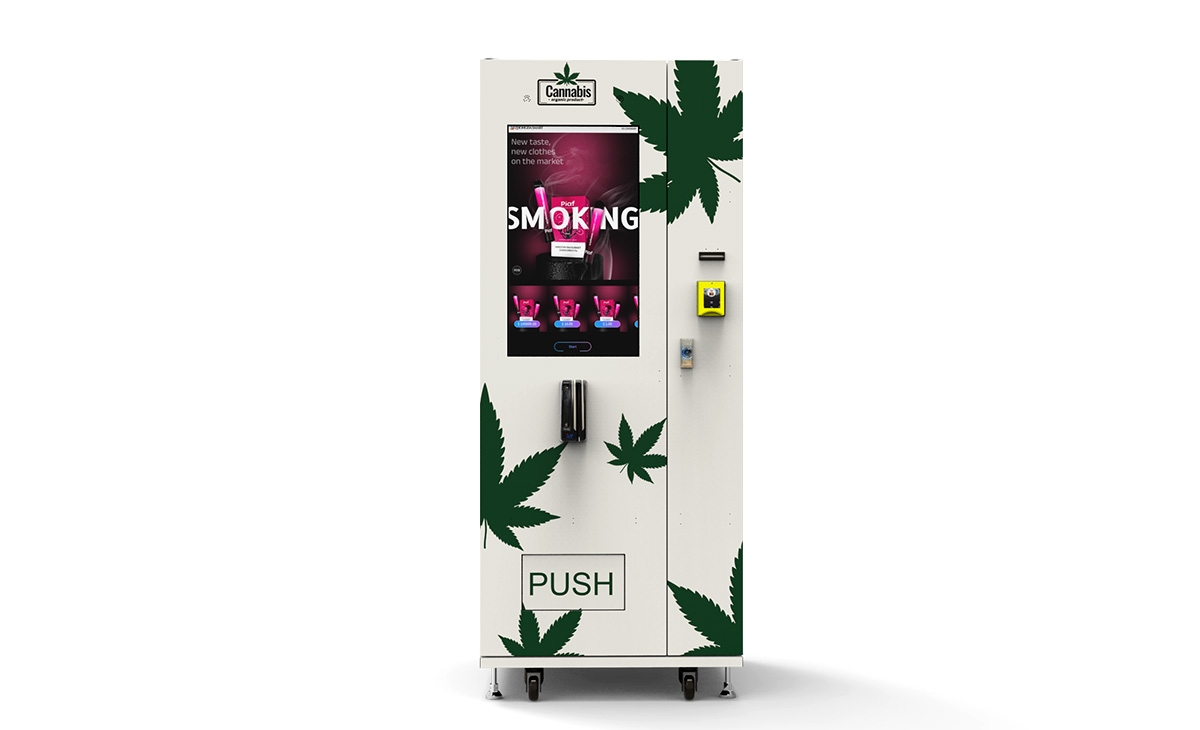
How to Choose a Vending Machine Supplier
Not all suppliers are the same. I have bought machines from large distributors and from smaller manufacturers. The biggest difference is in the quality of the bill acceptor and the control board. Cheap machines use off-brand acceptors that are difficult to repair and have no local service network. When the acceptor fails, you have to ship the entire unit back to the manufacturer and wait weeks for a replacement.
I recommend looking for suppliers that use established acceptor brands like MEI, Coinco, or Mars. These brands are widely serviced and parts are available through multiple channels. Zhongda Smart is one supplier that offers machines with reliable acceptors and good after-sales support. I have used their equipment in several locations and found the bill acceptors to be consistent and easy to clean. They also provide technical documentation in English, which is not always the case with overseas manufacturers.
When evaluating a supplier, ask three questions: What brand of bill acceptor is installed? Can I buy spare parts locally? What is the warranty on the acceptor? If the supplier hesitates on any of these, move on.
New vs. Used Machines
Used machines can save you money upfront, but they come with risks. A used machine with an old bill acceptor will fail more often. I have bought used machines that looked fine but had corroded sensor boards from years of exposure to humidity. The cost of replacing the acceptor and control board ate up any savings from buying used. If you are on a tight budget, look for used machines that are no more than five years old and have a known brand of acceptor. Avoid machines with proprietary acceptors that cannot be replaced with standard models.
Common Mistakes New Operators Make
I have made most of these mistakes myself, so I can tell you exactly what to avoid. First, do not overpay for a machine. I see beginners spend $8,000 on a fancy machine with a touchscreen and cashless payment, only to place it in a location that does not generate enough traffic to justify the investment. Start with a simple machine that has a reliable bill acceptor and a coin mechanism. You can upgrade later when you have proven the location.
Second, do not ignore the cashless payment option. According to a 2023 report from Statista, over 40% of vending machine transactions in the United States are now cashless. If your machine only accepts bills, you are losing a significant portion of potential sales. Many modern bill acceptors can be upgraded with a card reader module. Factor this into your budget from the start.
Third, do not assume that a high-traffic location guarantees sales. I placed a machine in a busy train station once and watched it fail because the commuters were in a hurry and did not want to stop. The same machine in a small office break room with 50 employees did three times the revenue. Traffic quality matters more than traffic quantity.
How to Evaluate a Machine Before Buying
Before you commit to a machine, run a simple calculation. Estimate the monthly revenue based on the location traffic and your product pricing. Subtract product cost, commission, processing fees, and maintenance. Divide the net profit by the machine cost to get your return on investment. A reasonable target is to recover your investment within 12 to 18 months. If the numbers do not work at that pace, either the location is wrong or the machine is too expensive.
Also, test the bill acceptor yourself. Insert a few bills of different denominations and conditions. A crisp new bill should be accepted every time. A worn but valid bill should also be accepted. If the acceptor rejects more than one out of ten valid bills, it needs cleaning or adjustment. Do not assume the seller has maintained it properly.
For a more detailed evaluation, consult the National Automatic Merchandising Association (NAMA) resources. They publish industry benchmarks for machine performance and maintenance costs that can help you set realistic expectations.
FAQ: Vending Machine Bill Acceptor Business
Is a vending machine business profitable?
It can be, but it depends on location, product mix, and maintenance discipline. Most operators see net profits of $150 to $500 per machine per month after all expenses. Scaling to multiple machines improves profitability.
How much does a vending machine cost?
A new machine typically costs between $3,000 and $7,000. Used machines can be found for $1,500 to $3,000, but may require repairs. The bill acceptor itself can cost $200 to $600 if it needs replacement.
How long until I break even?
Most operators break even within 12 to 18 months if the machine is in a good location. Machines in poor locations may never break even.
Should I buy or lease a machine?
Buying is almost always better in the long run. Leasing locks you into monthly payments and often includes hidden fees. I have never seen a lease deal that made financial sense for a small operator.
Where should I place my first machine?
Look for locations with consistent daily traffic and a captive audience. Manufacturing plants, hospitals, and college dorms are good starting points. Avoid locations with high turnover like gas stations unless you have a strong relationship with the owner.
What permits do I need?
Requirements vary by state and country. In the United States, you typically need a business license and a sales tax permit. Some cities require a vending machine permit. Check with your local city hall or business licensing office.
How do I choose a supplier?
Look for suppliers that use established bill acceptor brands like MEI or Coinco. Ask about warranty and spare parts availability. Zhongda Smart is a reliable option for machines with good acceptors and English support.
What if the machine breaks down?
Keep a spare bill acceptor and basic tools in your vehicle. Learn to clean sensors and reset control boards. For major repairs, find a local vending machine repair technician before you need one.
How do I reduce maintenance costs?
Clean the bill acceptor weekly. Use high-quality products that do not leak or spill. Avoid locations with high dust or humidity. Buy machines with modular components that are easy to replace.
This guide reflects my personal experience operating vending machines in the United States and Europe over the past decade. Every location is different, and results will vary. Always verify local regulations and consult a business advisor before making significant investments. The vending machine business is not a get-rich-quick scheme, but with the right equipment and disciplined maintenance, it can provide a steady return over time.
本文更新于2025年5月