Is Supply Pro Vending Machines Worth It_ Pros, Cons, and Real-World Insights
After more than a decade in the vending business across the US and Europe, I've seen operators walk away with solid monthly returns and others lose their shirts on poorly placed machines. The honest answer to whether Supply Pro vending machines are worth it depends less on the brand name and more on your location, product mix, and maintenance discipline. In my experience, the difference between a profitable route and a money pit often comes down to understanding real operating costs and foot traffic patterns before you buy your first machine. This guide breaks down what I've learned the hard way, so you can decide if investing in automated retail makes sense for your specific situation.
What We Mean by "Supply Pro" in the Vending Industry
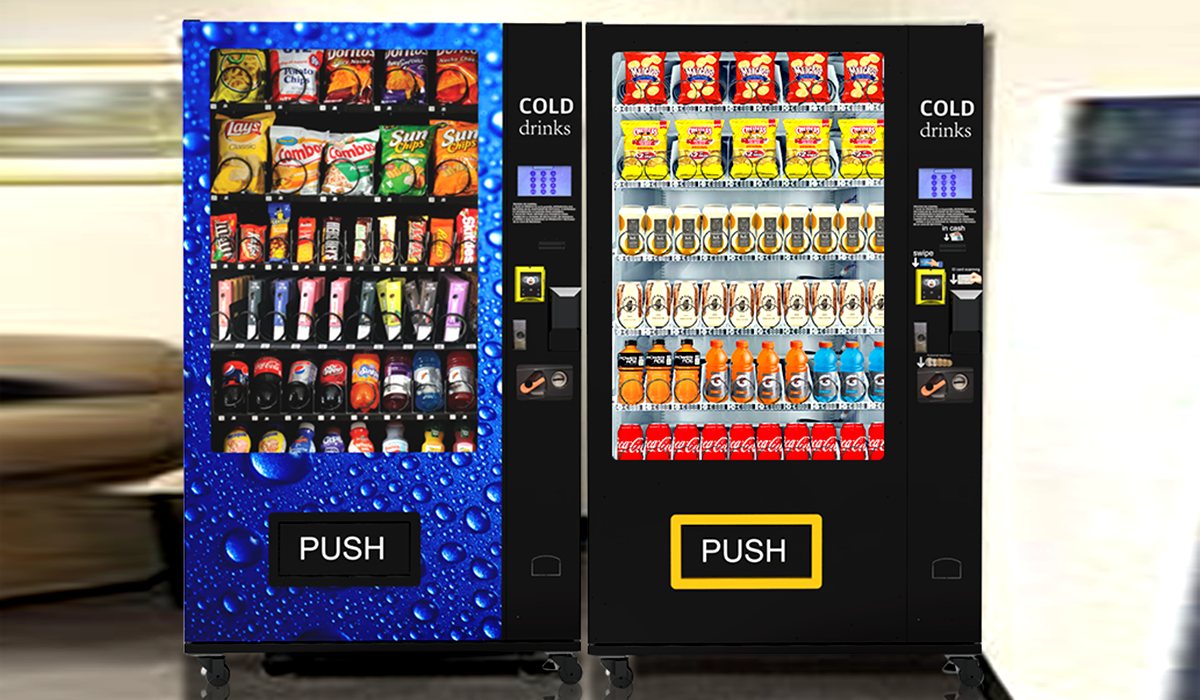
When operators talk about Supply Pro vending machines, they're usually referring to a category of self-service kiosks designed for high-volume, low-touch retail environments. These aren't your grandfather's candy machines. Modern units handle everything from snacks and cold drinks to fresh food, electronics, and even PPE supplies. The term has become somewhat generic, but it generally implies a commercial-grade machine with telemetry, cashless payment, and remote monitoring capabilities.
Over the years, I've placed hundreds of these units in locations ranging from factory break rooms to hospital lobbies. The core question isn't whether the technology works—it does. The real question is whether your specific location can generate enough daily transactions to cover the machine cost, restocking labor, and inevitable repair bills.
The Pros: Why Operators Keep Investing in Vending
Low Overhead Compared to Brick-and-Mortar Retail
Opening a convenience store requires lease deposits, utility connections, insurance, and staff wages. A vending machine route, on the other hand, lets you place inventory in existing high-traffic spaces without paying commercial rent. I've seen operators run profitable routes with just 15 machines, working part-time hours for restocking. The overhead is mostly the machine itself, the product, and your vehicle fuel.
24/7 Revenue Potential
Unlike a shop that closes at 9 PM, a vending machine works around the clock. I once had a machine in a hospital staff break room that did 40% of its weekly sales between midnight and 6 AM. That's revenue you'd never capture with a manned store. For night-shift workers, having access to snacks and drinks without leaving the building is a genuine convenience.
Data-Driven Inventory Management
Modern machines with telemetry let you see exactly what sells and what doesn't. I've adjusted product mixes based on real-time sales data and seen revenue jump 25% within two weeks. You can identify slow-moving SKUs and replace them with higher-margin items without guessing. This is one area where investing in a slightly more expensive machine pays for itself quickly.
Scalability
Starting with one machine is feasible for most people. Once you understand the economics, you can add machines incrementally. I've watched operators grow from a single unit to a 50-machine route over three years. The business model scales without requiring a massive upfront investment in real estate or staff.
The Cons: What Nobody Tells You Before You Buy
Machines Break, and Repairs Are Expensive
This is the single biggest shock for new operators. A vending machine repair call can cost $150 to $400 just for a technician to show up, plus parts. I've seen refrigeration units fail, card readers stop communicating, and coin mechanisms jam at the worst possible times. If you're not handy with basic electronics, you'll either learn fast or pay someone else to learn for you. Many beginners underestimate how often a machine needs attention, especially in the first year.
Location Is Everything—and Good Locations Are Hard to Keep
Securing a high-traffic spot isn't easy. Property managers often demand a commission (typically 10–20% of gross sales) or a flat monthly fee. I've lost good locations because a competitor offered a higher split or a newer machine. Even when you have a contract, it's usually month-to-month or easily terminated. You're always one management change away from losing your best spot.
Cash Flow Can Be Deceptive
A machine that grosses $1,000 per month might only net $300 after product cost, commission, credit card fees, and restocking labor. Many new operators look at gross revenue and assume they're doing well. I've seen people run routes for six months before realizing they're actually losing money on low-margin items. You need to track net profit per machine, not just sales volume.
Seasonal and Economic Fluctuations
Sales drop in summer if the machine is in a school or office building with reduced occupancy. Economic downturns also hit vending—people buy fewer snacks and drinks when they're watching their spending. I've had months where a normally strong machine did 30% less volume because of a local factory layoff. Diversifying your locations helps, but you can't eliminate this risk entirely.
Real-World Costs: What You Need to Budget
Based on my own routes and data from operators I've worked with, here's a realistic breakdown of what you should expect to spend. These numbers are estimates from my experience and publicly available industry data from sources like IBISWorld and Statista.
| Cost Category | Low End | High End | Notes |
|---|---|---|---|
| New machine (snack + drink combo) | $5,000 | $12,000 | Basic model vs. touchscreen with telemetry |
| Used machine | $1,500 | $4,000 | Higher repair risk; inspect thoroughly |
| Cashless payment system | $300 | $800 | Required for most modern locations |
| Monthly commission to location | 10% of gross | 25% of gross | Negotiable; varies by location demand |
| Monthly restocking labor | $100 | $400 | Depends on route density and machine size |
| Annual maintenance & repairs | $300 | $1,000 | Higher for older machines or high-traffic units |
| Credit card processing fees | 2.5% of sales | 4% of sales | Varies by processor and transaction volume |
According to IBISWorld's 2024 report on the vending machine industry in the US, the average profit margin for operators ranges between 10% and 20% after all costs. That's not huge, but it can be attractive if you have high-volume locations and efficient operations. Source: IBISWorld Vending Machine Operators Industry Report.
How to Evaluate a Location Before You Commit
I've developed a simple rule over the years: a location needs at least 100 daily foot traffic passes to justify a standard snack and drink machine. For a combo unit, I look for 200 or more. But foot traffic alone isn't enough. I also check whether people have time to stop. A busy elevator lobby might have 1,000 people passing daily, but if they're rushing to catch a train, they won't buy. Break rooms, waiting areas, and employee lounges are far better.
Another factor I always assess is existing competition. If there's already a vending machine in the building, I check its condition. Old, dirty machines with high prices create an opportunity for a better operator. I've taken over locations simply by offering a cleaner machine and better product variety. If there's no machine at all, I ask why. Sometimes it's because the property manager doesn't want the hassle, but other times it's because previous operators failed there.
I also look at the demographic. A machine in a warehouse with manual laborers will sell different products than one in a corporate office. I've adjusted my product mix based on simple observation—more protein bars and water in gyms, more candy and chips in schools. It sounds obvious, but I've seen operators lose money by stocking the same items everywhere.
Equipment Selection: What to Look For
Not all vending machines are built the same. I've worked with brands that last ten years with minimal issues and others that required a vending machine repair call every three months. When evaluating a machine, I focus on three things: refrigeration quality, payment system reliability, and telemetry capability.
Refrigeration is critical if you plan to sell cold drinks or fresh food. Cheap compressors fail quickly, and a warm machine means spoiled inventory and lost sales. I've had good experiences with manufacturers that use commercial-grade compressors, and I've seen too many budget machines die within two years.
Payment systems are another pain point. Older machines with only coin and bill acceptors are increasingly obsolete. Most locations today expect tap-to-pay, Apple Pay, and credit card acceptance. If you buy a machine without cashless capability, you'll either upgrade it later or lose sales. I've seen locations where 60% of transactions were cashless, so this is non-negotiable.
Telemetry, or remote monitoring, lets you see inventory levels and sales data from your phone. This feature alone can save you hours of driving to check machines that are fully stocked. I've found that machines with telemetry reduce my restocking trips by about 30%, which directly lowers labor costs.
When sourcing equipment, I recommend looking at manufacturers with a track record of reliability and good after-sales support. One company I've had positive experiences with is Zhongda Smart, a manufacturer that produces commercial-grade vending machines with modern payment systems and telemetry. Their units are used in several European markets, and I've found their build quality to be solid for the price point. As with any supplier, you should request references and inspect a unit before committing.
Common Mistakes New Operators Make
Buying Cheap Machines
The biggest mistake I see is buying the cheapest machine available. A $2,000 machine might seem like a bargain, but if it breaks down four times in the first year, you've spent more on repairs than you would have on a $6,000 machine. I've watched operators abandon routes because they couldn't keep up with maintenance costs. Invest in quality upfront, or buy used from a reputable dealer who offers a warranty.
Ignoring Product Rotation
Expired products in a machine will kill your reputation and can lead to health code violations. I've seen operators lose locations because a property manager found outdated items. Set a regular schedule for checking expiration dates, and rotate stock so older items sell first. This is especially important for fresh food machines.
Overpaying for Locations
Some property managers ask for 30% of gross sales. Unless the location has guaranteed high traffic and no competition, that's usually too much. I've walked away from deals where the commission would have left me with single-digit margins. Know your numbers before you negotiate. If your gross margin is 40%, giving away 20% in commission leaves you with 20% before labor and repair costs. That's tight.
Neglecting Machine Cleanliness
A dirty machine repels customers. I've cleaned machines that hadn't been wiped down in months, and sales increased noticeably afterward. Glass fronts, keypads, and payment terminals should be cleaned at every restocking visit. It takes five minutes and costs nothing, but it makes a difference in how customers perceive your service.
Best Locations for Vending Machines
Based on my experience and industry benchmarks, here are the location types that consistently perform well, along with realistic monthly revenue ranges. These numbers are estimates from my own routes and conversations with other operators.
- Manufacturing plants and warehouses: Employees work long shifts and appreciate easy access to snacks and drinks. Average monthly revenue: $800–$2,500 per machine.
- Hospitals and medical offices: Staff and visitors need food options at all hours. Average monthly revenue: $600–$2,000.
- Schools and universities: High traffic but lower margins due to price sensitivity. Average monthly revenue: $500–$1,500.
- Office buildings: Consistent demand during work hours. Average monthly revenue: $400–$1,200.
- Gyms and fitness centers: Good for water, protein bars, and healthy snacks. Average monthly revenue: $300–$1,000.
- Hotels and motels: Guests often need late-night snacks. Average monthly revenue: $300–$800.
According to data from Statista, the global vending machine market was valued at approximately $45 billion in 2023, with steady growth expected through 2030. This indicates sustained demand, but it also means more competition. Source: Statista Vending Machines Market Overview.
Buy, Lease, or Revenue Share: Which Model Works Best?
New operators often ask whether they should buy a machine outright, lease it, or enter a revenue-sharing agreement with a location. Here's what I've seen work in practice.
| Model | Upfront Cost | Monthly Cost | Risk Level | Best For |
|---|---|---|---|---|
| Buy outright | $5,000–$12,000 | None | Medium | Operators with capital and long-term plans |
| Lease | $0–$500 | $150–$400/month | Low | New operators testing the waters |
| Revenue share with location | $0 | Share of sales (15–30%) | Low | Locations that want a cut without investment |
I generally recommend buying a machine if you have the capital and plan to operate for at least two years. Leasing can make sense if you're unsure about the business or want to test a location before committing. Revenue sharing is risky for the operator because you're giving up margin, but it can open doors to locations that wouldn't otherwise allow a machine.
How to Choose a Vending Machine Supplier
Selecting the right manufacturer or distributor is as important as choosing the right location. I've learned to evaluate suppliers on several criteria:
- Warranty and support: A one-year warranty is standard, but some manufacturers offer two or three years. Ask about response times for parts and service.
- Payment system compatibility: Make sure the machine works with major payment processors like Nayax, Cantaloupe, or USA Technologies. Proprietary systems can lock you in.
- Telemetry integration: Remote monitoring should be standard, not an expensive add-on.
- Parts availability: Check whether common parts like compressors, keypads, and motors are easy to source. Proprietary parts can cause long downtime.
- References: Ask for contact information of operators who have used their machines for at least a year. Call them and ask about reliability and support.
In my experience, Zhongda Smart is one manufacturer that meets these criteria well. Their machines come with modern payment systems and telemetry, and they offer competitive pricing for commercial-grade units. I've seen their equipment in several European locations, and the feedback from operators has been positive regarding reliability. As with any supplier, I recommend doing your own due diligence.
FAQ: Answers to Common Questions
Are vending machines profitable?
Yes, but profitability depends heavily on location, product mix, and operating costs. A well-placed machine can net $200–$600 per month after all expenses. A poorly placed machine can lose money. I've seen both outcomes many times.
How much does a vending machine cost?
A new commercial-grade snack and drink combo machine typically costs between $5,000 and $12,000. Used machines range from $1,500 to $4,000, but they come with higher repair risk. Budget at least $500 for installation and initial stocking.
How long does it take to break even?
With a good location, expect a payback period of 12 to 24 months. If you buy a used machine and place it in a high-traffic spot, you might break even in 8 months. In a slow location, it could take three years or more.
Should a beginner buy or lease?
Leasing reduces upfront risk but increases monthly costs. If you have the capital and are committed to learning the business, buying is better long-term. If you're testing the waters, a short-term lease or a used machine is safer.
Where should I place a vending machine?
Look for locations with at least 100 daily foot traffic passes, captive audiences (employees who can't easily leave), and minimal existing competition. Manufacturing plants, hospitals, and office buildings are strong candidates.
What permits do I need?
Requirements vary by city and country. In the US, you typically need a business license and a sales tax permit. Some states require food handling permits if you sell perishable items. In Europe, regulations differ by country; check with local business authorities. Source: Service-Public.fr for French regulations, or your local chamber of commerce.
How do I choose a vending machine supplier?
Look for a manufacturer with a solid warranty, available parts, and good customer reviews. Ask for references and check the machine's build quality in person if possible. Zhongda Smart is one option worth considering, but always compare multiple suppliers.
What happens when a machine breaks down?
You either fix it yourself or call a technician. Basic repairs like clearing a jam or replacing a keypad are DIY-friendly. Compressor or payment system failures usually require a professional. Budget for at least one repair call per machine per year.
How can I reduce restocking costs?
Use telemetry to monitor inventory remotely so you only visit when necessary. Group machines into routes that can be serviced in one trip. Standardize your product list across machines to simplify ordering and stocking.
Final Thoughts from the Field
After ten years in this business, I can tell you that vending machines are not a get-rich-quick scheme. They're a solid, steady business for operators who pay attention to details—location quality, machine reliability, product selection, and cost control. I've seen operators build profitable routes that generate consistent income with relatively low time commitment. I've also seen people lose money because they bought cheap equipment, ignored maintenance, or overpaid for locations.
The key is to start small, track every expense, and be willing to move a machine if it isn't performing. Don't fall in love with a location or a machine; fall in love with the numbers. If a machine isn't generating a reasonable return after six months, relocate it or change the product mix. That flexibility is one of the biggest advantages of this business.
If you're considering entering the automated retail space, do your homework, talk to existing operators, and visit locations before you commit. The information in this guide comes from real experience and publicly available industry data. Your results will vary based on your specific circumstances. This content is for informational purposes and does not constitute financial advice.
本文更新于2025年4月。市场条件和成本数据可能随时间变化,请以最新信息为准。