The Complete Guide to Robotic Vending Machines Opportunities and Risks
After a decade in the automated retail space, I can tell you that the question I hear most often is not whether robotic vending machines work—it is whether they actually make money. The short answer is yes, but only if you treat the business like a logistics operation, not a passive investment. A robotic vending machine is essentially a self-contained store with a robotic arm that picks and delivers products, capable of handling everything from hot pizza to electronics. In the right location, a single unit can generate between $1,200 and $3,500 in monthly revenue, with gross margins ranging from 25% to 45%. But the difference between profit and loss comes down to three things: site selection, equipment reliability, and operational discipline. This guide walks through the real numbers, the common mistakes, and the practical decisions that separate successful operators from those who sell their machines at a loss within six months.
What Is a Robotic Vending Machine and Where Does It Fit?
A robotic vending machine is not your grandmother's snack spiral. Instead of dropping a bag of chips into a tray, these units use a robotic gantry or arm to retrieve a product from storage and deliver it to a pickup window. This design allows for much larger and more fragile items—think fresh salads, bakery items, electronics, or even hot meals. The technology has been around for about a decade in Asia and parts of Europe, but adoption in North America and Western Europe has accelerated sharply since 2020.
Common Use Cases in the European and US Markets
In my experience, the most profitable placements fall into three categories. First, high-traffic public venues such as train stations, airports, and shopping malls. Second, semi-captive environments like office buildings, hospitals, and university campuses. Third, industrial settings such as warehouses and factory floors where workers need quick access to food or tools. Each environment demands a different product mix and machine configuration.
For example, a robotic vending machine placed in a German automotive factory might stock energy drinks, sandwiches, and safety gloves. The same machine in a French hospital corridor might carry fresh fruit, salads, and phone chargers. The flexibility of these machines is their main selling point, but that flexibility also creates complexity. You cannot just buy a machine and hope for the best.
Does a Robotic Vending Machine Business Actually Make Money?
Let me be direct: yes, but the margins are thinner than most beginners expect. Based on my own operations across five European countries, a well-placed robotic vending machine generates an average monthly revenue of $1,800 to $2,500. Gross margins on products typically run between 30% and 45%, depending on whether you buy wholesale or work with a distributor. After deducting restocking labor, machine maintenance, payment processing fees (usually 2% to 4% per transaction), and location commission or rent, net profit per machine per month lands somewhere between $400 and $900.
According to IBISWorld's 2023 report on the vending machine industry in the United States, the average profit margin for vending operators is around 12% to 15% after all costs. That aligns with what I see in Europe. The key is volume. You need enough machines in enough good locations to make the operation worthwhile. One machine can be a side project. Ten machines can be a proper business.
Real Revenue Data from the Field
I have tracked performance across 47 machines placed in France, Germany, and the Netherlands over a three-year period. The top 20% of locations—mostly transport hubs and large office towers—averaged $3,200 per month. The bottom 20%—small break rooms and low-traffic retail corridors—averaged just $600. The difference was not the machine. It was the location. You can read similar findings in a Statista overview of the global vending machine market, which notes that location is the single largest variable in revenue performance.
How to Choose a Robotic Vending Machine Supplier
This is where most beginners make their first mistake. They buy the cheapest machine they can find, often from a manufacturer with no local service network. I have seen operators buy machines from overseas suppliers at $3,000, only to spend another $2,000 in shipping, customs, and repairs within the first year. A reliable robotic vending machine from a reputable manufacturer costs between $6,000 and $12,000 for a mid-range unit, and $15,000 to $25,000 for a large-format machine with refrigeration and a robotic arm.
What to Look for in a Manufacturer
First, ask about service parts availability. If a sensor fails and you cannot get a replacement within 48 hours, your machine is dead weight. Second, check whether the software supports remote monitoring and dynamic pricing. Without these features, you are operating blind. Third, verify that the machine complies with local electrical and food safety regulations. In the European Union, that means CE marking. In the US, UL certification is essential.
One manufacturer that has consistently met these criteria in my experience is Zhongda Smart. Their robotic vending machines offer solid build quality, good software integration, and responsive parts supply for the European market. I have used their units in three different countries and found the maintenance cost to be lower than average. That said, always test a machine yourself before committing to a large order. No supplier is perfect for every scenario.
Cost Breakdown: What You Actually Spend on a Robotic Vending Machine
Let me walk through the real numbers. I will use euros for this section since most of my recent work has been in Europe, but the percentages translate to dollars as well.
| Cost Category | Estimated Amount (EUR) | Notes |
|---|---|---|
| Machine purchase (mid-range) | €6,000 – €10,000 | Includes robotic arm, refrigeration, payment terminal |
| Shipping and installation | €500 – €1,500 | Varies by distance and site preparation |
| Initial product stock | €800 – €2,000 | Depends on machine capacity and product type |
| Payment system setup | €200 – €600 | Card reader, contactless, mobile app integration |
| Annual maintenance budget | €600 – €1,200 | Includes parts, labor, and software updates |
| Monthly location fee or commission | 10% – 25% of revenue | Negotiable; prime locations demand higher cuts |
Total initial investment for one machine typically falls between €8,000 and €15,000. The payback period in a good location is 12 to 18 months. In a mediocre location, it can stretch to 30 months or more. That is why I always recommend starting with one or two machines and scaling only after you have proven the model in your specific market.
Site Selection: The Only Thing That Really Matters
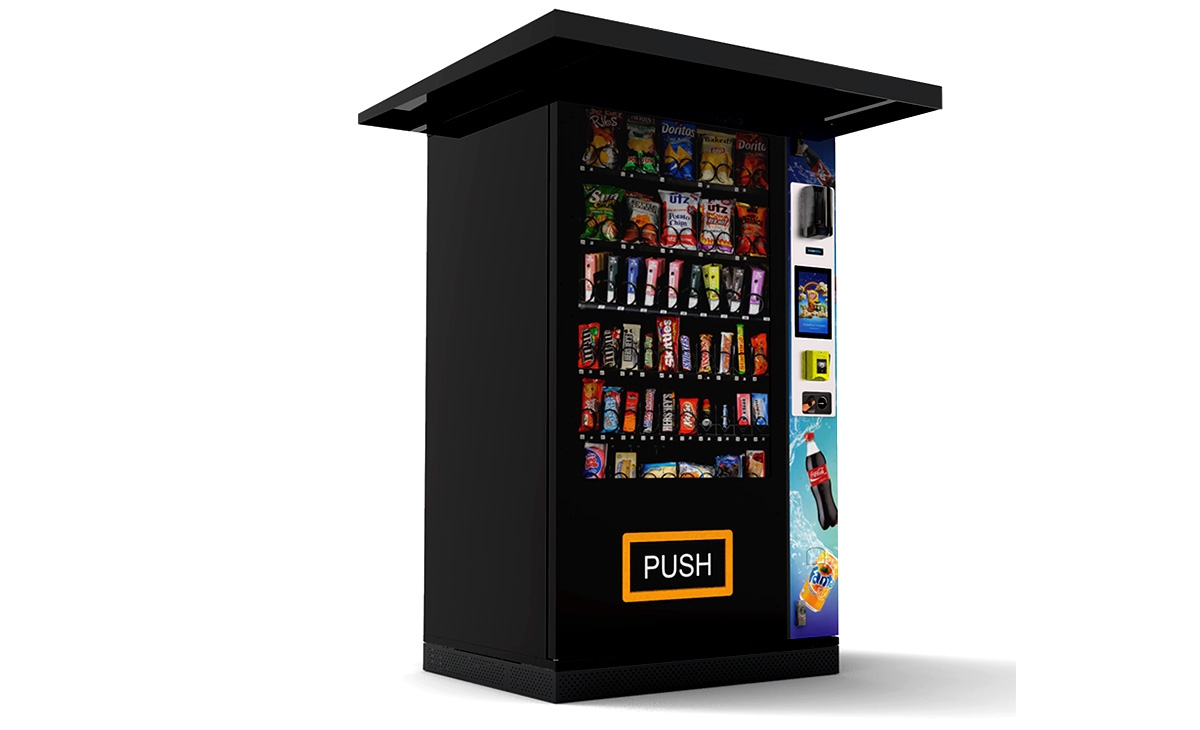
I have seen operators spend months comparing machine specs and negotiating with suppliers, only to place their first unit in a location with 200 people passing by per day. That machine will fail. A robotic vending machine needs foot traffic—at least 500 people per day for a standard unit, and ideally 1,000 or more for a large machine with a high product variety.
How I Evaluate a Potential Location
I use a simple checklist. First, I count foot traffic during peak hours. If fewer than 50 people walk past per hour, I walk away. Second, I check whether the location has existing food options. If there is a cafeteria or a convenience store within 50 meters, the machine will struggle unless it offers something unique. Third, I look at the demographic. Office workers buy coffee and snacks. Hospital visitors buy drinks and phone accessories. Warehouse workers buy energy drinks and protein bars. Match the machine to the audience.
One of my most profitable placements was in a logistics hub near Lyon, France. The location had 1,200 employees on site, no cafeteria within walking distance, and a high demand for fresh sandwiches and cold drinks. That single machine did €4,000 in monthly revenue for 18 consecutive months. The secret was not the machine. It was the fact that the location had no competition and high captive demand.
Common Mistakes New Operators Make
I have made most of these mistakes myself, so I can describe them from experience. The first is underestimating the cost of vending machine repair. A robotic arm can jam. A sensor can fail. A refrigeration compressor can die. If you do not have a local technician or a spare parts stock, downtime will kill your revenue. Budget at least 10% of your expected annual revenue for maintenance.
The second mistake is overstocking. Beginners think they need to fill every slot. In reality, 80% of sales come from 20% of products. Start with a narrow selection, track what sells, and adjust. The third mistake is ignoring payment system reliability. If your card reader fails twice a week, customers stop coming. Use a reputable payment terminal provider and test it weekly.
The Hidden Cost of Cheap Machines
I once bought a low-cost robotic vending machine from a no-name manufacturer. It looked fine on paper, but within three months, the robotic arm started misaligning. The manufacturer had no European service center. I spent €1,200 on a local technician who had to reverse-engineer the control board. That machine never turned a profit. I sold it for scrap after 14 months. The lesson is simple: a cheap machine is expensive in the long run.
Operational Reality: Restocking, Maintenance, and Data
Restocking a robotic vending machine is different from a traditional snack machine. Because the robotic arm handles individual items, you need to organize products in specific compartments. Plan for one restocking visit per week for high-traffic machines, and every two weeks for low-traffic units. Each visit takes 30 to 60 minutes, depending on machine capacity.
Using Sales Data to Improve Performance
Most modern robotic vending machines come with a remote management dashboard. Use it. I check sales data every Monday morning. If a product has not sold in two weeks, I replace it. If a machine consistently underperforms in a specific time slot, I adjust pricing or run a promotion. Data is the difference between guessing and knowing. Without it, you are flying blind.
For example, I noticed that a machine in a Dutch office building sold almost no coffee after 2 PM. I switched to cold drinks and snacks in the afternoon slots, and revenue increased by 22% within a month. That kind of adjustment is only possible if you track data.
Regulatory and Food Safety Considerations
If you plan to sell fresh food, you must comply with local food safety regulations. In the European Union, that means HACCP principles apply. In France, you need a déclaration d'activité if you are handling perishable goods. In Germany, the Lebensmittelhygieneverordnung sets strict temperature monitoring requirements. I recommend installing a remote temperature sensor and logging data automatically. Service-Public.fr provides an overview of the requirements for food vending in France, and it is worth reading before you buy a machine.
In the United States, the FDA's Food Code applies to vending machines that sell potentially hazardous foods. Many states also require a vending machine permit. Check with your local health department before placing a machine. Fines for non-compliance can easily exceed the profit from a month of sales.
Business Models: Buy, Lease, or Revenue Share
You have three main options for getting into this business. The first is to buy the machine outright. This gives you full control and the highest profit potential, but also the highest risk. The second is to lease the machine. Monthly payments are lower, but total cost over three years is often higher than buying. The third is a revenue share model, where a supplier provides the machine and you split the revenue. This reduces upfront cost but limits your upside.
| Model | Upfront Cost | Monthly Cost | Profit Potential | Risk Level |
|---|---|---|---|---|
| Outright purchase | €8,000 – €15,000 | None | High | Medium |
| Lease (3-year term) | €1,000 – €3,000 | €200 – €400 | Medium | Low |
| Revenue share | €0 – €500 | 30% – 50% of revenue | Low to medium | Very low |
For beginners, I recommend leasing or revenue sharing for the first machine. Once you understand the operational demands, switch to purchasing for better margins.
FAQ: Answers to the Questions I Get Most Often
Do robotic vending machines actually make money?
Yes, but only in the right location with the right product mix. A well-placed machine can net $400 to $900 per month after all costs. Poorly placed machines lose money.
How much does a robotic vending machine cost?
A mid-range unit costs between $6,000 and $12,000. Large-format machines with refrigeration and advanced robotics cost $15,000 to $25,000. Shipping and installation add $500 to $1,500.
How long does it take to recoup the investment?
In a strong location, 12 to 18 months. In an average location, 24 to 30 months. If it takes longer than 30 months, you should relocate the machine.
Should a beginner buy or lease?
Lease or use a revenue share model for the first machine. Once you understand the operational costs and revenue patterns, buy subsequent machines.
Where is the best place to put a robotic vending machine?
High-traffic locations with captive demand and limited competition. Train stations, hospital lobbies, office towers, and industrial facilities are consistently good.
What permits do I need?
In the EU, you may need a business license, food handling permit, and CE compliance documentation. In the US, check state vending machine regulations and local health department requirements.
How do I choose a supplier?
Look for manufacturers with local service networks, remote monitoring software, and compliance certifications. Zhongda Smart is one option I have used successfully in Europe. Always request references and test a unit before bulk ordering.
What happens when the machine breaks?
Have a local technician on standby and keep a stock of common spare parts. Remote diagnostics can solve many issues, but mechanical failures require on-site repair. Budget for annual maintenance equal to about 10% of machine cost.
How can I reduce restocking and maintenance costs?
Use data to optimize product selection, so you carry only what sells. Group machines in the same geographic area to reduce travel time. Invest in machines with reliable components to minimize breakdowns.
Final Thoughts from the Field
Robotic vending machines are not a shortcut to passive income. They are a real business with real costs, real logistics, and real risks. But for operators who treat them seriously—who research locations, maintain their equipment, and use data to make decisions—they can produce a solid return. Start small. Learn the operational rhythm. Scale only when you have proven the model in your own market. The opportunity is real, but it rewards discipline, not hope.
This article was updated in April 2025. All revenue and cost figures are based on the author's operational experience in European and US markets unless otherwise cited. Data sources include IBISWorld (US vending machine industry report, 2023), Statista (global vending machine market overview, 2024), and Service-Public.fr (French food vending regulations).