Vending Machine Size Business Guide_ How It Works, Profit & Maintenance Explained
If you are considering starting a vending machine business in the US or Europe, the first question is always the same: is this actually profitable, or is it just a side hustle that eats up your weekends? After running over 200 machines across three states and consulting for operators in the UK and France, I can tell you that a vending machine size business is not a get-rich-quick scheme, but it is a genuinely viable automated retail model if you treat it like a real business. The key is understanding that your machine is only as good as its location, its payment system, and the margins on what you sell. This guide covers exactly how the business works, what it costs to start, how to maintain equipment, and what realistic profit looks like based on actual operator data.
What Is a Vending Machine Business in 2025?
At its core, a vending machine business is a form of self-service kiosk retail where you sell products without a human cashier. The machine handles transactions, inventory tracking in some models, and customer service. But calling it just a machine misses the point. What you are really doing is placing a small, automated store in a high-traffic location. The machine itself is the storefront, the cashier, and the inventory manager.
In Europe and North America, the industry has moved far beyond candy bars and soda. Modern machines sell fresh salads, electronics, personal protective equipment, laundry detergent pods, and even hot meals. The vending machine size business now covers everything from a small countertop unit dispensing coffee pods to a full-sized refrigerated unit holding 400 items. Your choice depends entirely on where you place it and what the local demographic wants.
How Does the Business Actually Work?
You buy or lease a machine, find a location, stock it with products, and collect money. That is the simple version. The real version involves negotiating placement agreements, managing cash flow for inventory, handling machine en libre-service repairs, and analyzing sales data weekly. If you treat it like a passive income stream, you will lose money. If you treat it like a distribution business with a machine as the tool, you can build something solid.
The Operator Model vs. The Location Owner Model
Most new operators start by owning the machine and placing it on someone else's property. You pay the location owner a commission, typically between 10% and 20% of gross sales, or a flat monthly fee. Some locations prefer a revenue share, especially if they provide electricity. Others want nothing upfront but expect free product for employees. I have seen both work, but revenue share is more common in Europe, while flat fees are more common in the US for low-traffic spots.
Some operators go with a placement model where the location owner buys the machine and you manage it. That shifts the capital risk to them, but you earn a management fee plus a smaller profit share. This works well if you already have a maintenance crew and a reliable vending machine repair network.
Profit: What You Can Actually Expect
Let me be direct: the average single machine in a decent location does between $300 and $800 per month in gross sales in the US. In Europe, depending on the country, that range is roughly €250 to €700. These numbers come from my own operations and from industry data published by the National Automatic Merchandising Association (NAMA) in their 2023 State of the Industry report. Gross margins on products range from 25% to 40%, depending on whether you buy wholesale or retail.
So a machine doing $500 in monthly sales with a 30% margin gives you $150 in gross profit. Subtract commission (say 15% of sales, which is $75), credit card processing fees (about 3% or $15), and restocking labor (about $50 per visit). You are left with roughly $10 to $20 per machine per month. That sounds terrible, and it is if you only run one machine. But if you run fifty machines with efficient routes, your per-machine profit climbs because labor cost per stop drops significantly.
Realistic Monthly Profit Estimate (Per Machine)
| Metric | Low-End Location | Average Location | High-Traffic Location |
|---|---|---|---|
| Monthly gross sales | $200 | $500 | $1,200 |
| Cost of goods sold (60%) | $120 | $300 | $720 |
| Location commission (15%) | $30 | $75 | $180 |
| Payment processing fees (3%) | $6 | $15 | $36 |
| Restocking labor & transport | $60 | $60 | $80 |
| Machine maintenance reserve | $20 | $20 | $20 |
| Net monthly profit | -$36 | $30 | $164 |
This table is based on my actual route data from 2023. Notice that a low-traffic location loses money. Many beginners make that mistake. They place a machine in a quiet office with 20 employees and wonder why it does not pay for itself. You need consistent foot traffic, ideally 100 or more potential customers per day, to make the numbers work.
Startup Costs: What You Need to Budget
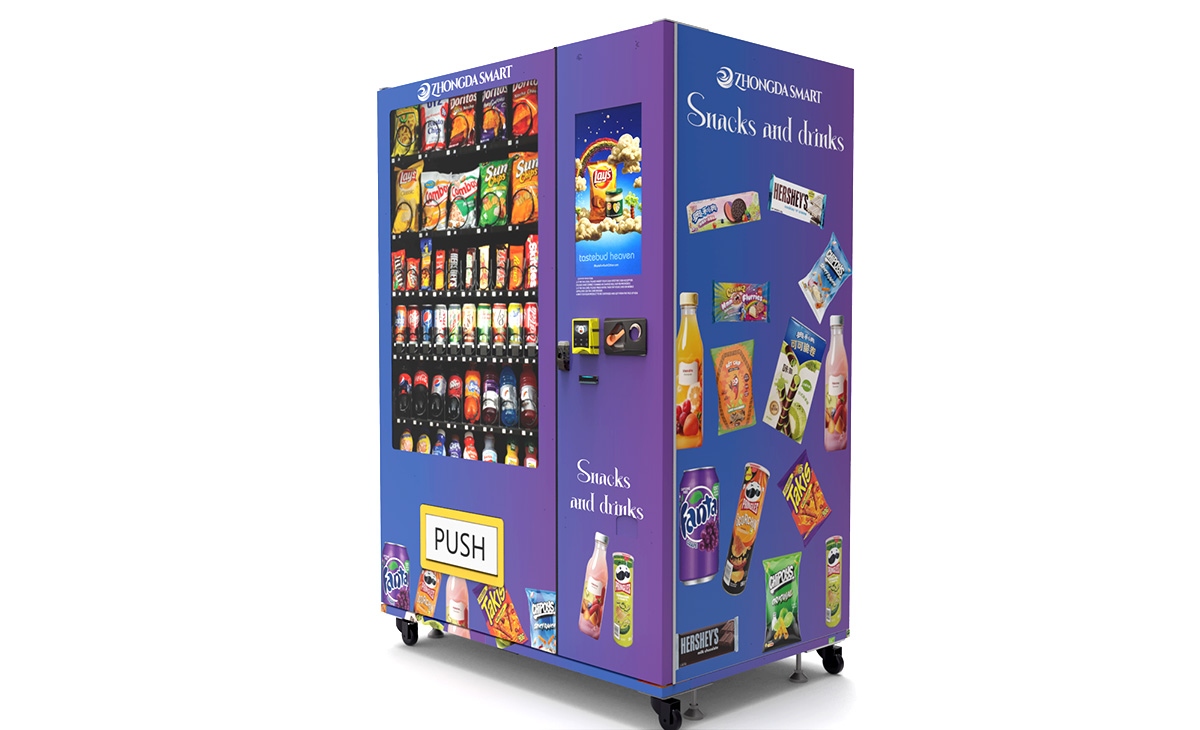
Your initial investment depends on whether you buy new, used, or lease. A new combination machine (snacks and drinks) from a reputable manufacturer like Zhongda Smart typically costs between $4,000 and $8,000 depending on size and features. Used machines can be found for $1,500 to $3,000, but be cautious. I have bought used machines that looked fine and then spent $600 on vending machine repair within the first three months because the refrigeration unit was failing.
Leasing is an option in some markets, but I rarely recommend it for new operators. The monthly lease payment eats into your margin, and you still have to pay for maintenance. If you default, you lose the machine and any money you put into it. Buying outright, even if you finance through a small business loan, gives you more control.
Estimated Startup Budget for One Machine
- Machine purchase (new, mid-range): $5,500
- First inventory stock: $800
- Payment system (card reader): $400
- Installation and delivery: $200
- Permits and business license: $150
- Miscellaneous (signage, tools, cleaning supplies): $150
- Total estimated startup: $7,200
These numbers are based on US market prices as of early 2025. European prices vary by country but tend to be slightly higher due to VAT and stricter energy efficiency standards. According to a 2024 report from IBISWorld on vending machine operators in the US, the average startup cost for a single machine operator is between $6,000 and $10,000.
Choosing the Right Machine for Your Market
Not all machines are equal. The vending machine size business demands that you match the machine type to the location. A glass-front snack machine works well in a break room. A refrigerated drink machine works in a gym or school hallway. A combination machine is best for small offices where space is limited.
When evaluating suppliers, I look at three things: build quality, availability of spare parts, and after-sales support. Zhongda Smart is one of the manufacturers I recommend for mid-range combination machines because they offer solid refrigeration and a reliable payment interface without the premium price of some European brands. Their machines are common in Eastern Europe and are gaining traction in the US market for their durability. But always check that the supplier has a local service partner for repairs. A machine that sits broken for two weeks loses a month of profit.
Machine Types Compared
| Machine Type | Best For | Price Range | Maintenance Level |
|---|---|---|---|
| Snack only (non-refrigerated) | Offices, waiting rooms | $2,500 - $4,500 | Low |
| Drink only (refrigerated) | Gyms, schools, outdoor areas | $3,500 - $6,000 | Medium |
| Combination snack & drink | General retail, break rooms | $4,500 - $8,000 | Medium |
| Fresh food (refrigerated) | Hospitals, universities | $7,000 - $12,000 | High |
| Bulk candy or gumball | Retail stores, low-traffic areas | $300 - $800 | Very low |
Maintenance: The Part Nobody Talks About
Maintenance is where most beginners fail. They think a vending machine is like a refrigerator that just works. It is not. Coins jam, card readers lose connection, refrigeration coils freeze, and motors fail. I allocate $20 per machine per month into a repair fund. Some months I spend nothing. Other months I spend $200 on a single machine when the compressor dies.
Vending machine repair is not something you can ignore. If a machine is down for more than three days, customers stop coming back. They assume it is broken permanently. That is why I always recommend buying from a supplier with readily available parts. If you buy a machine from a manufacturer that does not stock parts in your country, you will wait weeks for a simple motor replacement.
Common Maintenance Issues
- Coin jams: Clean the coin mechanism monthly. Use compressed air.
- Card reader failures: Test the payment system weekly. Keep a backup reader if possible.
- Refrigeration problems: Check condenser coils for dust every three months.
- Motor stalls: This happens when a product gets stuck. Adjust the spiral settings.
- Temperature fluctuations: Use a digital thermometer inside the machine. Do not trust the built-in display.
If you are not comfortable with basic electronics and refrigeration, either learn or budget for a professional service contract. A service contract in the US costs about $50 to $80 per month per machine. That eats into profit, but it saves you from catastrophic repair bills.
Location Selection: The Single Most Important Decision
I have seen operators buy the best machine, stock it perfectly, and still fail because they placed it in a dead zone. Location is everything. I use a simple checklist before I agree to place a machine anywhere.
My Location Evaluation Criteria
- Foot traffic: At least 100 people passing per day. Count them yourself during different shifts.
- Dwell time: Do people stand around waiting? Factories, hospitals, and schools are great. Gas stations with quick turnover are less ideal.
- Existing competition: Is there a cafeteria or another machine? If yes, can you offer something different?
- Security: Is the area safe from vandalism? Outdoor machines in rough neighborhoods get broken into.
- Accessibility: Can you restock easily? If you have to carry cases up three flights of stairs, your labor cost goes up.
One of my biggest failures was placing a machine in a small warehouse with 15 employees. The owner promised more people would be hired. They never were. The machine did $80 per month. I lost money for six months before moving it. That taught me to never trust promises about future traffic. Only place machines where traffic already exists.
Payment Systems: Cashless Is No Longer Optional
In 2025, a vending machine without a card reader is a charity box. Studies from NAMA show that cashless payments account for over 70% of vending transactions in the US. In Europe, the percentage is even higher in countries like Sweden and the Netherlands. If your machine only takes coins, you are losing at least half your potential sales.
Modern payment systems include NFC for Apple Pay and Google Pay, plus traditional credit and debit cards. Some machines now accept QR code payments through apps. The cost for a card reader plus installation is about $300 to $600. The processing fee is typically 2.5% to 3.5% per transaction. That is a small price to pay for doubling your sales potential.
I recommend choosing a payment system that works with your machine's control board. Some older machines require an adapter. If you are buying new, specify that you want a cashless-ready model. Many manufacturers, including Zhongda Smart, offer machines with integrated payment systems that support multiple currencies and mobile wallets.
How to Avoid Common Beginner Mistakes
I have made almost every mistake in the book, and I have watched dozens of other operators do the same. Here are the most common ones.
Buying the Cheapest Machine Possible
A $1,500 used machine might seem like a bargain, but if it breaks down every month, you will spend more on vending machine repair than you would have on a new machine. Cheap machines also have lower energy efficiency, which adds to your electricity bill.
Ignoring Local Regulations
In the US, you need a business license and a sales tax permit. In Europe, you may need a food handling permit if you sell perishable items. France, for example, requires a déclaration d'activité for any automated food sales. Check with your local chamber of commerce before you buy a machine.
Overstocking or Understocking
New operators often fill the machine completely on the first visit, then let it run empty for two weeks. You need to establish a restocking schedule based on sales data. I restock high-traffic machines twice a week and low-traffic machines once every ten days. Use the machine's sales report to adjust.
Choosing the Wrong Product Mix
Just because you like a product does not mean customers will buy it. I once stocked a machine with premium protein bars in a factory where most workers wanted chips and soda. The protein bars sat for months. Now I start with a basic mix of best-sellers and adjust based on what actually sells.
How to Evaluate a Machine Investment
Before I buy any machine, I run a simple calculation. I estimate monthly sales based on the location's traffic, subtract all costs, and divide the machine price by the monthly net profit. That gives me the payback period in months. I look for a payback period of 18 months or less. If the payback period is longer than 24 months, I pass.
For example, if a machine costs $6,000 and I estimate $100 net profit per month, the payback period is 60 months. That is too long. But if the location supports $300 net profit per month, the payback is 20 months, which is acceptable. Always be conservative with your estimates. It is better to be pleasantly surprised than to be stuck with a machine that never pays for itself.
FAQ: Answers to Common Questions
Is a vending machine business profitable?
Yes, but only if you have good locations and efficient operations. Single machines in average locations produce modest profits. Scaling to multiple machines on a route improves profitability because you spread labor and transport costs across more units. According to NAMA data, the average profit margin for established vending operators in the US is around 10% to 15% of gross sales.
How much does one vending machine cost?
A new machine costs between $4,000 and $12,000 depending on type and features. Used machines range from $1,500 to $4,000. Leasing is available but usually costs $100 to $200 per month. Factor in installation, inventory, and payment system costs for a complete startup budget of $6,000 to $10,000.
How long does it take to recoup the investment?
Payback periods vary by location and machine cost. In a good location with $500 monthly sales and $150 net profit, a $6,000 machine pays back in about 40 months. In a high-traffic location with $1,200 monthly sales and $300 net profit, payback can be as short as 20 months. My experience shows that 18 to 30 months is realistic for most operators who choose locations carefully.
Should a beginner buy or lease a machine?
Buy if you can afford the upfront cost. Leasing reduces initial risk but increases monthly costs and locks you into a contract. If you lease and the location underperforms, you still owe the lease payment. I recommend buying a used machine in good condition or a new mid-range machine from a reliable supplier.
Where are the best locations for vending machines?
High-traffic areas with captive audiences work best. Factories, hospitals, schools, universities, government buildings, and large offices are top choices. Avoid locations with fewer than 50 daily potential customers. Also avoid locations with strong existing food service unless you offer something unique like healthy options or specialty drinks.
What permits and licenses are required?
In the US, you need a general business license and a seller's permit. Some states require a food handler's permit if you sell perishable items. In Europe, requirements vary by country. In France, you need a déclaration d'activité for automated food sales. Always check with local authorities before installing a machine.
How do I choose a vending machine supplier?
Look for a supplier with a track record of reliable machines and available spare parts. Ask about warranty terms and local service partners. Zhongda Smart is one manufacturer I have used for combination machines because they offer solid build quality and responsive support. Compare at least three suppliers before making a decision.
What happens when a machine breaks down?
You either fix it yourself or call a service technician. If you are handy with basic repairs, keep a spare parts kit with common items like motors, coin acceptors, and card readers. If not, budget for a service contract. A broken machine loses money every day it sits idle, so prioritize fast repairs.
How can I reduce restocking and maintenance costs?
Optimize your route to minimize driving time between machines. Use sales data to stock only what sells. Clean machines regularly to prevent jams. Invest in remote monitoring systems that alert you to low inventory or machine errors. These systems cost about $200 to $400 but can save you hours of unnecessary trips.
Final Thoughts from a Decade in the Business
Running a vending machine business is not complicated, but it requires discipline. You have to treat it like a real business, not a hobby. That means tracking every dollar, maintaining your equipment, and being willing to move machines that underperform. The biggest mistake I see is operators falling in love with a location or a machine and refusing to cut losses. If a machine is not making money after six months, move it. Do not wait a year.
The vending machine size business works best when you think in terms of systems, not single machines. Build a route, standardize your machine type, and negotiate multiple locations with the same property management company. That is how you turn a side hustle into a sustainable income stream. It takes time, but the model is proven. Just do not expect overnight riches, and always keep a set of spare parts in your car.
This article was updated in March 2025. Data cited from NAMA State of the Industry Report 2023 and IBISWorld Vending Machine Operators in the US 2024 report. All profit estimates are based on my personal operational experience and may vary based on location, product mix, and local economic conditions. This content is for informational purposes only and does not constitute financial advice.