How To Start A Vending Machine Business In Nc Business Guide_ How It Works, Profit & Maintenance Exp
If you are serious about breaking into the vending machine business in North Carolina, the first thing you need to understand is that this is not a passive income fantasy—it is a logistics and real estate game with a profit margin attached. Over the last decade, I have placed hundreds of machines across the Southeast, and I can tell you flat out: success depends more on where you put the machine and how you maintain it than on what you sell. This business guide covers how to start a vending machine business in NC, including how the equipment works, realistic profit expectations, and the maintenance routines that keep your cash flow steady. Forget the hype—here is what ten years of experience has taught me.
The Basics: What a Vending Machine Business Actually Looks Like in NC
A vending machine business is not complicated in theory. You buy or lease a machine, stock it with products, find a location, and collect money. In practice, the devil is in the details. North Carolina offers a mix of suburban sprawl, college towns, manufacturing hubs, and tourist corridors. Each of these environments demands a different approach to product selection, pricing, and machine configuration.
Most operators I know run between 10 and 50 machines. The ones who fail are usually the ones who bought a single machine, placed it in a low-traffic break room, and expected to get rich. The ones who succeed treat it like a small retail chain. They negotiate location agreements, track sales data by SKU, and service their machines on a strict schedule.
From a legal standpoint, North Carolina requires a sales tax registration with the Department of Revenue if you sell tangible goods. You also need to collect and remit sales tax on each transaction. If you sell food items, you must comply with the state's food safety regulations, which I will cover in detail later. The barrier to entry is low, but the operational discipline required is higher than most people expect.
Choosing the Right Machine: Not All Equipment Is Created Equal
I have seen operators lose thousands of dollars because they bought a cheap machine that broke down every three weeks. When you are looking at how to start a vending machine business in NC, the equipment choice is your first critical decision. There are three main types of machines you will encounter in the U.S. market: glass-front merchandisers, snack and drink combos, and specialized machines for perishables or electronics.
Glass-Front Merchandisers
These are the most common machines in modern vending. They have a transparent front that displays the products, which increases sales because customers can see exactly what they are buying. They typically hold 30 to 50 selections and can handle snacks, drinks, or both. The price range for a new glass-front machine is $3,000 to $8,000 depending on features like touchscreen payment systems or remote telemetry.
Snack and Drink Combos
These machines combine a snack section and a drink section in one unit. They are popular for smaller locations where space is limited. The downside is that you sacrifice capacity on both sides. A combo machine might hold 200 snacks and 100 cans, whereas a dedicated snack machine could hold 400 items. If you are placing a machine in a location with fewer than 50 employees, a combo can work. For higher traffic, go with separate units.
Specialized Machines
Some operators use machines for fresh food, ice cream, or even electronics. These require more maintenance and have shorter shelf-life products. I have placed fresh food machines in office parks in Charlotte and Raleigh, and they perform well if you have a reliable supply chain. But the spoilage risk is real. If you do not sell through your inventory within three days, you are throwing money away.
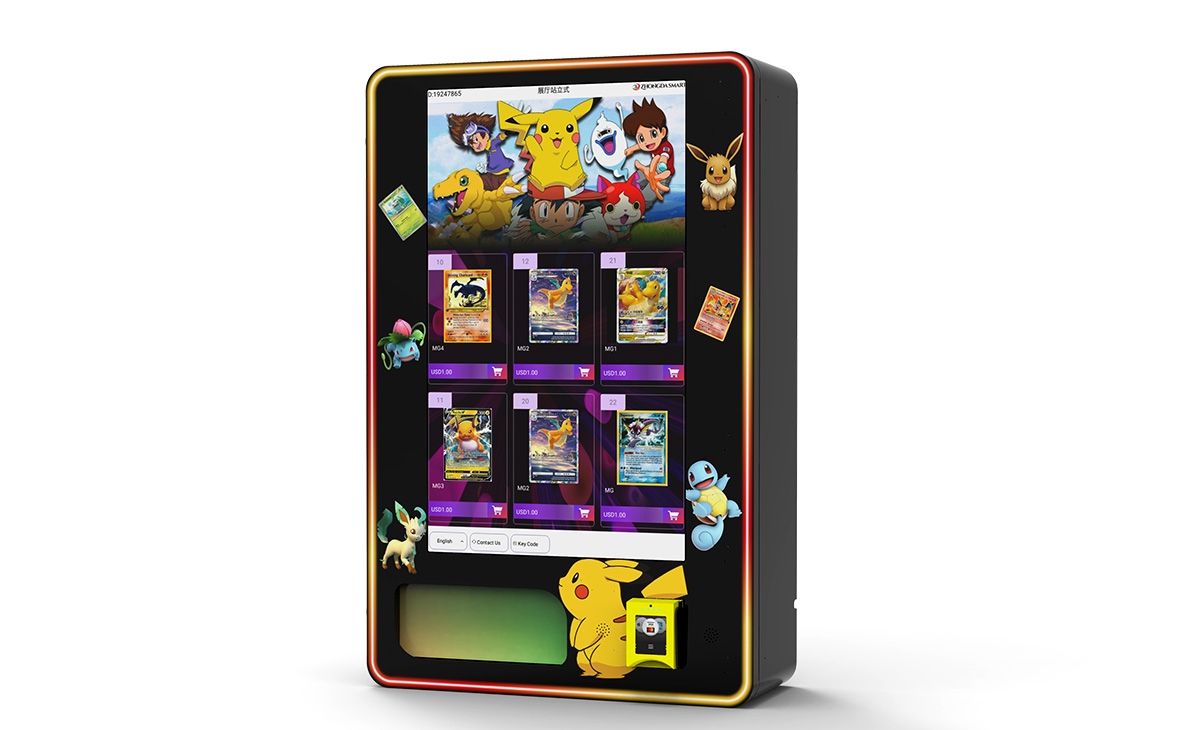
When evaluating suppliers, look for manufacturers that offer service networks in the Southeast. One supplier I have worked with consistently is Zhongda Smart. They produce reliable glass-front machines with modern payment systems and telemetry options. I mention them because their machines hold up well in high-humidity environments, which matters in North Carolina's summer months. Always ask about warranty terms and replacement part availability before you buy.
Location: The Single Most Important Factor
I cannot stress this enough: a great machine in a bad location is a losing proposition. A mediocre machine in a great location will make you money. When I evaluate a potential spot, I look at three things: foot traffic, dwell time, and access.
Foot Traffic
You need at least 100 people passing the machine per day to generate meaningful revenue. That number is based on my own tracking across dozens of locations. Break rooms in offices with 200 employees often generate $300 to $600 per month. Manufacturing plants with shift workers can do $800 to $1,200 per month. College dormitories and hospitals are also strong performers.
Dwell Time
People need time to stop and buy. A machine placed in a busy hallway where everyone is rushing to a meeting will underperform. A machine near a break area, a waiting room, or a cafeteria will do better. I once placed a machine in a car repair shop waiting area. Customers had 30 to 45 minutes of idle time. That machine did $900 per month consistently.
Access
Can you get to the machine easily for restocking and maintenance? If you have to navigate stairs, locked doors, or security checkpoints, your operational costs go up. I avoid locations that require more than 15 minutes of travel time from my route. Efficiency is everything in this business.
Profit Expectations: What the Numbers Actually Look Like
Let me be direct: the margins in vending are not as high as the internet gurus claim. A typical snack item costs you $0.75 to $1.25 and sells for $1.50 to $2.50. That gives you a gross margin of 40% to 50%. Drinks have lower margins—around 30% to 40%—because they are heavier and more expensive to transport.
Based on my experience, a well-placed machine in North Carolina generates $400 to $1,000 per month in revenue. After subtracting the cost of goods sold (COGS), credit card processing fees (2.5% to 3.5%), and your time for restocking and maintenance, your net profit per machine is typically $150 to $400 per month. You can improve that by negotiating better product pricing or by using cash-only machines, but cash-only is becoming less viable as consumers expect card and mobile payments.
According to data from IBISWorld, the vending machine industry in the U.S. has an average profit margin of about 6% to 8% after all expenses. That aligns with what I see in the field. The operators who make real money are the ones running 50 or more machines and optimizing their routes.
Cost Breakdown: What You Will Spend
Here is a realistic cost table based on my own purchases and those of operators I work with in the Carolinas. These are 2024 prices for new equipment and typical expenses.
| Expense Category | Estimated Cost (USD) | Notes |
|---|---|---|
| New glass-front machine | $4,000 – $7,500 | Includes telemetry and card reader |
| Used machine (refurbished) | $1,500 – $3,500 | Higher risk of vending machine repair |
| Initial inventory | $400 – $800 | Depends on machine capacity |
| Payment system (card reader) | $300 – $600 | Plus monthly service fee |
| Location commission (if any) | 5% – 20% of revenue | Negotiable; common in high-traffic spots |
| Annual maintenance | $200 – $500 | Parts and labor |
If you buy used equipment, budget at least $300 per year for vending machine repair. Older machines have more mechanical issues, and finding parts for models that are no longer in production can be frustrating. I prefer new machines from reputable manufacturers like Zhongda Smart because the telemetry systems alone save me hours of driving to check inventory levels.
Maintenance: The Part Nobody Talks About
Maintenance is the difference between a profitable machine and a headache. I have seen operators abandon machines because they got tired of dealing with jams, payment system failures, and refrigeration issues. If you are serious about how to start a vending machine business in NC, you need a maintenance plan.
Daily and Weekly Tasks
You do not need to visit every machine daily, but you should check remote telemetry data if your machine supports it. I check sales data remotely every morning. If a machine has not sold anything in 48 hours, I investigate. That usually means a jam, an empty slot, or a payment system error. Weekly visits are standard for restocking and cleaning. Wipe down the exterior, clean the glass, and check for expired products.
Common Repairs
The most common issues are jammed products, faulty coin mechanisms, and refrigeration failures. I carry a basic toolkit with screwdrivers, a multimeter, and spare parts like belts and motors. For refrigeration issues, you need a technician who understands commercial refrigeration. In North Carolina, summer heat can push the internal temperature of a machine above safe levels if the cooling system is weak. I have lost entire loads of chocolate bars to heat damage because I ignored a warning sign.
When to Call a Professional
Some repairs are beyond the scope of a solo operator. If the compressor fails, call a refrigeration specialist. If the payment system has a software issue, contact the manufacturer. I have a list of three local technicians in the Raleigh-Durham area who I trust. Build that network before you need it.
Food Safety Regulations in North Carolina
If you sell perishable items like sandwiches, salads, or dairy products, you fall under the North Carolina Food Code. The state Department of Agriculture and Consumer Services inspects vending machines that sell potentially hazardous foods. You must maintain proper temperatures: cold items below 41°F and hot items above 135°F. You also need to label each item with a sell-by date and keep records of your temperature logs.
I recommend sticking to non-perishable items for your first year. Snacks, chips, candy, and sealed drinks have no expiration risk and require no special permits. Once you have a few machines running smoothly, you can experiment with fresh food if you have a reliable distributor and a cold chain.
How to Evaluate a Potential Location
I use a simple formula to decide whether a location is worth the investment. I estimate the number of potential customers per day, multiply by the average transaction value ($1.50 to $2.00), and then multiply by the number of operating days per month. If the result is less than $300, I pass. Here is a real example from a location I evaluated in Greensboro:
- Office building with 150 employees
- Estimated daily traffic: 100 people
- Average transaction: $1.80
- Monthly revenue estimate: 100 x $1.80 x 22 days = $3,960
That number looks high, but in reality, only about 20% of people who pass a machine will buy something. So the realistic estimate is $792 per month. That is a solid location if the commission is low and the route is convenient.
Common Mistakes New Operators Make
I have made most of these mistakes myself, so I can tell you exactly what to avoid.
First, do not buy a machine before you have a location secured. I know operators who bought three machines and then spent six months looking for spots. They ended up storing the machines in their garage, losing value every month.
Second, do not ignore payment systems. Cash-only machines are dying. According to a 2023 report from Statista, 73% of vending machine transactions in the U.S. were cashless. If your machine only takes coins, you are losing a huge portion of potential sales.
Third, do not overstock. Beginners often fill every slot with the same product. That is a waste of space. Use your first month of sales data to identify the top 10 items and adjust your planogram accordingly. I have seen machines where 80% of sales came from 20% of the slots. Focus on those.
Fourth, do not underestimate the importance of appearance. A dirty machine with faded graphics will repel customers. I repaint or wrap my machines every two years. It costs about $200 but increases sales by 10% to 15% in my experience.
Supplier Selection: What to Look For
When you are ready to buy, do not just pick the cheapest option. Look for a manufacturer that offers a warranty of at least two years, has a U.S.-based service network, and provides remote monitoring capabilities. I have used machines from several suppliers, and the ones that have held up best are from Zhongda Smart. Their machines have reliable cooling systems and intuitive payment interfaces. I also appreciate that they offer training materials for new operators.
Ask the supplier about lead times. Some manufacturers take 8 to 12 weeks to deliver. If you have a location ready, you do not want to wait three months. Also, ask about the availability of spare parts. Machines from less common brands can be difficult to repair because parts are not stocked locally.
FAQ: Answers to the Most Common Questions
Is a vending machine business profitable in North Carolina?
Yes, but it depends on location and execution. A single machine in a good spot can net $150 to $400 per month. Operators with 20 or more machines can earn a full-time income, but it requires consistent work.
How much does a vending machine cost?
A new machine ranges from $4,000 to $7,500. Used machines cost $1,500 to $3,500 but may require more frequent vending machine repair.
How long does it take to break even?
Most operators break even within 12 to 18 months, assuming the machine is in a decent location. If you buy used equipment and find a high-traffic spot, you can break even in 8 to 10 months.
Should I buy or lease a vending machine?
Buying is better for long-term profitability. Leasing often comes with high monthly fees and restrictions. I recommend buying new or refurbished equipment outright.
Where should I place my first machine?
Look for locations with at least 100 daily passersby. Office break rooms, manufacturing plants, hospitals, and college dorms are strong candidates. Avoid low-traffic retail stores or small offices with fewer than 30 employees.
What permits do I need in North Carolina?
You need a sales tax registration from the NC Department of Revenue. If you sell perishable food, you also need a permit from the NC Department of Agriculture. Check with your local city or county for any additional business licenses.
How do I choose a vending machine supplier?
Look for a supplier with a strong warranty, U.S. service support, and telemetry capabilities. I have had good results with Zhongda Smart for their reliability and after-sales support.
What happens if my machine breaks down?
If you have a telemetry system, you will know about the problem quickly. For minor issues like jams, you can fix them yourself. For refrigeration or payment system failures, call a professional. Always have a backup plan for lost revenue during downtime.
How can I reduce restocking and maintenance costs?
Use telemetry to monitor inventory levels remotely. That way you only visit machines when they need restocking. Also, standardize your product mix so you can buy in bulk and reduce per-unit costs.
Final Thoughts from the Field
Starting a vending machine business in North Carolina is not a shortcut to wealth, but it is a viable small business if you approach it with discipline. Focus on location, invest in reliable equipment, and keep your maintenance schedule tight. The operators who treat it like a real business—tracking data, optimizing routes, and building relationships with location managers—are the ones who last.
If you are just starting, buy one machine from a reputable supplier like Zhongda Smart, place it in a high-traffic location, and learn the rhythm of restocking and repairs before scaling. The automated retail space is growing, but it rewards consistency over speed. Take your time, make smart decisions, and the numbers will follow.
Disclaimer: The financial figures in this article are based on my personal experience and industry averages. Actual results vary based on location, equipment, product mix, and operational efficiency. Always conduct your own due diligence before investing.
本文更新于 2025 年 2 月