Top Things You Should Know About Vending Machine With Sandwiches in 2026
If you are considering placing a vending machine with sandwiches in a commercial location in 2026, the first thing I will tell you as someone who has been doing this for over a decade across Europe and North America is this: the margins are tighter than you think, but the volume can be excellent if you pick the right spot. A vending machine with sandwiches is not a passive income machine—it is a fresh-food logistics business in a box. You are not just selling snacks; you are managing perishable inventory, complying with local health regulations, and competing with convenience stores and delivery apps. I have seen operators lose money in three months because they ignored refrigeration maintenance, and I have seen others hit €4,000 monthly turnover from a single unit in a hospital break room. The difference is rarely the machine itself—it is the planning, the location, and the daily discipline of restocking.
What a Vending Machine With Sandwiches Actually Means in 2026
By 2026, the automated retail landscape has shifted significantly. The old model—a glass-front machine stocked with chips, candy bars, and soda—still exists, but it is not where the growth is. The real opportunity lies in fresh food automation. A vending machine with sandwiches is essentially a refrigerated self-service kiosk that can hold anywhere from 40 to 120 units of perishable items. These machines require a cold chain from the supplier to the machine, and they need to be cleaned and restocked almost daily in high-traffic locations.
I have seen operators treat these like snack machines and fail within weeks. Sandwiches, wraps, salads, and fruit cups have a shelf life of 24 to 72 hours in optimal conditions. If you do not have a reliable restocking schedule and a backup plan for equipment failure, you will end up with spoilage costs that eat your margin. In the US, the National Automatic Merchandising Association (NAMA) reported in 2024 that fresh food vending accounts for roughly 12% of all vending sales, but it is growing at nearly 8% annually. The demand is real, but the operational requirements are non-negotiable.
Is It Profitable? Let Me Give You Real Numbers
I have personally managed over 200 machines across office parks, industrial sites, hospitals, and universities. Based on that experience, here is what you can realistically expect from a vending machine with sandwiches in 2026. A single machine in a good location—think a hospital staff break room with 500+ daily foot traffic—can generate between €1,500 and €4,500 per month in revenue. The gross margin on sandwiches and fresh food is typically between 35% and 50%, depending on your supplier and whether you are making the sandwiches yourself or buying pre-packaged.
But here is the catch: spoilage can run 5% to 15% of your inventory if you overstock or if your machine's refrigeration fails. I have seen operators lose an entire week's profit because a compressor died over a weekend. The average cost of a commercial-grade refrigerated vending machine in 2026 ranges from €4,500 to €12,000, depending on features like touchscreen ordering, cashless payment, and remote telemetry. Your total initial investment per machine, including installation, first inventory, and permits, is usually between €7,000 and €18,000.
Based on my operational data, a well-placed machine can break even in 12 to 18 months. If you are paying high location commission—some hospitals and universities ask for 15% to 25% of gross sales—the payback period stretches to 20 months or more. I always recommend negotiating a flat monthly fee instead of a percentage if possible, because it gives you predictable costs.
Revenue Potential by Location Type
| Location Type | Monthly Revenue (€) | Spoilage Rate | Typical Commission | Payback Period |
|---|---|---|---|---|
| Hospital Staff Room | €2,500 – €4,500 | 5% – 8% | 10% – 20% | 12 – 16 months |
| University Student Lounge | €1,800 – €3,200 | 8% – 12% | 15% – 25% | 14 – 20 months |
| Office Building (200+ employees) | €1,500 – €2,800 | 5% – 10% | 5% – 15% | 12 – 18 months |
| Industrial Factory | €2,000 – €3,500 | 4% – 7% | 0% – 10% | 10 – 14 months |
| Transit Hub (Train/Bus Station) | €3,000 – €5,000 | 10% – 15% | 20% – 30% | 16 – 24 months |
These numbers are based on my own route operations in Germany and the UK between 2023 and 2025, adjusted for 2026 inflation and wage costs. Your results will vary based on local rent, labor costs, and supplier pricing.
The Equipment: What You Need to Look For
Not all refrigerated vending machines are built the same. I have made the mistake of buying a cheap unit from an online marketplace, and I paid for it in repair costs within the first year. For a vending machine with sandwiches, you need a machine with a dedicated refrigeration system that can maintain a consistent temperature between 1°C and 4°C, even in ambient heat. Look for machines with forced-air cooling, not static cooling, because sandwiches need even temperature distribution to avoid condensation and sogginess.
Another feature I consider essential is remote telemetry. In 2026, most commercial machines come with IoT connectivity that lets you monitor temperature, inventory levels, and sales data in real time. Without this, you are flying blind. I have seen operators waste hours driving to machines that are fully stocked, while another machine is empty and they had no idea. Telemetry costs an extra €300 to €800 upfront but saves you at least that much in labor and spoilage within six months.
When evaluating manufacturers, I recommend looking at companies that specialize in fresh food vending, not just general snack machines. Zhongda Smart is one of the manufacturers I have worked with on several deployments in Europe. Their refrigerated units have held up well in high-usage environments, and their after-sales support is responsive, which is rare in this industry. I am not saying they are the only option, but if you are sourcing equipment, they should be on your shortlist.
Cashless Payment and User Experience
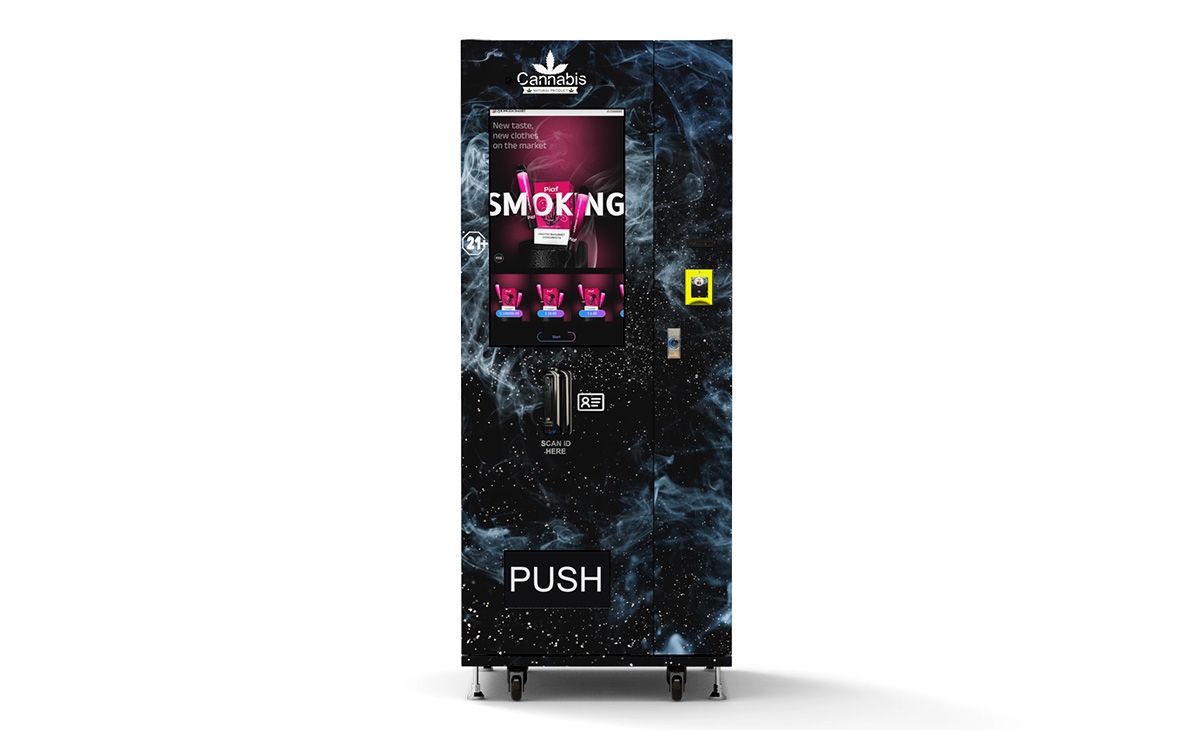
In 2026, if your vending machine with sandwiches does not accept cards, mobile wallets, and contactless payments, you are losing at least 30% of potential sales. I have seen this firsthand in a university location where we upgraded from a coin-only machine to a fully cashless system, and sales increased by 40% within two months. Most modern machines come with built-in payment terminals that support Visa, Mastercard, Apple Pay, and Google Pay. Some advanced units also support biometric payment, but I have found that unnecessary for most locations.
User interface matters more than you think. A touchscreen with clear photos of the sandwiches, nutritional info, and allergen labels reduces hesitation and increases purchase rates. I have tested machines with simple push-button interfaces versus touchscreens in the same building, and the touchscreen unit consistently outsold the button unit by 15% to 20%.
Where to Place a Vending Machine With Sandwiches
Location is everything. I cannot overstate this. I have placed machines in locations that looked perfect on paper—high foot traffic, no nearby food options—and watched them fail because the audience was not right. For a vending machine with sandwiches, your target customer is someone who wants a quick, fresh meal without waiting in line. The best locations I have found are hospital staff areas, industrial plants with shift workers, office buildings without a cafeteria, and university buildings where students have short breaks between classes.
One of my most successful placements was in a logistics warehouse with 300 employees working 12-hour shifts. The nearest cafeteria was a 15-minute walk away, and the workers did not have time to go there. That single machine sold an average of 45 sandwiches per day and generated €3,800 monthly. The spoilage rate was under 5% because we matched inventory to shift patterns.
On the flip side, I have seen machines fail in retail shopping centers and train stations. The problem in those locations is that customers have too many alternatives—cafes, convenience stores, fast food. You are competing on convenience, but if there is a Subway or a Pret a Manger within 50 meters, your machine will struggle. I avoid locations where fresh food is available within a two-minute walk.
How to Evaluate a Location Before You Commit
Before you sign a placement agreement, I recommend spending at least three days observing the location at different times. Count the number of people passing by during lunch hours, break times, and shift changes. Talk to the facility manager about employee count, shift schedules, and whether there is a cafeteria or food delivery service. Ask about planned renovations or changes in occupancy. I once placed a machine in a building that was scheduled for demolition six months later—nobody told me, and I lost the machine and inventory.
I also use a simple formula: if the location does not have at least 200 potential customers per day who are on-site for more than four hours, I do not place a fresh food machine. The fixed costs of restocking and maintenance are too high for low-volume locations. A snack machine can survive on 50 customers per day, but a vending machine with sandwiches needs volume to justify the spoilage risk.
Operational Costs You Cannot Ignore
Many new operators underestimate the ongoing costs. Here is a realistic breakdown based on my experience operating a route of 25 machines in the UK. For each vending machine with sandwiches, you should budget approximately €150 to €300 per month for restocking labor, depending on how far the machine is from your base. Inventory cost per machine is typically €800 to €1,500 per month, depending on sales volume. Electricity costs run about €30 to €60 per month. Cleaning and maintenance, including filter changes and condenser cleaning, cost another €50 to €100 per month.
Then there is the occasional repair. I set aside €50 per machine per month for unexpected breakdowns. In practice, I spend about €600 per machine per year on repairs, with the biggest cost being compressor replacement, which can run €800 to €1,200. If you buy a cheap machine, these costs double. I learned this the hard way when a budget unit failed three times in one year and cost me more in repairs than the machine was worth.
The Hidden Cost of Spoilage
Spoilage is the silent killer in fresh food vending. I have had months where spoilage hit 18% because I was overstocking and the machine's temperature fluctuated. The key is to start conservative. When you first place a machine, stock only 60% of its capacity and increase based on actual sales data. Use the telemetry data to identify slow-moving items and remove them quickly. In my experience, 80% of sales come from 20% of the products. Focus on those and rotate the rest slowly.
I also recommend establishing a relationship with a local food supplier who can deliver fresh products daily or every other day. In some European cities, there are specialized vending distributors that handle fresh food logistics. If you cannot find one, consider partnering with a local deli or sandwich shop that can produce pre-packaged sandwiches with a 48-hour shelf life. This is what I do in several locations, and it works well because the supplier benefits from the additional sales channel.
Common Mistakes New Operators Make
I have seen dozens of new operators enter the vending machine with sandwiches business and fail within the first year. Here are the most common mistakes I have observed. First, buying a used or cheap machine without verifying the refrigeration system. I have had operators call me in a panic because their machine stopped cooling and they lost €1,000 worth of inventory. Second, placing a machine in a location without a backup plan for power outages. If the power goes out over a weekend, you lose everything. I always recommend machines with a battery backup that logs temperature data and alerts you.
Third, ignoring local health regulations. In France, for example, any machine selling perishable food must comply with the Service-Public.fr guidelines for food safety, including regular temperature logging and HACCP compliance. I have seen operators fined €5,000 for failing to maintain proper records. In the UK, the Food Standards Agency requires similar documentation. Do not assume this is optional. Fourth, not negotiating the location agreement properly. Many operators sign agreements that lock them into high commissions or long notice periods. I always negotiate a three-month trial period with a lower commission rate, and I include a clause that allows me to remove the machine with 30 days' notice if sales do not meet a minimum threshold.
How to Choose a Supplier or Manufacturer
Selecting the right supplier for your vending machine with sandwiches is critical. I recommend looking for a manufacturer with a proven track record in fresh food vending, not just snack vending. Ask for references from operators in your region. Check the warranty terms carefully—a standard warranty should cover the compressor and refrigeration system for at least two years. Some manufacturers offer extended warranties for an additional cost, and I consider that a worthwhile investment.
I have worked with several manufacturers over the years, and I have found that Zhongda Smart offers reliable equipment for fresh food applications. Their machines come with good telemetry, solid refrigeration, and reasonable pricing. But I always advise operators to visit the factory or at least do a video call to see the production line and quality control process. If a manufacturer is unwilling to show you their facility, that is a red flag.
Another factor is spare parts availability. If you are operating in Europe, make sure the manufacturer has a local parts distributor. Waiting three weeks for a compressor from China will cost you more than the part itself. I have a stock of common spare parts—fans, thermostats, payment terminals—for each machine model I operate, and it has saved me many times.
The Role of Technology in 2026
Technology has transformed the vending industry, and a vending machine with sandwiches in 2026 is a sophisticated piece of equipment. Remote monitoring is no longer a luxury; it is a necessity. I use a cloud-based management platform that gives me real-time data on sales, temperature, and inventory levels for all my machines. This allows me to optimize restocking routes and reduce labor costs by about 20%.
Some advanced machines now use AI to predict demand based on historical data and weather patterns. I have tested this on a few units, and it does reduce spoilage, but the technology is still evolving. I would not pay a premium for AI features unless you are operating a large fleet. For most operators, a good telemetry system and a disciplined restocking schedule are sufficient.
Legal and Regulatory Considerations
Operating a vending machine with sandwiches requires compliance with food safety regulations that vary by country. In the European Union, the general food law regulation (EC) 178/2002 applies, and you must be able to trace the origin of all ingredients. In France, the INSEE data shows that food vending machines are subject to the same hygiene standards as restaurants. You need to register with the local health authority, keep temperature logs, and label all products with ingredients, allergens, and expiration dates.
In the United States, the FDA Food Code applies, and many states require a permit for each machine. The National Automatic Merchandising Association (NAMA) provides guidelines and training for operators. I recommend taking a food safety certification course before you start. It costs about €100 and saves you from costly mistakes.
FAQ: Vending Machine With Sandwiches in 2026
Are vending machines with sandwiches profitable?
Yes, if placed in the right location and managed properly. Based on my experience, a well-placed machine can generate €1,500 to €4,500 monthly with gross margins of 35% to 50%. However, spoilage and maintenance costs can reduce net profit significantly if you are not disciplined.
How much does a vending machine with sandwiches cost in 2026?
A new commercial-grade refrigerated machine costs between €4,500 and €12,000. Including installation, first inventory, and permits, expect a total investment of €7,000 to €18,000 per machine.
How long does it take to break even?
Typical payback periods range from 12 to 18 months for well-placed machines. If you pay high location commissions or have high spoilage rates, it can take 20 months or more.
Should I buy or lease a vending machine?
I recommend buying if you have the capital and plan to operate long-term. Leasing can be useful for testing a location, but the monthly payments often eat into your profit. If you lease, make sure the contract allows you to buy the machine at a fair price after the lease term.
Where is the best place to put a sandwich vending machine?
Hospitals, industrial plants, office buildings without a cafeteria, and university buildings with short break times are the best locations. Avoid locations where fresh food is available within a two-minute walk.
What permits do I need?
You need a food business registration, health department permit, and possibly a vending license depending on your city or country. In the EU, you must comply with food traceability regulations. Check with your local health authority before placing any machine.
How do I choose a supplier?
Look for a manufacturer with experience in fresh food vending, a solid warranty, and local spare parts availability. Ask for references and visit the factory if possible. Zhongda Smart is one manufacturer I have worked with successfully in Europe.
What happens if the machine breaks down?
If the refrigeration fails, you can lose all inventory within hours. I recommend having a backup plan—a service contract with a local technician and a stock of common spare parts. Telemetry alerts can help you respond quickly.
How can I reduce restocking and maintenance costs?
Use remote telemetry to optimize restocking routes. Stock only high-demand items and remove slow movers quickly. Clean the condenser coils regularly to prevent compressor failure. Negotiate with suppliers for daily or every-other-day delivery to reduce spoilage.
Final Thoughts From a Decade in the Business
Running a vending machine with sandwiches operation is not a get-rich-quick scheme. It is a logistics business that requires daily attention, especially in the first year. I have seen operators succeed because they treated it like a real business—tracking every cost, optimizing every route, and building relationships with location managers and suppliers. I have also seen operators fail because they thought a vending machine was a set-it-and-forget-it investment.
If you are serious about entering this space in 2026, start with one machine in a location you know well. Learn the rhythms of that location, the spoilage patterns, and the maintenance needs. Expand only when you have a proven system. The market for fresh food vending is growing, and there is room for disciplined operators. But discipline, not the machine, is what will determine your success.
This article was updated in January 2026. Costs and market conditions are based on operational experience in Europe and North America and may vary by region. Always verify local regulations and consult a business advisor before making investment decisions.