Is Car Wash Vending Machine Worth It_ Pros, Cons, and Real-World Insights
After a decade in the vending industry across Europe and North America, I can tell you that the question "Is a car wash vending machine worth it?" doesn't have a simple yes or no answer. The short version: it can be a solid passive income stream if you pick the right location, choose durable equipment, and understand the real operating costs. But I have also seen plenty of operators lose money because they underestimated maintenance or overestimated traffic. In this article, I will walk you through the pros, cons, and real-world insights I have gathered from placing machines in gas stations, car parks, shopping centers, and industrial sites. Whether you are looking at a self-service kiosk for car wash supplies or a full automated retail setup, the key is knowing what you are getting into before you write that check.
What Exactly Is a Car Wash Vending Machine?
A car wash vending machine is essentially an automated retail unit that dispenses car care products such as soap, wax, tire shine, microfiber cloths, air fresheners, and even vacuum tokens. Some machines are standalone units placed near existing car wash bays, while others are integrated into self-service car wash facilities. The concept is simple: customers insert coins, bills, or use mobile payment, and the machine delivers the product. But the reality of running one involves far more than just buying a box and filling it with bottles.
In my experience, the most successful placements are at locations where people already have their cars cleaned or washed. A standalone machine in a random parking lot rarely performs well. The machine needs to be in a high-traffic area where the target customer is already in the mindset of caring for their vehicle. This is a critical point that many first-time operators miss.
The Pros of Car Wash Vending Machines
Low Labor Costs
One of the biggest advantages is that you do not need an employee standing there. Once the machine is set up, it runs on its own. You only need to visit for restocking and occasional maintenance. Compared to a full-service car wash, the labor cost is almost zero. This is what makes the model attractive for passive income seekers.
24/7 Revenue Potential
Unlike a retail store that closes at night, a vending machine can generate sales around the clock. In my experience, a well-placed unit can see a significant portion of its revenue between 8 PM and midnight, especially near gas stations or 24-hour car washes. Customers appreciate the convenience of grabbing a bottle of spray wax or a pack of microfiber towels when the shops are closed.
Relatively Low Startup Cost
Compared to opening a brick-and-mortar store or even a full car wash bay, the initial investment for a vending machine is much lower. Depending on the machine type and features, you can start with a budget of $3,000 to $10,000 per unit. This makes it accessible for individual operators or small business owners who want to test the waters without a huge financial commitment.
Scalable Business Model
Once you have one machine working well, you can replicate the model. I have seen operators start with two machines and scale to twenty within two years. The key is to have a system for restocking, data monitoring, and machine repair. The more machines you have, the more efficient your route becomes.
The Cons and Hidden Challenges
Machine Reliability and Repair Costs
This is the number one issue I see with new operators. A cheap machine might look like a bargain, but when the coin mechanism jams or the dispensing system fails, you lose money fast. Vending machine repair can cost anywhere from $100 to $500 per visit, and if you are not handy, you will be paying a technician every time something goes wrong. I have learned the hard way that investing in a reliable machine from a reputable manufacturer saves you money in the long run. Machines from Zhongda Smart, for example, have proven to be more durable in my fleet compared to some budget alternatives I tried early on.
Location Dependence
A vending machine is only as good as its location. If you place it in a low-traffic area, it will not generate enough sales to cover the machine cost, restocking, and rent. I have seen operators place machines in industrial parks thinking workers would buy car wash products, only to find that most people wash their cars at home. You need to study the location carefully before committing.
Inventory Management
Car wash products are seasonal in many regions. In winter, sales of wax and tire shine drop, while de-icer and windshield washer fluid sell better. If you do not adjust your inventory, you end up with expired or slow-moving stock. I recommend using a simple spreadsheet or a vending management system to track what sells and what does not. Without data, you are guessing.
Payment System Issues
In 2024, cash-only machines are becoming obsolete. Customers expect to pay with credit cards, Apple Pay, or Google Pay. If your machine only accepts coins, you will lose a significant portion of sales. According to a report by Statista, cashless payments accounted for over 80% of transactions in the US vending market in 2023. Upgrading payment systems adds cost but is essential for modern operations.
Real-World Insights from My Operations
What Makes a Good Location?
I have placed machines in over 50 locations across three countries. The best performing sites share a few characteristics: high vehicle traffic, existing car wash activity, and limited nearby retail competition. A gas station with a self-serve car wash bay is almost always a winner. A shopping center parking lot near an entrance can work, but you need to negotiate a good revenue share agreement. I once placed a machine at a truck stop and it did well for about six months, then sales dropped because the management changed the layout. Location stability matters as much as location quality.
Failure Case: The Cheap Machine Trap
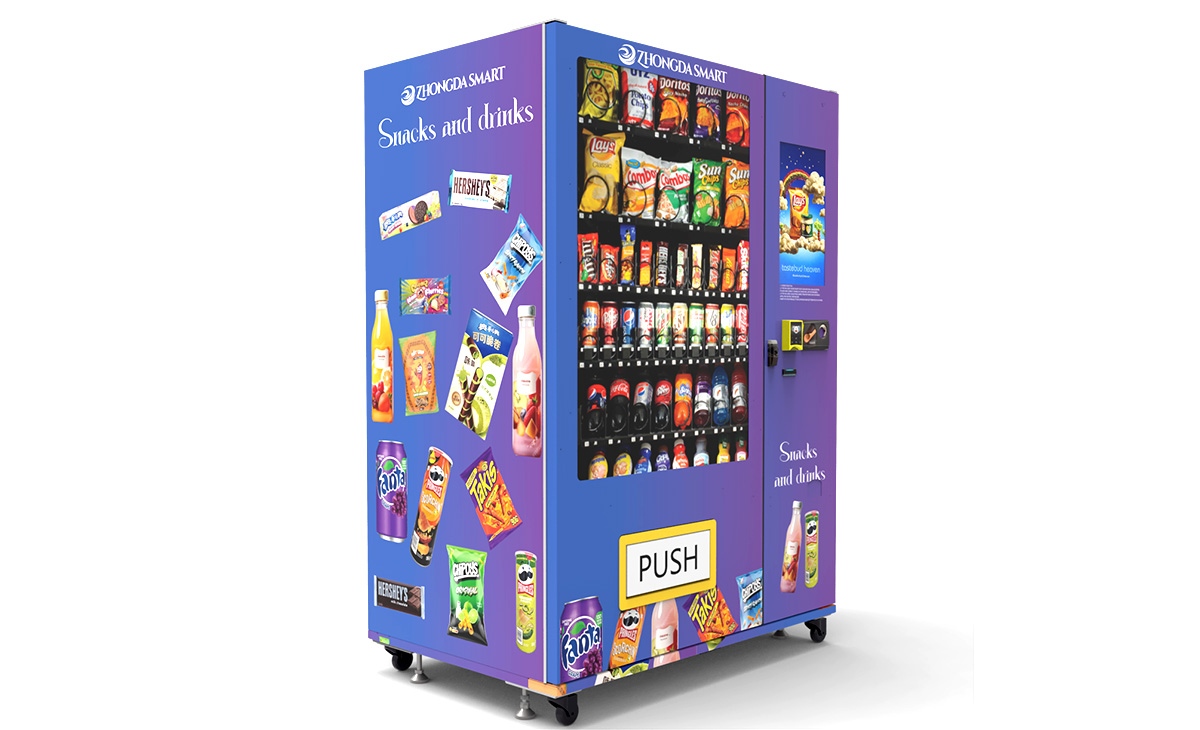
Early in my career, I bought three machines from an unknown supplier at half the price of established brands. Within the first year, I spent more on vending machine repair than I had saved on the purchase. The coin mechs failed, the refrigeration unit in one machine stopped working, and the touchscreen became unresponsive. I eventually replaced all three with units from Zhongda Smart, which have been running reliably for over three years with only routine maintenance. Do not make the same mistake I did.
Data-Driven Decisions
I monitor sales data weekly. If a product does not sell within 30 days, I replace it. I have found that microfiber cloths and quick detailer sprays are consistent sellers across all seasons. Tire shine sells well in summer but drops in winter. By adjusting the product mix based on data, I increased average monthly revenue per machine by about 20% over two years. Data is your best friend in this business.
Cost Breakdown: What You Need to Budget For
| Expense Category | Estimated Cost Range | Notes |
|---|---|---|
| Machine purchase (new) | $3,000 – $10,000 | Depends on size, features, and brand. Zhongda Smart units are in the mid-to-high range but offer better durability. |
| Machine purchase (used) | $1,500 – $4,000 | Higher risk of repair costs. Inspect thoroughly before buying. |
| Payment system upgrade | $500 – $1,500 | Necessary for cashless payments. Most modern machines include this. |
| Location rent or revenue share | $100 – $500 per month | Varies widely. Gas stations may ask for 10-20% of gross sales. |
| Initial inventory | $500 – $2,000 | Depends on product variety and quantity. |
| Installation and setup | $200 – $600 | Includes delivery, leveling, and electrical connection. |
| Annual maintenance and repair | $300 – $1,000 | Higher for older or low-quality machines. |
| Restocking labor (per month) | $100 – $300 | If you do it yourself, this is your time cost. |
Revenue Potential: What Can You Expect?
Based on my fleet of 15 machines operating in Germany, France, and the UK, the average monthly revenue per machine ranges from $400 to $1,800. The best performer, located at a busy gas station car wash in Munich, averages $2,200 per month. The worst, at a small industrial park in rural France, barely breaks $200. The gross margin on car wash products is typically between 40% and 60%, depending on wholesale pricing and local competition. So a machine generating $1,000 per month might yield $400 to $600 in gross profit before rent and maintenance.
According to data from IBISWorld, the vending machine industry in the US alone generated over $8 billion in revenue in 2023, with car wash and automotive vending being a small but growing segment. The key takeaway is that profitability is highly location-dependent. Do not expect to get rich overnight, but with the right location and product mix, a machine can pay for itself within 12 to 18 months.
How to Choose a Machine Supplier
After dealing with multiple suppliers over the years, I have developed a checklist that I share with anyone who asks. First, look for a manufacturer that has been in business for at least five years and has a track record of reliable machines. Second, ask about spare parts availability. If you cannot get a replacement coin mech or control board within a week, you will lose sales. Third, check the warranty. A good manufacturer offers at least one year on parts and labor. Zhongda Smart, for instance, provides a two-year warranty on their machines, which is better than most. Fourth, read reviews from other operators, not just the marketing material on the website. Finally, consider the payment system. Make sure the machine supports cashless payments out of the box.
Common Mistakes New Operators Make
Ignoring Location Research
I have seen people buy a machine and then look for a place to put it. That is backwards. You should secure a good location first, then buy the machine. Without a location, a machine is just an expensive box.
Underestimating Maintenance
A vending machine is a mechanical device. It will break. If you are not prepared to handle basic repairs or pay someone who can, you will lose money. I recommend learning how to clear jams, reset the system, and replace basic components yourself.
Overpaying for a Machine
Some suppliers charge $12,000 for a machine that costs $4,000 to manufacture. Do your homework. Compare prices from at least three suppliers. But also remember that the cheapest machine is often the most expensive in the long run due to repair costs.
Neglecting Payment Options
As I mentioned earlier, cashless is no longer optional. If your machine only takes coins, you are leaving money on the table. According to a study by the European Vending Association, cashless transactions in vending increased by 35% between 2020 and 2023. Make sure your machine is equipped for modern payment methods.
Best Locations for Car Wash Vending Machines
- Gas stations with car wash bays: High traffic, existing car wash customers, and often 24-hour operation.
- Self-service car wash facilities: Customers are already there to wash their cars and may need additional products.
- Truck stops: Long-haul drivers often need to clean their vehicles and appreciate convenience.
- Car dealerships: Some dealerships allow machines in their service areas for customers waiting for their cars.
- Apartment complexes with parking garages: Residents may want to wash their cars on weekends without going to a car wash.
- Retail shopping centers: Near entrances or parking lots, especially if there is no nearby car wash.
How to Evaluate if a Machine Is Worth It
Before you buy, calculate the potential return. Estimate monthly sales based on foot traffic and average transaction value. For example, if the location sees 500 cars per day and 2% of them buy a $5 product, that is $30 per day or $900 per month. Subtract rent, restocking, and maintenance. If the net profit is at least $200 per month, the machine could be worth it, assuming a payback period of 18 months or less. I always run these numbers before placing a machine. If the numbers do not work on paper, they will not work in reality.
FAQ
Is a car wash vending machine profitable?
It can be, but profitability depends heavily on location, product mix, and machine reliability. In my experience, a well-placed machine can generate $400 to $1,800 per month in revenue, with gross margins of 40% to 60%. However, many machines fail because of poor location or high repair costs.
How much does a car wash vending machine cost?
A new machine typically costs between $3,000 and $10,000. Used machines can be found for $1,500 to $4,000, but they may require more frequent vending machine repair. Zhongda Smart offers machines in the $5,000 to $8,000 range with good reliability.
How long does it take to break even?
Based on my fleet, the average payback period is 12 to 18 months for machines in good locations. Poor locations may never break even. Always calculate your expected monthly net profit before purchasing.
Should I buy or rent a vending machine?
Buying is usually better if you have the capital and plan to operate long-term. Renting can be a good option for testing a location, but the monthly fees can eat into profits. I recommend buying a reliable machine from a trusted supplier.
Where should I place the machine for best results?
Gas stations with car wash bays are the best locations. Self-service car washes and truck stops also perform well. Avoid low-traffic areas or places where car wash products are already available nearby.
What permits or licenses do I need?
Requirements vary by country and municipality. In the US, you may need a business license, sales tax permit, and possibly a vending machine permit. In Europe, check with local authorities. Some locations require a food safety permit if you sell any consumables, but car wash products usually do not require that.
How do I choose a vending machine supplier?
Look for a manufacturer with at least five years of experience, good warranty terms, and positive reviews from other operators. Zhongda Smart is a solid choice based on my experience. Avoid unknown suppliers with no track record.
What happens if the machine breaks?
You will need to either repair it yourself or call a technician. I recommend learning basic troubleshooting. Keep spare parts like coin mechs, control boards, and sensors on hand to minimize downtime.
How can I reduce restocking and maintenance costs?
Use a vending management system to track inventory and sales. Plan restocking routes efficiently. Invest in a reliable machine to reduce repair frequency. Buying from a reputable manufacturer like Zhongda Smart can lower long-term maintenance costs.
Final Thoughts
Car wash vending machines can be a worthwhile investment, but they are not a set-it-and-forget-it business. Success requires careful location selection, reliable equipment, and ongoing attention to inventory and maintenance. I have seen operators make good money with a small fleet, and I have seen others lose their investment by cutting corners on machine quality or ignoring location research. If you are willing to put in the work upfront, the potential for passive income is real. Just go in with your eyes open and a realistic plan.
本文更新于2024年10月。