The Complete Guide to Card Reader For Vending Machines Opportunities and Risks
If you are looking into automated retail and wondering whether a card reader for vending machines is worth the investment, the short answer is yes—but only if you pick the right location, choose the right equipment, and plan for the real costs. I have spent over a decade placing machines across the US and Europe, and I have seen operators lose thousands because they bought cheap readers that failed in cold weather, or placed cash-only machines in a campus where every student pays with a phone. A reliable payment system is no longer optional; it is the difference between a machine that earns and one that sits idle. This guide walks you through the opportunities, the risks, and the hard numbers you need before you buy.
What a Card Reader Actually Changes in Your Business
The shift from cash-only to card-enabled vending is not a trend—it is a fundamental change in how people buy snacks and drinks. In my experience, adding a card reader typically increases sales by 20 to 40 percent, depending on the location. Offices, hospitals, and transit hubs see the biggest jumps because people rarely carry cash anymore. According to a 2023 report from the National Automatic Merchandising Association (NAMA), cash transactions in vending have dropped below 30 percent in the US, while card and mobile payments now account for over 60 percent of all vending purchases. If you operate in a European market, the shift is even more pronounced in countries like Sweden or the Netherlands where digital payments dominate.
But the opportunity comes with a catch. A card reader for vending machines adds complexity to your setup. You need a telemetry system to process transactions, a reliable internet connection—usually via 4G or 5G—and a payment processor that works with your machine's control board. If you buy a reader that is not compatible with your vending machine model, you will face integration headaches that eat into your margins. I have seen operators spend weeks troubleshooting connection issues because they bought a reader designed for a different protocol.
Real Costs: What You Are Actually Paying For
Let me break down the numbers based on what I have seen across hundreds of installations. These are not theoretical figures—they come from actual deployments in the US, UK, Germany, and France.
| Component | Low-End (USD) | Mid-Range (USD) | High-End (USD) |
|---|---|---|---|
| Basic card reader (contactless + chip) | $150 | $300 | $500 |
| Reader with telemetry and remote monitoring | $400 | $700 | $1,200 |
| Installation and configuration | $50 | $150 | $300 |
| Monthly payment processing fees | $10–$20 | $20–$40 | $40–$80 |
| Annual maintenance and support | $50 | $100 | $200 |
These figures are based on my experience sourcing equipment from suppliers like Zhongda Smart, who offer integrated payment systems that work across multiple machine types. The upfront cost of the reader is only part of the equation. You also need to factor in the monthly subscription for telemetry if you want remote monitoring, which I strongly recommend. Without it, you cannot track sales, inventory, or machine status in real time, and that leads to wasted trips and lost revenue.
How to Choose the Right Payment System for Your Machines
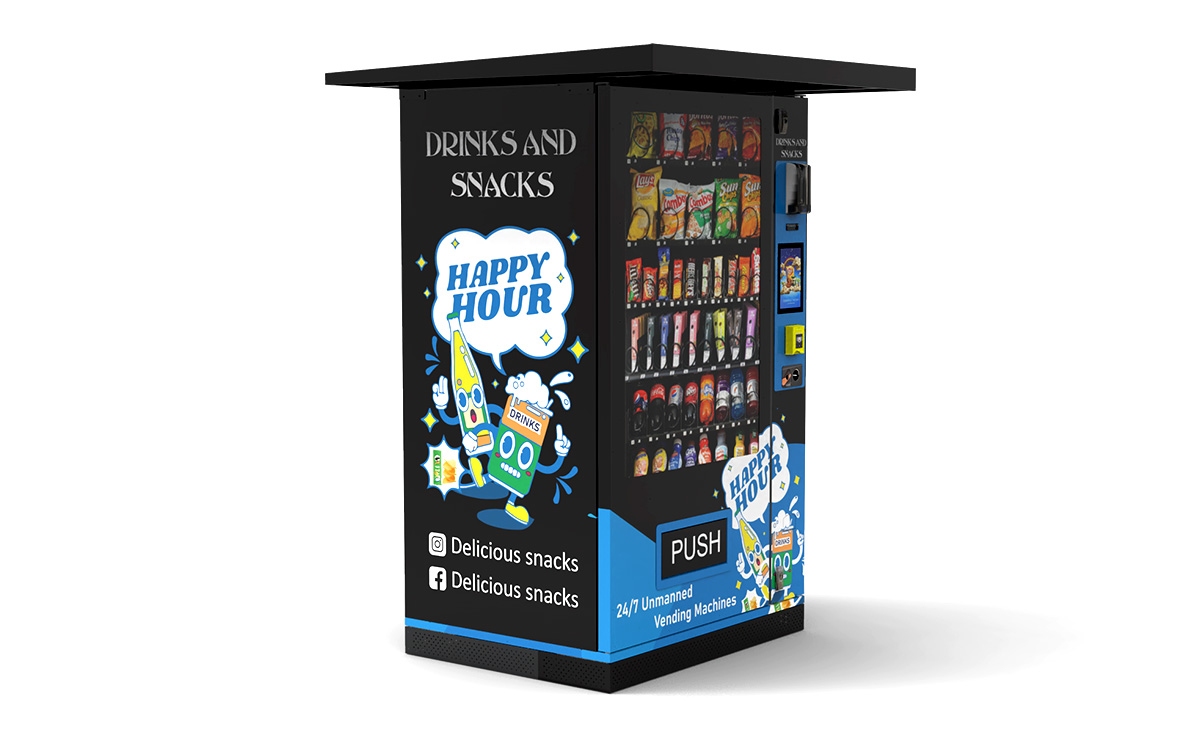
Not all card readers are created equal. The first thing you need to check is compatibility with your vending machine's control board. Most modern machines use the MDB (Multi-Drop Bus) protocol, but older ones may use DEX or proprietary systems. If you are retrofitting an older machine, you might need an interface board that translates between the reader and the machine's logic. I have seen operators buy a reader that works perfectly in a new machine but fails completely in a refurbished unit because of protocol mismatch.
The second factor is connectivity. A card reader for vending machines typically uses cellular data to process transactions. In the US, you need a reader that supports Verizon, AT&T, or T-Mobile networks, depending on your location. In Europe, you need a unit that works with local carriers and supports EMV chip and contactless standards. Some readers also offer Wi-Fi as a backup, but I have found cellular to be more reliable in high-traffic locations where public Wi-Fi is congested or unavailable.
Key Features to Look For
- EMV compliance – Required in most European markets and increasingly enforced in the US. Non-compliant readers can lead to chargebacks and fines.
- Contactless support – NFC for Apple Pay, Google Pay, and tap-to-pay cards. This is not optional anymore.
- Remote monitoring – Ability to check sales, inventory, and error codes from your phone or laptop.
- Weather resistance – If your machine is outdoors, the reader must withstand rain, cold, and direct sunlight. I have seen cheap readers fail within six months in outdoor locations.
- Battery backup – Some readers have a small internal battery that keeps the payment system running during a power outage. This is useful in outdoor or temporary locations.
Where to Place Machines with Card Readers for Maximum Return
Location is everything in this business. A machine with a card reader placed in a low-traffic area will still lose money, while a cash-only machine in a high-traffic location can still perform well—but the gap is closing fast. Based on my experience, the best locations for card-enabled vending machines are:
- Office buildings – Employees have steady income and prefer tap-to-pay. Average monthly revenue per machine in an office setting is $800 to $1,500.
- Hospitals and medical centers – Visitors and staff need quick, contactless transactions. These locations often have 24-hour traffic, which boosts sales.
- Transit hubs – Train stations, bus terminals, and airports. High foot traffic, but also high rent and competition. Revenue can reach $2,000 per month in busy hubs.
- Colleges and universities – Students rarely carry cash. Card readers are essential here. Monthly revenue ranges from $600 to $1,200.
- Gyms and fitness centers – People want quick hydration and snacks after a workout. Card readers perform well here because members often carry only a phone.
I once placed a machine in a small office with only 50 employees. The location seemed marginal, but because every employee used cards, the machine generated $900 per month. Meanwhile, a machine I placed in a busy retail corridor with a cash-only setup earned only $400 per month. The difference was the payment method, not the foot traffic.
Risks You Cannot Afford to Ignore
The biggest risk I see new operators make is underestimating the ongoing costs of maintaining a card reader for vending machines. The reader itself is durable, but the telemetry module, the cellular modem, and the payment processing fees add up. If you place a machine in a location with poor cellular reception, transactions will fail, and customers will walk away. I have had to relocate machines because the building's concrete structure blocked the 4G signal.
Another risk is fraud. Card readers are targets for skimming devices, especially in unattended locations. You need to buy readers that are tamper-resistant and have encryption built in. In Europe, this is mandated by the Payment Services Directive (PSD2), but in the US, enforcement varies by state. I recommend buying from established suppliers like Zhongda Smart who include anti-tamper features and regular firmware updates.
There is also the risk of chargebacks. If a customer disputes a transaction and you cannot prove the product was delivered, you lose the money plus a fee. This is rare in vending because the transaction amount is small, but it happens. To minimize this, ensure your reader captures transaction data and that your machine has a reliable inventory tracking system.
How to Evaluate a Machine Before You Buy
Before you purchase any machine, ask yourself these questions based on the location you have in mind:
- What is the average foot traffic per day? I look for at least 200 people passing by during business hours.
- What is the average income level of the people in that location? Higher income correlates with higher card usage.
- Is there existing competition? If there are three other vending machines within 50 meters, you will struggle to break even.
- What are the operating hours? If the location is open 24/7, you can earn more, but you also need to plan for after-hours restocking.
- What is the rent or commission? Some locations ask for 10 to 20 percent of gross sales. That cuts into your margin significantly.
I once evaluated a location that had 500 people walking through every hour, but the rent was 25 percent of gross sales. After factoring in product cost, card processing fees, and maintenance, the net profit was less than $100 per month. I passed on that location, and it was the right decision.
Cost Breakdown for a Typical Vending Machine Setup
Here is a realistic budget for a new operator placing a single machine with a card reader in a mid-tier location in the US or Europe:
| Item | Estimated Cost (USD) |
|---|---|
| Vending machine (new, mid-range) | $3,000–$5,000 |
| Card reader with telemetry | $400–$800 |
| Installation and configuration | $150–$300 |
| Initial inventory (snacks and drinks) | $500–$1,000 |
| Permits and business license | $100–$500 |
| First month's rent or commission deposit | $200–$500 |
| Total initial investment | $4,350–$8,100 |
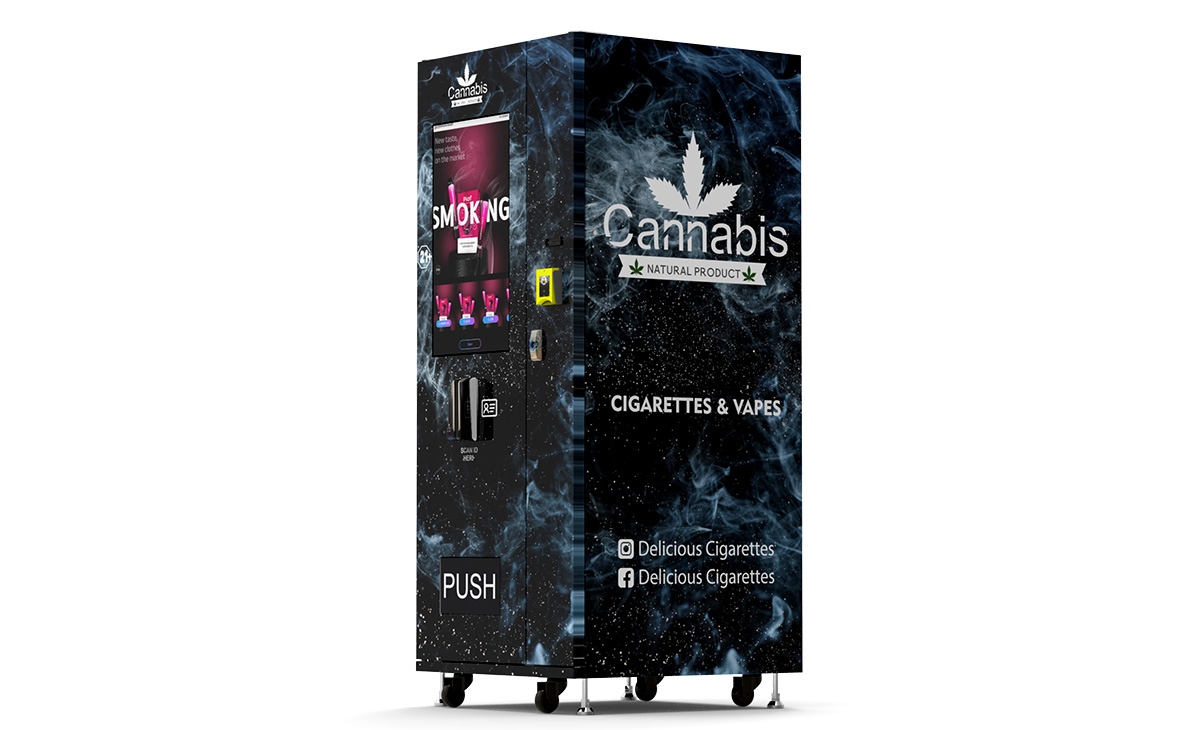
Your monthly operating costs will include restocking (typically 2 to 4 times per month), card processing fees (2.5 to 4 percent of sales), cellular data plan ($10–$30 per month), and occasional maintenance. Based on my experience, a well-placed machine in a good location generates $800 to $1,500 in monthly revenue. If your gross margin on products is 40 to 50 percent, your net profit per machine is between $200 and $600 per month. That means a payback period of 12 to 18 months, assuming no major repairs.
How to Avoid Common Newbie Mistakes
I have seen operators lose money because they ignored these simple rules:
- Do not buy the cheapest card reader. It will fail, and you will spend more on replacements and lost sales than you saved upfront.
- Do not place a machine without testing cellular reception. Walk around the location with your phone and check signal strength. If it is weak, the reader will fail.
- Do not ignore firmware updates. Payment standards change. If your reader is not updated, it may stop working with new cards or mobile wallets.
- Do not overstock. Start with a smaller inventory and adjust based on sales data. Overstocking ties up cash and leads to expired products.
- Do not skip the contract. Always have a written agreement with the location owner that covers rent, commission, access hours, and liability.
One operator I know bought 10 used machines and cheap card readers from an online marketplace. Within three months, four readers failed, two machines had connectivity issues, and the location owners were frustrated. He ended up spending more on repairs than he had saved on the initial purchase. If you are sourcing equipment, consider suppliers who offer integrated solutions and support. Zhongda Smart, for example, provides machines with pre-installed payment systems that are tested for compatibility, which saves you the hassle of retrofitting.
Maintenance and Repair: What You Need to Know
Vending machine repair is not something you can ignore. The most common issues I see with card readers are connectivity drops, faulty card readers, and software glitches. If your reader stops working, you lose all sales until it is fixed. That is why I always recommend having a spare reader on hand if you operate multiple machines. The cost of a spare is small compared to the revenue you lose during downtime.
For maintenance, plan to visit each machine at least once a week for restocking and cleaning. During these visits, check the reader for physical damage, test a transaction, and verify that the telemetry data is updating correctly. If you notice a pattern of failed transactions, contact your payment processor immediately. Delaying repairs by even a few days can cost you hundreds of dollars in lost sales.
Self-Service Kiosk vs. Traditional Vending Machine
Some operators ask me whether they should use a self-service kiosk instead of a traditional vending machine. The answer depends on the product. If you are selling packaged snacks and drinks, a traditional machine with a card reader is more cost-effective. If you are selling hot food, fresh coffee, or prepared meals, a self-service kiosk with a built-in payment system makes more sense. Kiosks are more expensive—typically $8,000 to $15,000—but they offer higher margins if the location has demand for fresh food.
In Europe, I have seen a growing trend toward automated retail solutions that combine a card reader for vending machines with a touchscreen interface and remote management. These systems are popular in corporate cafeterias and university campuses. The initial investment is higher, but the per-transaction revenue is also higher because customers are willing to pay more for fresh food.
FAQ: Questions I Get Asked Every Week
Do card readers really increase sales in vending machines?
Yes. In my experience, adding a card reader increases sales by 20 to 40 percent, especially in locations where customers do not carry cash. This is supported by data from NAMA showing that cash transactions in vending have fallen below 30 percent in the US.
How much does a card reader for vending machines cost?
A basic reader costs between $150 and $500. A reader with telemetry and remote monitoring costs $400 to $1,200. Installation adds $50 to $300. Monthly processing fees range from $10 to $80 depending on transaction volume.
How long does it take to recoup the investment?
Based on my experience, a well-placed machine with a card reader pays for itself in 12 to 18 months. This assumes monthly revenue of $800 to $1,500 and a gross margin of 40 to 50 percent.
Should I buy or lease a vending machine?
Buying is better if you plan to operate long-term and have the capital. Leasing makes sense if you want to test a location without committing a large upfront investment. However, leasing contracts often lock you into higher monthly costs.
What is the best location for a card-enabled vending machine?
Offices, hospitals, transit hubs, colleges, and gyms are the best locations. Look for places with at least 200 people passing by per day and a demographic that prefers card payments.
Do I need a permit to operate a vending machine?
Yes, in most jurisdictions. You need a business license, a sales tax permit, and sometimes a specific vending machine permit. In Europe, you also need to comply with food safety regulations if you sell perishable items.
How do I choose a reliable supplier?
Look for suppliers with a track record in your market. Check for compatibility with your machine type, support for local payment networks, and warranty terms. Zhongda Smart is one supplier I have worked with that offers integrated payment systems and machines designed for both US and European markets.
What happens if the card reader breaks?
You lose sales until it is fixed. That is why I recommend keeping a spare reader and having a maintenance plan. Most repairs can be done in 24 to 48 hours if you have a backup unit.
How can I reduce restocking and maintenance costs?
Use telemetry to track inventory in real time. This lets you restock only when needed, reducing unnecessary trips. Also, choose a reader with remote diagnostics so you can troubleshoot issues without visiting the machine.
Is the vending machine business still profitable in 2025?
Yes, but the margins are thinner than they were five years ago. The key is to choose the right locations, use reliable equipment, and keep your operating costs low. A card reader is now a necessity, not a luxury.
Final Thoughts from the Field
This business rewards patience and attention to detail. A card reader for vending machines is not a magic solution—it is a tool that works well when paired with the right location, the right products, and a solid maintenance plan. I have seen operators succeed by starting small, testing locations, and scaling only after they understood the local market. I have also seen operators fail because they rushed into multiple machines without understanding the ongoing costs.
If you are serious about entering this space, do your homework. Visit potential locations in person. Talk to other operators in your area. Test your equipment before you commit to a long-term contract. And remember that the cheapest option upfront is often the most expensive in the long run.
According to a 2024 report from IBISWorld, the vending machine industry in the US alone generates over $7 billion in annual revenue, with a growth rate of about 2.5 percent per year. The European market is similar in size, with countries like Germany, France, and the UK leading in automated retail adoption. The opportunity is real, but it belongs to operators who treat it as a business, not a passive income scheme.
This article was updated in February 2025. The numbers and recommendations reflect my personal experience and publicly available data from industry sources.