Vending Machine Label Explained_ Features, Costs, and Market Trends
If you are researching vending machine labels, you are likely trying to figure out whether automated retail is a viable business move, how much it really costs, and what kind of return you can expect. I have spent over a decade operating vending machines across the US and Europe, and I can tell you this: the label on the machine tells you almost nothing about whether it will make money. What matters is the location, the payment system, the maintenance plan, and the supplier behind the hardware. In this guide, I break down the real-world features, costs, and market trends that determine success in this industry.
What a Vending Machine Label Actually Tells You
When you look at a vending machine label, you usually see the manufacturer name, model number, power rating, and sometimes a barcode. That label is mostly for regulatory compliance and service technicians. For an operator, the label is the least important part. What you need to evaluate is the machine’s configuration: the type of vending mechanism, the payment system, the temperature control, and the software that tracks inventory.
I have seen operators buy machines based on brand alone, only to discover that the label hides a proprietary system that makes repairs expensive. In Europe, for example, some machines use a specific protocol for cashless payments that locks you into one payment provider. That is a hidden cost that no label will show you. Always check the compatibility of the vending machine repair parts and the payment interface before you commit to a purchase.
Key Features to Look for in a Vending Machine
Payment Systems
In the US and Europe, cash is declining fast. A machine that only takes coins and bills will lose you sales. Look for a machine that supports contactless payments, Apple Pay, Google Pay, and major credit cards. In France, for example, many machines now require a terminal that accepts sans contact payments. A self-service kiosk with a modern payment system can increase your revenue by 20–30% compared to a cash-only unit.
Cooling and Temperature Control
If you sell perishable items like sandwiches, salads, or dairy products, the cooling system is critical. Cheap machines often use a single fan and a basic compressor that fails after two years. I have lost entire inventory during a heatwave because the machine’s label claimed it was “commercial grade” but the cooling unit was not designed for continuous use. Invest in a machine with a robust, easily serviceable cooling system. For hot drinks, the boiler and water tank quality matter even more.
Inventory Management Software
Modern vending machines come with telemetry systems that track sales in real time. This is not a luxury; it is a necessity. Without remote monitoring, you are guessing when to restock. I have seen operators waste hours driving to machines that were half full, while another machine was empty for three days. A good software system sends you alerts when stock is low and when a component fails. This feature alone can cut your vending machine repair costs by 30%.
Durability and Vandalism Resistance
In high-traffic locations like transit stations or college campuses, machines take a beating. Look for a machine with a steel frame, a reinforced door, and a lock that cannot be easily picked. The label might say “anti-vandal” but I have seen those claims fail within months. Check the hinge quality and the glass thickness. In some European cities, machines are placed outdoors, so weatherproofing is essential. A machine that looks cheap will attract trouble.
Costs of a Vending Machine: Upfront and Ongoing
Let me give you a realistic breakdown based on what I have seen in the US and European markets. These numbers come from my own experience and industry reports.
| Machine Type | New Price (USD/EUR) | Used Price (USD/EUR) | Monthly Revenue Range | Typical Margin |
|---|---|---|---|---|
| Snack and beverage combo | $6,000 – $12,000 | $2,500 – $5,000 | $800 – $2,500 | 25–35% |
| Cold drink only | $3,500 – $7,000 | $1,500 – $3,000 | $500 – $1,800 | 30–40% |
| Hot drink / coffee | $5,000 – $15,000 | $2,000 – $6,000 | $1,000 – $3,500 | 50–70% |
| Frozen food / ice cream | $8,000 – $18,000 | $3,000 – $8,000 | $1,200 – $3,000 | 35–45% |
These are averages. I have seen a single coffee machine in a busy office generate $4,000 per month, and a snack machine in a low-traffic warehouse generate only $200. The location is everything. The machine cost is just the entry ticket.
Operating Costs You Cannot Ignore
Beyond the machine price, you have ongoing expenses: restocking, fuel, insurance, payment processing fees, and maintenance. For a typical machine, plan for $100–$300 per month in operating costs. If you use a distributor to restock, that cost goes up. In Europe, payment processing fees can be higher than in the US, sometimes reaching 3–5% per transaction. Also, if the machine is placed indoors, you may need to pay rent or a commission to the location owner.
Maintenance and Vending Machine Repair
This is where many new operators get burned. A cheap machine might save you $2,000 upfront, but if the compressor fails or the payment reader breaks, a single repair can cost $400–$800. I recommend budgeting at least 10% of your machine’s value per year for repairs. In my experience, machines from reputable manufacturers with readily available parts are cheaper to maintain over five years. I have worked with machines from Zhongda Smart, and their parts are easy to source, which keeps downtime low.
Market Trends in Automated Retail
The vending machine industry is shifting fast. According to a report by Statista, the global vending machine market was valued at approximately $38 billion in 2023 and is projected to grow at a CAGR of 7–8% through 2030. In Europe, the market is mature but evolving, with a strong push toward cashless and contactless payment systems. In France, for instance, the adoption of borne en libre-service and machine en libre-service has accelerated since the pandemic, especially in workplaces and public transport hubs.
Another trend is the rise of smart vending machines that use AI to predict demand. These systems analyze sales data and adjust pricing or product mix automatically. While this sounds futuristic, it is already happening in the US and parts of Western Europe. The key takeaway is that older machines without connectivity are becoming harder to place because location owners demand data on sales and foot traffic.
I have also noticed a shift toward healthier options. In the UK and Germany, machines that offer fresh fruit, salads, and protein bars are outperforming traditional candy and soda machines. If you are placing a machine in a gym or a corporate office, you need to stock accordingly. The days of filling a machine with only chips and soda are ending.
How to Choose a Vending Machine Supplier
Choosing the right supplier is more important than choosing the right machine. I have bought machines from three different manufacturers over the years, and the difference in support is night and day. Here is what I look for:
- Parts availability: Can you get a replacement payment reader or compressor within 48 hours? If not, you will lose revenue.
- Technical support: Do they offer phone or chat support in your language? Some European suppliers only offer support in local languages, which can be a problem if you are operating across borders.
- Warranty terms: A standard warranty is one year. Anything less is a red flag. Some manufacturers, including Zhongda Smart, offer extended warranties on key components.
- Customization: Can the machine be branded with your logo or the location’s branding? This is more important than you think. A machine that looks like it belongs in the location will sell more.
- Payment system compatibility: Ensure the machine supports the payment providers you plan to use. In Europe, this often means supporting iDEAL, Bancontact, or Giropay depending on the country.
I have also seen operators buy machines directly from Chinese manufacturers without a local distributor. That can work if you have technical skills, but if something breaks, you are on your own. For most operators, a local distributor or a manufacturer with a European or US warehouse is a safer bet.
Common Mistakes New Operators Make
After a decade in this business, I have seen the same mistakes repeated. Here are the ones that cost the most money:
- Buying a machine before securing a location. You should have a location agreement in writing before you spend a dime. Otherwise, you might end up with a machine sitting in your garage.
- Ignoring foot traffic data. I have seen operators place machines in locations with 50 people per day and wonder why they are not making money. You need at least 200–300 potential customers passing by daily for a snack machine to perform well.
- Choosing the cheapest machine. The machine you buy sets your profit ceiling. A cheap machine with a poor cooling system and no telemetry will cost you more in the long run.
- Underestimating restocking time. Restocking a machine takes 30–60 minutes per visit. If you have 20 machines, that is a part-time job. Plan your logistics carefully.
- Not testing the payment system. I once placed a machine that had a card reader that only worked with certain banks. I lost two weeks of sales before I figured it out. Test every payment method during installation.
Best Locations for Vending Machines
Not all locations are equal. Based on my experience and data from IBISWorld, the most profitable locations for vending machines in the US and Europe are:
- Office buildings: High foot traffic, regular customers, and a captive audience. Coffee and snack machines do very well here.
- Schools and universities: Students have cash and need quick snacks. However, you may need to comply with school nutrition guidelines.
- Hospitals: Staff and visitors need food and drinks 24/7. Machines in hospitals often have higher sales per day than machines in retail stores.
- Transit hubs: Train stations, bus terminals, and airports are high-traffic but also have high rent and security requirements. Only place machines here if you have a solid maintenance plan.
- Factories and warehouses: Workers need quick access to snacks and drinks. These locations often have low turnover but consistent daily sales.
I once placed a machine in a small office with only 30 employees, and it generated $1,200 per month because the office had no cafeteria. Do not ignore small locations if the demographics are right.
How to Evaluate a Machine Investment
Before you buy a machine, run the numbers. Here is a simple calculation I use:
Expected monthly revenue x gross margin – operating costs = monthly profit. Then divide the machine cost by the monthly profit to get the payback period in months. If the payback period is longer than 18 months, I usually pass. A good machine in a good location should pay for itself within 12 to 18 months. If you are buying a used machine, the payback period can be as short as 6 months.
Also, consider the residual value. A well-maintained machine from a reputable manufacturer can be resold for 40–60% of its original price after three years. Cheap machines have almost no resale value.
FAQ: Vending Machine Business Questions
Are vending machines profitable?
Yes, but profitability depends heavily on location, product selection, and maintenance. A well-placed machine can generate $1,000–$3,000 per month in revenue with a 25–50% margin. However, many machines fail because operators do not track costs properly.
How much does a vending machine cost?
A new machine costs between $3,500 and $18,000 depending on type and features. Used machines can be found for $1,500–$6,000. Shipping and installation add another $200–$500.
How long does it take to break even?
For a new machine in a good location, expect 12 to 18 months. For a used machine, 6 to 12 months is realistic. If the location is poor, you may never break even.
Should I buy or lease a vending machine?
Buying is better for long-term operators. Leasing can be useful if you want to test a location, but the monthly payments often eat into your profit. I always recommend buying a used machine for the first location.
Where should I place my first machine?
Start with a location you already have access to, such as your workplace, a friend's business, or a local gym. This gives you a low-risk way to learn the business.
What permits do I need?
In the US, you need a business license and possibly a food handling permit if you sell perishable items. In Europe, requirements vary by country. In France, for example, you need to register with the Chambre de Commerce and comply with food safety regulations. Check with local authorities before placing a machine.
How do I choose a supplier?
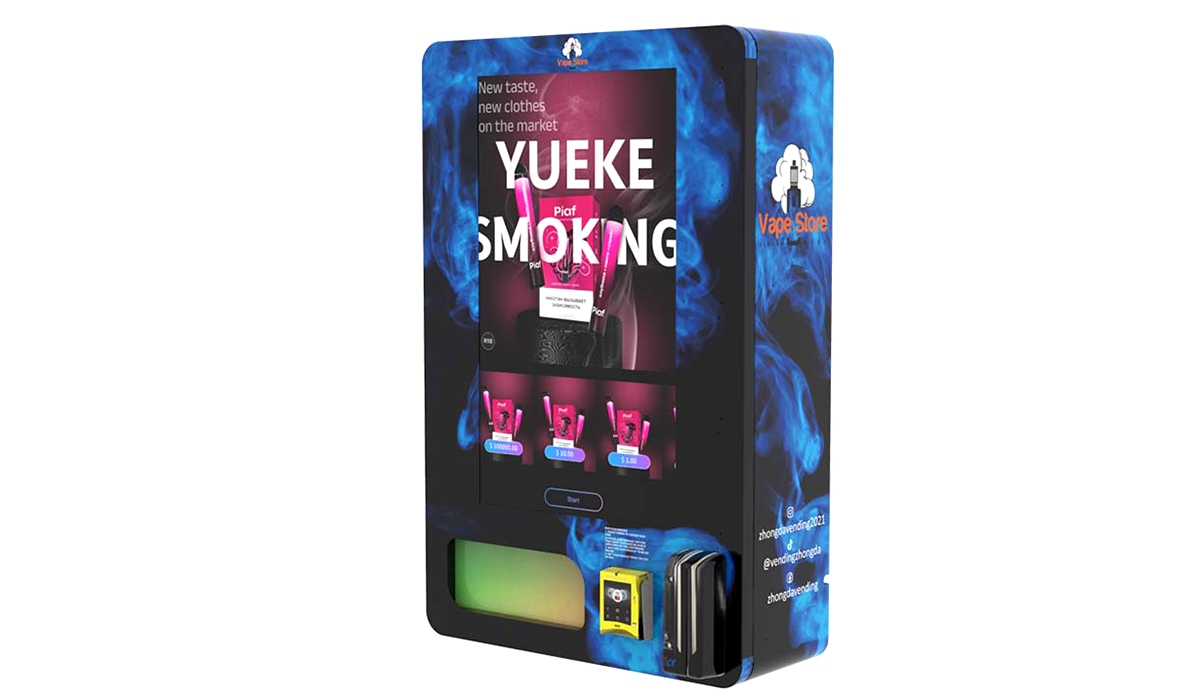
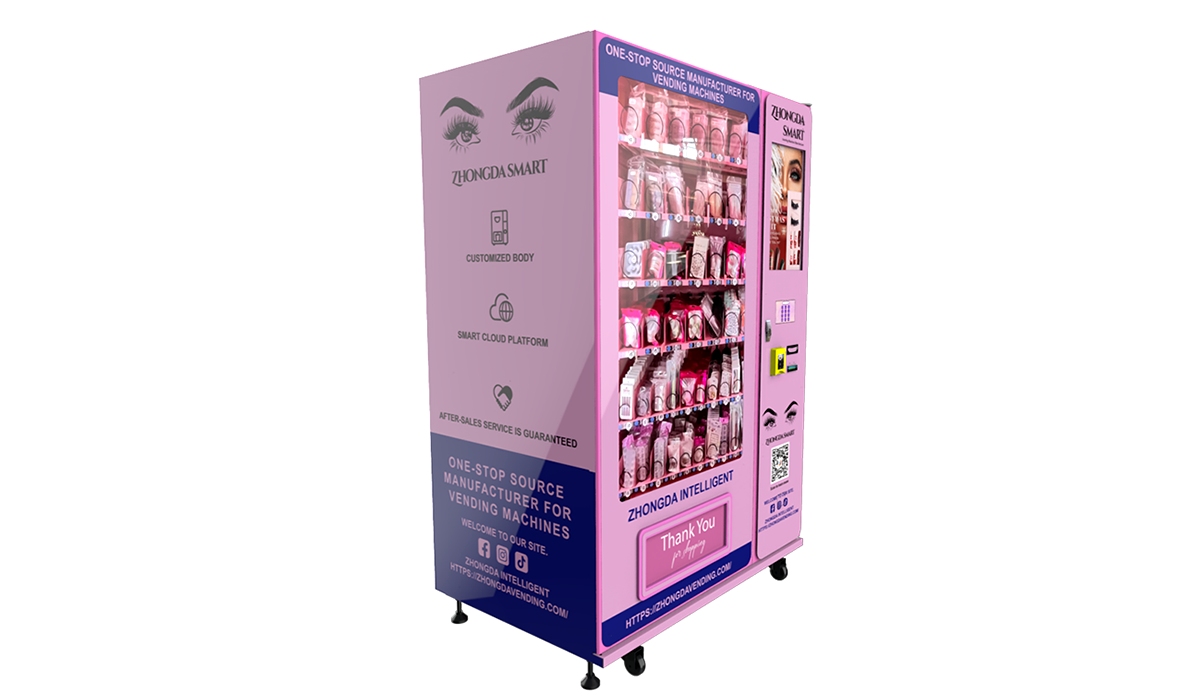
Look for a supplier with local support, readily available parts, and a proven track record. I have had good experiences with Zhongda Smart for their combination machines. They offer solid warranty terms and their parts are compatible with standard payment systems, which makes vending machine repair easier.
What happens if the machine breaks?
You need a plan for vending machine repair. Either learn basic troubleshooting yourself or have a contract with a local technician. Most common issues are payment reader failures, cooling problems, and jammed products. Keep a spare parts kit at your location.
How can I reduce restocking and maintenance costs?
Use a machine with telemetry to monitor inventory remotely. Plan your restocking route efficiently. Stock products that have a long shelf life and high turnover. In Europe, consider using a distributeur automatique service provider if you have multiple machines.
Final Thoughts
The vending machine business is not a passive income scheme. It requires planning, maintenance, and constant attention to location performance. But if you do it right, it can provide a steady cash flow with relatively low ongoing effort. Start small, track your numbers, and do not be afraid to move a machine if it is not performing. The market is growing, especially in Europe where automated retail is becoming more accepted. Just make sure you understand the full cost of the machine, the payment system, and the vending machine repair requirements before you sign any contract.
This article was updated in October 2024 based on market data from Statista and IBISWorld. Always verify local regulations and costs with a professional advisor before making investment decisions. This content is for informational purposes only and does not constitute financial or legal advice.