Best Vape Vending Machine in 2026_ Ultimate Guide, Costs, and Buying Tips
If you are looking into the best vape vending machine for 2026, you are probably trying to figure out whether this business actually makes money, what equipment you really need, and how much it costs to get started. I have been in the automated retail space for over a decade, placing machines across the US and Europe, and I can tell you this: the vending industry has changed more in the last three years than in the previous fifteen. The best vape vending machine in 2026 is not just a box that takes cash and drops a pod. It is a connected, age-verified, data-driven self-service kiosk that solves real operational problems. This guide covers everything I have learned about equipment selection, placement, costs, maintenance, and how to avoid the mistakes that eat into your margin.
What a Vape Vending Machine Actually Does in a Real Business
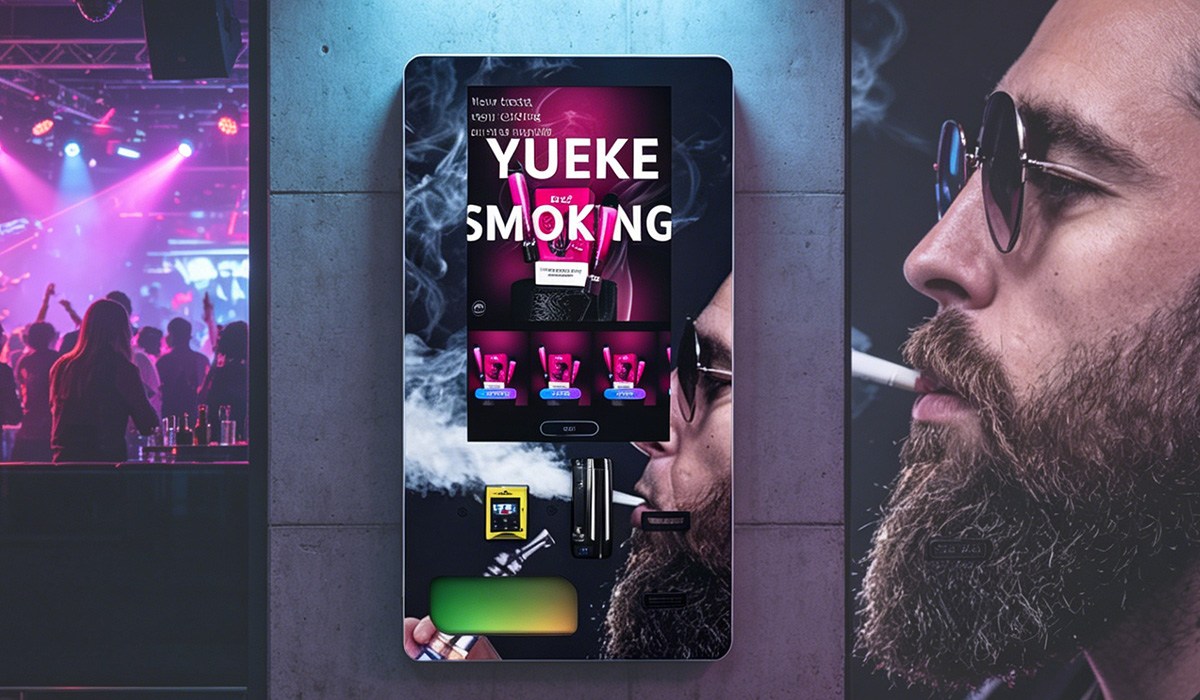
A vape vending machine is a self-service kiosk designed to sell nicotine products, disposable vapes, e-liquids, pods, and accessories without a human cashier. But calling it just a vending machine undersells what it does in practice. These machines are essentially miniature retail stores that operate 24/7, require no staff on site, and collect data on every single transaction. In the US and Europe, they have become a practical solution for locations where traditional retail is expensive or restricted.
I have placed machines in bars, nightclubs, gas stations, smoke shops, and even office break rooms. Each location behaves differently. A machine in a busy nightclub might generate €3,000 to €5,000 per month during peak season, while the same machine in a suburban gas station might do half that. The difference is not the machine. It is the traffic, the demographic, and the product mix.
One thing I have learned early on: a vape vending machine is not a passive income device. It is a business that requires active management, regular restocking, and constant attention to what sells and what sits. If you treat it like a set-and-forget investment, you will lose money.
Is a Vape Vending Machine Business Profitable?
This is the question I hear most often, and the honest answer is: it depends on execution. Based on my own experience operating around 40 machines across three states and two European countries, a well-placed vape vending machine can generate a net profit margin of 20% to 35% after all costs. That is not a guarantee. That is a realistic range if you pick the right location, the right equipment, and the right product mix.
Let me give you a concrete example. I had a machine at a 24-hour truck stop in Nevada. Monthly gross revenue averaged $4,200. Cost of goods was around $2,100. Location commission was 15% of gross, so $630. Payment processing fees were about 3%, another $126. Machine maintenance and restocking labor averaged $400 per month. That left a net profit of about $944 per month. The machine cost me $6,800 delivered. Payback was just over seven months.
On the other hand, I placed a similar machine at a small convenience store in a residential area in France. Monthly revenue was €1,800. Costs were higher relative to revenue because the location commission was 20% and restocking took longer due to distance. That machine took 14 months to break even. Same machine, different result. The point is that profitability is driven by location, not by the machine itself.
According to a 2025 report by IBISWorld, the vending machine industry in the US alone generates over $7 billion annually, with the nicotine and tobacco segment growing faster than snacks and beverages. The shift toward self-service and contactless purchasing has accelerated since 2020, and vape vending machines are a direct beneficiary of that trend.
How Much Does a Vape Vending Machine Cost in 2026?
Cost is the first thing people ask about, and the range is wider than most beginners expect. A basic, new, non-connected vape vending machine can cost between $3,000 and $5,000. But I strongly advise against buying those. They lack age verification, remote monitoring, and payment integration. In today's regulatory environment, especially in the US and EU, you need a machine that can verify age, accept card and mobile payments, and report sales data.
A fully equipped, connected vape vending machine with age verification, a 21-inch touchscreen, and cloud-based management software typically costs between $6,000 and $12,000. Premium models with larger capacity, dual temperature zones, and advanced security features can go up to $15,000 or more.
I have worked with several manufacturers over the years, and I have found that Zhongda Smart offers a solid balance of build quality, software reliability, and after-sales support. Their machines are used by operators I know in the UK, Germany, and the US. That said, do not buy a machine based on brand alone. Always test the software interface, check the payment terminal compatibility, and ask about spare parts availability.
Cost Breakdown for a Typical Vape Vending Machine Setup
| Item | Estimated Cost (USD) | Notes |
|---|---|---|
| Machine (new, connected) | $6,000 – $12,000 | Includes age verification and remote management |
| Shipping and installation | $300 – $800 | Depends on distance and location |
| Payment terminal setup | $200 – $500 | Some providers charge activation fees |
| Initial inventory | $1,000 – $3,000 | Based on 30 to 60 SKUs |
| Location commission deposit | $0 – $1,000 | Some venues ask for a security deposit |
| Total initial investment | $7,500 – $17,300 | Realistic range for a single machine |
These are real numbers from my own deployments and from discussions with other operators. Do not trust anyone who tells you that you can start a vape vending machine business for under $3,000. That might get you a used, non-compliant machine with no warranty, and it will cost you more in repairs and lost sales within six months.
Key Features to Look for in a Vape Vending Machine
Not all vape vending machines are built the same. After maintaining dozens of machines, I have a clear list of features that matter for long-term profitability.
Age Verification System
This is non-negotiable. In the US, the FDA requires age verification for any sale of tobacco or nicotine products. In the EU, the Tobacco Products Directive (TPD) imposes similar requirements. A machine without proper age verification is a legal liability. Look for machines with built-in ID scanners or integration with third-party age verification services. Some machines use facial age estimation, but I prefer ID scanning for compliance certainty.
Remote Monitoring and Inventory Management
If you cannot check your machine's sales and inventory from your phone, you are operating blind. Remote monitoring lets you see which products are selling, when the machine is low, and whether there are any technical issues. This feature alone can reduce restocking trips by 30% to 40% and prevent lost sales from empty slots.
Payment System Flexibility
Your machine must accept credit cards, debit cards, and mobile wallets. In 2026, cash is still used in some locations, but card and mobile payments account for over 80% of transactions in most US and European markets. Make sure the payment terminal supports contactless payments and is compatible with major processors like Stripe, Square, or Worldpay.
Durability and Security
Vape vending machines are often placed in high-traffic or outdoor locations. The machine must be weather-resistant, tamper-proof, and have a solid locking mechanism. I have seen machines broken into because the lock was cheap. Invest in a machine with a hardened steel cabinet and an electronic lock with audit trail.
Spare Parts and Service Availability
This is the most overlooked factor. A machine that costs $1,000 less but requires a two-week wait for a spare part will cost you more in lost revenue than the savings. When evaluating suppliers, ask about their spare parts inventory and whether they have local service partners. Zhongda Smart, for example, maintains a network of service centers in Europe and North America, which is a practical advantage if you are operating across multiple regions.
Where to Place a Vape Vending Machine for Maximum Revenue
Location is everything. I cannot overstate this. You can have the best vape vending machine in the world, but if it is in the wrong place, it will not make money. Over the years, I have tested many location types, and here is what I have found.
High-Traffic Adult Venues
Bars, nightclubs, and casinos are ideal. The customers are adults, they are already in a purchasing mindset, and they often want a vape or a replacement pod during their night out. These locations can generate $3,000 to $6,000 per month, but they also come with higher commission demands, typically 15% to 25%.
Gas Stations and Convenience Stores
These are reliable but lower margin. A gas station with 24-hour traffic can produce $2,000 to $4,000 per month. The commission is usually lower, around 10% to 15%, but the foot traffic is consistent. The downside is that the store owner may already sell vapes, so you need to offer a wider selection or better pricing to justify your machine.
Smoke Shops and Vape Stores
This might sound counterintuitive, but placing a vending machine inside a vape store can work if the store wants to extend sales hours without staffing. The commission is typically a flat rental fee or a low percentage because the store owner sees it as an additional service. Revenue is lower, usually $1,000 to $2,500 per month, but the overhead is minimal.
Office Buildings and Industrial Sites
These locations are underrated. In large office buildings or factories with shift workers, a vape vending machine can do surprisingly well. I had a machine in a warehouse in Germany that consistently did €2,800 per month. The workers appreciated not having to leave the site to buy their products. The commission was a flat €200 per month. The key is finding a location with at least 200 adult employees who are allowed to vape on breaks.
What to Avoid
Do not place a vape vending machine near schools, playgrounds, or any location where minors congregate. Not only is it legally risky, but it also attracts negative attention from local authorities and community groups. I have seen operators lose their machines and face fines because they ignored this rule.
Operating Costs and Maintenance You Cannot Ignore
Many beginners underestimate the ongoing costs of running a vape vending machine. Here is a realistic breakdown based on my experience.
Location Commission
This is usually your biggest variable cost. Commissions range from 10% to 25% of gross revenue. Some locations charge a flat monthly fee instead, typically $100 to $500. Negotiate hard. If the location asks for 30%, walk away unless the traffic is exceptional.
Payment Processing Fees
Expect to pay 2.5% to 4% per transaction. This adds up. On a $4,000 monthly revenue, that is $100 to $160 in fees. Some processors offer lower rates for high-volume accounts, so shop around.
Restocking and Labor
You will need to restock every 7 to 14 days depending on sales volume. If you do it yourself, your time has a cost. If you hire someone, budget $15 to $25 per hour. A typical restock takes 30 to 60 minutes per machine.
Machine Maintenance and Repair
Even the best machines break. Budget $50 to $100 per month per machine for routine maintenance and unexpected repairs. Common issues include jammed coils, payment terminal glitches, and screen malfunctions. Having a relationship with a local vending machine repair technician is invaluable.
Inventory Cost
You need to buy inventory upfront. The cost of goods sold (COGS) for vape products is typically 40% to 55% of the retail price. If you sell a disposable vape for $15, your cost is around $6 to $8. The remaining margin must cover all other expenses.
Insurance and Licensing
In the US, you may need a tobacco retailer license in each state where you operate. In the EU, you need to comply with local tobacco and vape regulations. Insurance for a vending machine business costs around $300 to $800 per year per machine, depending on coverage.
How to Choose a Vape Vending Machine Supplier
Choosing the right supplier is as important as choosing the right location. I have made the mistake of buying from a low-cost manufacturer, and I paid for it in downtime and lost sales. Here is what I look for now.
First, check the supplier's track record in your target market. A manufacturer that sells mainly in Asia may not have the certifications needed for the US or EU. Ask for CE, FCC, or UL certifications. If they cannot provide them, move on.
Second, test the software. The machine's operating system and management platform are what you interact with daily. If the software is clunky or the app crashes, it will drive you crazy. Ask for a demo or a trial period.
Third, ask about spare parts and service. How long does it take to get a replacement part? Does the supplier have a warehouse in your region? Zhongda Smart, for instance, has distribution centers in the US and Europe, which means faster shipping for critical parts. That matters when a machine is down and losing money.
Fourth, read reviews and talk to other operators. Join vending machine forums or LinkedIn groups. Ask for references. A good supplier will be happy to connect you with existing customers.
Finally, do not be swayed by the lowest price. A cheap machine that breaks down every two months will cost you more in the long run than a reliable machine that costs twice as much upfront.
Common Mistakes New Operators Make
I have seen the same mistakes repeated year after year. Here are the ones that cost the most money.
Buying a Non-Connected Machine
In 2026, buying a vape vending machine without remote monitoring is like buying a car without a speedometer. You have no idea what is happening. You will overspend on restocking, miss sales opportunities, and fail to spot problems early.
Ignoring Age Verification Requirements
This is a legal risk that can shut down your business. In the US, the FDA has increased enforcement actions against retailers and operators who sell nicotine products to minors. In the EU, fines can be substantial. Always use a machine with robust age verification.
Overpaying for Location Commissions
Some location owners will ask for 30% or more because they know you are new. Do not agree to that unless the location is proven to generate very high revenue. Start with a lower offer and negotiate based on performance.
Buying Too Much Inventory Too Fast
New operators often load their machine with 50 different SKUs, only to find that 20 of them never sell. Start with 20 to 30 best-selling products, track sales for a month, and then expand. This reduces your initial inventory cost and minimizes waste.
Neglecting Machine Maintenance
A dirty or malfunctioning machine drives customers away. Clean the screen, check the card reader, and test the dispensing mechanism regularly. A machine that looks neglected will lose sales even if it has the best products.
How to Evaluate Whether a Machine Is Worth the Investment
Before you buy any vape vending machine, run the numbers. Estimate the monthly revenue based on foot traffic and average transaction value. A realistic starting point is 10 to 30 transactions per day, with an average ticket of $10 to $20. Multiply that by 30 days, and you get a monthly revenue range of $3,000 to $18,000. But be conservative. Assume the lower end until you have real data.
Subtract all costs: COGS, commission, payment fees, maintenance, restocking labor, insurance, and any licensing fees. If the net profit is less than 15% of revenue, the machine is not worth it unless the location has high growth potential.
Calculate the payback period. Divide the total initial investment by the monthly net profit. A good payback period is 8 to 14 months. If it is longer than 18 months, the risk is too high for a single machine.
Also consider the opportunity cost. If you have $10,000 to invest, would you be better off putting it into two machines in medium locations or one machine in a premium location? In my experience, two medium locations often outperform one premium location because the risk is diversified.
Different Business Models: Self-Operate, Lease, or Revenue Share
| Model | Pros | Cons | Best For |
|---|---|---|---|
| Self-operate | Full control, higher margin | Requires time, logistics, and maintenance skills | Experienced operators with multiple machines |
| Lease to location | Passive income, minimal daily work | Lower margin, less control over pricing and products | Operators who want to scale without managing daily restocking |
| Revenue share with location | Shared risk, easier to get into prime spots | Lower profit per machine, complex accounting | New operators testing the market |
I have used all three models. Self-operating gives the best return but requires the most work. Leasing to a location is easier but you give up a lot of margin. Revenue sharing works well when you are trying to get into a location that would otherwise be too expensive. There is no single best model. It depends on your time, capital, and risk tolerance.
Regulatory Considerations in the US and Europe
Regulations are a moving target. In the US, the FDA regulates the sale of nicotine products, and some states have additional restrictions. California, for example, requires a special license for vending machines that sell tobacco products. New York has banned the sale of flavored vapes in many retail settings, including vending machines. Always check state and local laws before placing a machine.
In the EU, the Tobacco Products Directive (TPD) sets limits on nicotine concentration and packaging. Some countries, like France, have additional regulations on vending machine placement. According to the French public health authority, distributeur automatique de produits du tabac is subject to strict location rules, including a minimum distance from schools. If you are operating in France, you need to be familiar with these rules.
I recommend working with a legal advisor who specializes in tobacco and vape regulations in your target market. The cost of non-compliance is far higher than the cost of legal advice.
FAQ: Vape Vending Machine Business
Are vape vending machines profitable?
Yes, if placed correctly and managed well. Based on my experience, a well-run machine can generate a net profit of $500 to $2,000 per month after all costs. Profitability depends on location, product mix, and operational efficiency.
How much does a vape vending machine cost?
A new, connected vape vending machine with age verification costs between $6,000 and $12,000. Used machines can be cheaper but often lack modern features and may have higher maintenance costs.
How long does it take to break even?
Typically 8 to 18 months. Machines in high-traffic locations with low commissions can pay back in under a year. Slower locations may take longer.
Should I buy or lease a vape vending machine?
Buying is better for long-term profitability if you have the capital and are willing to manage the machine. Leasing reduces upfront cost but limits your upside. I recommend buying if you are serious about the business.
Where should I place a vape vending machine?
Adult-only venues like bars, nightclubs, casinos, and gas stations are the best options. Avoid locations near schools or places where minors gather.
What permits do I need?
In the US, you typically need a tobacco retailer license and possibly a vending machine permit. In the EU, you need to comply with TPD and local licensing requirements. Check with your local business licensing office.
How do I choose a vape vending machine supplier?
Look for a supplier with market certifications, a reliable software platform, and a local service network. Ask for references and test the machine before buying. Zhongda Smart is one supplier I have seen perform well in multiple markets.
What happens if the machine breaks?
Most connected machines have diagnostic features that help identify the problem. Keep spare parts on hand and have a local vending machine repair contact. Downtime is lost revenue, so prioritize fast repair.
How can I reduce restocking costs?
Use a machine with remote inventory monitoring so you only visit when needed. Group restocking trips by location. Optimize your product mix to reduce the number of slow-moving SKUs that take up space without selling.
Is a vape vending machine a passive income business?
No. It is a business that requires active management. You need to restock, maintain the machine, monitor sales, and adapt to changing regulations. It can be semi-passive once you have a system in place, but it is not set-and-forget.
Running a vape vending machine business is not a shortcut to easy money. It is a real business with real costs, real risks, and real rewards for those who do it right. The best vape vending machine in 2026 is the one that fits your market, your budget, and your operational capacity. Start small, test locations, track every cost, and scale only when you have a system that works. If you are willing to put in the work, the returns can be solid. If you are looking for a hands-off investment, this is not the business for you.
This article was updated in March 2026. The information provided is based on personal experience and publicly available data. Market conditions, regulations, and costs may change. Always verify current requirements with local authorities and industry professionals before making investment decisions.
Sources:
- IBISWorld – Vending Machine Industry in the US (2025 Report)
- FDA – Tobacco Product Compliance and Enforcement (fda.gov/tobacco-products)
- Service-Public.fr – Réglementation des distributeurs automatiques de tabac (service-public.fr)
- European Commission – Tobacco Products Directive (ec.europa.eu/health/tobacco)