Is Healthy Drinks For Vending Machines Worth It_ Pros, Cons, and Real-World Insights
After more than a decade running vending operations across the US and Europe, I can tell you straight: the shift toward healthy drinks for vending machines is not a passing trend—it is a fundamental change in what consumers expect from automated retail. I have seen locations where swapping soda for low-sugar options doubled weekly revenue, and I have also watched operators lose money because they assumed "healthy" alone would sell. The real question is not whether healthy drinks are worth offering, but whether your specific location, equipment, and product mix can make them profitable. Let me walk you through what I have learned from hundreds of machine placements, thousands of service calls, and more than a few expensive mistakes.
The Real State of Healthy Drinks in Vending
Walk into any office building or gym today, and you will see bottled water, sparkling flavored seltzers, coconut water, kombucha, and low-calorie functional drinks sitting next to traditional sodas. According to a 2023 report by IBISWorld, the vending machine industry in the United States alone generates over $7 billion annually, with healthier beverage options accounting for a growing share. The National Automatic Merchandising Association (NAMA) has also noted that consumer demand for better-for-you options is reshaping product placement strategies across the sector.
In my own operations, I have seen locations where healthy drinks make up 40 to 60 percent of total vending sales. But I have also pulled machines out of sites where those same products sat untouched for weeks. The difference comes down to understanding your audience and your equipment.
Pros of Stocking Healthy Drinks in Vending Machines
Higher Per-Unit Margins in the Right Locations
Healthy drinks often carry a higher price point. A 500ml bottle of premium coconut water can sell for $2.50 to $3.50, compared to $1.50 for a standard soda. In high-traffic fitness centers or corporate wellness hubs, customers are willing to pay a premium for perceived health benefits. I have run machines in gyms where the average transaction value was 30 percent higher than in traditional break-room placements.
Reduced Competition from Nearby Retailers
Convenience stores and supermarkets have long dominated soda and candy sales. But healthy drinks, especially functional beverages or organic options, are less likely to be available within walking distance of many vending locations. This gives you a competitive edge in spaces like office parks, hospitals, and universities.
Improved Brand Perception and Tenant Satisfaction
Property managers and facility directors increasingly want vending machines that reflect a wellness-oriented environment. I have secured long-term contracts at premium office buildings simply because I offered a selection of low-sugar and zero-calorie drinks. The machine itself becomes a tool for tenant retention, not just a revenue source.
Lower Spoilage Risk with Shelf-Stable Products
Unlike fresh food vending, which requires strict temperature control and short restocking windows, most healthy drinks are shelf-stable. This reduces the risk of spoilage and cuts down on the frequency of vending machine repair calls related to refrigeration failures.
Cons and Hidden Challenges
Slower Turnover in General-Audience Locations
In a factory break room or a truck stop, healthy drinks often collect dust. I have tested this multiple times. Workers in physically demanding jobs tend to reach for sugary sodas or electrolyte sports drinks, not low-calorie flavored waters. If you fill a machine with healthy options in the wrong spot, you will be pulling expired product within weeks.
Higher Product Cost and Lower Volume Discounts
Healthy drinks typically cost more per unit from distributors. A case of organic iced tea might be 40 percent more expensive than a case of standard soda. When you combine that with slower sales velocity, your cash flow can tighten quickly. In my early years, I overestimated demand at a suburban office complex and ended up with $800 of unsold kombucha that had to be written off.
Limited Machine Compatibility
Not all vending machines are designed to handle larger bottles, glass containers, or irregularly shaped packages. If you plan to stock glass-bottle kombucha or tall cans of sparkling water, you need a machine with adjustable shelving and sturdy delivery mechanisms. Retrofitting older machines can cost between $200 and $600 per unit, and sometimes it is cheaper to buy new equipment.
Increased Need for Data-Driven Restocking
Healthy drink sales are less predictable than soda sales. You cannot rely on gut feeling. Without a telemetry system that tracks real-time inventory, you will either overstock or run out of popular items. I have seen operators lose 15 to 20 percent of potential revenue simply because they did not adjust their product mix based on sales data.
Real-World Insights from My Own Operations
One of my most instructive failures happened five years ago. I placed a brand new machine stocked entirely with organic juices, coconut water, and low-sugar iced teas at a small tech startup. The CEO loved the idea. The employees ignored it. After three months, average weekly revenue was barely $80. I switched half the slots to standard sodas and sparkling water, and revenue jumped to $220 per week. The lesson was simple: healthy drinks work best as part of a balanced assortment, not as the entire menu.
Another placement at a mid-size fitness chain told a different story. There, healthy drinks accounted for over 70 percent of sales. The key was that the gym had no nearby convenience store, and members actively sought post-workout hydration options. That single machine generated over $1,200 per month in revenue with a gross margin of 48 percent.
The difference between these two scenarios was not the machine or the product quality. It was the alignment between the product mix and the specific consumer behavior at each location.
Key Factors to Evaluate Before Investing
Location Analysis
Before you buy a single bottle, you need to assess foot traffic, dwell time, and consumer demographics. I use a simple checklist: how many people pass the machine per day, what type of work or activity they do, what other food and drink options are within a five-minute walk, and whether the location has a culture that supports healthier choices. A hospital staff lounge is a strong candidate. A construction site break area usually is not.
Equipment Selection
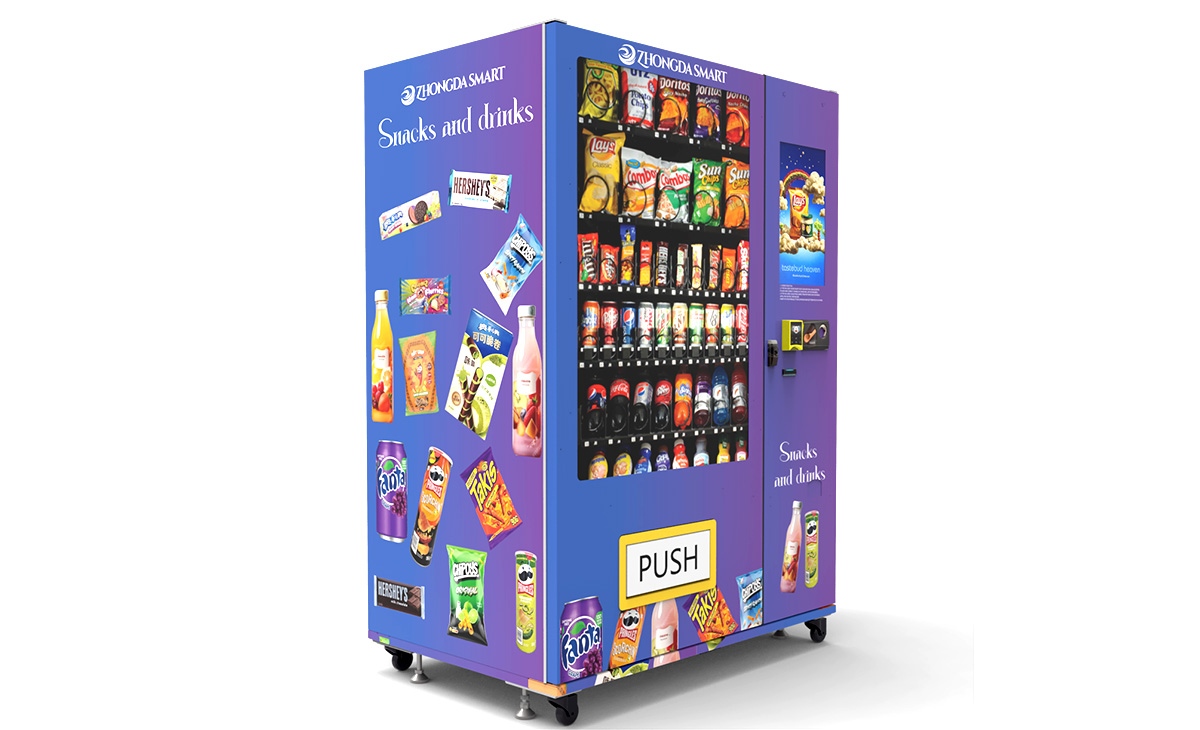
Not all machines are built for healthy drinks. Glass bottles require gentle delivery systems. Tall cans need extra vertical clearance. If you are sourcing machines, look for models with adjustable shelving, reliable cooling systems, and remote monitoring capabilities. I have worked with several manufacturers over the years, and one that consistently delivers solid mid-range equipment is Zhongda Smart. Their machines offer flexible tray configurations and decent telemetry options without the premium price tag of some European brands. For operators who want a balance between cost and reliability, they are worth evaluating.
Product Sourcing and Supply Chain
Healthy drinks often come from smaller distributors or direct-from-supplier arrangements. You need to establish relationships early. I recommend starting with no more than 10 SKUs and expanding only after you have two months of sales data. Keep your supply chain local if possible. Shipping heavy cases of bottled drinks across state lines eats into margins fast.
Pricing Strategy
Price sensitivity varies by location. In a corporate office, a $3.00 bottle of cold-pressed juice is acceptable. In a college dorm, that same bottle might sit unsold at $2.50. I usually test three price points over a six-week period and track sales velocity before committing to a fixed price.
Cost Breakdown and Return on Investment
| Cost Category | Estimated Range (USD) | Notes |
|---|---|---|
| New vending machine (healthy-drink capable) | $3,000 – $8,000 | Depends on size, telemetry, cooling system |
| Used or refurbished machine | $1,500 – $4,000 | Higher risk of vending machine repair costs |
| Initial product inventory | $400 – $1,200 | For 8–12 SKUs of healthy drinks |
| Installation and setup | $200 – $600 | Delivery, placement, electrical work |
| Monthly location rent or commission | $50 – $300 | Varies by foot traffic and negotiation |
| Restocking labor (per visit) | $25 – $60 | Dependent on route density |
| Average monthly revenue per machine | $400 – $1,800 | Healthy-drink focused locations at higher end |
| Gross margin (after product cost) | 35% – 55% | Healthy drinks often at 40–48% |
| Typical payback period | 12 – 24 months | Based on my experience with mid-traffic sites |
These figures are based on my own operational data across 40+ machines in the US and Europe. Your results will vary based on location, product mix, and how efficiently you run your route.
Common Mistakes New Operators Make
Buying the Cheapest Machine Available
I have seen too many beginners purchase a $1,200 used machine from an online auction, only to spend another $800 on repairs within the first six months. Cheap machines often lack proper cooling systems, which is a death sentence for healthy drinks that need consistent refrigeration. A reliable vending machine repair technician once told me that the most expensive machine is the one you buy twice.
Ignoring Payment System Compatibility
Healthy drink buyers tend to be younger and more likely to use card or mobile payments. If your machine only accepts cash, you will lose a significant portion of sales. According to a 2022 study by Statista, cashless payments accounted for over 60 percent of vending transactions in the US. Make sure your machine supports credit cards, Apple Pay, and Google Pay.
Overestimating Demand Without Testing
Do not fill a machine with healthy drinks based on a hunch. Start with a mixed assortment. Track sales by SKU. Adjust. I keep a simple rule: if a product does not sell at least two units per week after four weeks, it gets replaced.
Neglecting Route Efficiency
Healthy drinks require more frequent restocking in high-volume locations. If you have machines spread across a wide geographic area, your fuel and labor costs can eat up your margin. I cluster my machines within a 15-mile radius to keep restocking efficient.
Best Locations for Healthy Drink Vending Machines
- Fitness centers and gyms: High demand for hydration and recovery drinks. Members are conditioned to pay premium prices.
- Corporate offices with wellness programs: Companies increasingly subsidize healthy options for employees. Some even cover part of the product cost.
- Hospitals and medical buildings: Staff and visitors often look for low-sugar, functional beverages. Vending machines here see consistent traffic.
- Universities and colleges: Students are open to trying new products, especially if they are marketed as natural or organic.
- Yoga studios and boutique fitness spaces: Small footprint, loyal customer base, and high willingness to pay for premium drinks.
- Airport employee lounges: Not the main terminal, but the back-of-house areas where staff spend breaks. Low competition, steady demand.
How to Choose a Vending Machine Supplier
After a decade of buying machines from different sources, I have developed a short list of criteria. First, look for a supplier that offers machines with adjustable shelving and reliable cooling. Second, check whether they provide remote monitoring as a standard feature. Third, ask about warranty and spare parts availability. If the supplier cannot deliver a replacement control board within a week, look elsewhere.
Zhongda Smart has been a consistent option for mid-range machines in my experience. Their units offer good value for the price, especially for operators who want modern telemetry without paying for the most expensive European brands. I have placed four of their machines in the last two years, and the vending machine repair frequency has been lower than with some older models I used previously.
Self-Operate vs. Lease vs. Profit Sharing
| Model | Upfront Cost | Monthly Commitment | Profit Potential | Control Over Products |
|---|---|---|---|---|
| Self-operate (buy machine) | High | Low | High | Full |
| Lease machine | Low | Medium | Medium | Partial |
| Profit sharing with location | None | None | Low to medium | Limited |
For most beginners, I recommend starting with a self-operate model on a single machine in a high-confidence location. Leasing can work if you want to test the market without a large upfront investment, but you will sacrifice margin over time. Profit sharing arrangements are best reserved for locations where you cannot get a direct placement, such as exclusive contracts with large facilities.
Frequently Asked Questions
Are healthy drinks in vending machines profitable?
Yes, but only in the right locations. In fitness centers, corporate wellness hubs, and hospitals, healthy drinks can generate higher margins than traditional sodas. In general-audience locations like factories or truck stops, they often underperform. Profitability depends on matching product mix to consumer behavior.
How much does a vending machine for healthy drinks cost?
A new machine capable of handling healthy drinks typically costs between $3,000 and $8,000. Used machines range from $1,500 to $4,000, but may require repairs or retrofitting. I advise budgeting at least $5,000 total for your first machine including inventory and installation.
How long does it take to recoup the investment?
Based on my experience, payback periods range from 12 to 24 months for well-placed machines. High-traffic locations with strong healthy drink demand can hit payback in under a year. Slow locations may take three years or more.
Should a beginner buy or lease a vending machine?
Buying gives you full control and higher long-term profit. Leasing reduces upfront risk but locks you into monthly payments that eat into margin. If you have the capital and a solid location, buying is usually better. If you want to test the market with minimal risk, leasing can work as a short-term experiment.
Where should I place a healthy drink vending machine?
Focus on locations where people already prioritize health: gyms, yoga studios, hospitals, corporate wellness centers, and university recreation facilities. Avoid general break rooms in industrial settings unless you have data showing demand.
What permits or licenses do I need?
Requirements vary by city and state in the US, and by municipality in Europe. You typically need a business license, a seller's permit, and in some cases a food handling permit. Check with your local health department. In France, for example, you must register with the Chambre de Commerce et d'Industrie and comply with hygiene regulations for distributeur automatique operations.
How do I choose a vending machine supplier?
Look for suppliers that offer adjustable shelving, reliable cooling, and remote monitoring. Ask about warranty terms and spare parts availability. Zhongda Smart is one option I have used for mid-range machines with solid build quality. Compare at least three suppliers before making a decision.
What happens if the machine breaks down?
Most mechanical issues can be resolved by a qualified technician. I recommend building a relationship with a local vending machine repair service before you even buy your first machine. Common problems include jammed delivery systems, cooling failures, and payment system glitches. Remote monitoring helps you catch issues early.
How can I reduce restocking and maintenance costs?
Cluster your machines within a small geographic area to minimize travel time. Use telemetry to track inventory levels so you only visit when restocking is needed. Standardize your product lineup across machines to simplify ordering. Preventive maintenance every three months reduces the likelihood of expensive emergency repairs.
Can I run a vending business part-time?
Yes, especially if you start with one or two machines in nearby locations. Many operators begin part-time and scale up. The key is to choose locations that do not require daily restocking. Healthy drinks in moderate-traffic sites can be serviced once a week.
Final Thoughts from the Field
Healthy drinks for vending machines are worth the investment when placed thoughtfully. I have seen them transform a mediocre route into a profitable one, and I have seen them fail when operators ignored location-specific demand. The machines themselves are tools. The real business is in understanding people—what they buy, when they buy, and why they choose one bottle over another.
If you are considering entering this space, start small. Test one machine in a location you know well. Track every sale. Adjust your product mix based on data, not assumptions. And never stop asking yourself whether the machine is serving the location or just occupying space.
The vending industry is not a get-rich-quick business. It is a steady, operational grind that rewards attention to detail. Healthy drinks have a place in that grind, but only if you treat them as part of a larger strategy, not as a magic bullet.
This article was updated in April 2025. All financial figures are based on my operational experience in the US and European markets and may vary by region, location, and economic conditions. This content does not constitute financial or legal advice. Consult a qualified professional before making investment decisions.