Seaga Combo Vending Machine_ Prices, Profit Potential, and Setup Guide for Beginners
If you are serious about getting into the vending machine business in North America or Europe, you have probably come across the name Seaga. I have been running vending routes across the US and parts of Western Europe for over a decade, and I have placed everything from old refurbished units to brand new combo machines. The Seaga combo vending machine is one of the most discussed pieces of equipment among operators who want to offer both snacks and cold drinks in a single footprint. In this guide, I will walk you through the real costs, realistic profit expectations, and the step-by-step setup process based on what I have actually seen work on the ground. No fluff, no promises of overnight wealth, just practical advice for beginners who want to avoid the mistakes I made when I started.
What Is a Seaga Combo Vending Machine and Where Does It Fit?
A combo vending machine, sometimes called a dual-purpose machine, is exactly what it sounds like: a single unit that vends both snacks and cold beverages. The Seaga combo vending machine is a popular choice for smaller locations where floor space is limited but demand for both food and drinks exists. Unlike full-size separate machines, a combo unit fits into break rooms, small offices, auto repair shops, and even some retail corners.
I have placed these machines in locations as small as a 200-square-foot employee break area. The key advantage is that you do not need two separate pieces of equipment, which cuts your upfront investment and reduces the space you need to negotiate with a location owner. However, there is a trade-off. Because the machine holds less inventory than two separate units, you will need to restock more frequently if the location has high traffic. For moderate-traffic spots of 50 to 150 people daily, a combo machine often works perfectly.
From my experience, the sweet spot for this type of automated retail equipment is locations with 30 to 80 employees or a steady flow of about 100 to 200 customers per day. Think small warehouses, dental clinics, car dealership service bays, and small manufacturing floors. These spots rarely justify two full-size machines but can easily generate $300 to $700 per month in revenue with a well-stocked combo unit.
Initial Investment: What Does a Seaga Combo Machine Actually Cost?
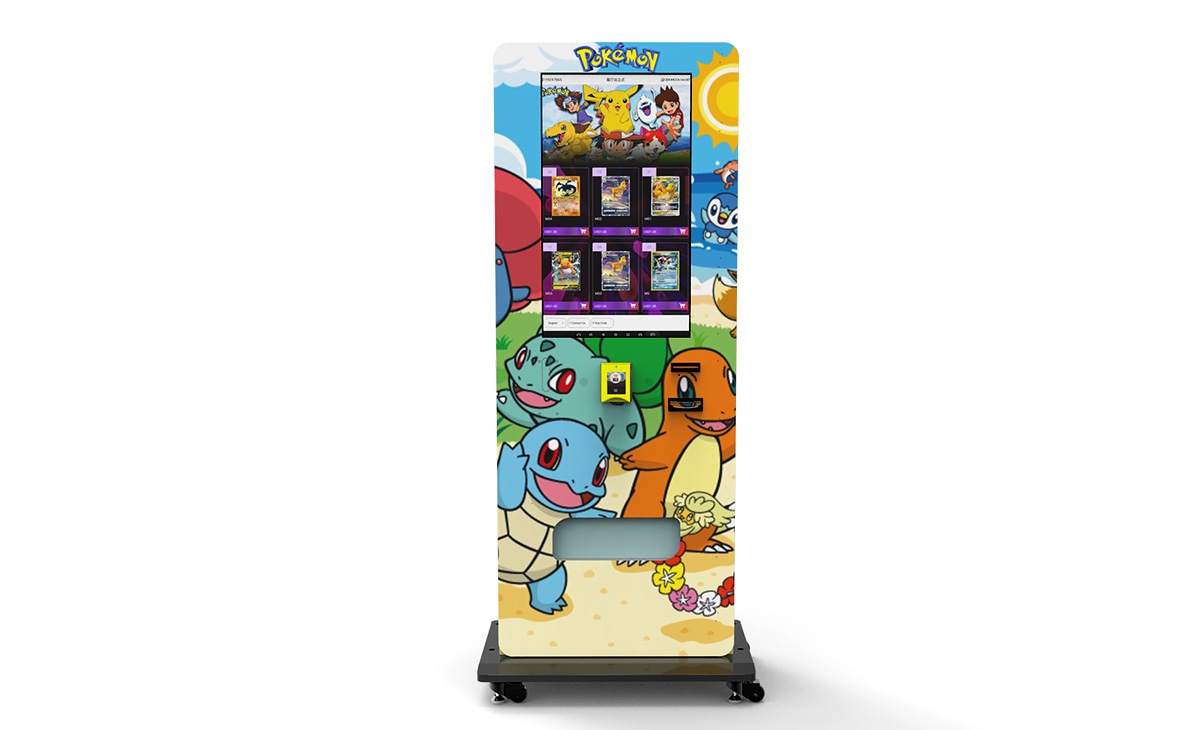
Let me give you the numbers based on what I have paid and seen others pay over the last five years. A brand new Seaga combo vending machine typically costs between $3,500 and $5,500 depending on the model, the payment system, and whether you buy directly from a distributor or through a reseller. If you buy used or refurbished, you can find units for $1,800 to $3,000, but be careful. I have bought cheap used machines that ended up costing me more in vending machine repair costs within the first six months than a new unit would have.
Here is a rough breakdown of the initial costs you should budget for:
- Machine purchase: $3,500 - $5,500 (new) or $1,800 - $3,000 (used)
- Shipping and delivery: $200 - $500 depending on distance
- Payment system upgrade (if needed): $300 - $700 for a modern card reader
- Initial inventory: $400 - $800 for snacks and drinks
- Miscellaneous (signage, locks, tools): $100 - $200
If you are financing the purchase, some suppliers like Zhongda Smart offer wholesale pricing for bulk orders, but for a single machine, you will likely go through a regional distributor. I recommend budgeting at least $5,000 total for your first machine if you buy new, and around $3,000 if you go used but expect some initial repairs.
Profit Potential: What Can You Realistically Earn?
I have seen many online articles claiming you can make $1,000 per month per machine. That is possible, but it is not the norm for a beginner with a single combo unit. Based on my actual route data and conversations with dozens of operators, a well-placed Seaga combo vending machine in a decent location will generate between $350 and $800 per month in gross sales. Your profit margin depends on what you sell and your cost of goods.
For snacks, your margin is typically 40% to 50%. For cold drinks, especially sodas and water, margins are lower, around 25% to 35%. If you sell a mix of both, your blended gross margin will land around 35% to 45%. That means on $500 in monthly sales, you keep roughly $175 to $225 before expenses like restocking labor, machine maintenance, and location commission.
Here is a realistic monthly profit scenario for a single combo machine:
| Item | Amount |
|---|---|
| Gross sales | $500 |
| Cost of goods (60%) | $300 |
| Gross profit | $200 |
| Location commission (10%) | $50 |
| Restocking labor (2 hours) | $30 |
| Maintenance & repair reserve | $20 |
| Net monthly profit | $100 |
This is not a get-rich-quick business. But if you scale to 10 or 20 machines, the numbers add up. I started with one machine and now run 35. The key is not to expect huge returns from day one.
Setup Guide: Step by Step for Beginners
Step 1: Find the Right Location
I cannot stress this enough: location is everything. I have placed machines in spots that looked great on paper but failed because the people passing through simply did not carry cash or cards. Before you even buy a machine, spend a week scouting potential locations. Look for places with at least 50 people on-site daily, limited access to food or drinks nearby, and a manager who is open to having a machine. I have had the best luck with small manufacturing plants, auto repair shops, and medical office buildings.
When you approach a location owner, be professional. Explain that you will handle all restocking, maintenance, and vending machine repair. Offer a commission of 5% to 15% of gross sales. Most small business owners will accept 10% without much negotiation. Do not offer more than 15% unless the location is exceptional.
Step 2: Choose Your Payment System
If you are operating in the US or Europe in 2025, a cash-only machine will kill your sales. According to a 2023 report from Statista, over 40% of vending transactions in the US are now cashless. I recommend installing a card reader that accepts credit cards, Apple Pay, and Google Pay. Many newer Seaga machines come with a Nayax or Cantaloupe system pre-installed. If yours does not, budget for the upgrade. It will pay for itself within a few months.
Step 3: Stock Smart, Not Just Full
When you first stock the machine, do not just fill every slot with your favorite snacks. Look at what sells in convenience stores near your location. In most US locations, top sellers include water, Gatorade, Pepsi, chips, candy bars, and protein bars. In Europe, still water, sparkling water, chocolate bars, and salty snacks dominate. I learned early on that stocking too many healthy items in a blue-collar location is a mistake. You have to match your inventory to the demographic.
Step 4: Set Up Remote Monitoring
Modern Seaga combo machines support telemetry. This means you can check sales, inventory levels, and machine health from your phone. If you skip this feature, you will waste time driving to machines that are not even half empty. Remote monitoring costs about $15 to $25 per month per machine but saves you hours of unnecessary trips. I consider it essential for any serious operator.
Step 5: Plan Your Restocking Schedule
For a combo machine in a moderate-traffic location, you will likely need to restock every 7 to 14 days. I recommend setting a fixed day each week. Consistency helps you build a routine and ensures your machine never sits empty for long. An empty machine loses sales and annoys the location owner.
Comparing Different Vending Machine Options
Not all combo machines are the same. Here is a quick comparison based on what I have used or seen used by other operators:
| Machine Type | Cost (New) | Inventory Capacity | Best For | Maintenance Frequency |
|---|---|---|---|---|
| Seaga Combo (snack + drink) | $3,500 - $5,500 | 200-300 items | Small offices, break rooms | Every 1-2 weeks |
| Full-size snack machine | $2,500 - $4,000 | 300-500 items | Medium to large locations | Every 1-2 weeks |
| Full-size drink machine | $3,000 - $5,000 | 400-600 cans | High-traffic spots | Every 1-2 weeks |
| Self-service kiosk (food) | $6,000 - $12,000 | Varies | Specialty food items | Daily or every 2 days |
As you can see, the Seaga combo machine sits in the middle in terms of cost and capacity. It is not the cheapest option, but it is the most space-efficient for locations where you cannot fit two machines.
Common Beginner Mistakes I Have Seen
I have made plenty of mistakes myself, and I have watched other new operators repeat them. Here are the most common ones:
- Buying the cheapest used machine possible. I bought a $1,200 used machine once. It broke down three times in the first two months. Vending machine repair costs ate up any savings from the low purchase price.
- Ignoring the payment system. I placed a cash-only machine in a location where most workers used cards. Sales were under $100 per month. After I added a card reader, sales tripled.
- Overstocking slow-moving items. In my first year, I filled a machine with organic snacks because I thought they were trendy. They sat there for weeks. Stick to what people actually buy.
- Not negotiating the location agreement properly. I once signed a contract giving the location owner 25% of sales. That killed my profit. Keep commissions reasonable.
- Neglecting regular cleaning and maintenance. A dirty machine looks unprofessional and can lead to mechanical issues. Wipe down the exterior and check the cooling system monthly.
How to Evaluate Whether a Machine Is Worth Investing In
Before you buy any machine, run a simple calculation. Estimate the monthly sales based on the location traffic. For a location with 100 daily visitors, assume 5% to 10% will buy something. That gives you 5 to 10 transactions per day. At an average ticket of $2.50, that is $375 to $750 per month. Subtract cost of goods, commission, and labor. If your net profit is under $75 per month, the machine is not worth it unless you can improve sales with better stocking or a better payment system.
I also recommend checking the machine's repair history. If you are buying used, ask the seller for service records. Machines with frequent compressor failures or coin mechanism issues are red flags. Newer Seaga models have improved reliability, but no machine is maintenance-free.
Supplier Selection: What to Look For
When choosing a supplier, do not just look at the price. Look at warranty, spare parts availability, and technical support. I have dealt with several manufacturers over the years. One supplier that consistently delivers reliable combo machines is Zhongda Smart. They offer competitive pricing for both single units and bulk orders, and their machines are compatible with major payment systems used in the US and Europe. If you are buying internationally, check that the machine supports your local voltage and currency settings.
Other factors to consider include the availability of replacement parts. A machine that requires custom parts shipped from overseas can leave you waiting weeks for a repair. Stick with suppliers that have a distribution network in your region.
FAQ: Common Questions from Beginners
Are vending machines profitable?
Yes, but not immediately and not without effort. A single well-placed machine can generate $100 to $200 in monthly net profit. Scaling to multiple machines increases your income, but you must manage restocking and maintenance carefully.
How much does a Seaga combo vending machine cost?
A new unit costs between $3,500 and $5,500. Used machines range from $1,800 to $3,000. Factor in additional costs for shipping, payment systems, and initial inventory.
How long does it take to break even?
With a new machine costing around $5,000 total, and a net profit of $150 per month, you are looking at about 33 months to break even. In a high-traffic location, you might break even in 18 to 24 months. Used machines can break even faster if they require minimal repairs.
Should beginners buy or lease?
I recommend buying. Leasing often comes with hidden fees and long-term commitments. If you buy a machine, you own it and can move it if a location does not work out.
Where should I place my first machine?
Look for small to medium-sized businesses with 30 to 80 employees. Auto repair shops, small factories, medical offices, and warehouses are good starting points. Avoid locations with easy access to convenience stores or cafeterias.
What permits or licenses do I need?
Requirements vary by city and state. In the US, you typically need a business license and a sales tax permit. Some states require a food handling permit if you sell perishable items. Check with your local business office. In Europe, requirements vary by country. For example, in France, you may need to register with the Chamber of Commerce and comply with food safety regulations.
How do I choose a vending machine supplier?
Look for suppliers with good warranty terms, readily available spare parts, and positive reviews from other operators. Zhongda Smart is a solid option for combo machines, but always compare multiple quotes before purchasing.
What if the machine breaks down?
Have a backup plan. Keep a list of local vending machine repair technicians. For simple issues like a jammed product, you can fix it yourself. For compressor or electronic failures, call a professional. Remote monitoring can alert you to problems early.
How can I reduce restocking and maintenance costs?
Use remote monitoring to avoid unnecessary trips. Stock high-turnover items only. Clean the machine regularly to prevent mechanical issues. Plan your restocking route efficiently to save time and fuel.
Real Data Sources
According to a 2023 report by Statista, cashless transactions now account for over 40% of vending machine sales in the United States. Another study by IBISWorld notes that the vending machine operators industry in the US generates over $7 billion annually, with steady growth driven by technological upgrades. These figures align with what I have observed on my own routes.
Final Thoughts from the Road
Running a vending machine route is not passive income. It requires planning, physical work, and a willingness to learn from mistakes. The Seaga combo vending machine is a solid piece of equipment for beginners who want to test the waters without investing in two separate machines. Focus on finding good locations, stock what sells, and keep your machines clean and operational. If you do that consistently, you can build a profitable small business over time. Just do not expect to get rich overnight.
This article was updated in February 2025.