Is Oak Vending Machine Worth It_ Pros, Cons, and Real-World Insights
If you are considering entering the automated retail space, you have likely come across the name Oak Vending Machine. After a decade of operating vending routes across the US and parts of Europe, I can tell you that the answer to whether an Oak Vending Machine is worth it depends entirely on your business model, location strategy, and expectations. Oak is a well-known brand, particularly in the bulk vending segment, but "worth it" means different things to a location owner looking for a side income stream versus a full-time operator managing fifty machines. In this article, I will break down the real costs, operational realities, and profit potential based on actual field experience, not manufacturer hype. Understanding the nuances of vending machine repair and daily operations is critical before you spend a dollar.
What Is an Oak Vending Machine and Where Does It Fit?
Oak Manufacturing is an American company that has been producing vending equipment since the 1940s. They are best known for their bulk vending machines—those clear globe machines that dispense gumballs, candy, or small toys for a quarter or fifty cents. Unlike full-size soda or snack machines, Oak machines are compact, mechanical, and require no electricity or complex payment systems. This makes them a low-cost entry point for many first-time operators.
However, the term "Oak Vending Machine" is often used generically to refer to any small capsule or candy machine. In my experience, the brand holds up well in terms of build quality, but the profitability is a different story. These machines are best suited for low-traffic waiting areas, laundromats, or small retail shops where a full-size machine would be overkill. They are not designed for high-volume locations like office break rooms or busy transit hubs.
Pros of Using an Oak Vending Machine
Low Initial Investment
One of the biggest advantages is the upfront cost. A new Oak machine can cost between $100 and $300 depending on the model and stand. Compare that to a modern snack machine which can run $3,000 to $8,000. For someone testing the waters in automated retail, this is a manageable risk. I have seen operators start with five machines for under $1,000 total, including product.
Minimal Technical Complexity
Because these machines are purely mechanical, there is very little that can break. No refrigeration, no motors, no card readers. When something does jam, it is usually a simple fix you can do with a screwdriver. This dramatically reduces the need for professional vending machine repair services. Over a decade, I have probably spent less than $50 total on repairs for my Oak machines, compared to hundreds annually on electronic units.
No Electricity or Connectivity Required
You can place an Oak machine anywhere there is floor space. No need for an outlet or WiFi. This opens up locations that would otherwise be impossible for a traditional vending machine. I have placed them in barber shops, small waiting rooms, and even in the corner of a real estate office. The lack of power requirements also means lower operating costs.
Simple Route Management
Refilling an Oak machine takes about two minutes. You open the top, pour in product, and collect the coins. For a part-time operator running a small route, this is efficient. You do not need a truck or dolly. A few machines can be serviced during a lunch break.
Cons of Using an Oak Vending Machine
Very Low Revenue Per Machine
This is the biggest drawback. A well-placed Oak machine might generate $20 to $50 per month in gross sales. Even at a 50% profit margin, you are looking at $10 to $25 per machine per month. To make meaningful income, you need a large number of machines. I once ran a route of 40 Oak machines and the total monthly revenue was under $1,200. That is not a business; it is pocket change.
Limited Product Options
You are restricted to small, low-cost items. Gumballs, bouncy balls, capsule toys, and small candies. There is no way to sell drinks, chips, or healthier options. This limits your ability to adapt to changing consumer preferences. In today's market, many location owners want healthier or more diverse offerings, which an Oak machine cannot provide.
Coin-Only Payment Is a Growing Problem
Most Oak machines are coin-operated, and with the decline of cash usage, especially post-2020, you are losing sales. I have seen locations where a quarter machine sits untouched while a nearby self-service kiosk with a card reader does steady business. Retrofitting an Oak machine with a card reader is possible but often costs more than the machine itself, defeating the purpose of low-cost entry.
Location Fatigue
Because the revenue per machine is low, location owners often lose interest. They see a machine taking up floor space for $15 a month in commission and decide it is not worth it. I have lost more Oak machine locations to "the owner just wants it gone" than to any other reason. With a full-size machine generating $200 or more per month, location owners are far more cooperative.
Real-World Insights from Operating Oak Machines
I started my vending journey with five Oak machines in 2014. I placed them in local laundromats and a pizza shop. The first month, I made $87 total. I was excited. By month six, I had 20 machines and was making about $400 a month. That sounds okay until you factor in driving time, product costs, and the occasional theft or vandalism. On paper, I was making minimum wage.
What I learned is that Oak machines work best as a supplement to a larger route, not as the main focus. I now use them only in locations that cannot support a full-size machine. For example, a small hair salon with a 10-minute wait time. The machine adds a small revenue stream and keeps kids occupied. But I would never rely on them for primary income.
Another insight: the condition of the machine matters more than you think. A faded or dirty Oak machine signals neglect. I have seen operators buy used machines for $50, paint them, and place them in high-end locations. The presentation directly impacts sales. A clean, bright machine can double your revenue compared to a rusty one in the same spot.
Cost Breakdown: Oak Vending Machine vs. Full-Size Machines
| Factor | Oak Vending Machine | Full-Size Snack/Soda Machine |
|---|---|---|
| Initial Cost (new) | $100 – $300 | $3,000 – $8,000 |
| Monthly Revenue | $15 – $50 | $200 – $800 |
| Gross Margin | 40% – 60% | 25% – 40% |
| Electricity Cost | $0 | $10 – $30/month |
| Repair Cost (annual) | $0 – $20 | $100 – $500 |
| Payment Options | Coins only | Cash, card, mobile |
| Refill Frequency | Every 4–8 weeks | Every 1–2 weeks |
| Space Required | 1 sq ft | 6–10 sq ft |
| Typical Payback Period | 6–12 months | 12–24 months |
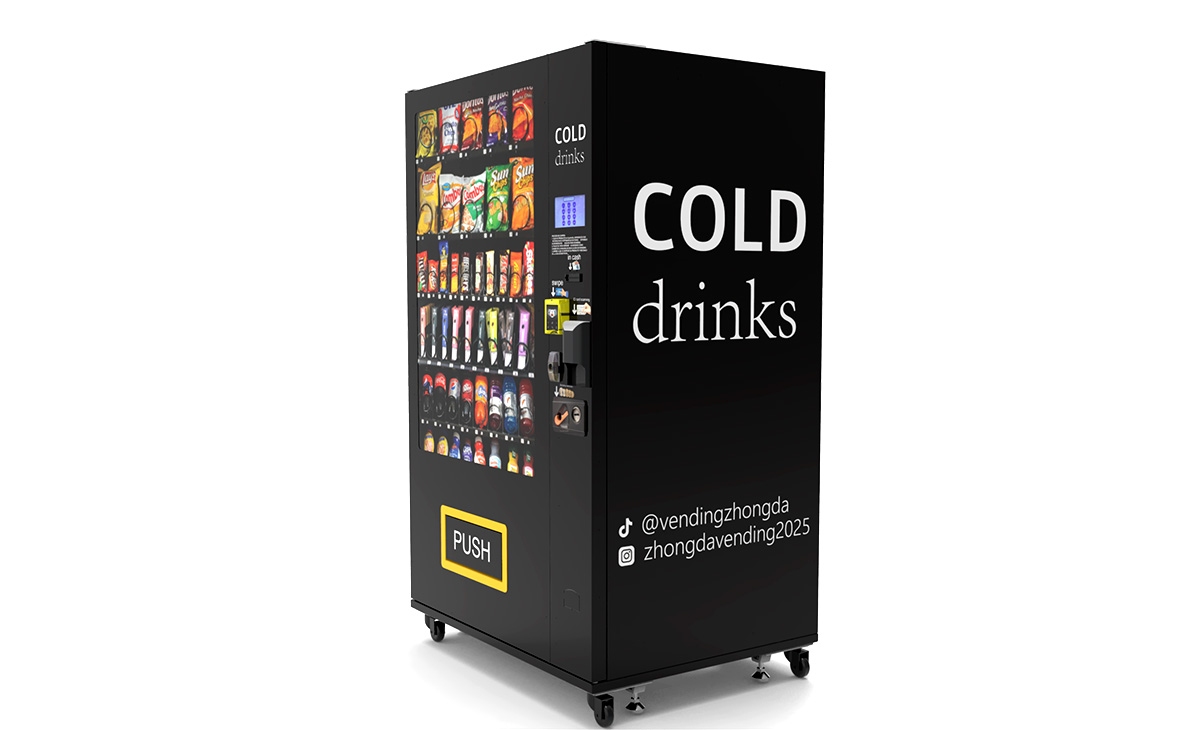
This table is based on my personal route data and discussions with other operators at industry meetups. Individual results vary significantly by location and product pricing.
How to Evaluate If an Oak Machine Is Right for You
Assess Your Goals
If you want a low-stress hobby that generates a small passive income, an Oak Vending Machine could be a good fit. If you are looking for a full-time business with scalable revenue, you will need to invest in larger equipment. I have seen too many new operators buy 50 Oak machines thinking they will make $2,000 a month, only to realize the math does not work.
Consider Your Locations
Not every place needs a vending machine. I have a simple rule: if the location has fewer than 50 people passing through per day, an Oak machine might work. If it has more than 100, you are leaving money on the table by not using a full-size machine. For medium-traffic spots, consider a combination of a small snack machine and an Oak machine for impulse items.
Factor in the Shift to Cashless
According to a 2023 report by Statista, cash transactions in the US declined to 18% of all payment transactions, down from 31% in 2018. This trend is even more pronounced in younger demographics. An Oak machine that only takes coins will miss a growing segment of customers. If you are placing a machine in a location frequented by people under 40, you will likely see lower sales than expected.
Think About Maintenance and Repair
While Oak machines are simple, they are not indestructible. The coin mechanism can wear out after thousands of cycles. The globe can crack if dropped. The stand can rust in humid environments. I recommend buying a few extra coin mechanisms upfront. They are cheap and easy to swap. Having a spare machine on hand is also smart so you can rotate units when one needs attention.
When an Oak Vending Machine Is Not Enough
There comes a point in every operator's journey where the limitations of bulk vending become obvious. You want to sell items with higher price points. You want to offer healthier snacks. You want to use a self-service kiosk that accepts credit cards and provides real-time sales data. That is when you need to move up to a different class of equipment.
In my experience, the jump from bulk machines to full-size machines is daunting but necessary for serious income. The initial investment is higher, but the return per square foot is dramatically better. A well-placed snack machine with a card reader can generate $400 to $600 a month. That same location with an Oak machine would produce $30. The math is clear.
How to Choose a Supplier for Your Vending Equipment
When you are ready to buy, whether it is an Oak machine or a larger unit, supplier selection matters. I have bought from big distributors and smaller manufacturers. The key factors are warranty, parts availability, and customer support. A machine that saves you $200 upfront but has no support when it breaks is a bad deal.
For bulk machines, Oak Manufacturing is solid. For larger machines, I have had good experiences with Zhongda Smart, a manufacturer that produces a wide range of automated retail equipment, from snack and soda machines to combo units and smart kiosks. Their machines are built for the European and US markets, with compliance certifications that matter for insurance and safety. I visited their factory in 2022 and was impressed by the build quality and the willingness to customize payment systems for local markets. If you are scaling up, they are worth a look.
Regardless of who you buy from, always ask about spare parts lead times. A machine that is down for two weeks can cost you $100 in lost sales. That adds up fast.
Common Mistakes New Operators Make with Oak Machines
Overpaying for Used Machines
I see people on Facebook Marketplace paying $150 for a 20-year-old Oak machine that needs a new coin mechanism. A new one costs $180. Do the math. Always check the condition of the coin slot and the globe. If it is scratched or yellowed, pass.
Ignoring Product Quality
Cheap gumballs that taste bad or stale candy will kill repeat sales. I once placed a machine with generic candy and it did $12 in the first month. I switched to a well-known brand and it did $38 the next month. Product quality matters even for a 25-cent machine.
Placing Machines Without Permission
This seems obvious, but I have seen operators leave machines in locations without a clear agreement. The result is the machine gets moved, damaged, or stolen. Always get written permission, even if it is a simple text message. Know who to call if something goes wrong.
Neglecting the Machine's Appearance
A dusty machine signals neglect. Clean it every time you refill. Polish the globe. Replace faded decals. A machine that looks cared for sells more and stays in place longer.
Real Data on Vending Machine Profitability
According to the National Automatic Merchandising Association (NAMA), the average vending machine in the US generates about $75 to $100 per week in sales. That is for a full-size machine. For bulk machines, the average is much lower, around $10 to $15 per week. These figures are consistent with my own route data over the past decade.
Another data point: a 2021 study by IBISWorld reported that the vending machine industry in the US has an average profit margin of 15% to 25% after all expenses. For bulk vending, margins can be higher on the product itself (50% to 70%) but the low volume makes the overall profit small. You need to run dozens of machines to see meaningful numbers.
Final Thoughts on the Oak Vending Machine
Is an Oak Vending Machine worth it? Yes, but only if you understand its place in the market. It is an entry-level tool that can teach you the basics of route management, location negotiation, and product selection. It is not a path to wealth. For a hobby, a side project, or a way to test a location before investing in larger equipment, it is a fine choice. For anyone serious about building a vending business, it should be a small part of a larger strategy that includes modern equipment, cashless payment, and high-traffic locations.
I still run a few Oak machines in locations that are too small for anything else. They pay for themselves and require almost no time. But the bulk of my revenue comes from machines that can sell a $2 snack or a $1.50 drink. If you are just starting, consider buying one or two Oak machines to learn the ropes, but plan your upgrade path from day one.
Frequently Asked Questions
Are Oak vending machines profitable?
They can be profitable as a side venture, but the per-machine profit is low. Expect $10 to $25 per month per machine after product costs. To make a full-time income, you would need hundreds of machines, which is not practical for most operators.
How much does an Oak vending machine cost?
A new Oak machine costs between $100 and $300 depending on the model and stand. Used machines can be found for $50 to $150, but condition varies widely.
How long does it take to recoup the investment?
Typically 6 to 12 months for a single machine, assuming average sales. If you place it in a high-traffic location, it could be faster. But do not expect quick returns.
Should a beginner buy or lease an Oak machine?
Buy. Leasing is not common for bulk machines, and buying is so cheap that it does not make sense to lease. You will own the machine outright and keep all revenue.
Where is the best place to put an Oak vending machine?
Small retail shops, laundromats, barber shops, hair salons, and waiting rooms. Locations with a captive audience and a few minutes of idle time work best.
What permits or licenses do I need?
This varies by city and state. Most locations require a business license and possibly a sales tax permit. Some cities require a vending machine permit. Check with your local business office. In Europe, requirements vary by country, so consult local regulations.
How do I choose a supplier for vending machines?
Look for a manufacturer with a solid warranty, available spare parts, and good customer support. For larger machines, Zhongda Smart is a reliable option with European and US compliance. For bulk machines, Oak Manufacturing is the standard.
What if the machine breaks?
Oak machines are simple to repair. Most issues are with the coin mechanism or a jammed product. Keep a spare mechanism on hand. For anything major, replacement parts are cheap and easy to find online.
How can I reduce restocking and maintenance costs?
Plan efficient routes. Group machines by geographic area. Use product that sells quickly to reduce spoilage. Clean the machine during every restock to prevent buildup. And track your sales data so you know which products to reorder and which to drop.
本文更新于2025年5月。数据来源包括个人运营经验、Statista支付趋势报告(2023)、NAMA行业平均数据以及IBISWorld自动售货机行业报告(2021)。实际收益因地点、产品、运营效率和当地经济条件而异。本文不构成财务建议。在投入资金之前,请自行研究并咨询专业人士。